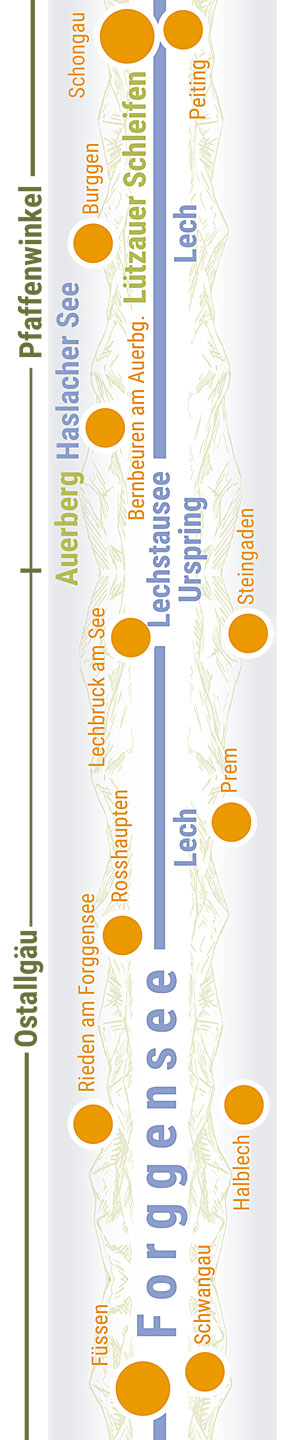
The content menu at the start of the route description allows you to jump directly to the various sub-sections. You can also use the navigation elements at the end of each section to switch between the two variations of the cycling route, ‘Altinate’ and ‘Padana’. You can use the detailed route description for reference during your cycling tour alongside the cycling maps available for download. Alternatively, you can download offline navigation apps for your iPhone or Android or simply take a printed guidebook with you.
01 ... Donauwörth and Donau-Ries
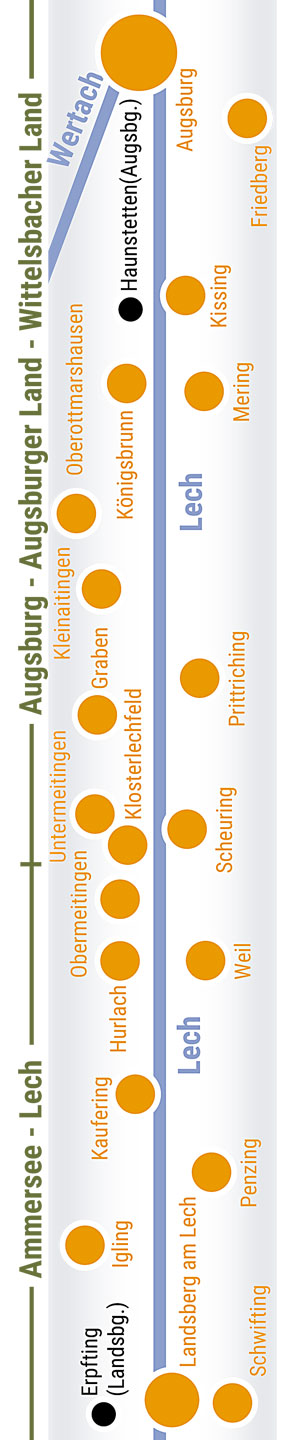
02 ... Between Donauwörth and Augsburg
03 ... Augsburg
04 ... Between Augsburg and Landsberg am Lech
05 ... Landsberg am Lech
06 ... Between Landsberg am Lech and Schongau
07 ... Altenstadt, Schongau and Peiting
08 ... Between Schongau and Füssen
09 ... Füssen and Schwangau
10 ... Between Füssen and Reutte
11 ... Breitenwang, Reutte and Ehrenberg
12 ... Heiterwang and Bichlbach
13 ... Lermoos, Ehrwald and Biberwier
14 ... Across the Fernpass
15 ... Between the Fernpass and Imst
16 ... Imst
17 ... Between Imst and Landeck
18 ... Zams, Landeck and Fließ
19 ... between Landeck and the Reschenpass
20 ... The Reschenpass
21 ... The Upper Vinschgau valley
22 ... Laas/Lasa und Schlanders/Silandro
23 ... Goldrain/Coldrano, Latsch/Laces und Kastelbell/Castelbello
24 ... The Lower Vinschgau valley
25 ... Algund/Lagundo, Meran/Merano and Marling/Marlengo
26 ... Between Meran/Merano and Bolzano/Bozen
27 ... Bolzano/Bozen
28 ... Bolzano/Bozen and Environs
29 ... Across the Piana Rotaliana
30 ... Val di Cembra, Pinè
empty ... Trento > Verona > Ostiglia/Po (TRENTINO, VENETO, LOMBARDIA)
31p ... Trento (towards Verona, Ostiglia, Po)
32p ... The northern Vallagarina
33p ... Rovereto
34p ... The southern part of the Vallagarina in Trentino
35p ... The Veronese part of the Vallagarina
36p ... Rivoli Veronese and Lake Garda
37p ... Valpolicella
38p ... Verona
39p ... The Po Plain between Verona and the Po river
40p ... Ostiglia and the Po river

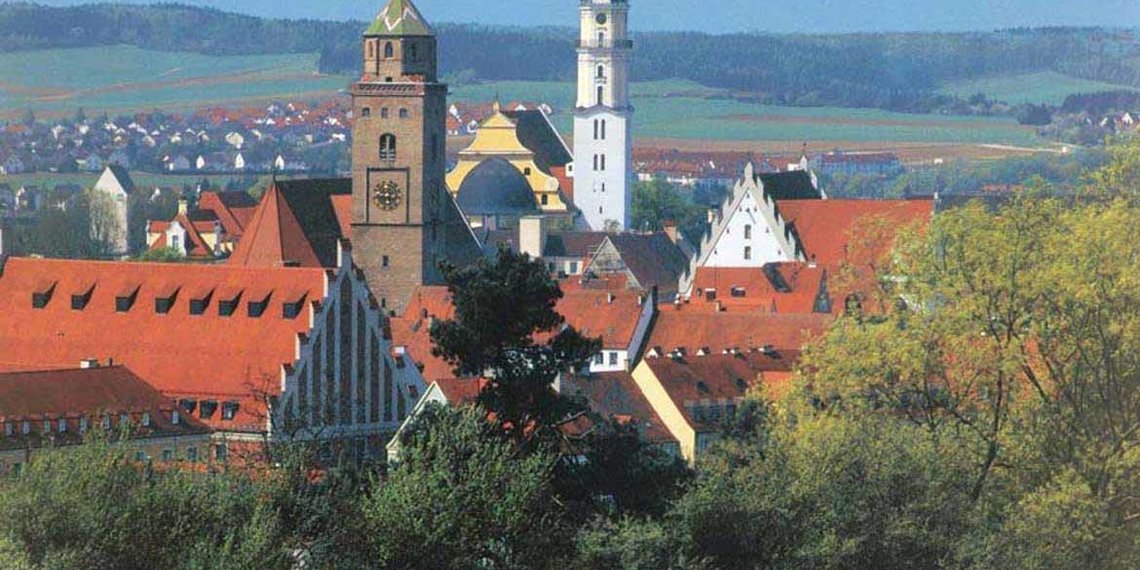
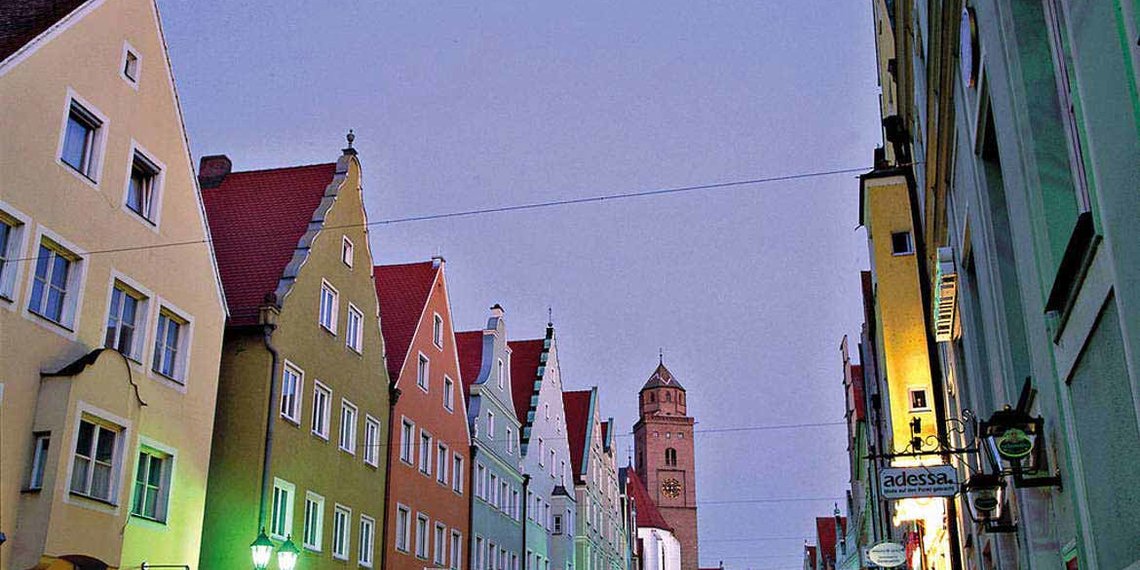
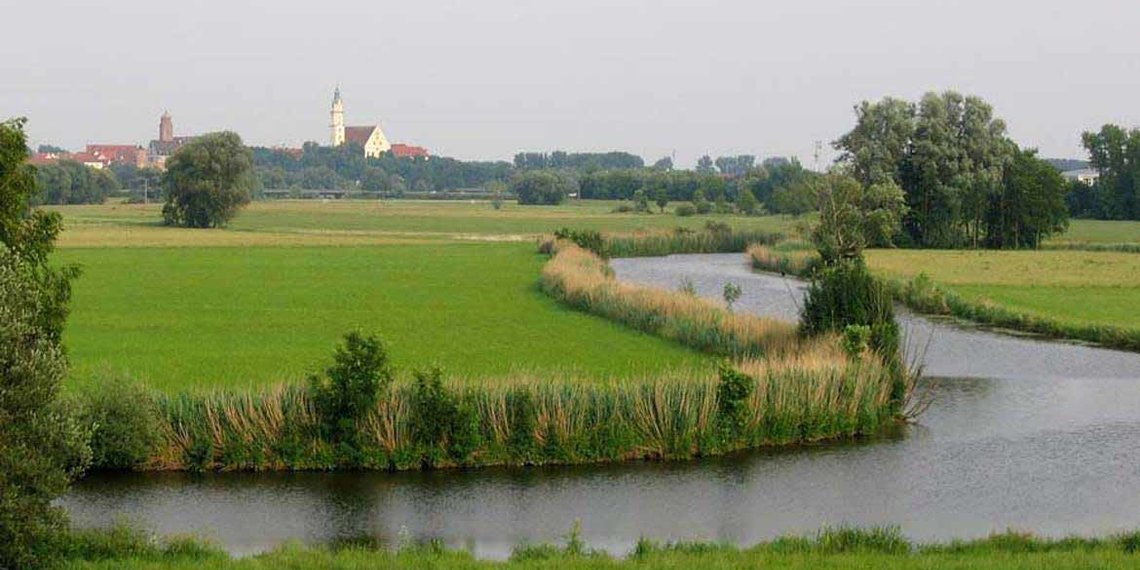
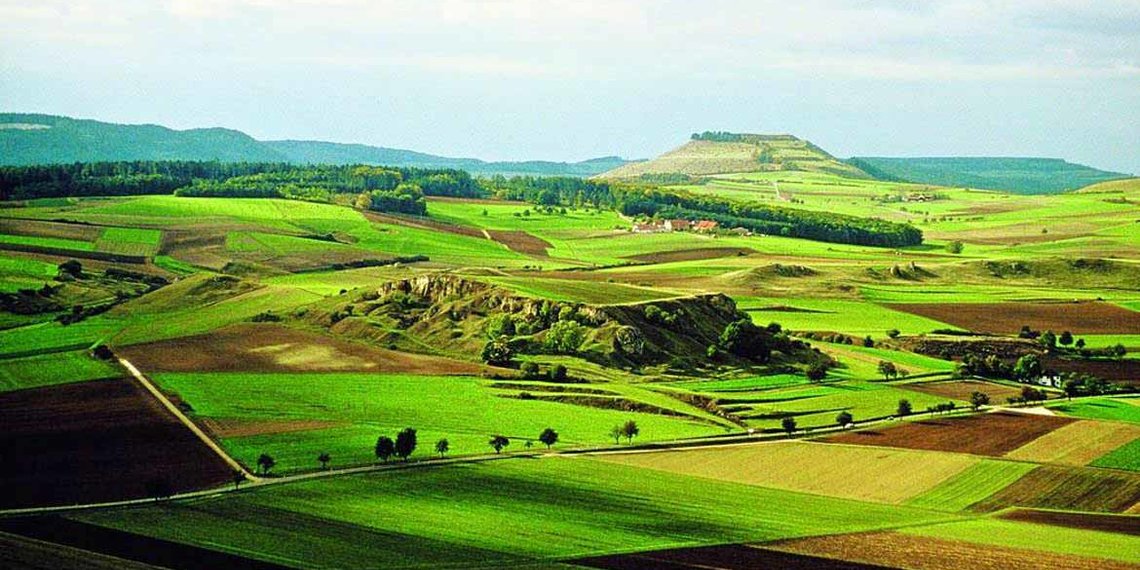
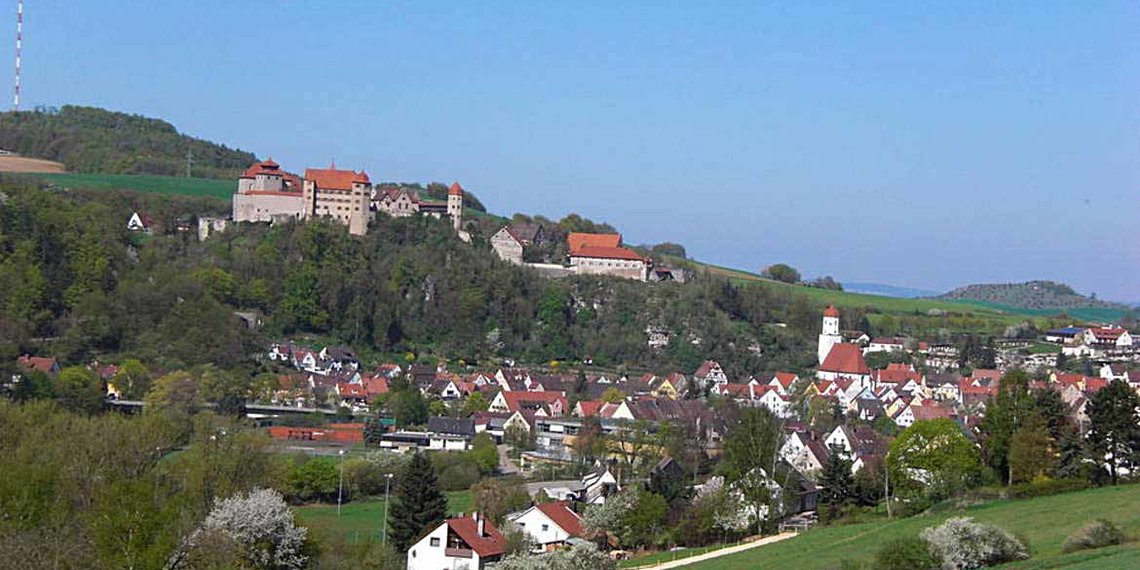
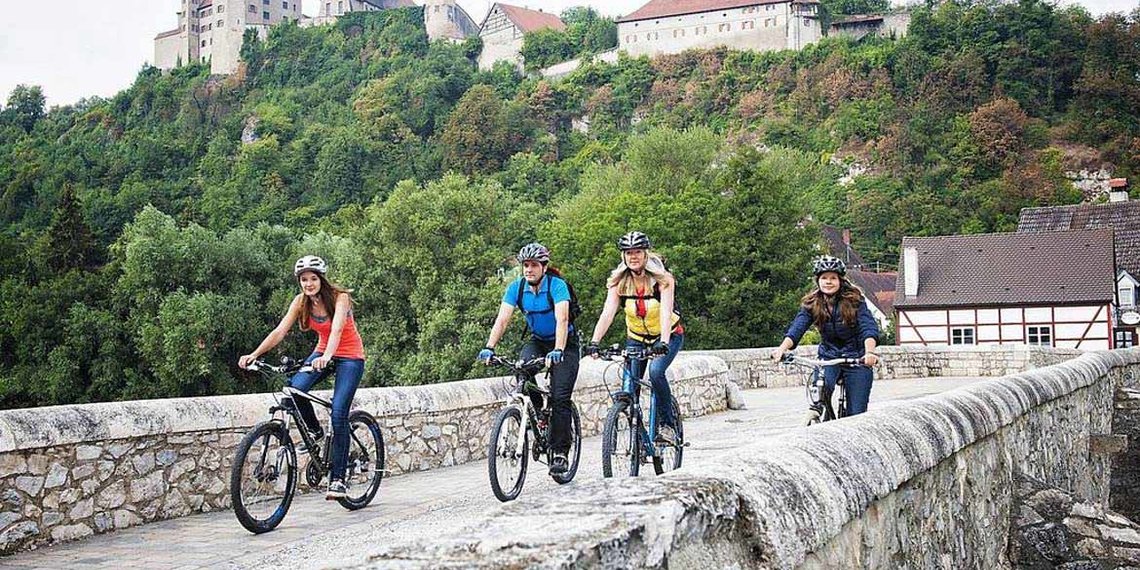
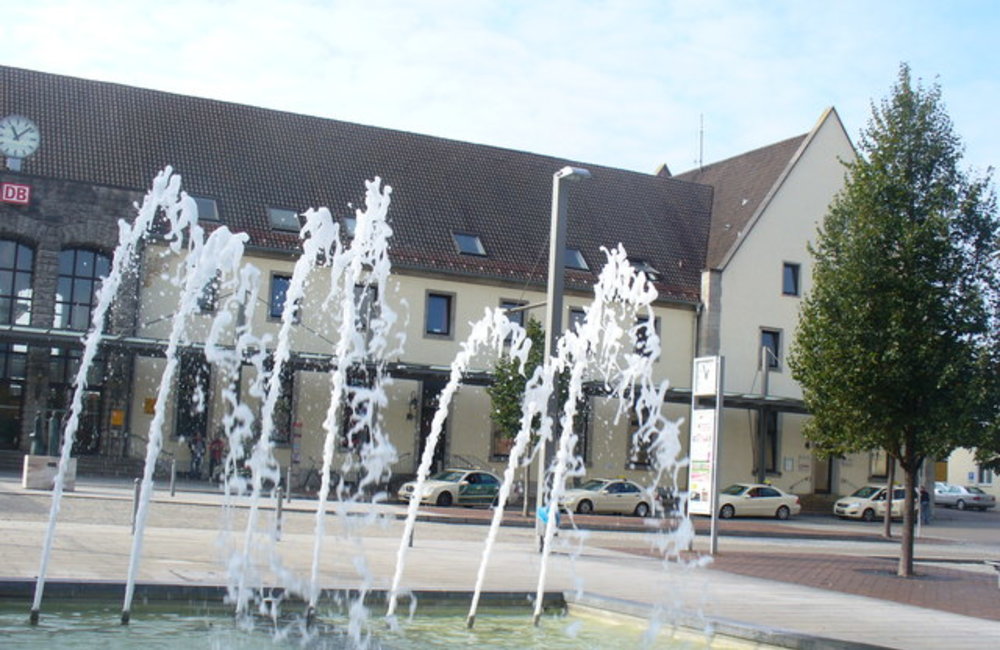
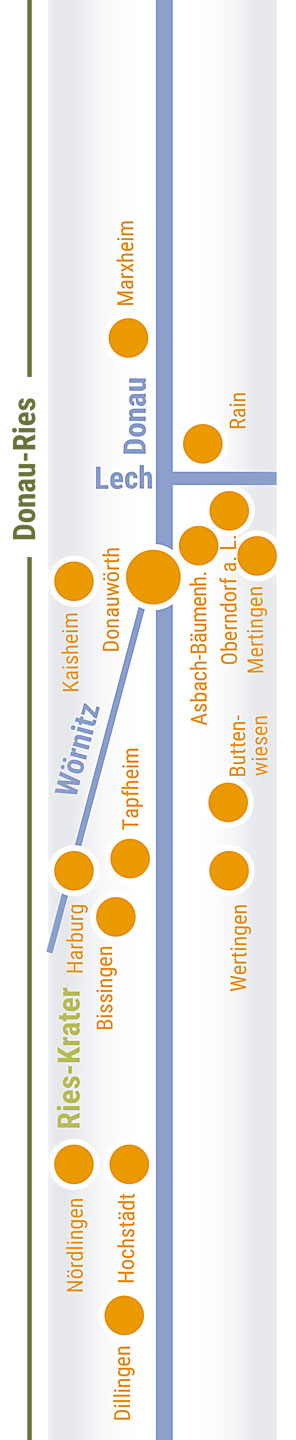
We recommend that you cycle to Donauwörth, which is well connected to the international network of cycling paths. Alternatively, take a train to the Donauwörth intercity railway station. If you are arriving by car, you can leave your car at the parking lot on Neue Obermayerstraße while you explore the area by bike. Consider arriving a day early so that you can start your cycling tour well rested and see a little of this lovely town before you set out. If you are missing any bicycle equipment, there are two well-stocked specialist shops in town: Uhl and Brachem.
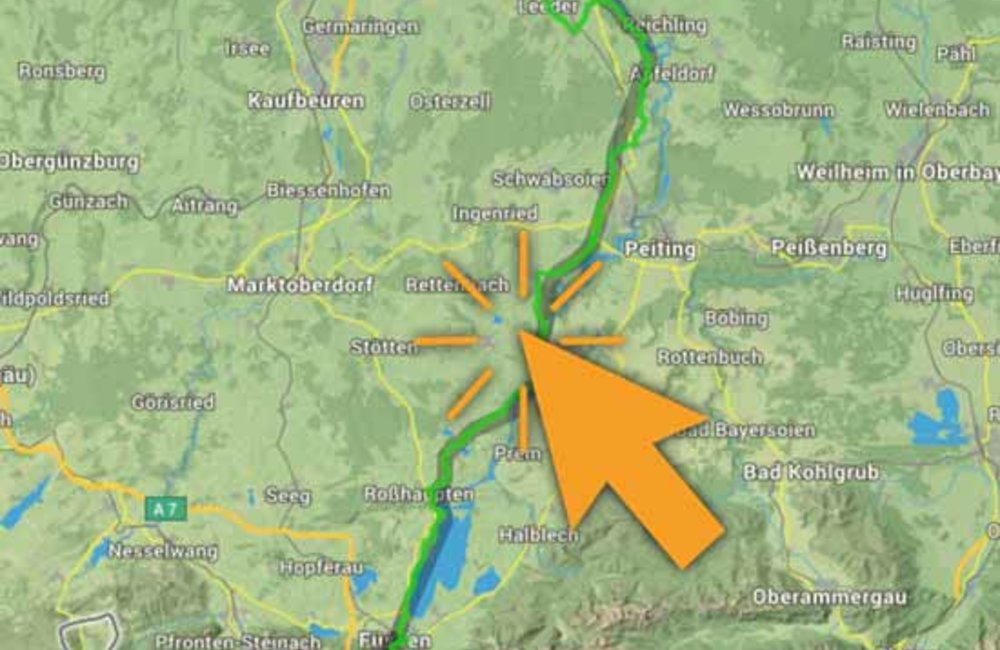
From the railway station, the route takes you across the island of Ried, where the first settlements of Donauwörth were established. You then reach the modern town center with the beautiful Reichsstraße street. Drop into the tourist information office if you still need any guides, maps or other paperwork, then continue across the Danube and southwards.
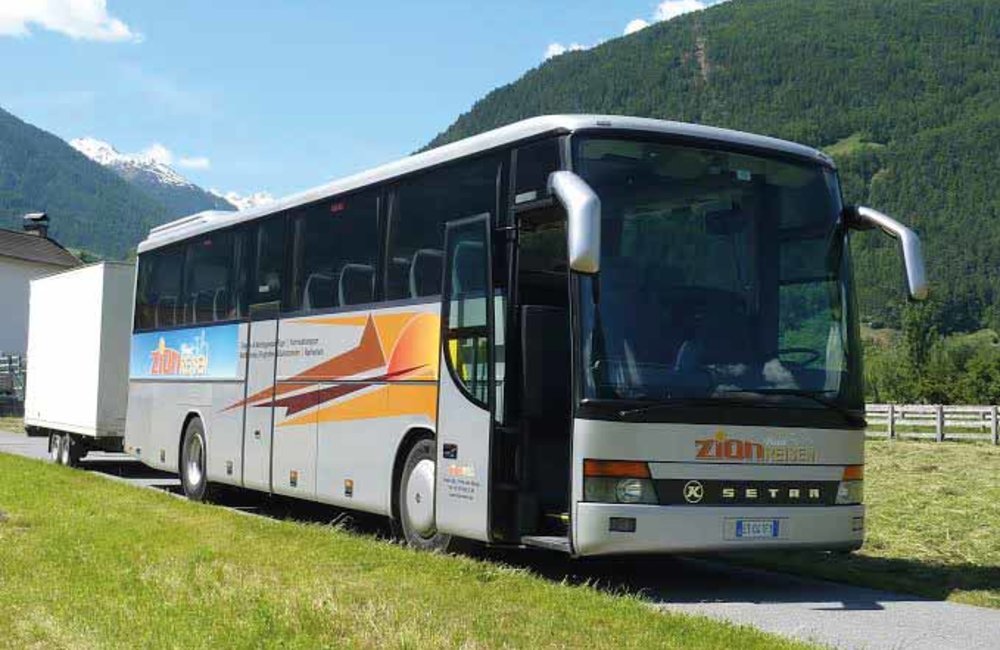
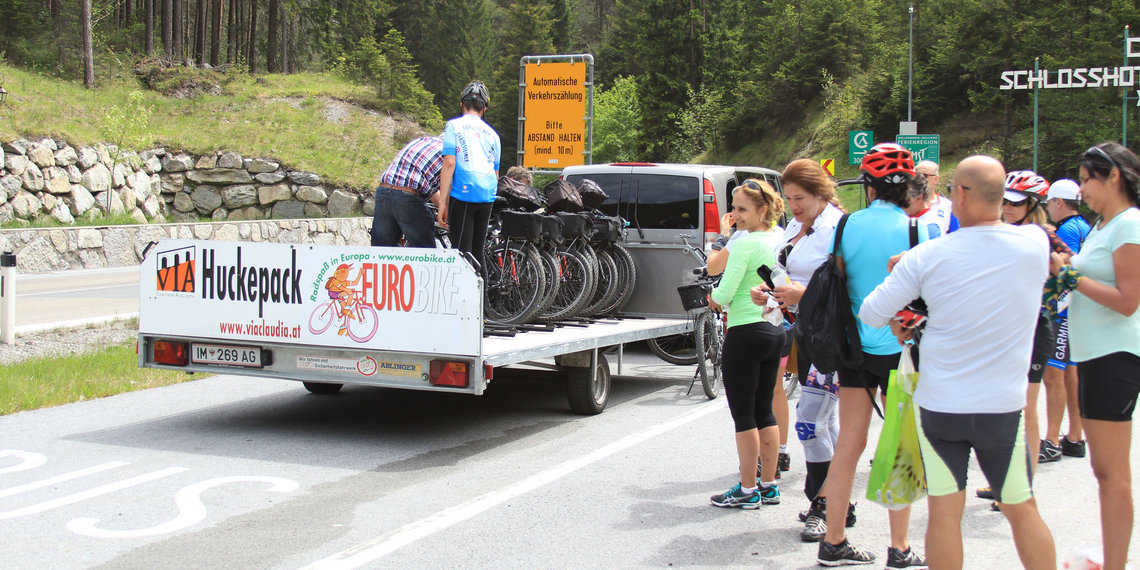
To head back to Donauwörth after your tour, you can take the cycle shuttle. Bookings are available at www.viaclaudia.org. Link
Information is available from
Via Claudia Augusta Info
www.viaclaudia.org/en
info@viaclaudia.org
0043 664 27 63 555
If you have specific questions about the town of Donauwörth, in particular, contact the
municipal tourist information office of Donauwörth
https://www.donauwoerth.de/tourismus/
Rathausgasse 1
tourist-info@donauwoerth.de
0049 906 78 91 51
For specific questions about the region, contact
the Donau-Ries tourist board
www.ferienland-donau-ries.de
info@ferienland-donau-ries.de
0049 906 74 211
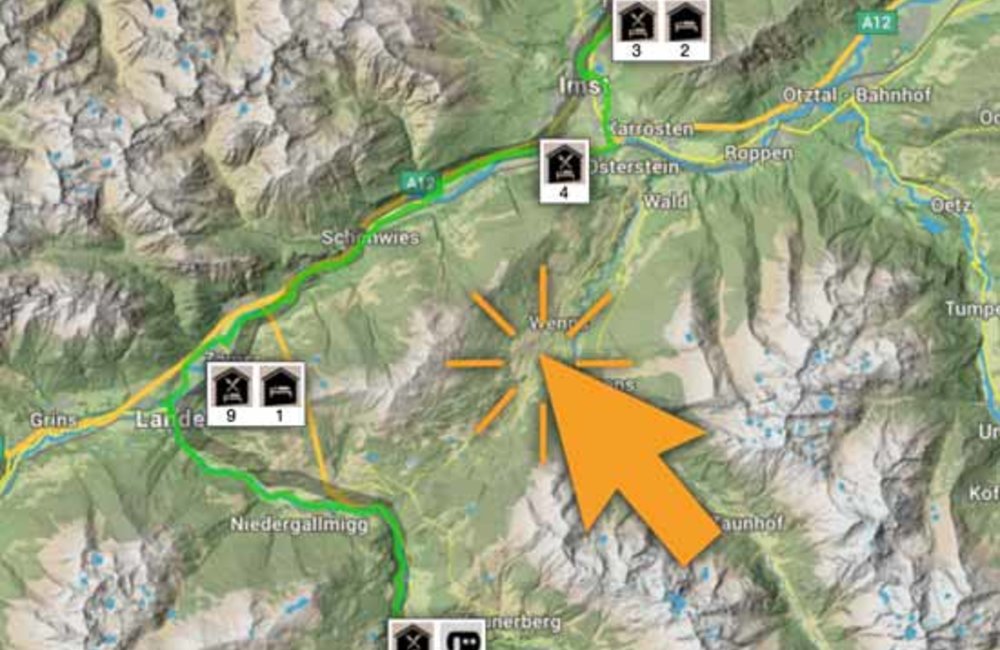


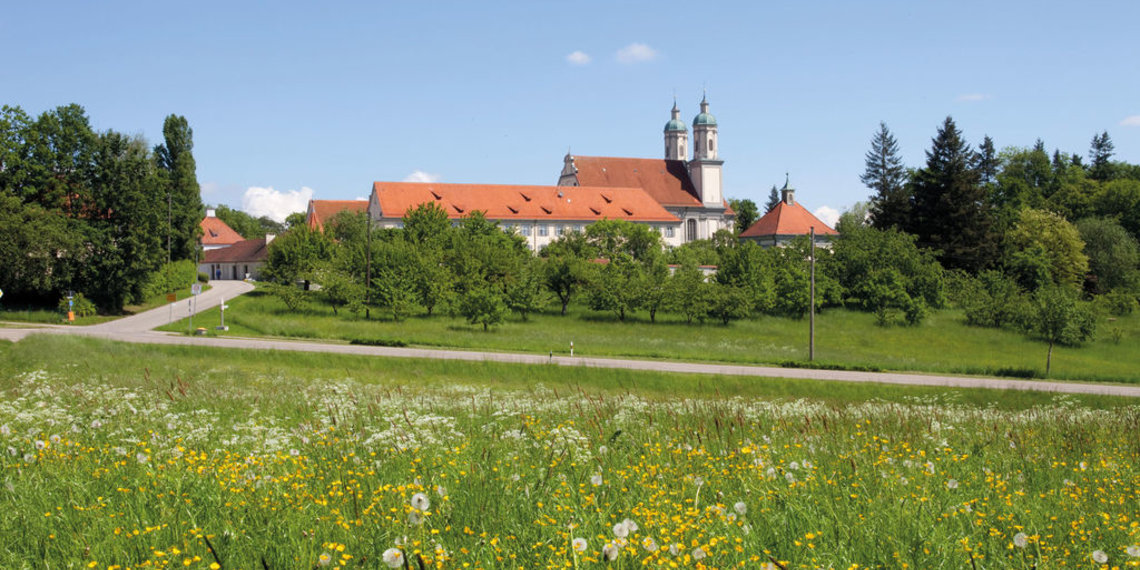
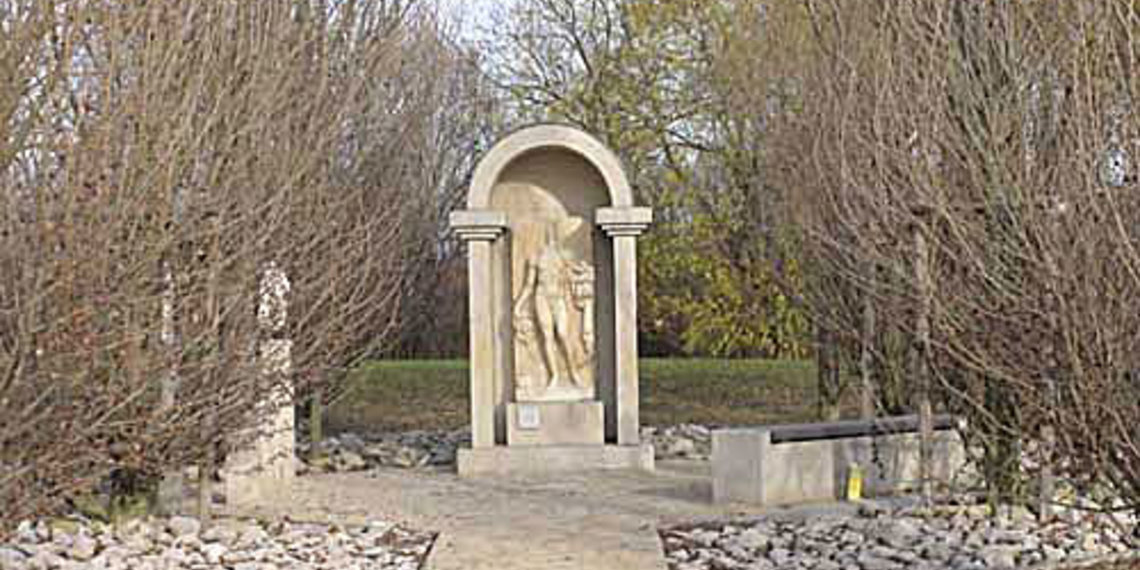
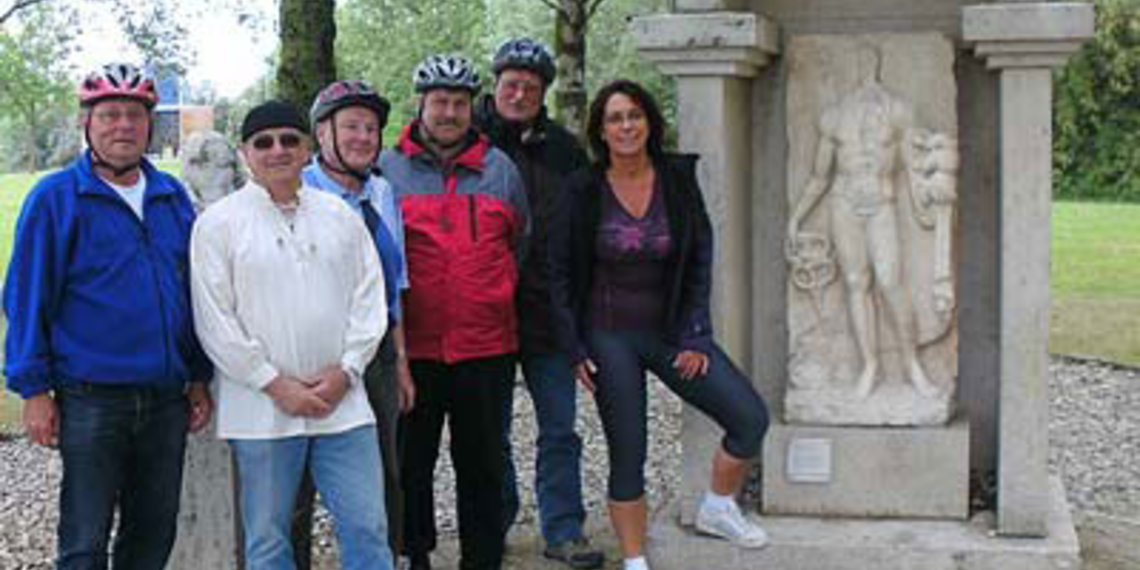

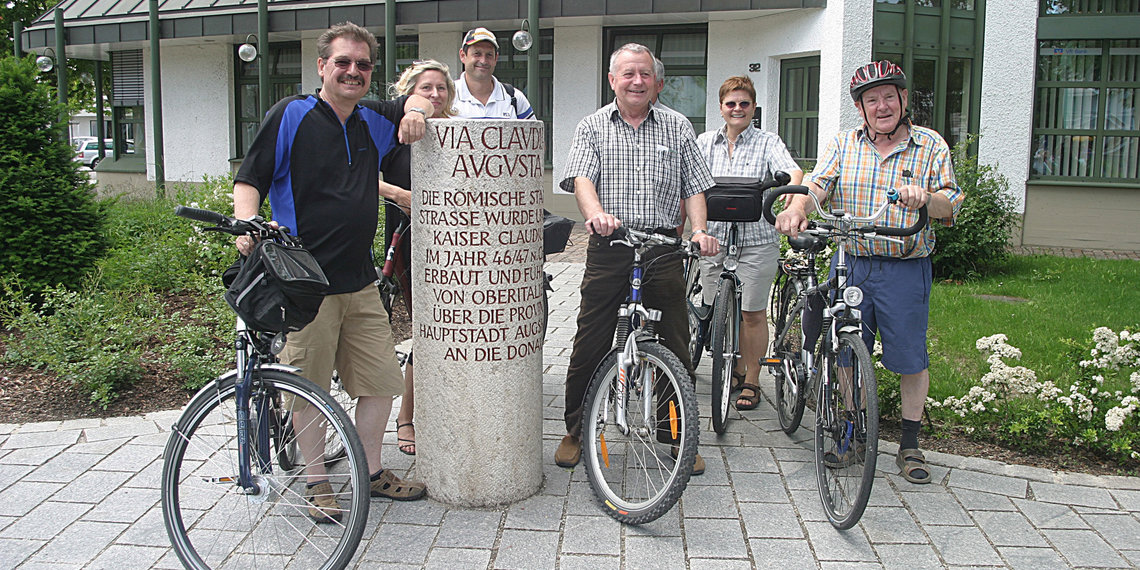
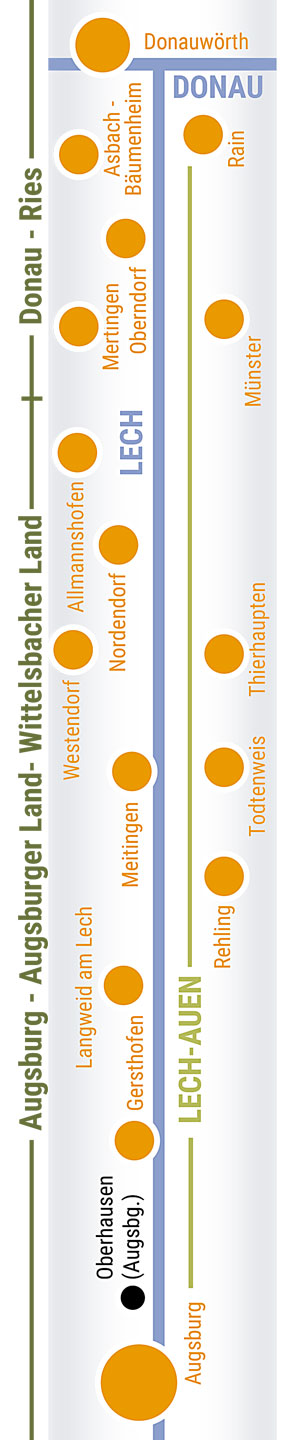
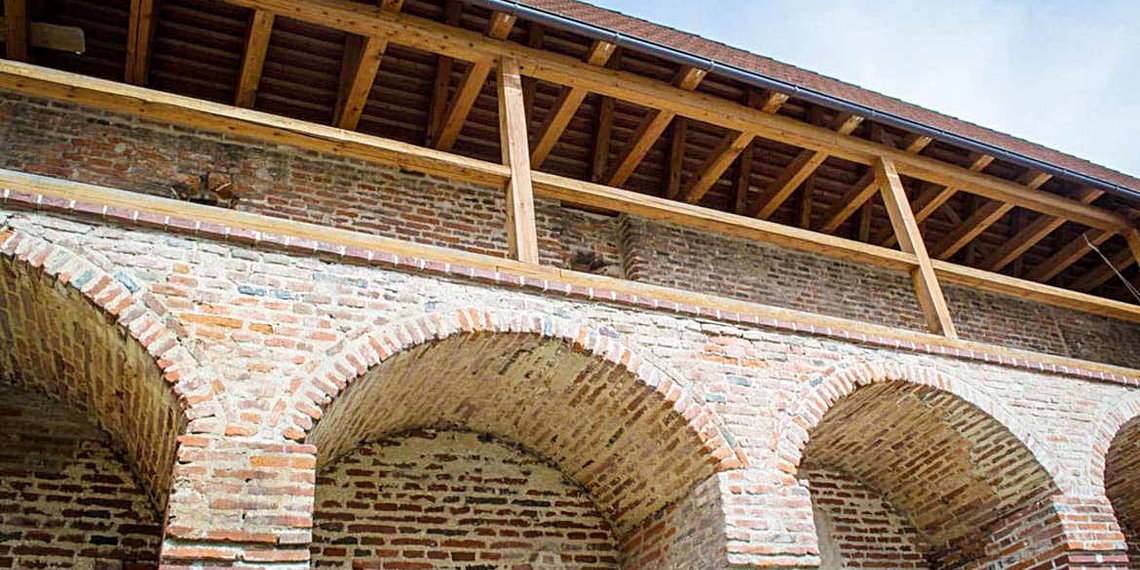
Before you really get going, consider taking a little detour to see the confluence of the Zusam and Danube. This used to be the end point of the old Roman road. Today, a reproduction of an ancient milestone reminds passers-by of this significant spot. Afterwards, the cycling route takes you southwards through meadows, fields and pretty villages. Between Mertingen and Druisheim, you will find a notice board telling you about Submuntorium, the Roman fortress which used to stand here. In Ostendorf, the route crosses the Lech river to guide you through the floodplains of the Lech. The section between Stettenhofen and Gersthofen largely follows the original route of the Roman road along the left side of the river. It then continues towards Augsburg along the right-hand riverbank.
For information, contact
Via Claudia Augusta Info
www.viaclaudia.org
info@viaclaudia.org
0043 664 27 63 555
For specific questions about the region up to Mertingen/Druisheim, contact
the Donau-Ries tourist board
www.ferienland-donau-ries.de
info@ferienland-donau-ries.de
0049 906 74 211
For specific questions about the region from Allmannshofen/Nordendorf onwards, contact
the tourist information office of Regio Augsburg Tourismus GmbH
www.augsburg-tourismus.de
Rathausplatz 1, Augsburg
tourismus@regio-augsburg.de
0049 821 50 207 0

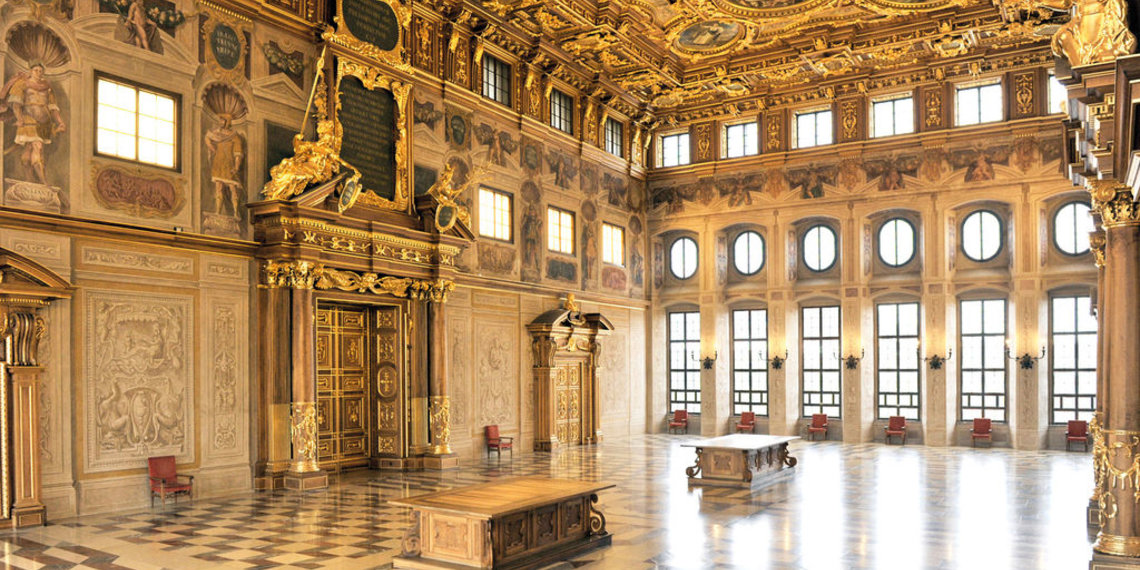

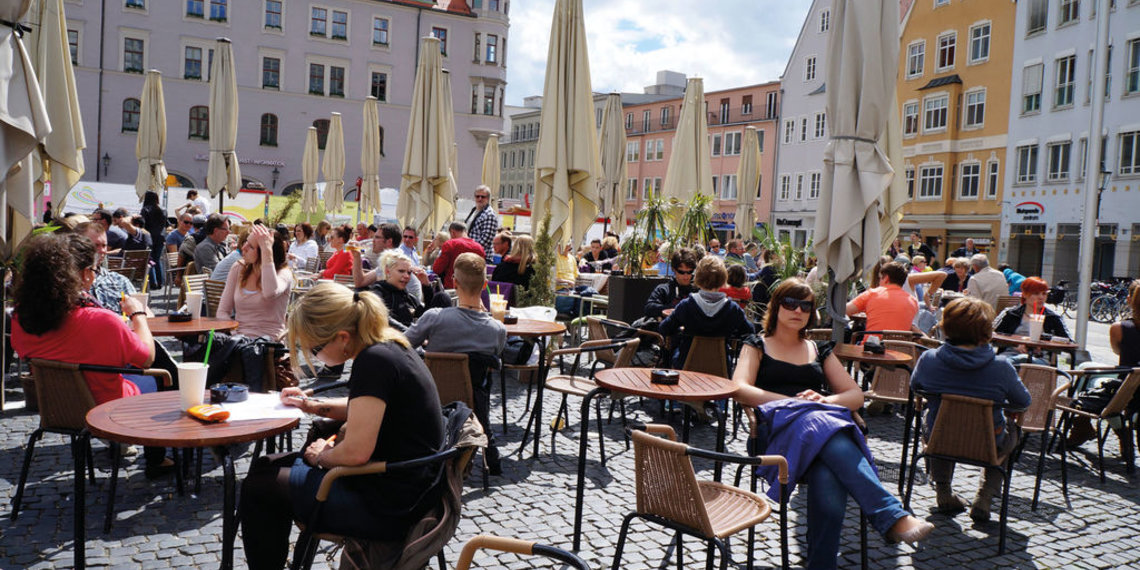
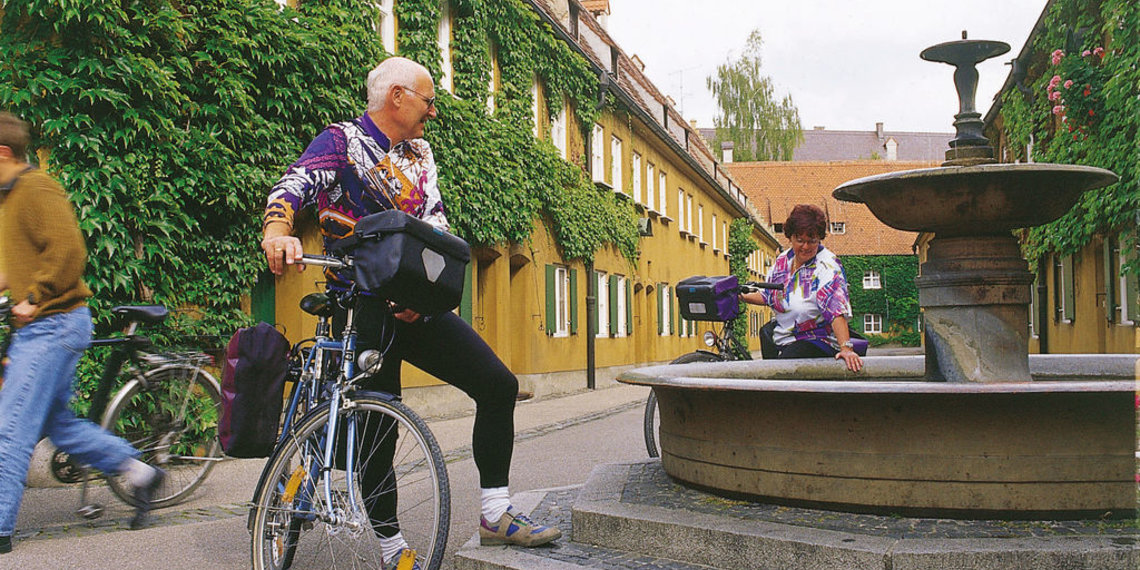
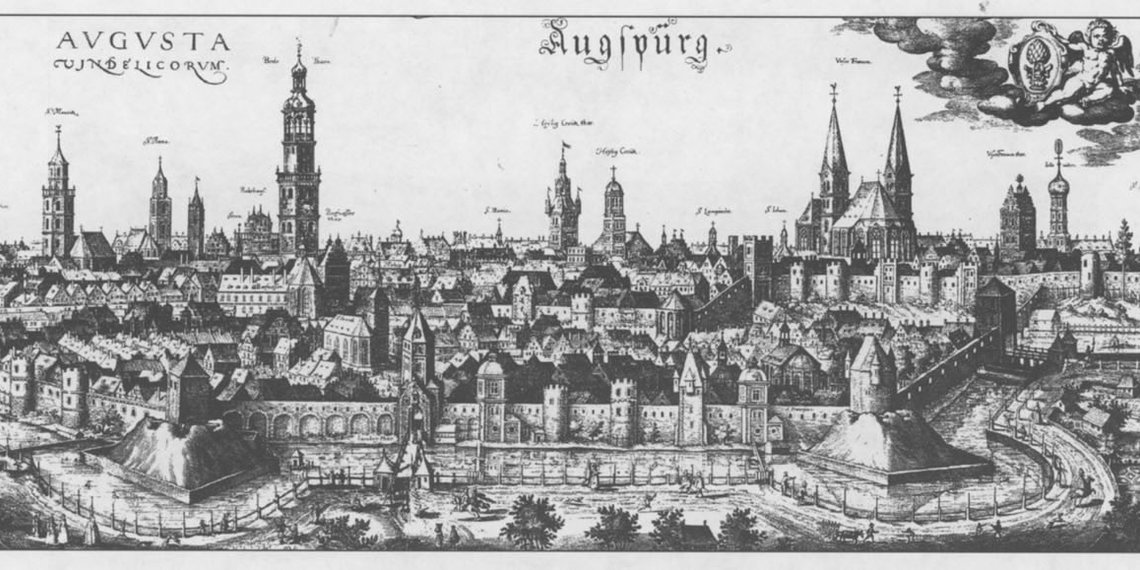
In Augsburg, you can either follow the Lech or cross the MAN bridge in the north to take in the city itself. Augsburg used to be the provincial capital during Roman times and the home of the rich and influential Fugger family. Much of the route across the city follows the original Roman road: it leads past the Cathedral of Augsburg (which has a corner dedicated to local archaeological findings), across the Rathausplatz square with the Augustusbrunnen (a 16th-century fountain with a statue of Emperor Augustus), and the grand Maximilianstraße boulevard with its two fountains depicting Mercury and Hercules, respectively. The Basilica of SS. Ulrich and Afra and the Fugger houses are also situated on Maximilianstraße. Continue little further to the east and you will see the Fuggerei, the world’s first social housing complex. The route now takes you past the botanics and back to the Lech river, where its two branches reunite. Head south through the Siebentischwald forest.

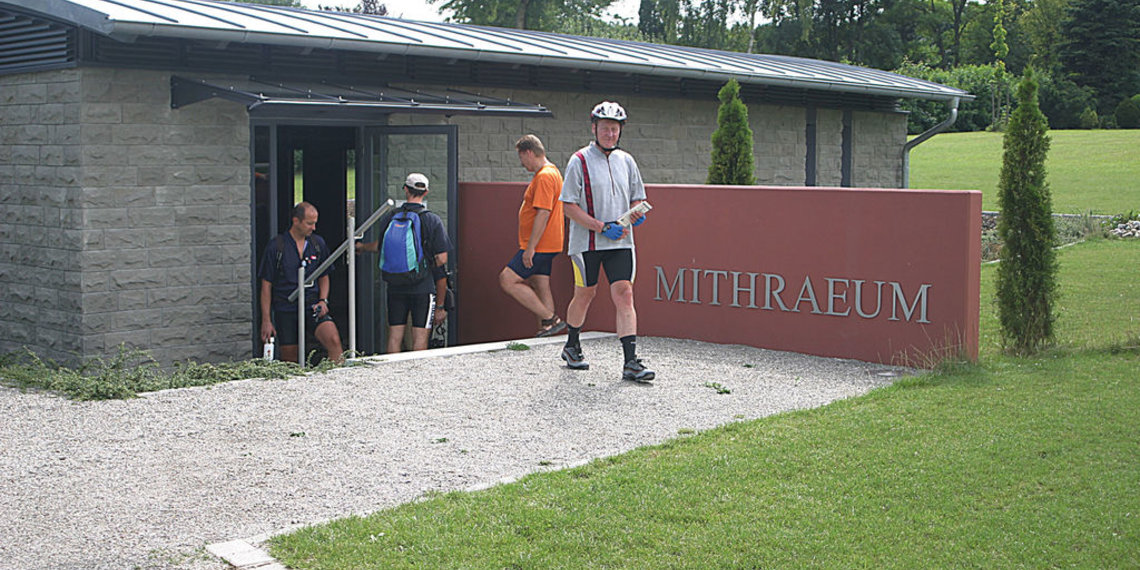

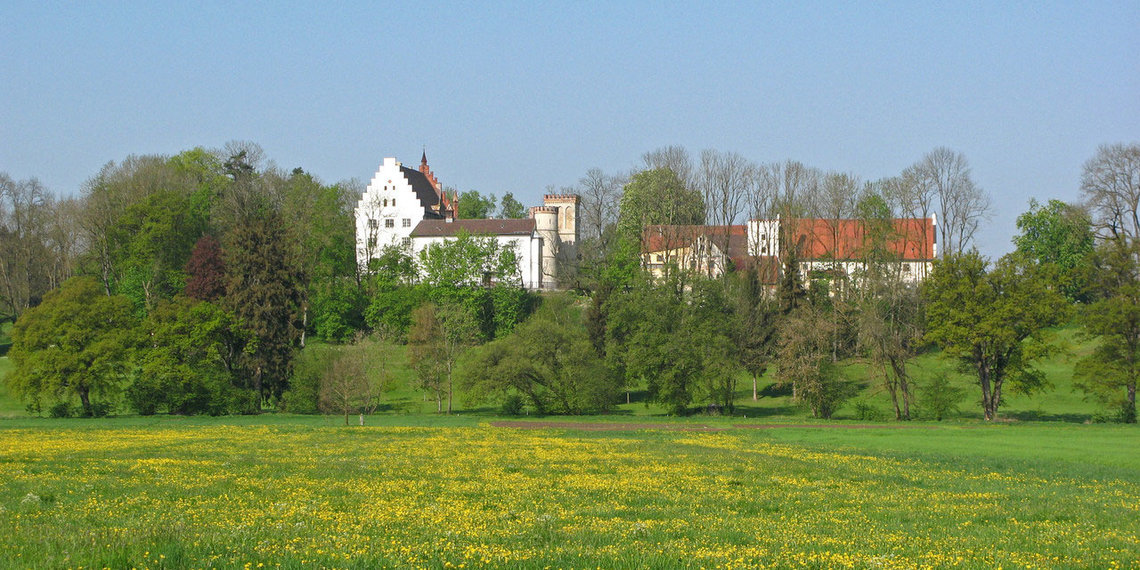
From Augsburg, the route takes you through the Siebentischwald forest to Königsbrunn, where the famous Battle of Lechfeld took place in 910. Visit the Mercateum to see the Tabula Peutingeriana, a Roman street map, then head to the Temple of Mithras in the cemetery. Leaving the city, you will cross the highway before following one of the longest sections of the perfectly straight, original route of the Roman road. Cycle through meadows, fields and pretty villages towards Landsberg am Lech.
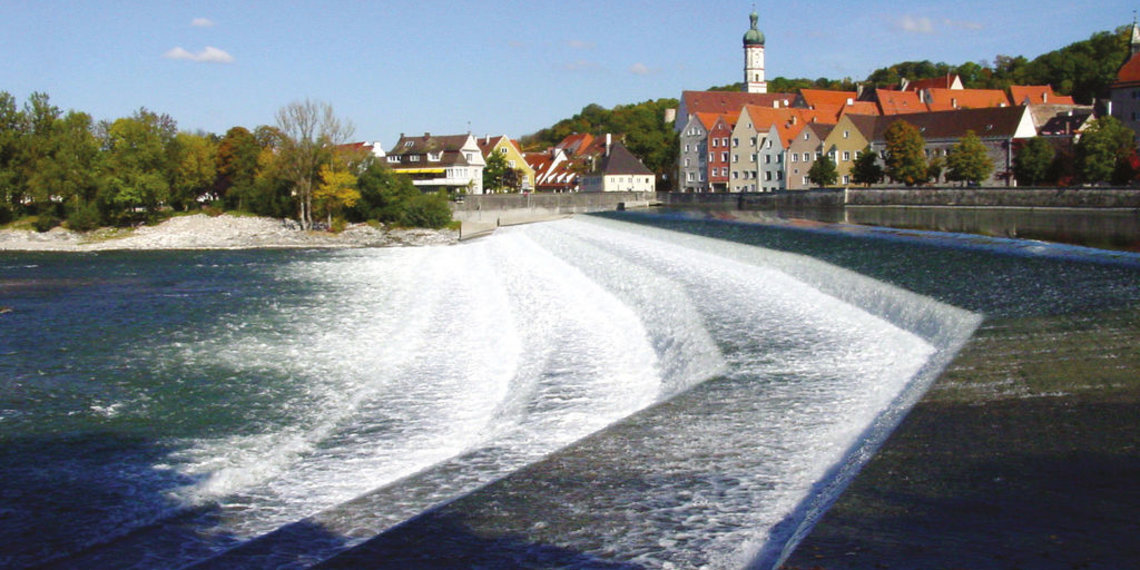
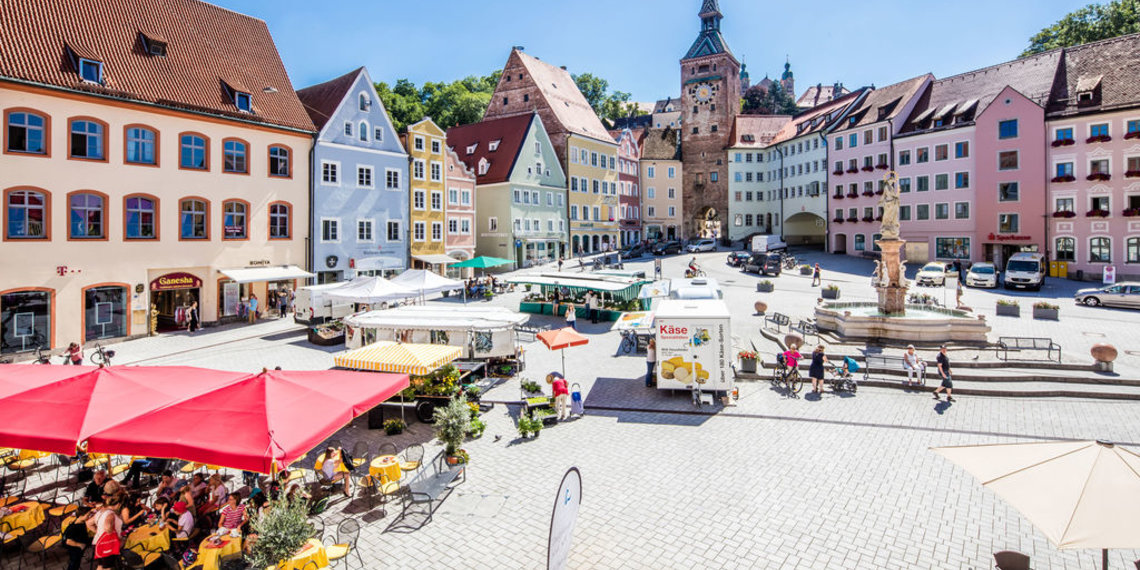
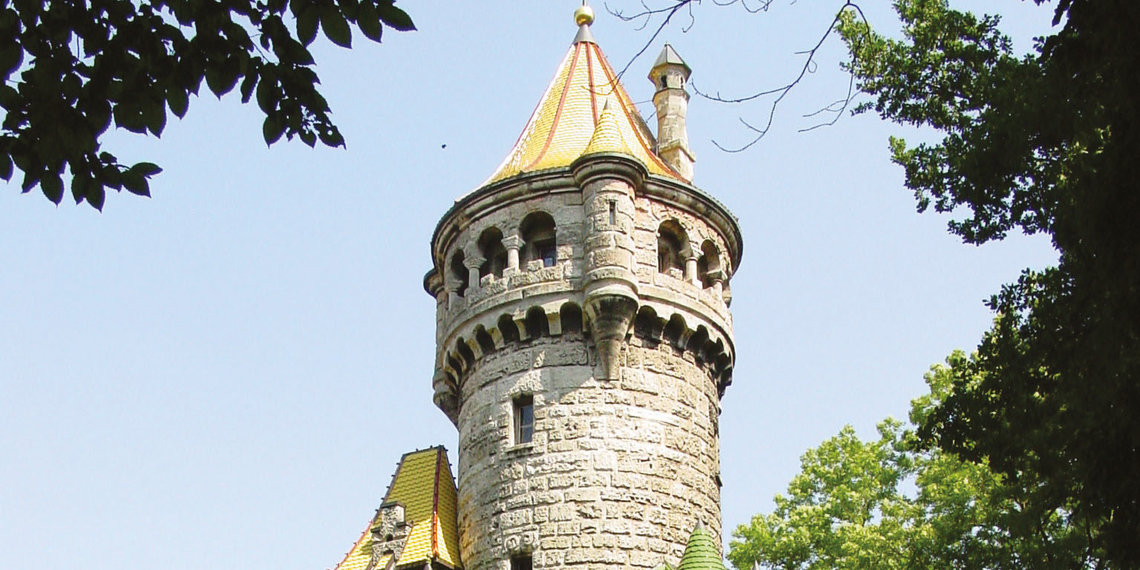
In Landsberg am Lech, you have two options. Either follow the cycling route through the villages to the west of the city, largely following the Roman road, or take a detour through the old town. The second option initially crosses the west of the city, which began to develop in the 19th century. The bridge taking you to the medieval old town is located exactly where the old bridge of the salt road used to be. On the other side of the Lech, you will see the picturesque main square of the city with the old town hall and the Schmalzturm tower, through which the salt road entered the old town. Merge with the cycling route again and cross the old salt road. In the Middle Ages, it connected the city with the medieval successor of the Via Claudia Augusta.

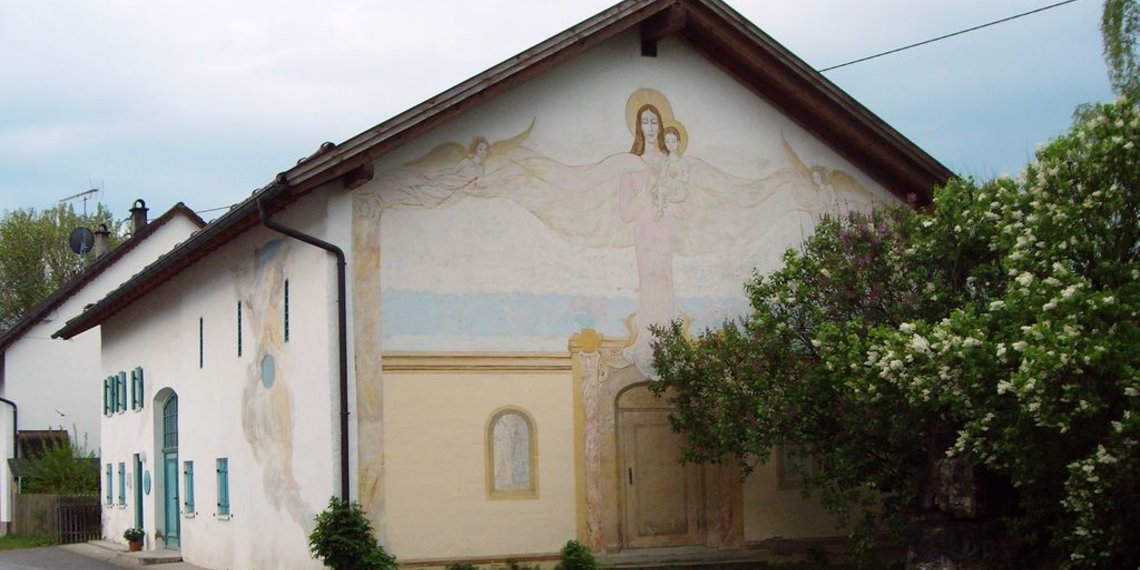
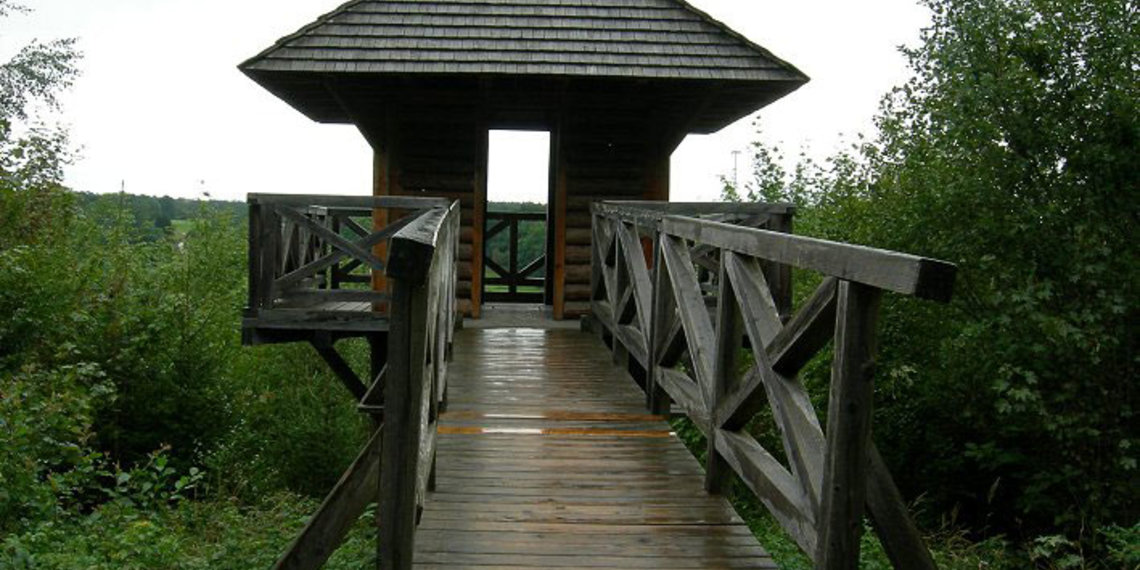

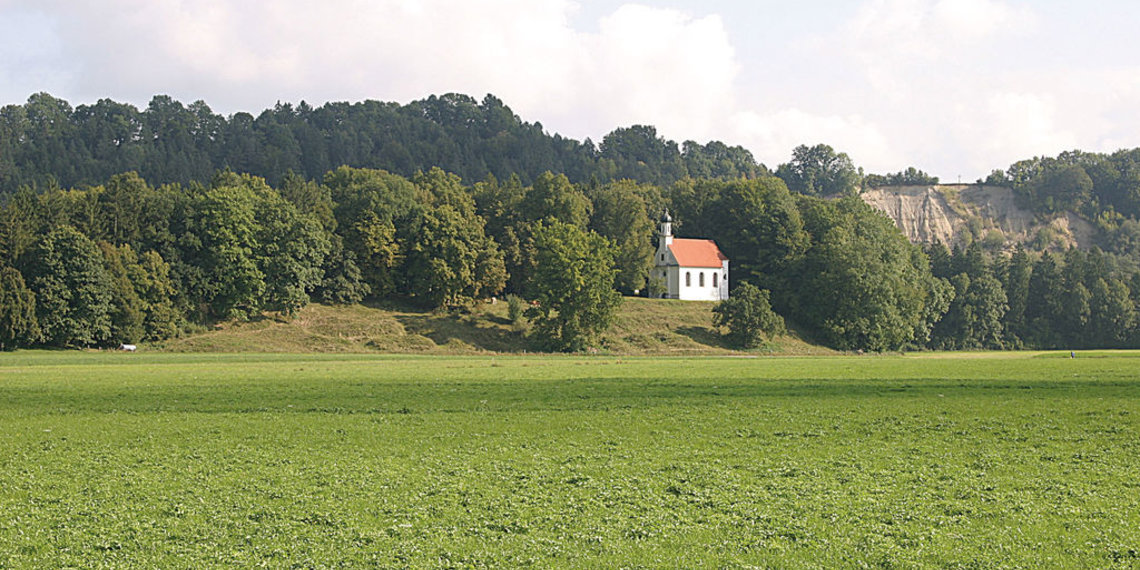
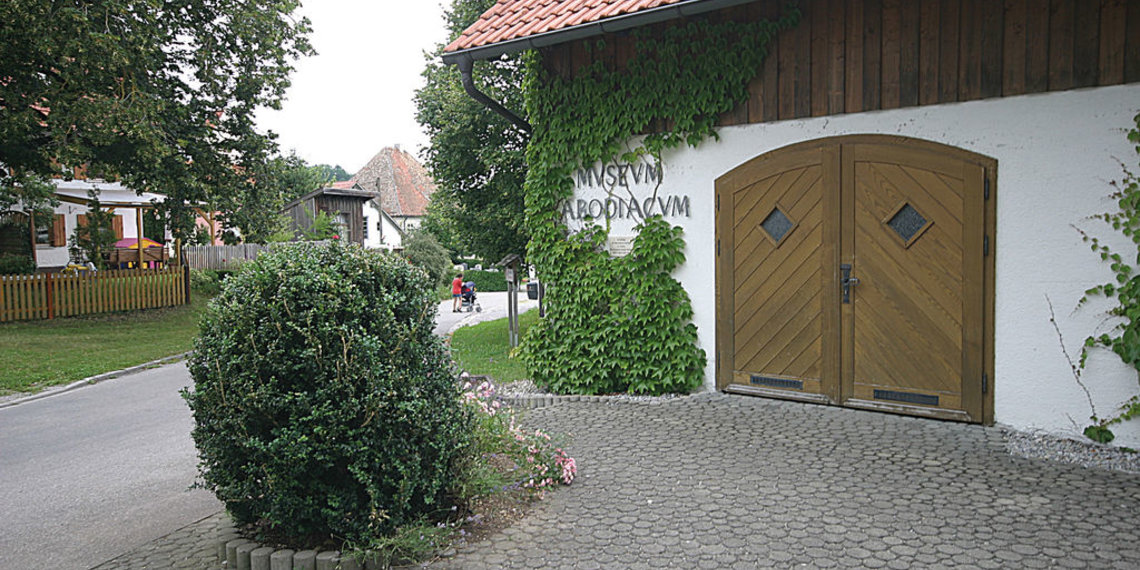

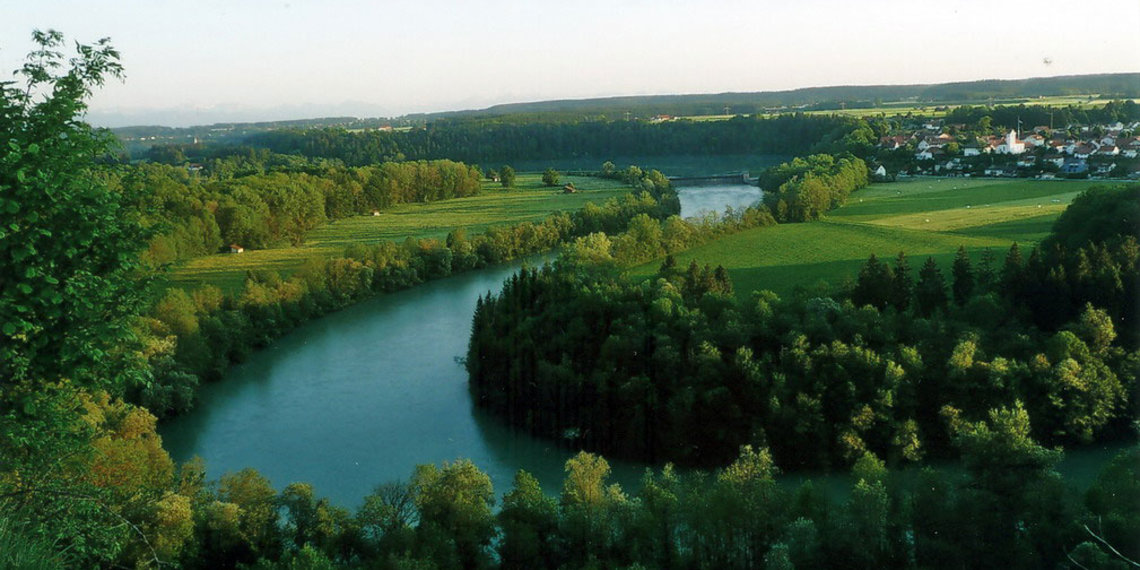
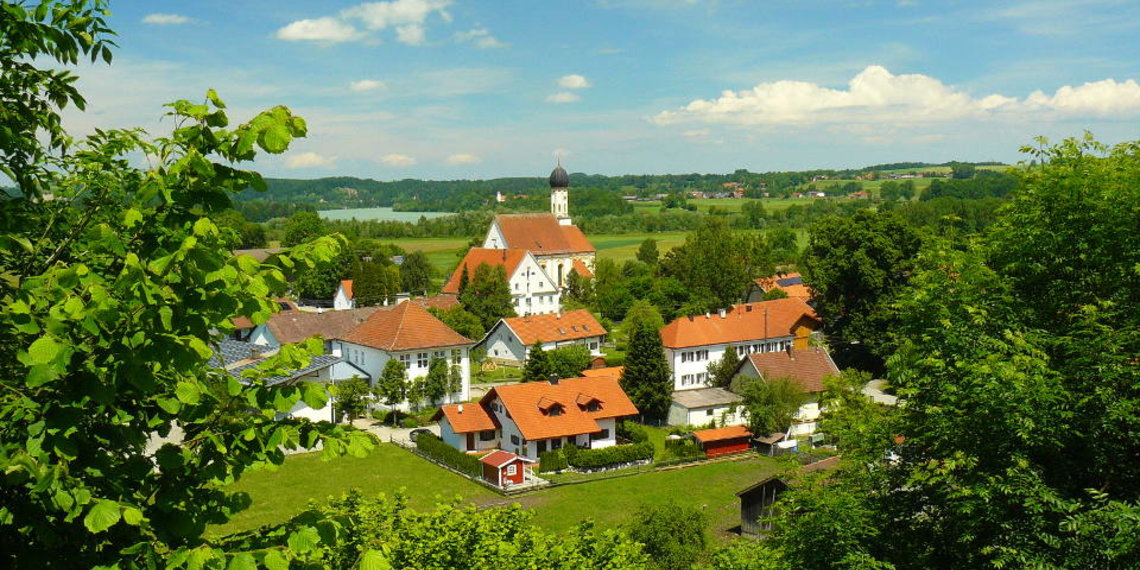
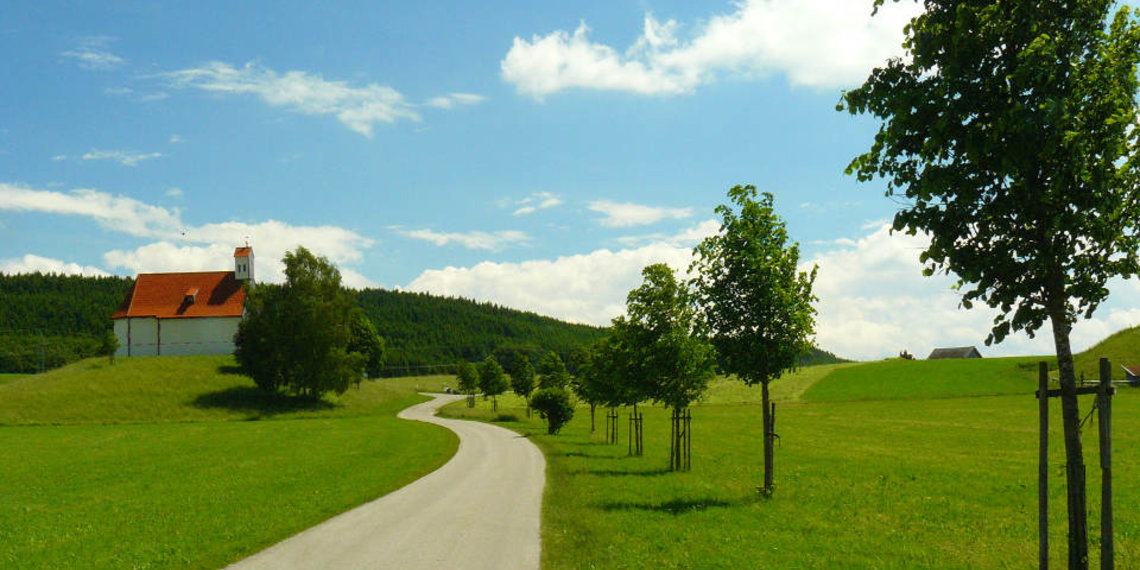
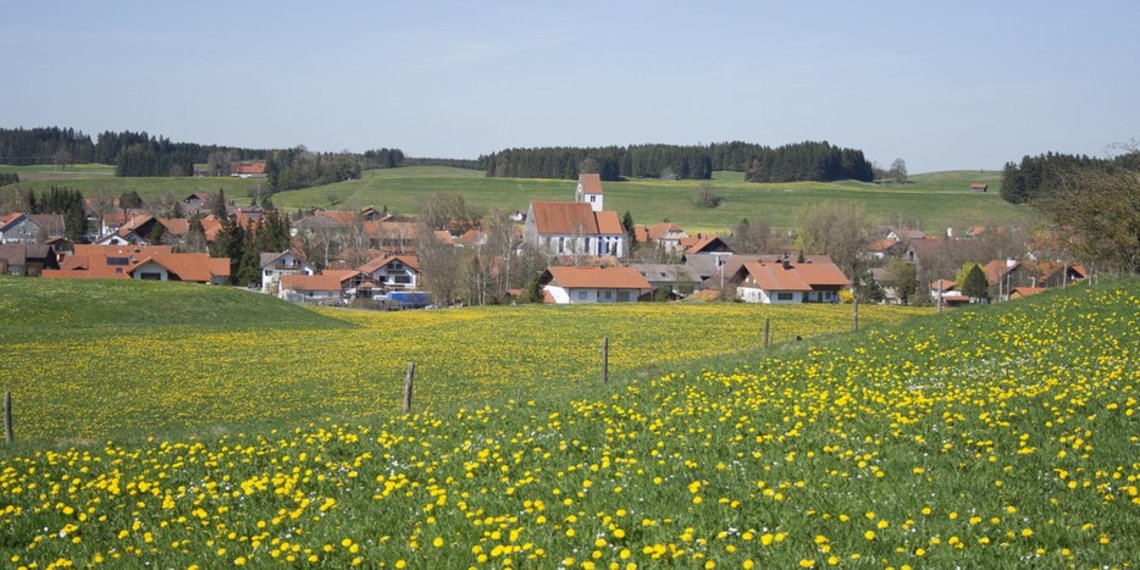

After you leave Landsberg, the cycling route departs from the old Roman road to traverse the picturesque villages of the Fuchstal valley: Oberdießen, Unterdießen, Asch, Leder and Denklingen. It then leads back to the Roman road, which traces the beautiful high banks of the Lech until Kinsau. There used to be a Roman fort on the Lorenzberg, a hill that is now home to the Lorenzkirche (Church of St. Laurence) in Epfach. A little Roman museum shows you what it looked like. Having left Kinsau, the route continues to follow the Roman road through Hochenfurch and Schwabniederhofen before reaching Altenstadt, the original parish of Schongau.
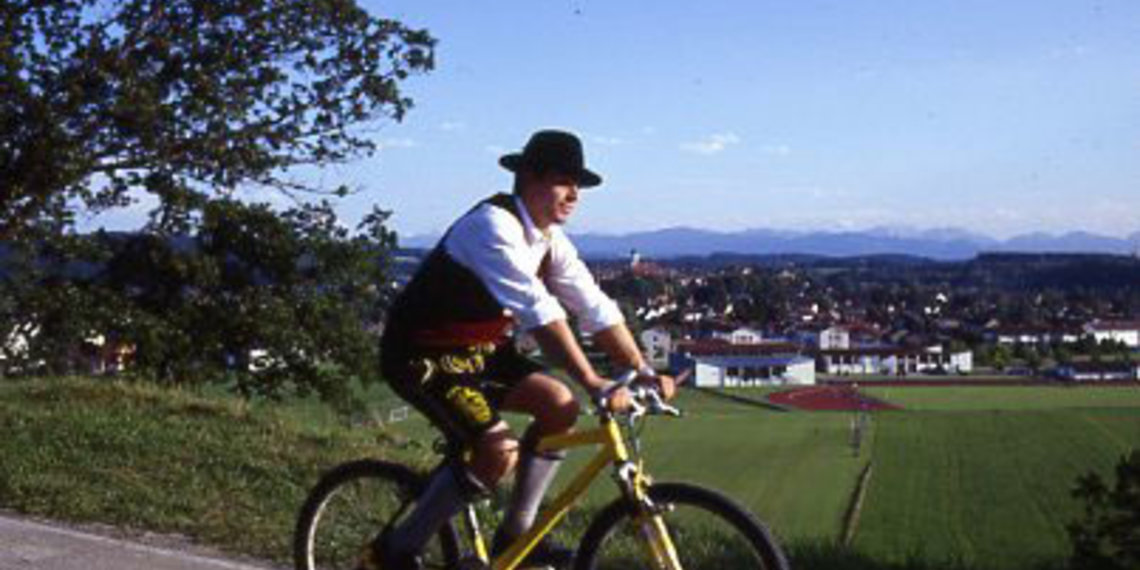
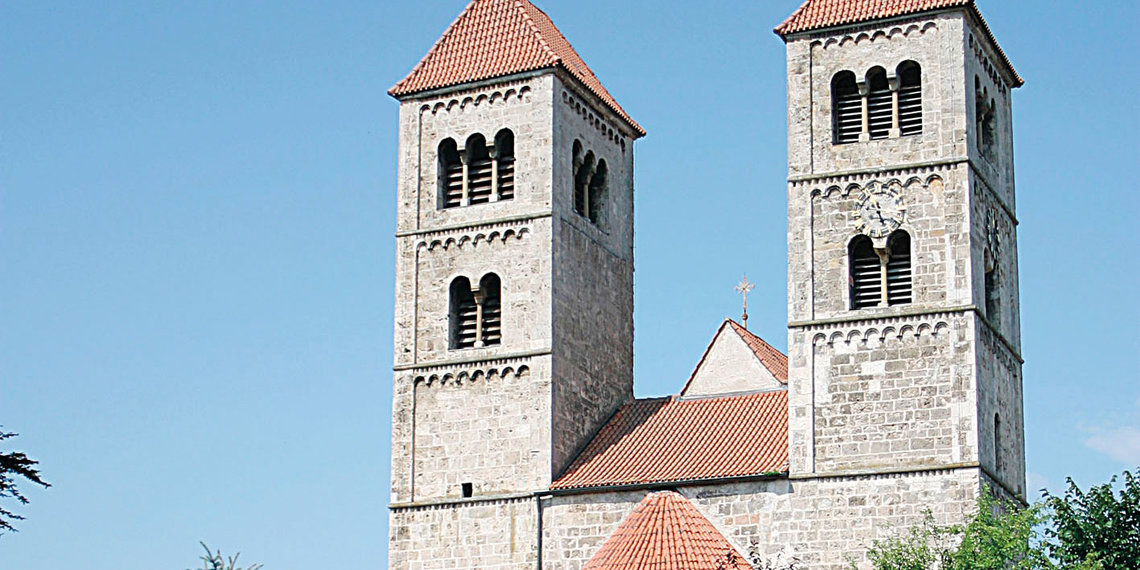
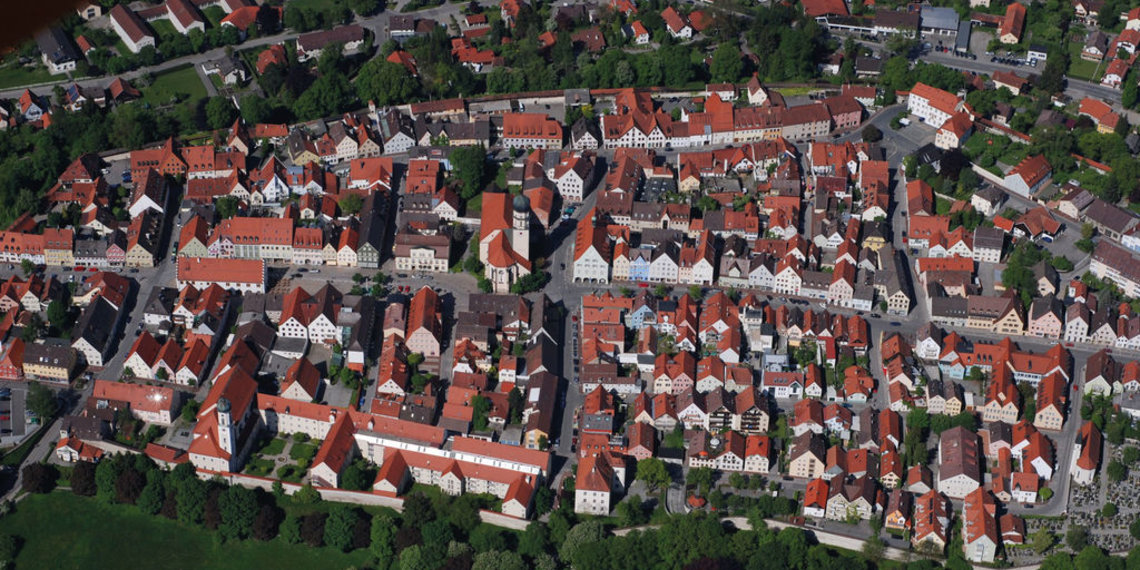
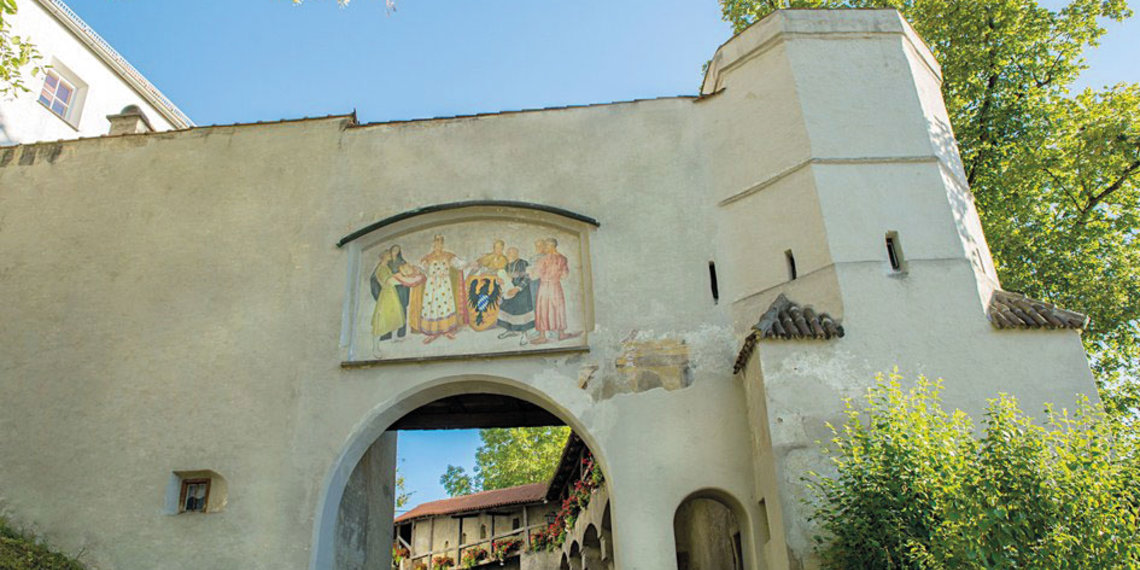
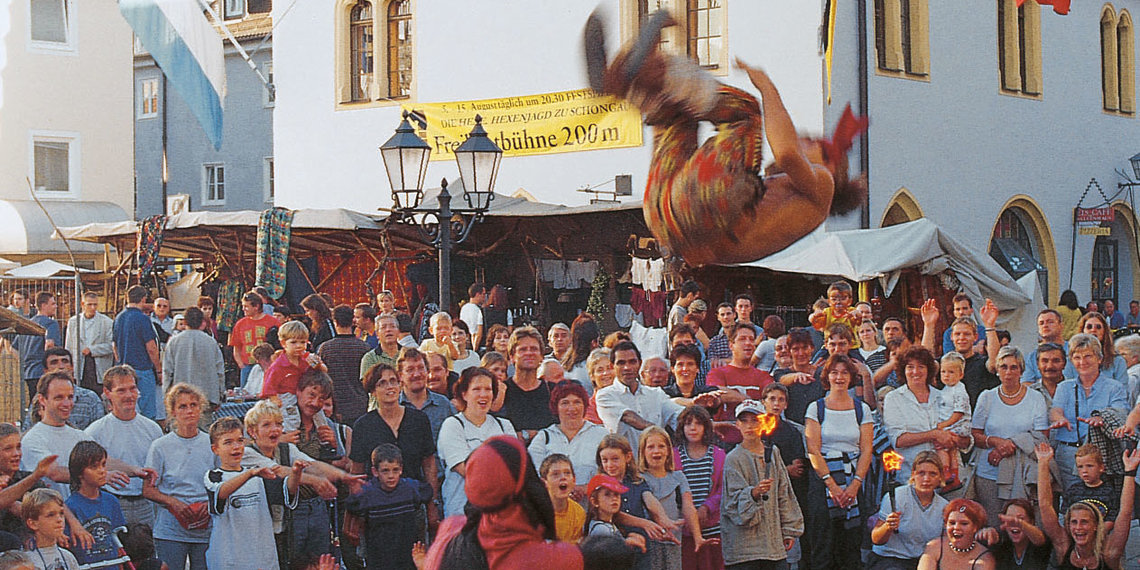
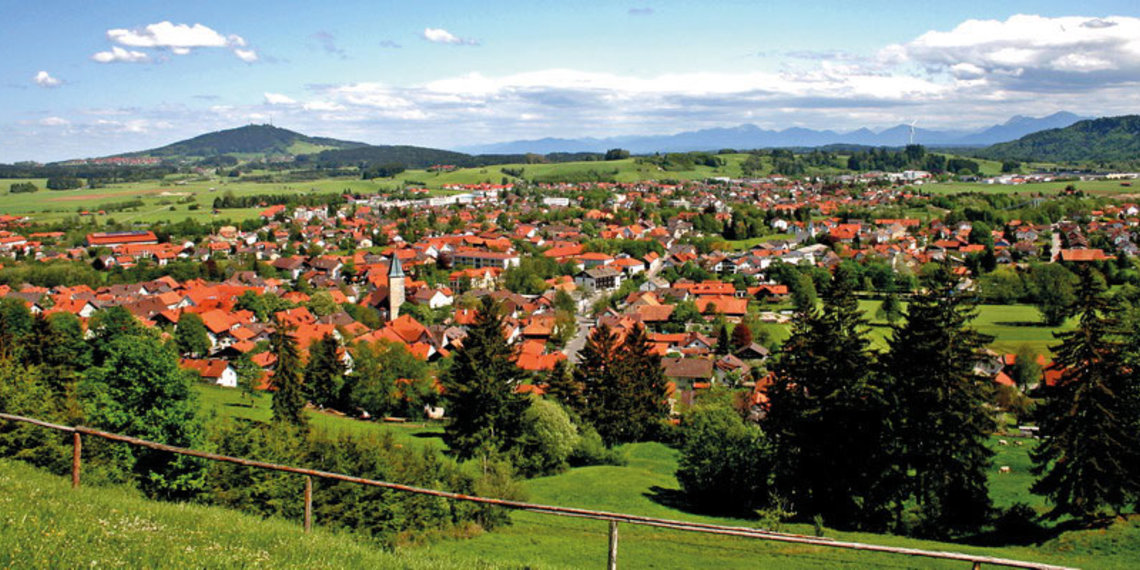
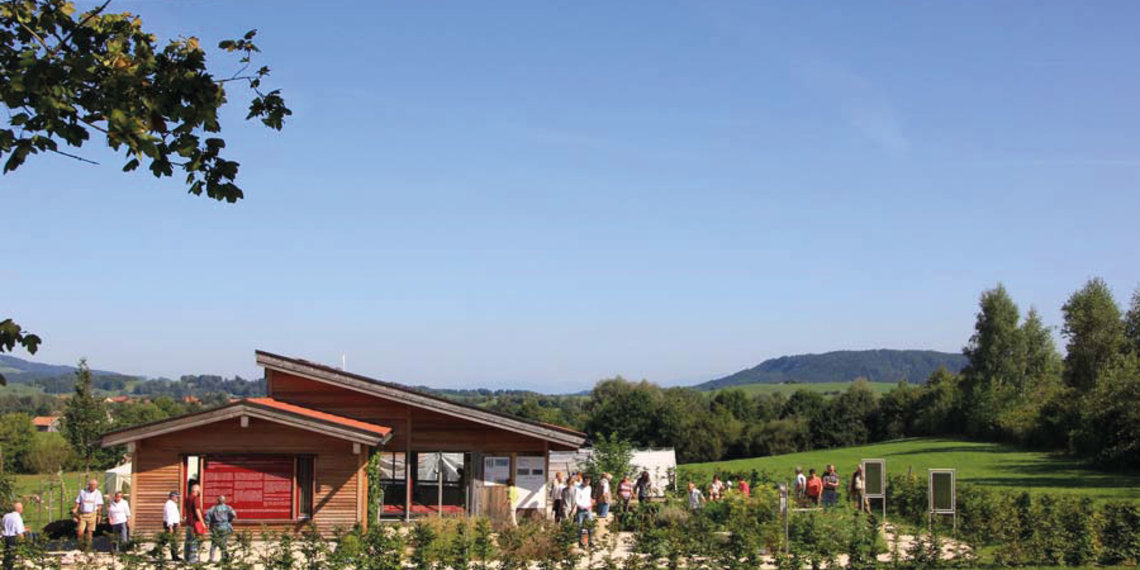
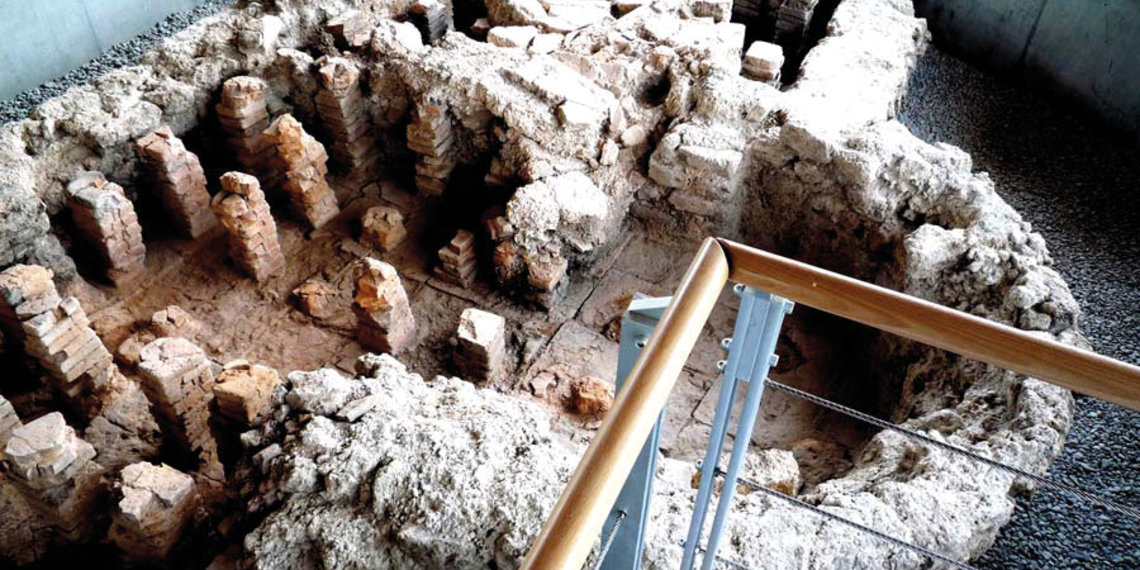
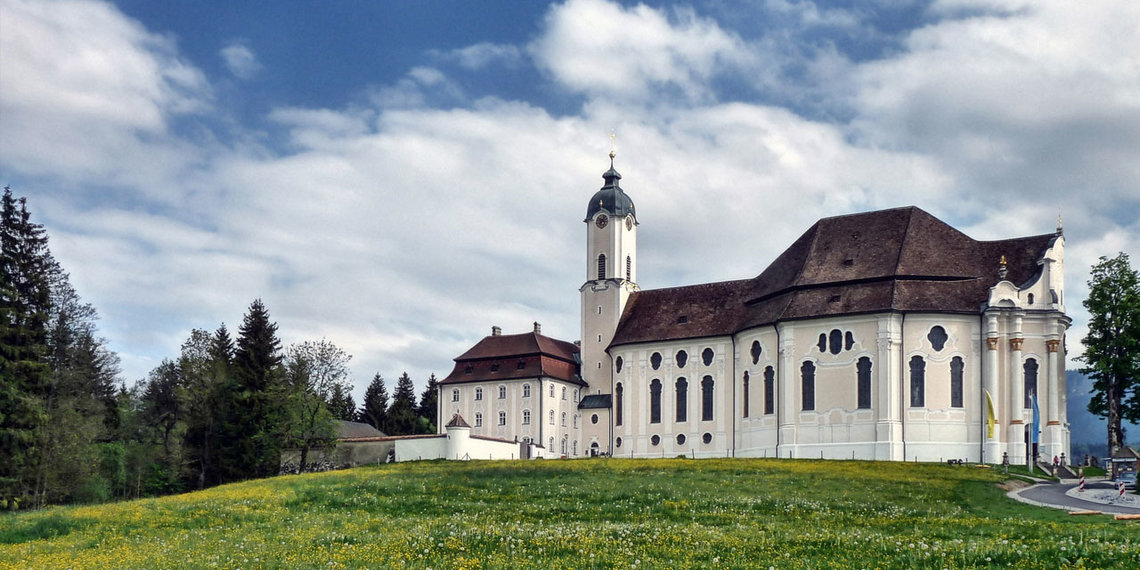
Just before you reach Altenstadt, you are once again faced with a decision: either visit the medieval old town of Schongau and the Villa Rustica in Peiting or trace the Roman road through Altenstadt. In the town of Altenstadt, you can see a reconstructed section of the Roman road and the Romanesque domed basilica. Now, cycle along the outskirts of Schonau towards Burggen.
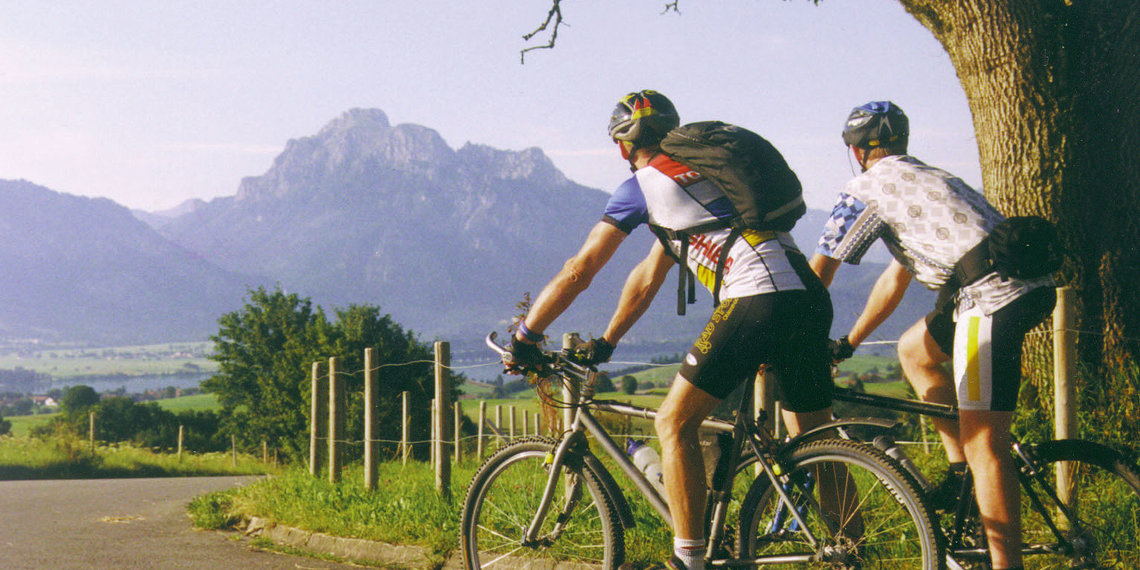
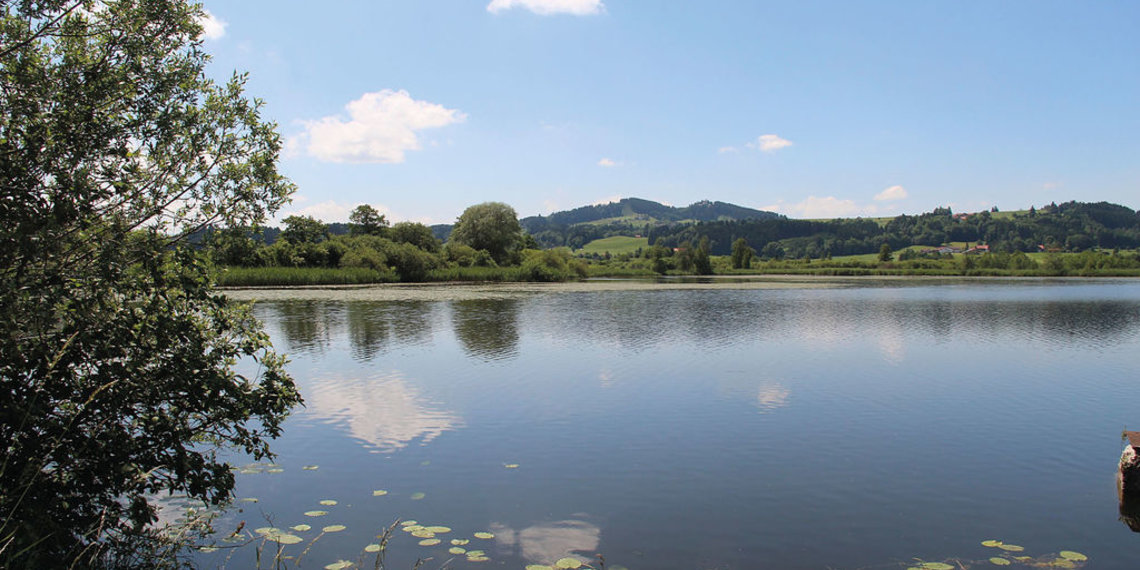

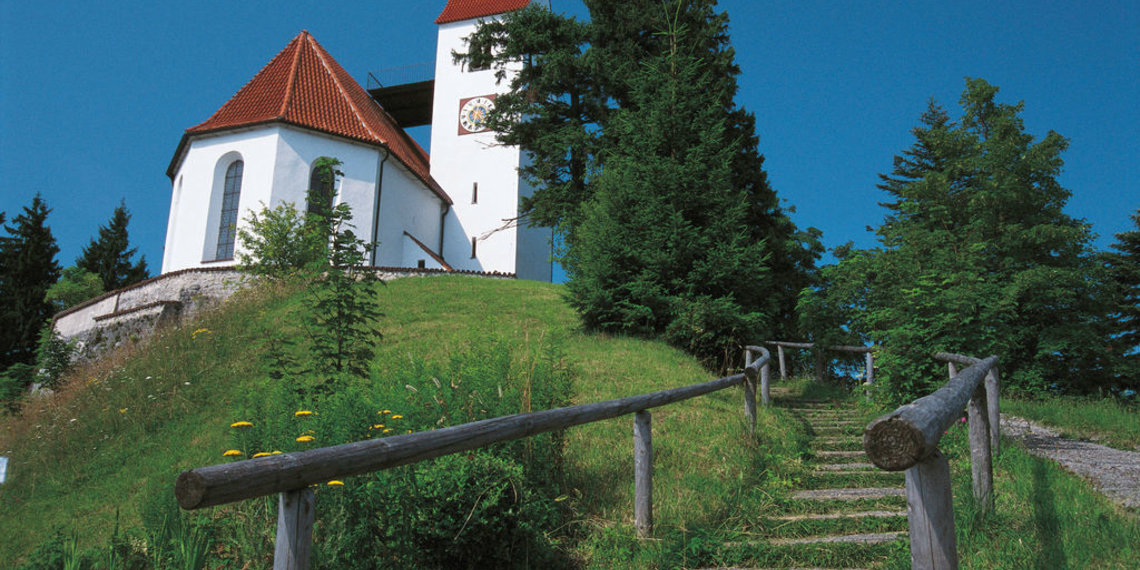
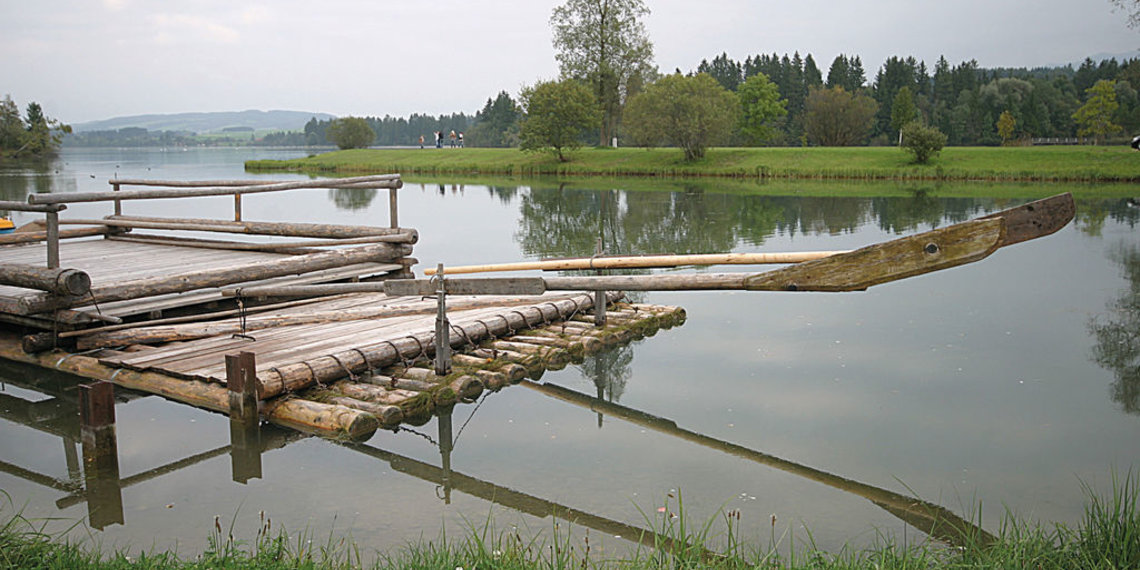
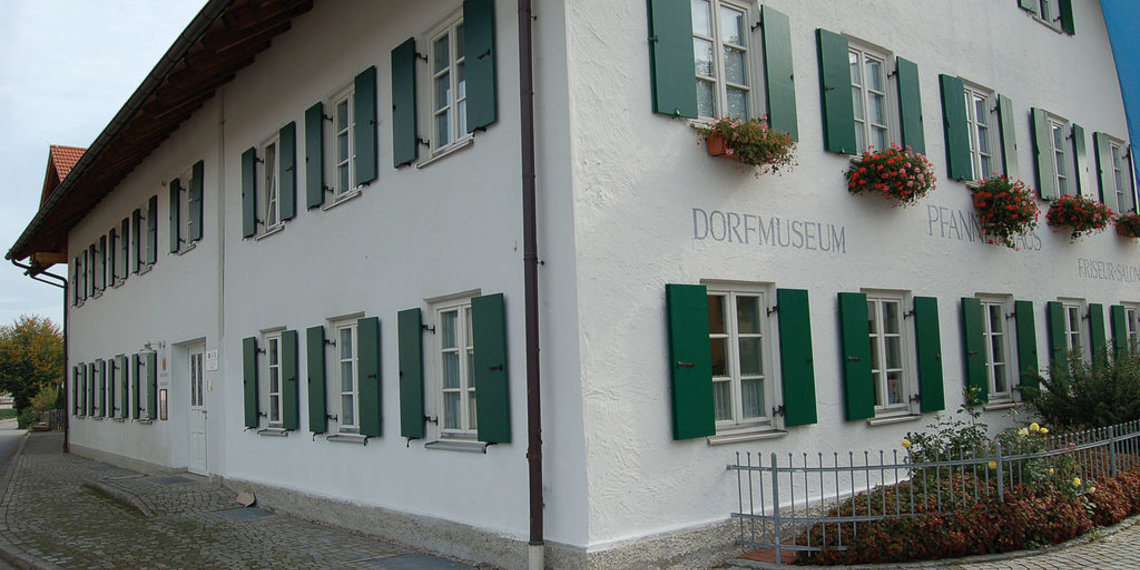

After Schongau, the cycling route leads through the hills of the Allgäu region: verdant forests and lush pastures, richly punctuated by lakes and ponds. This may well be the section of the route that follows the original Roman road for the greatest distance. It first takes you to Burggen, where you can see the St.-Anna-Straße, a listed street lined with typical, regional farmhouses. The next village is Lechbruck am See, a rafters’ village. Consider visiting the Auerberg and Bernbeuren with its Auerberg museum en route. On your way to Rosshaupten, you will pass many ponds, the Sameister-Kapelle chapel, a picturesque rest spot on a hill (featuring a much-photographed replica of a Roman milestone) and the Via Claudia Augusta Kunstpark (an open-air exhibition). Do not miss the Bavarian Via Claudia Augusta documentation center in Rosshaupten. From Rosshaupten, the cycling route follows the shore of the Forggensee reservoir until Rieden, where you can enjoy a ‘Roman beach’. Here, the original road is buried on the bottom of the reservoir. It becomes visible whenever the water level is low.
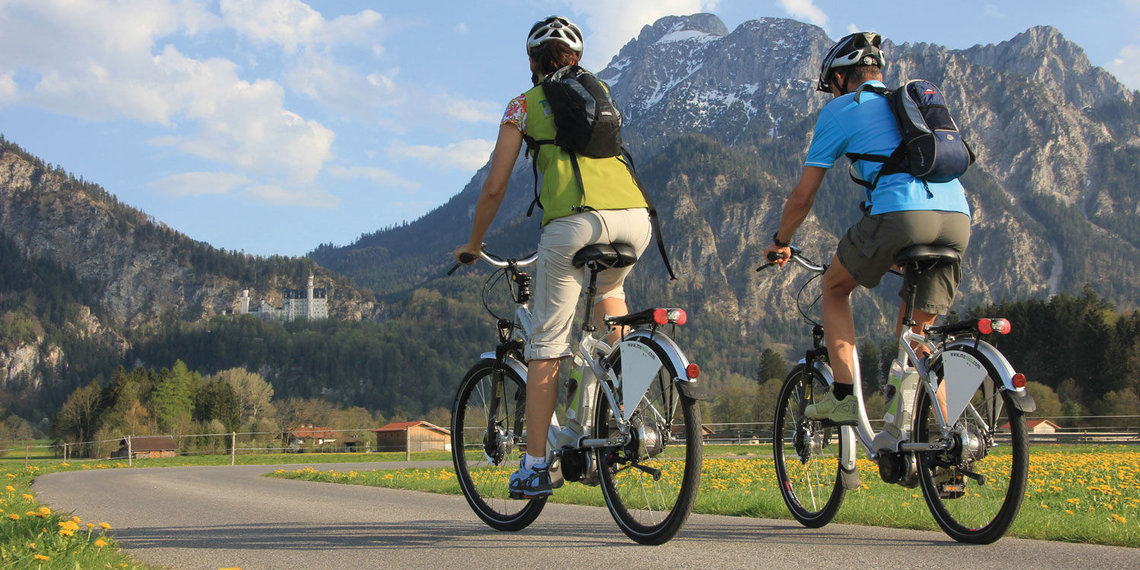
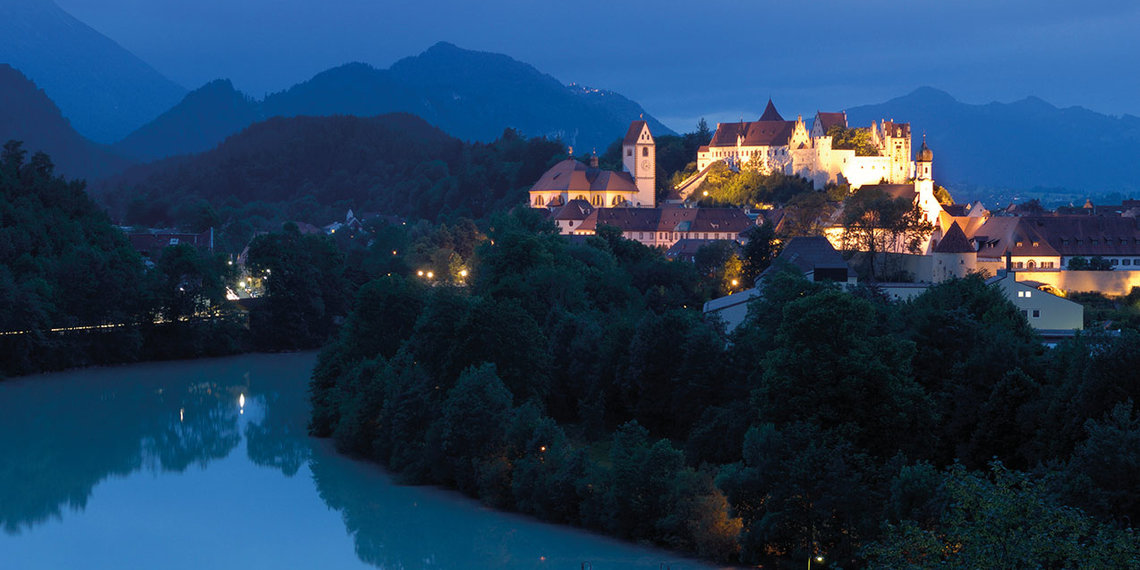
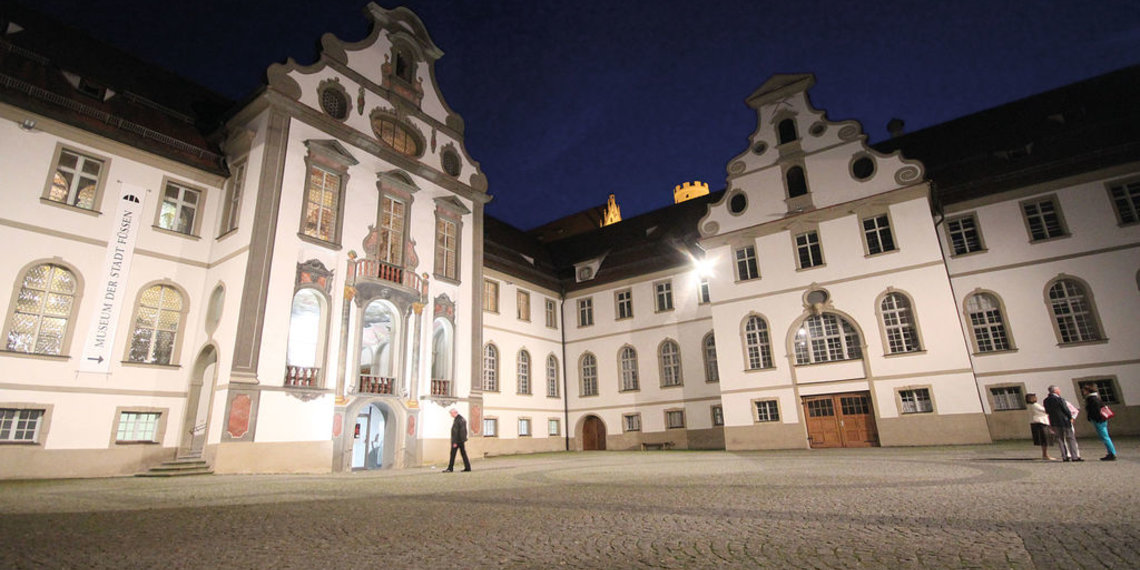

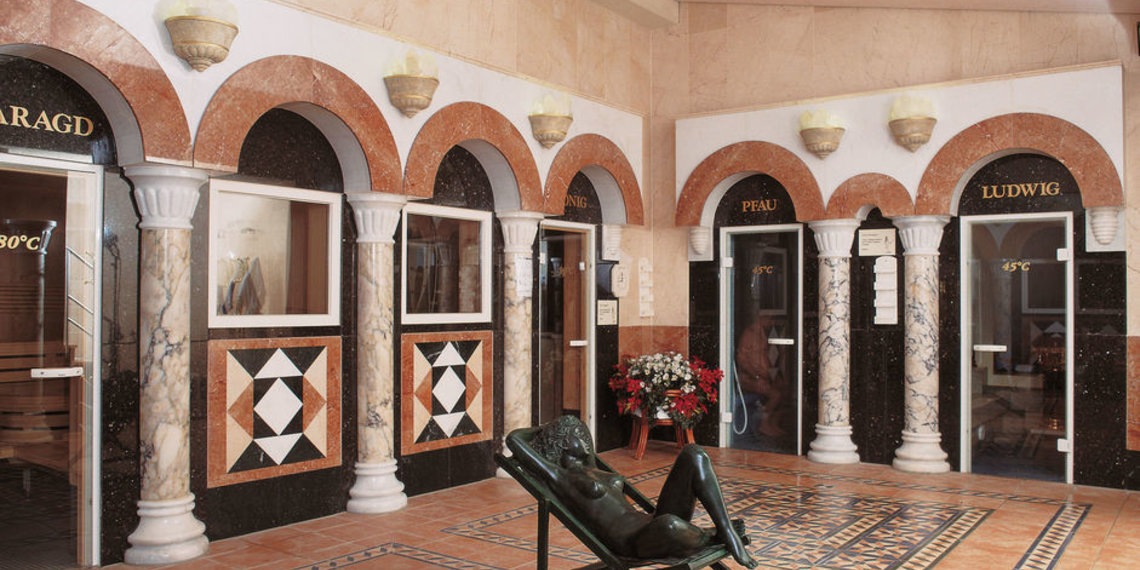
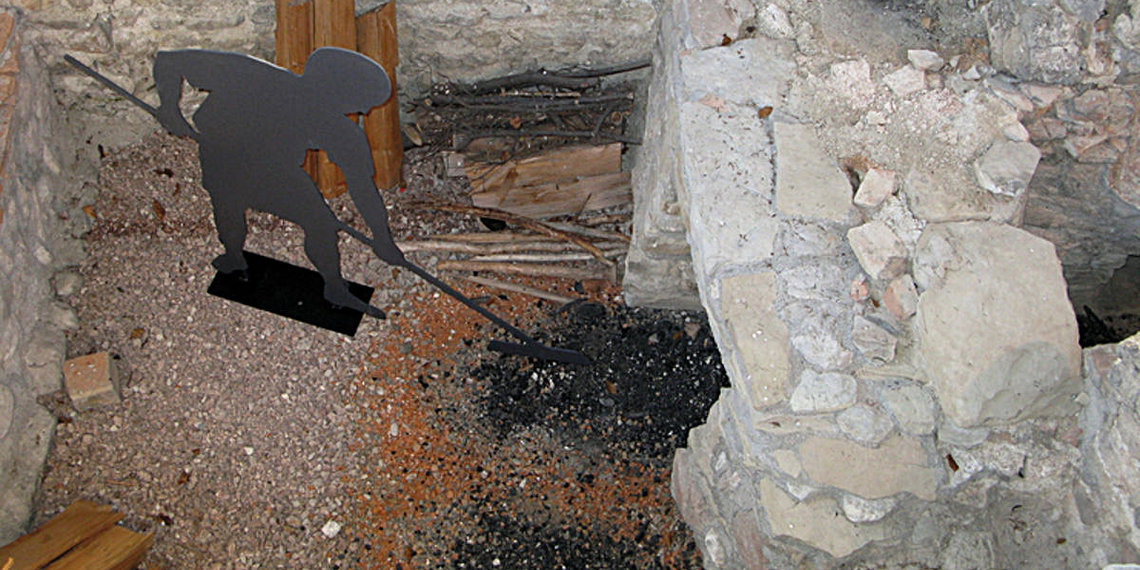
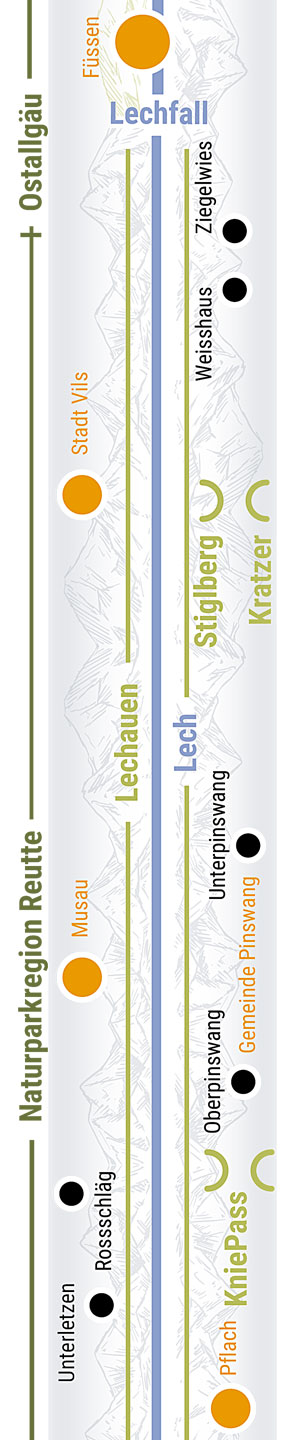
Initially, the route continues to run along the shore of the Forggensee reservoir. You are constantly treated to spectacular views of Neuschwanstein Castle and the city. The first landmark you will spot in Füssen is ‘Ludwig’s Festspielhaus’, a musical theater. Up until the tourist information office, you will be cycling along the old Roman road. From there, push your bike - on the original route - through the old town. The Reichenstraße is a pedestrian area today. Look up and you will see the High Castle of Füssen towering above the town. The actual cycling route runs around the west of the town center. At the bridge over the Lech river, you can take a detour to Schwangau and the famous royal castles of the region. Alternatively, you can head straight to Pinswang in Tyrol along the partially graveled ‘Fürstenweg’ road. After crossing the bicycle bridge in Füssen, the route follows the Lech before taking you Tyrol along a beautiful country road.

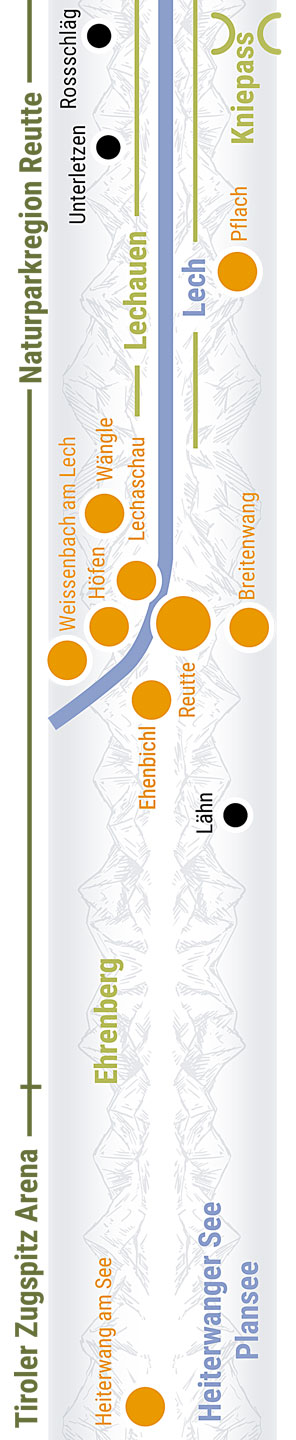
Text of the historical map of ...
100 AD
Gateway to the Alps
The Roman road entered the Alps as if through a gateway. As the Lech often occupied the entire valley, it already had to overcome two elevations up to the Reutte valley basin – between Stiglberg and Kratzer and at the Kniepass. The route of the Roman road remained in use until 1784 and the modern road still crosses the Kniepass today. Before climbing to Ehrenberg, the Via Claudia Augusta passed through the municipality of Breitenwang, where a road station (mansio) and the fifirst small settlement in the valley basin are thought to have been located. Reutte developed at a later stage – on the salt road. Breitenwang still remains the district’s ecclesiastic centre today.
1504
Reutte flourishes
With its extensive floodplains, the Lech also shaped the valley basin back in 1504 that depended significantly for its livelihood on the salt road between Hall in Tirol and the Lake Constance area. A bridge was built in 1464 between Lechaschau and Reutte that replaced the Lech ford near Höfen. With its salt depot and numerous roadside inns, Reutte grew into the centre of the Ausserfern district and in 1489 it was granted market rights by Sigesmund “the Rich”. Ehrenberg Castle throned above the valley. A wall blocked the gorge and all traffic had to pass through the customs station gate. There was an ironworks near Pflach. Vils, not yet part of Tyrol, was a town since 1327 and enclosed by a wall with two gates in the north and south.
1780
strongly fortified
Numerous fortifications in the border area between Bavaria and Tyrol shaped the area around 1780. In addition to the dam at Ehrenberg that had grown around two further fortresses, there were several outer fortresses. The market town of Reutte at their feet already had around 1,000 inhabitants and several new roads were completed. The road from Reutte via Vils to Kempten now passed by the walled city to the south, while that from Füssen to Pinswang went around the Stiglberg. The Ulrichs-brücke bridge was not constructed until 1914. Shortly after the turn of the century, the existing Bavarian local railway was also extended to join the Ausserfern railway that initially went to Reutte. The river was largely unregulated even around Reutte.
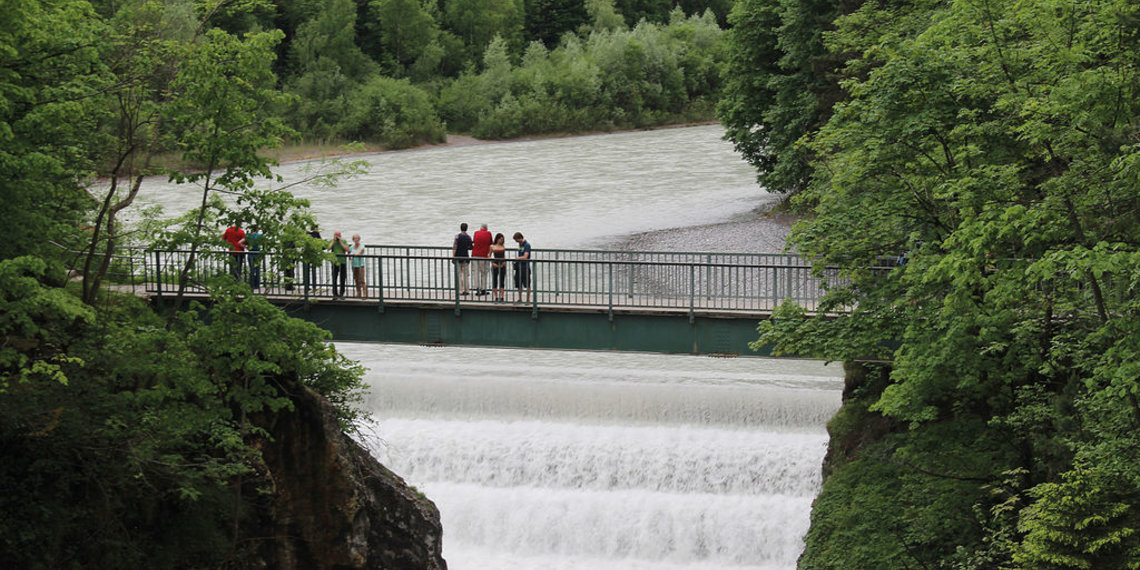
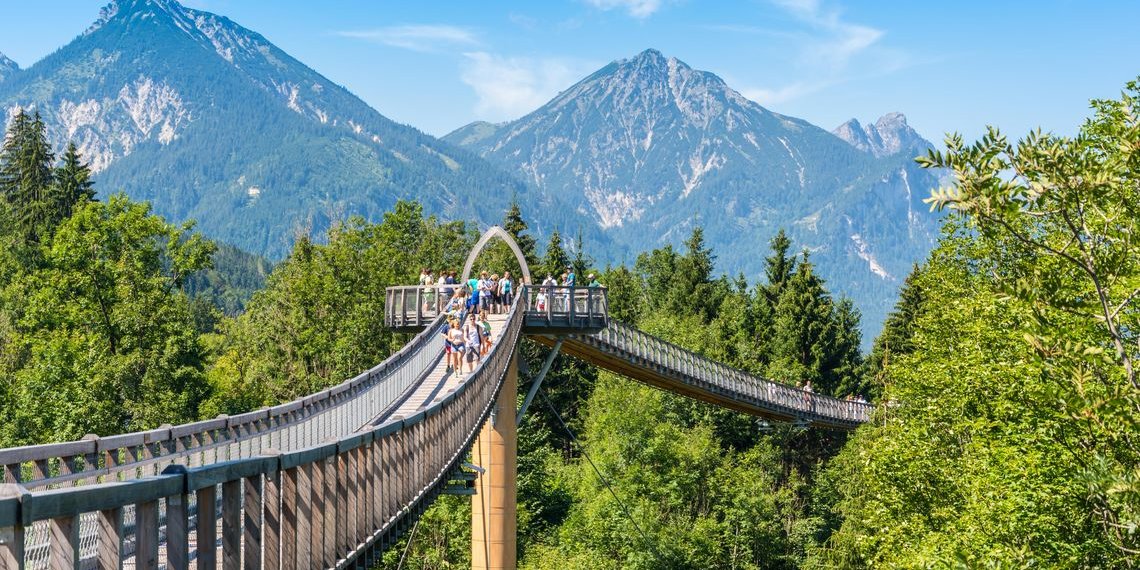

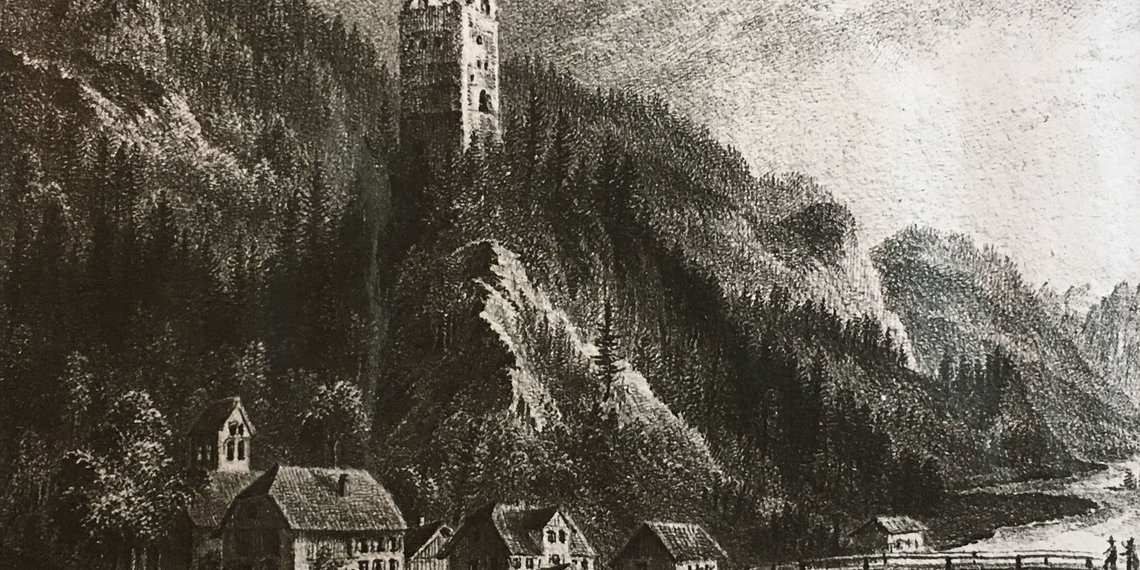
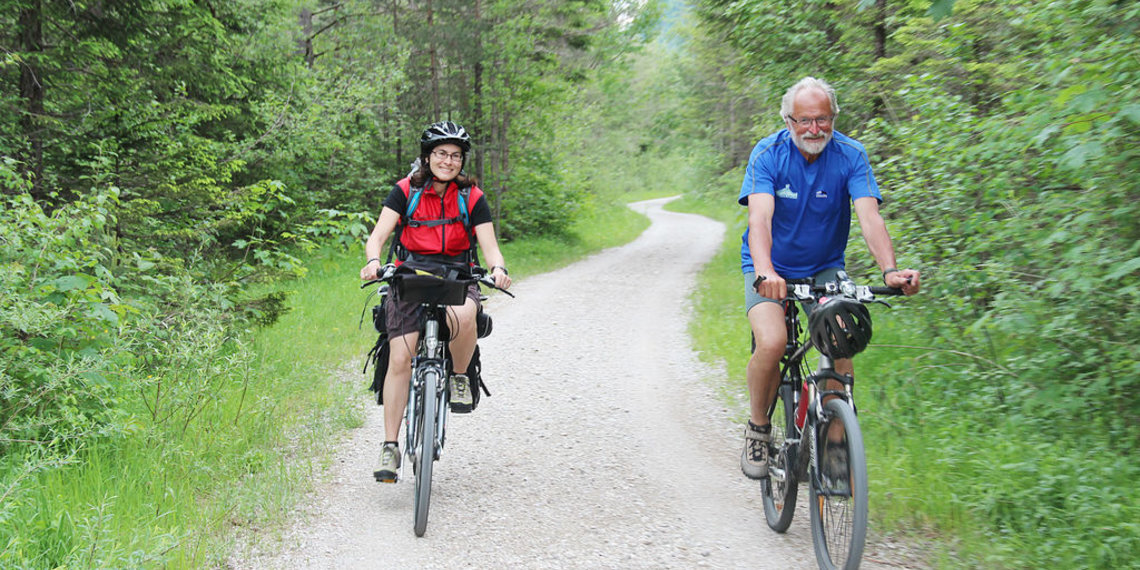
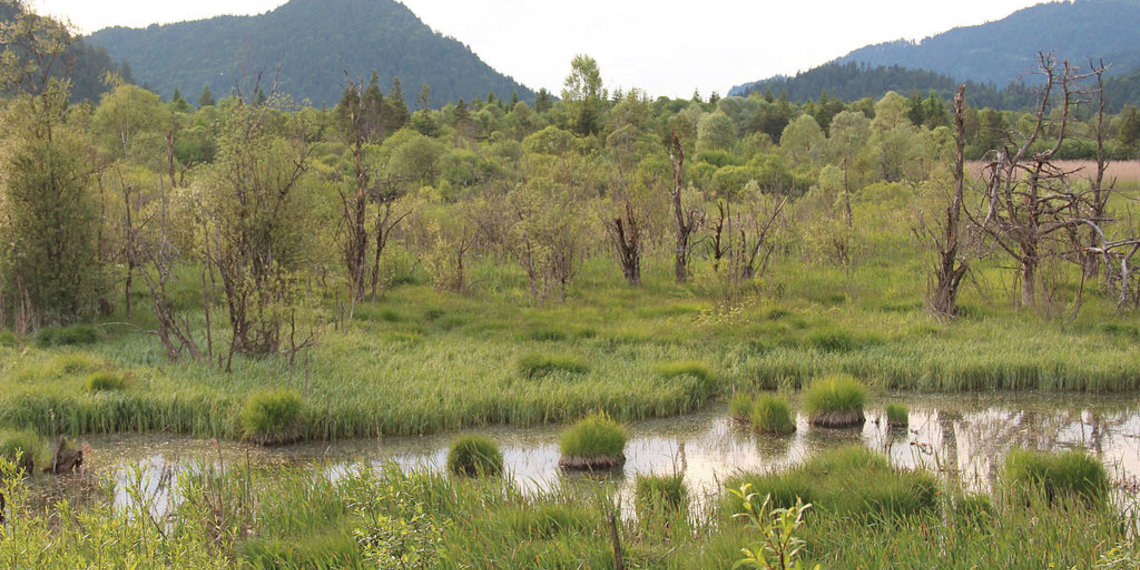
Leave the old town of Füssen and cross the Lech river. Make sure you look back at the town from the south bank of the river: the view is wonderful! As you enter Austria, the cycling route runs parallel to the Lech river and the picturesque, old country road, parts of which are lined with trees. It departs from the river to cross the quaint villages of Unterpinswang and Oberpinswang before crossing the Kniepass to Pflach, just like the old Roman road did. At the edge of the Lech floodplains, the route crosses verdant pastures to lead you into the district capital of Reutte.
For information, contact
Via Claudia Augusta Info
www.viaclaudia.org/en
info@viaclaudia.org
0043 664 27 63 555
For specific questions about the region, contact the
tourist board of the Reutte nature reserve region.
www.reutte.com/en
Untermarkt 34, 6600 Reutte
info@reutte.com
0043 5672 62336 40
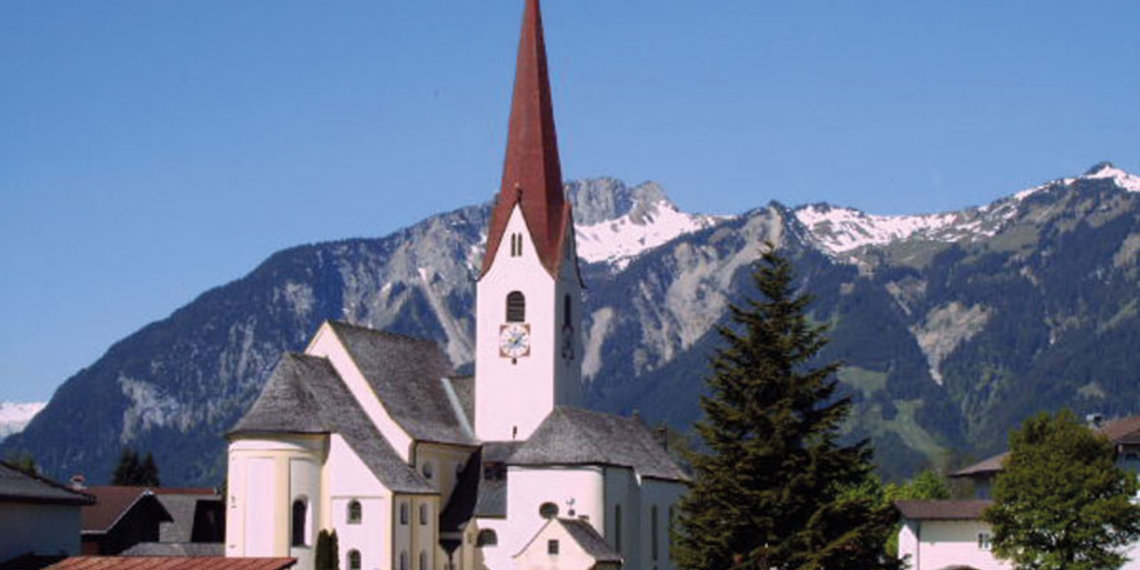
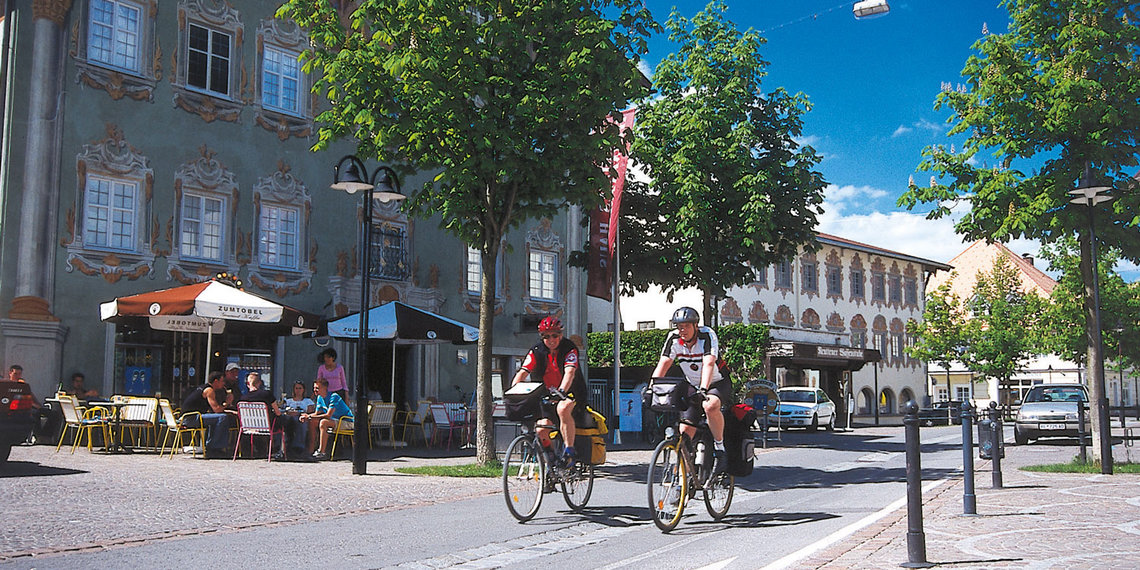
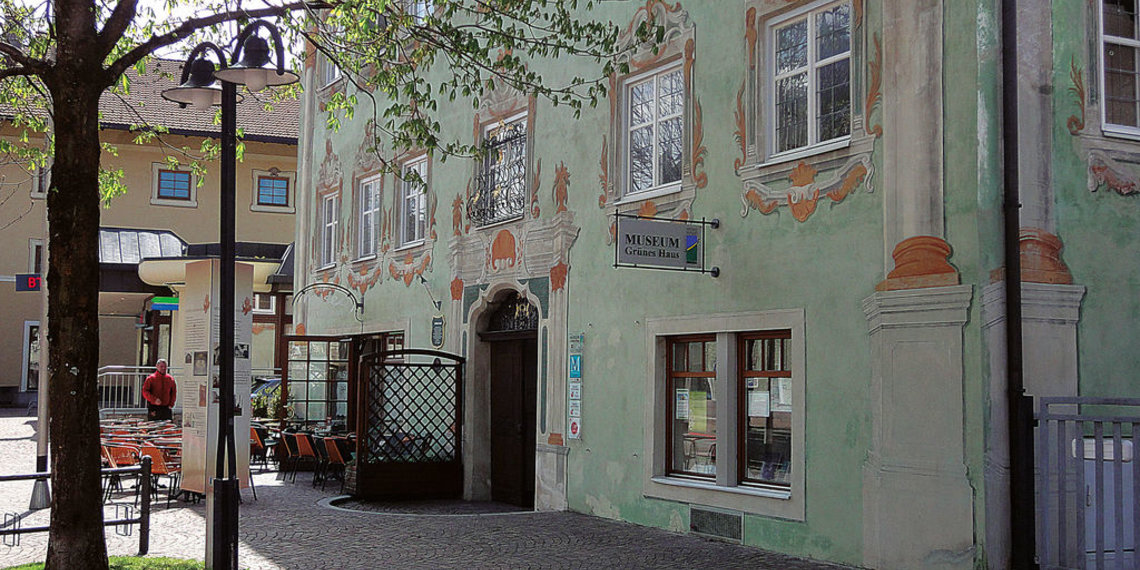
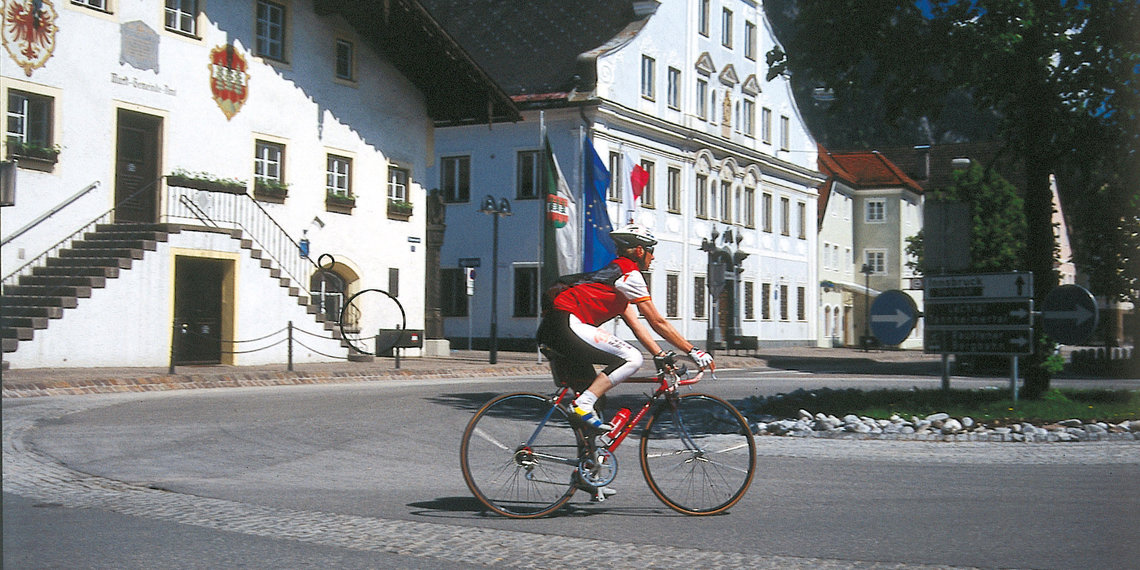
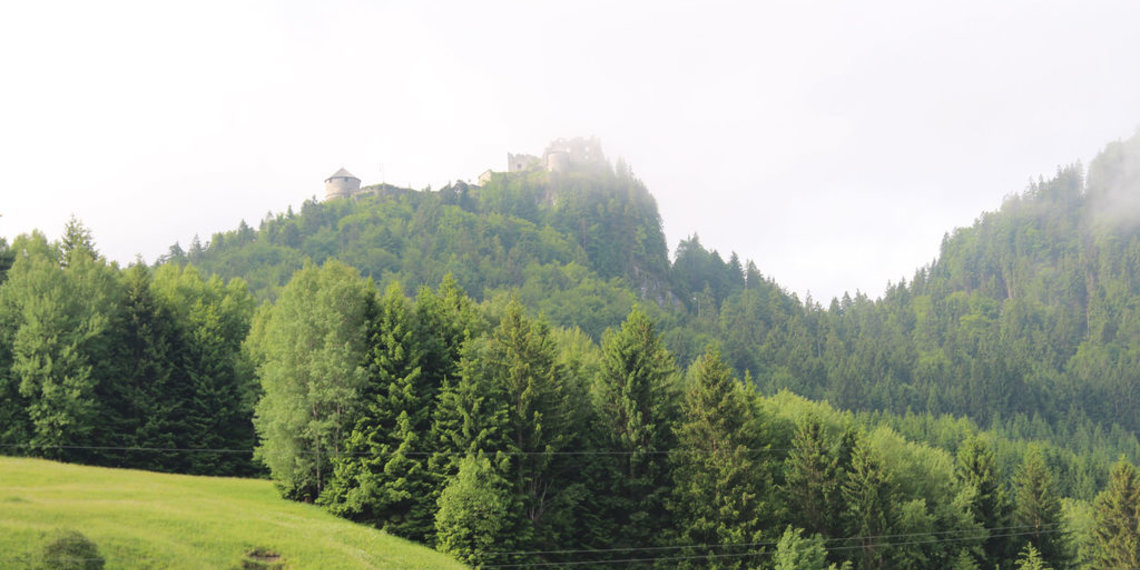
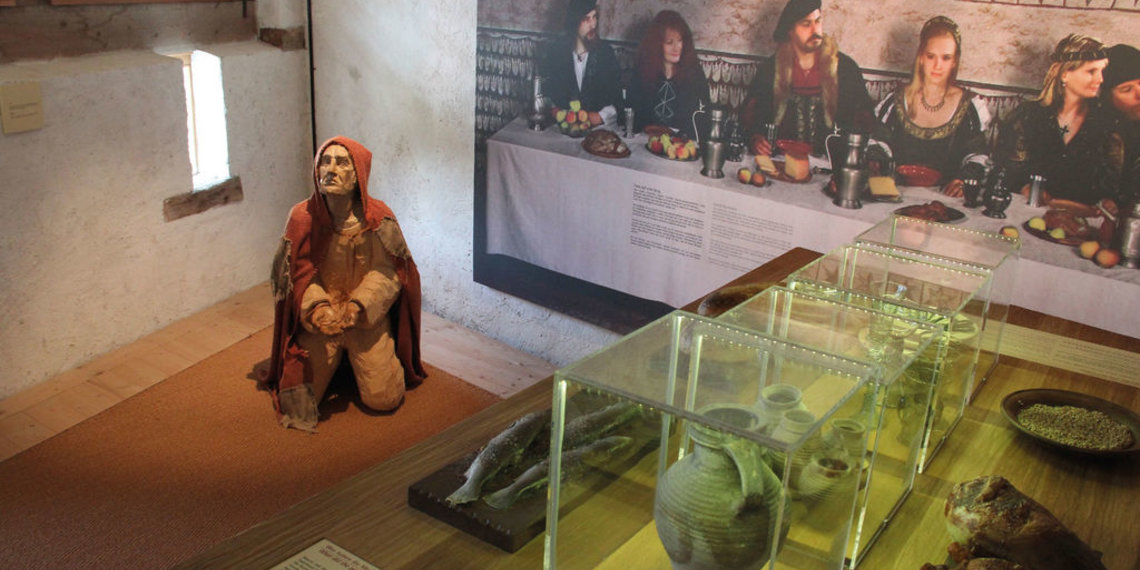
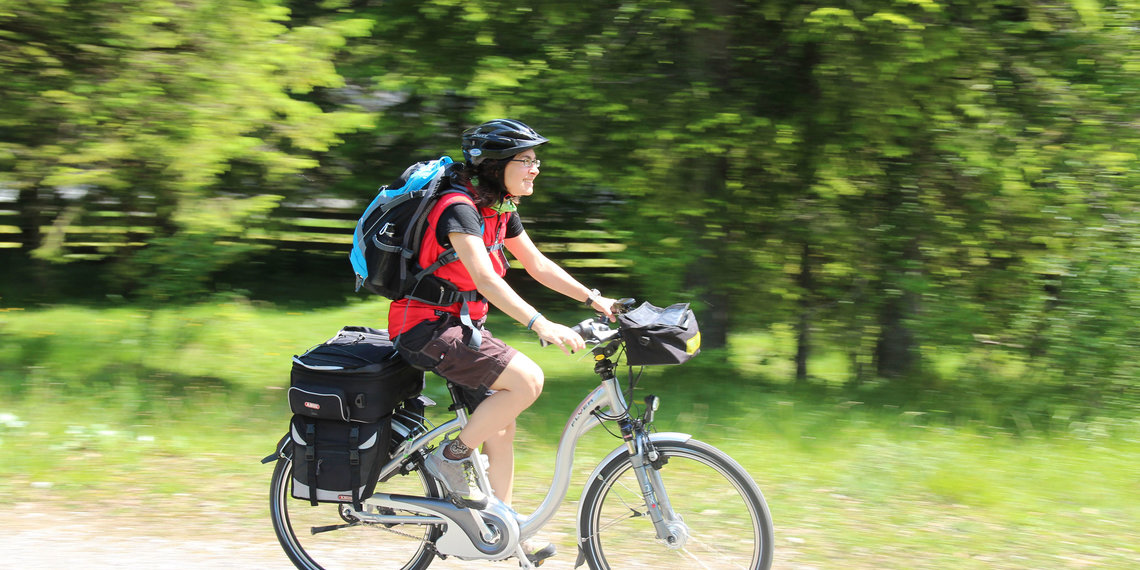
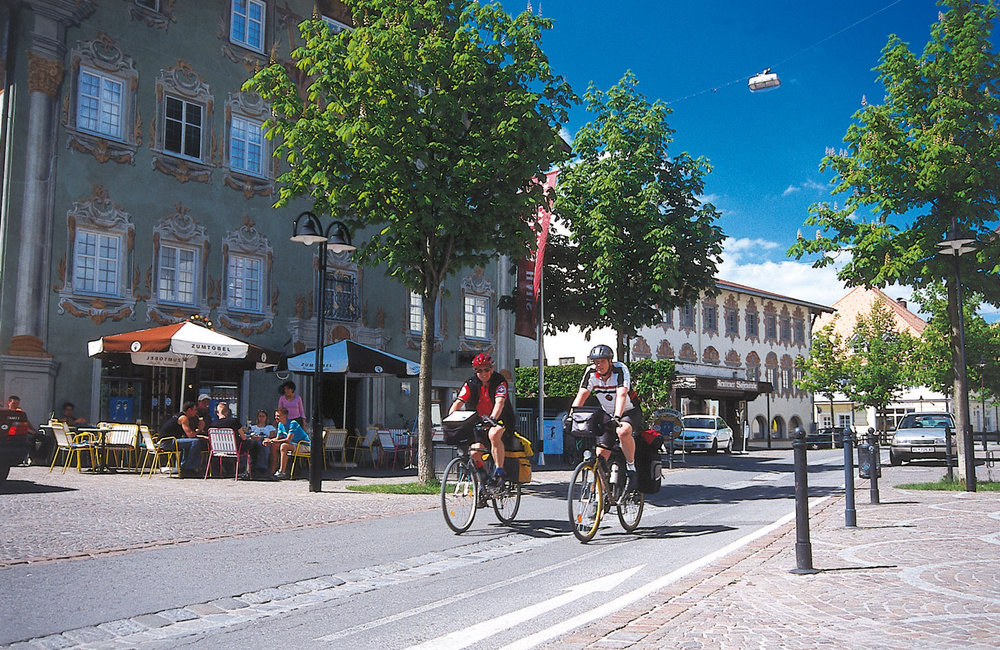
The cycling route runs from the fields near the Lech into the center of the market town, where it initially takes you through the Untermarkt pedestrian area. At the roundabout, you enter the Obermarkt. You are now cycling along the salt road. Do not miss the turns leading towards the hospital and, a little later, to Ehrenberg. As you ascend the hill towards Burgenwelt Ehrenberg (the Ehrenberg castle ensemble), the steeper salt road gives way to a gravel path. Unfortunately, the steadily ascending Roman road has only been preserved partially.
For information, contact
Via Claudia Augusta Info
www.viaclaudia.org/en
info@viaclaudia.org
0043 664 27 63 555
For specific questions about the region, contact the
tourist board of the Reutte nature reserve region.
www.reutte.com/en
Untermarkt 34
info@reutte.com
0043 5672 62336 40


Text of the historical map of ...
400 AD
Masterful roads
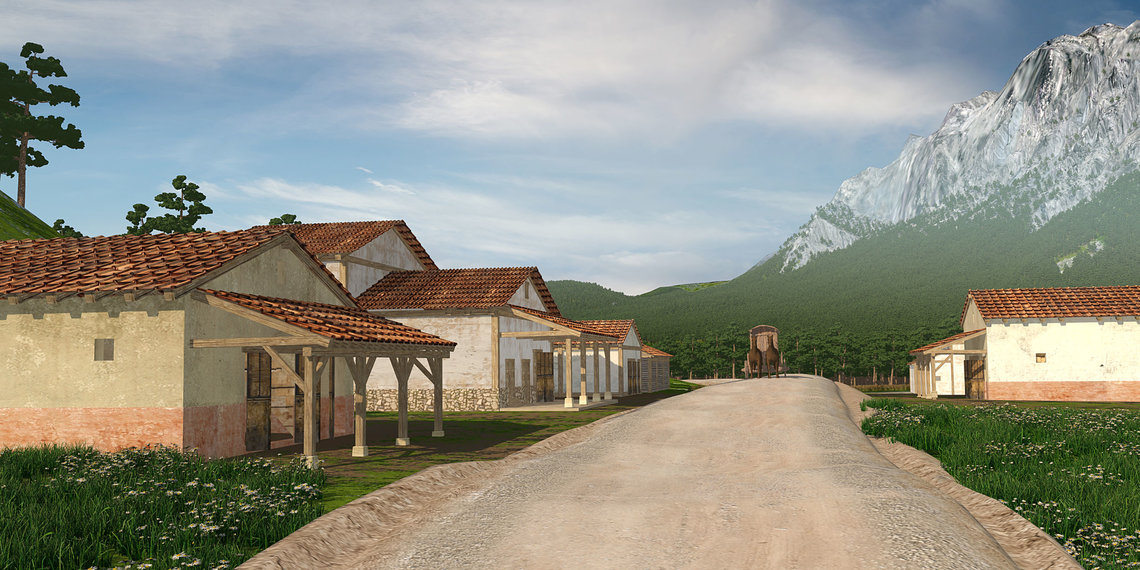
The aim of the Roman road builders was to construct the quickest route from the Adriatic and the Po to the limes. Even in Tirol the Via Claudia Augusta therefore only has four hairpin bends. Nevertheless, the ffiirst trans-European road has a relatively constant incline even over the challenging sections across the passes. Another outstanding feat is the section on 1,000 tree trunks across the ‘Moos’ wetland habitat between Lermoos, Ehrwald and Biberwier, near to which two settlements were located – one in Ehrwald that already existed before the arrival of the Romans and continued to exist during the Roman era, and one founded by the Romans in the area surrounding the road station in Biberwier, immediately in front of the Fern Pass.
1599
Living from the road
While the Roman road was sustained by the fiffiirst European single market with no customs or tolls, the era of the salt road was shaped by the transport of goods. The local residents had the exclusive privilege of transporting certain goods such as salt from one place to the next. The population along the route benefiffiited from both of these systems. The population of Zwischentoren, the area between the Ehrenberg and Fernstein gates, is thought only to have become properly aware of this when the Arlberg Pass was made navigable again. As the traffiffiic shifted away, they became desperately poor. After meeting to say farewell at Austria’s only guild church in Bichlbach, many people from the Ausserfern district were forced to move as building workers to the neighbouring regions to the north. Children also moved away as ‘Swabian children’.
1926
Further development
A new wave of development started in the second half of the nineteenth century from Zwischentoren, the area between the two gates of Ehrenberg and Fernstein through which the Fern Pass road passed until 1856. It was then that today’s road was built. In 1913 the Ausserfern railway was extended that had previously terminated in Reutte. As an alternative to the completed route via Garmisch and on to Innsbruck, there was also talk of a line across the Gaistal, Leutasch and Seefeld. Furthermore, there were plans for a rail link to Imst with a summit tunnel through the Fern Pass of the sort currently being planned for cars. The Tyrolean Zugspitze Railway was one of the fiffiirst mountain railways and promot
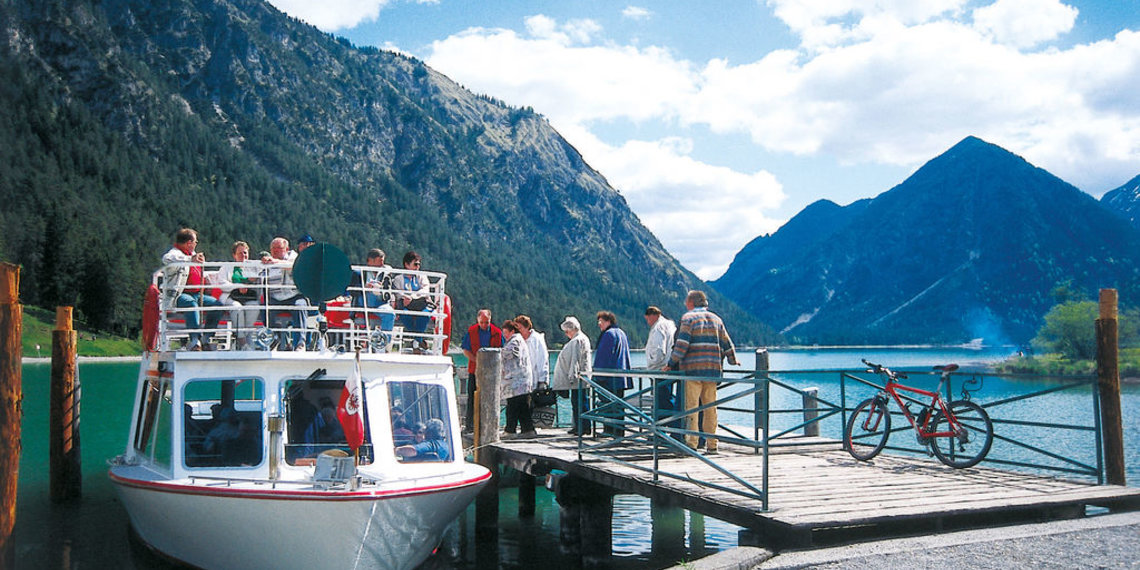

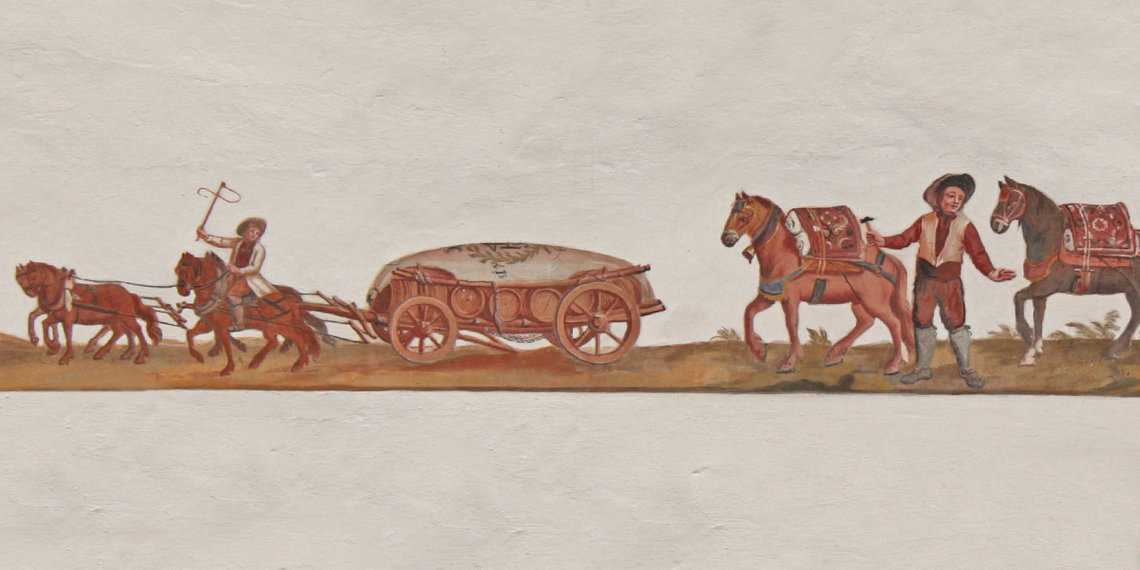
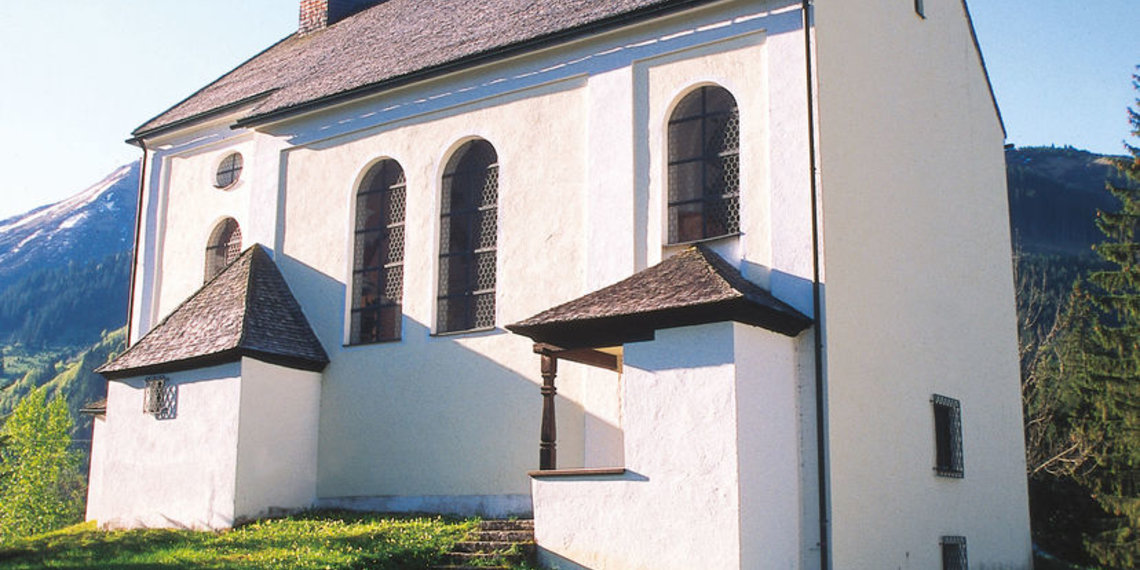

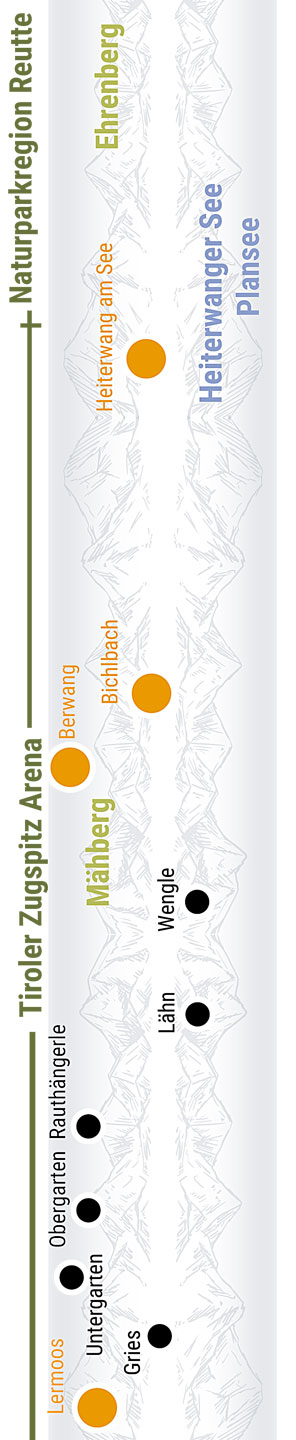
Just like the Roman route and the salt road, our cycling route runs through the gate of the Klause Ehrenberg fortress. For many centuries, this was the only way of crossing the reservoir, where carters had to pay a toll. The route then continues along forest trails to Heiterwang am See, taking you through the Klausenwald forest. You will be following the old Roman road all the way to the edge of the town. The salt road will lead you through the town itself in a wide circle. Continue to Bichlbach along picturesque pastures. In the distance, you will see the Mähberg, a mountain whose pastures were mowed until the late twentieth century. The cycling road takes you through Bichlbach along the Dorfstraße, which is largely equivalent to the Roman road. Cycle past pastures and through forests to reach Wengle, Lähn and the valley between Lermoos, Ehrwald and Biberwier.
For information, contact
Via Claudia Augusta Info
www.viaclaudia.org/en
info@viaclaudia.org
0043 664 27 63 555
For specific questions about the region, contact the
tourist board of the Tiroler Zugspitz Arena.
www.zugspitzarena.com/en
Oberdorf 5, 6611 Heiterwang am See
Wahl 31a, 6621 Bichlbach
info@zugspitzarena.com
0043 5673 20000
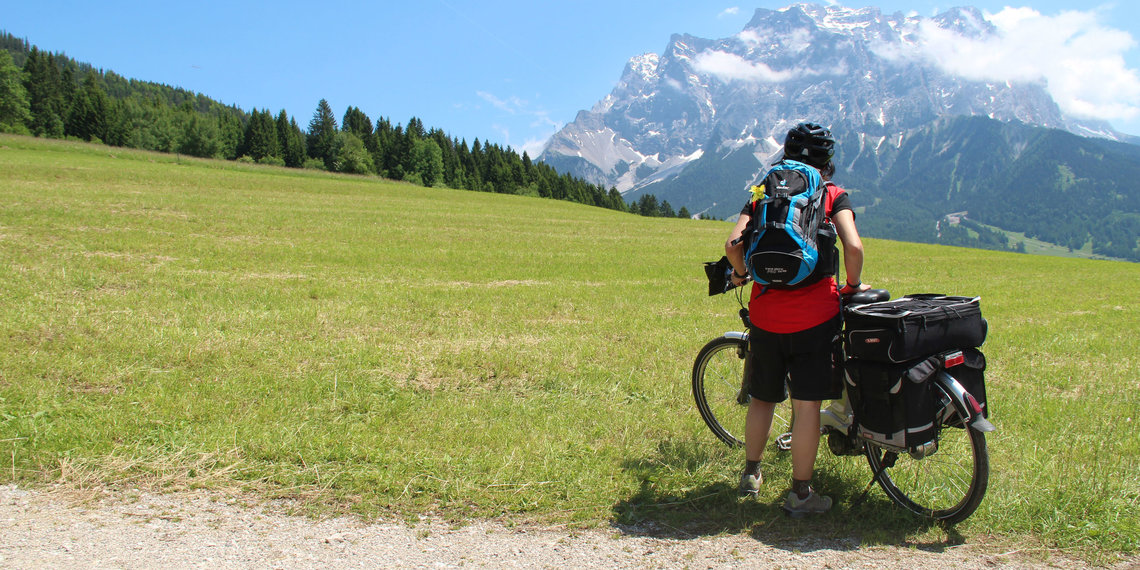
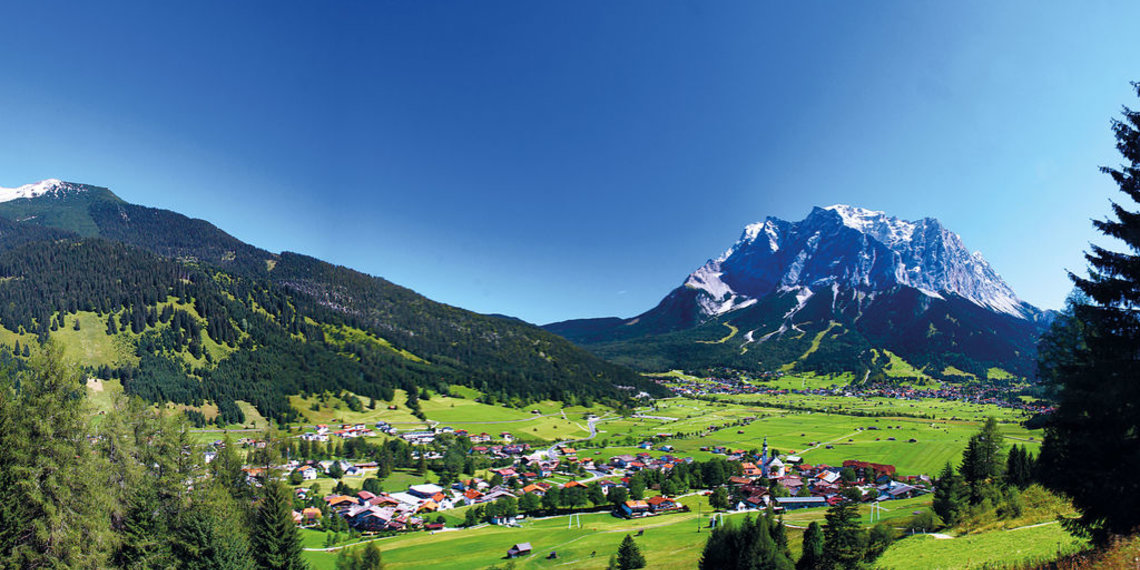
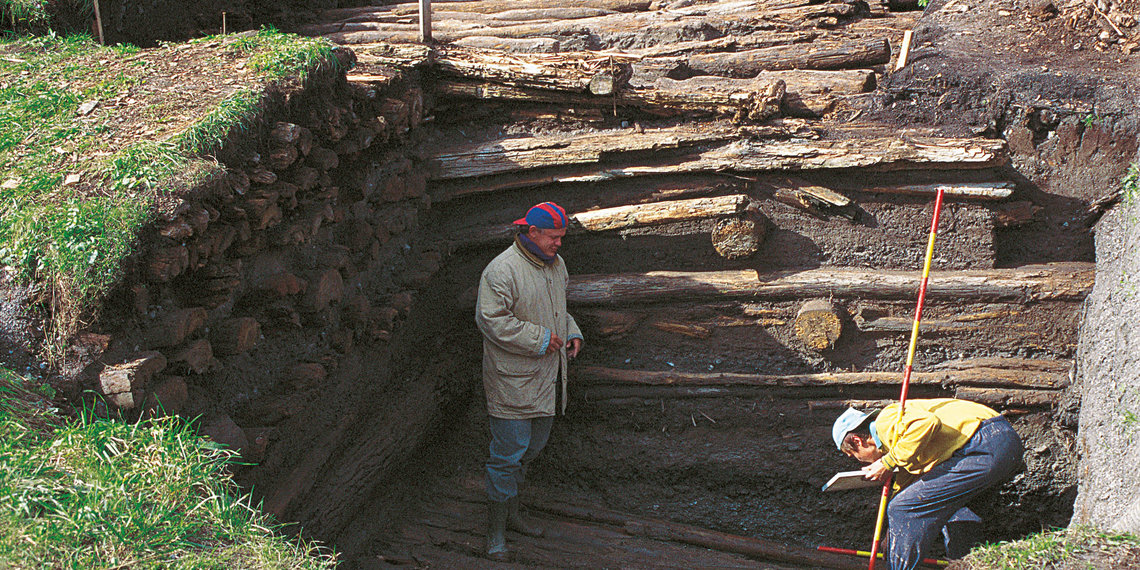
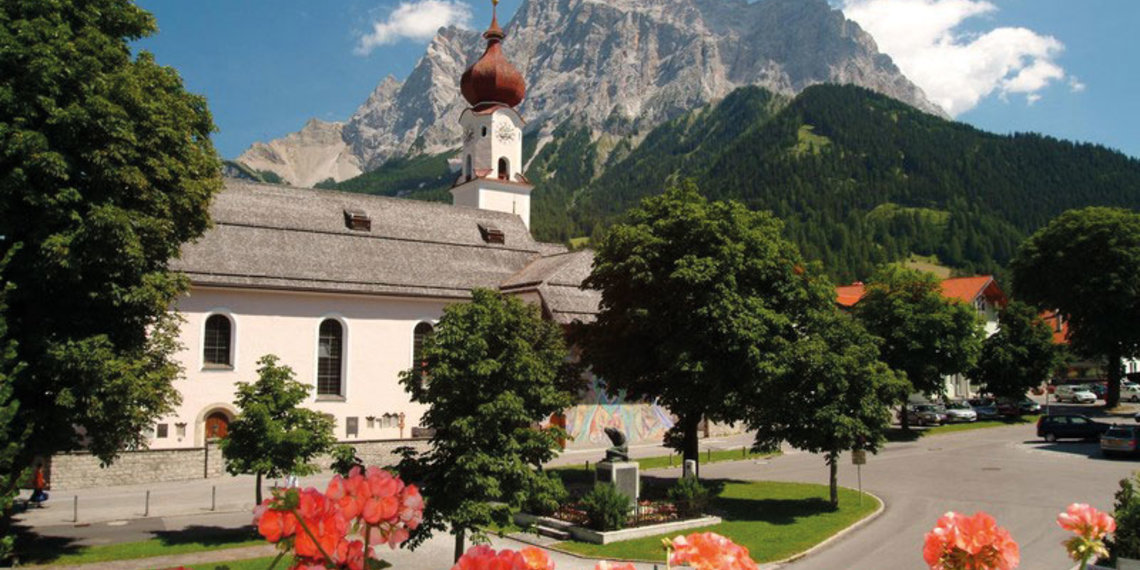

At the edge of Lermoos, the cycling route runs underneath the Fernpass highway – today’s incarnation of the Via Claudia Augusta, in a way. A little further down the road, the highway disappears in to the Leermoos tunnel. You will be following the dam of the Ausserfernbahn railway before heading towards Biberwier through the beautiful “Moos” marshlands, which stretch between the three towns. In Biberwier, you will pass the location of a Roman road station that was unearthed by archaeologists a few years ago. Having crossed the quaint little town, you start the ascent to the Fernpass.
For information, contact
Via Claudia Augusta Info
www.viaclaudia.org/en
info@viaclaudia.org
0043 664 27 63 555
For specific questions about the region, contact the
tourist board of the Tiroler Zugspitz Arena
www.zugspitzarena.com/en
Unterdorf 15, 6631 Lermoos
Kirchplatz 1, 6632 Ehrwald
Fernpaßstraße 27, 6633 Biberwier
info@zugspitzarena.com
0043 5673 20000

historical map of ...
100 AD
Old settlement area
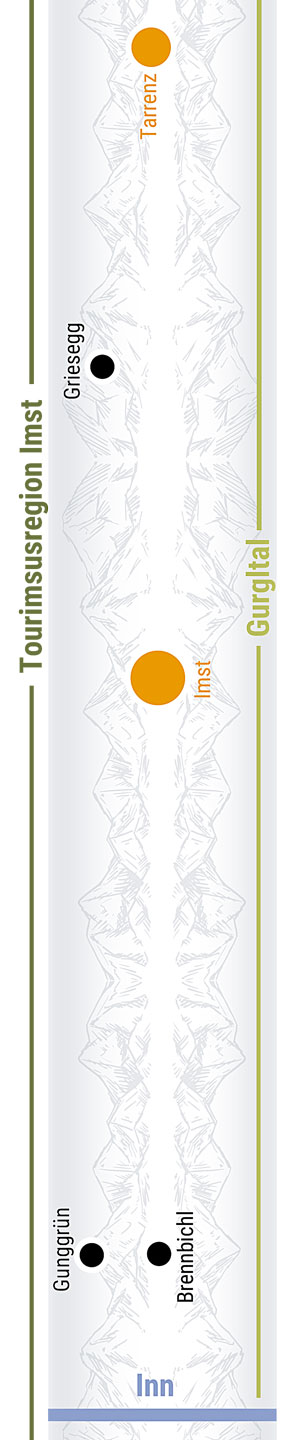
There is documentary evidence of “Oppidum Humiste” dating back to 763. Oppidum was a fortifified pre-Roman settlement. Its mention after the Roman era points towards continuous settlement since pre-Roman times that will have been concentrated on the hill above Imst town centre. There are also indications of prehistoric settlement in Dormitz near Nassereith. The Romans established road stations in both places along the Via Claudia Augusta, around which settlements developed. In Imst, which was the most important settlement between Füssen and Merano, this was probably parallel to the pre-Roman settlement. There was also prehistoric and Roman settlement on the sunny slopes of the Tschirgant, in Karrösten and Karres.
1550
Mining stronghold
The area around the Via Claudia Augusta between Biberwier and the Inn Valley was an important mining centre in multiple respects. Signifificant historic mining districts were located in the Mieming mountain range in the east, the Lechtal Alps in the north and on the slopes of the Tschirgant in the south. Numerous tunnel entrances await discovery on close examination particularly in the Wannig rock face above Nassereith. Above all lead was mined as a grey ore for silver mining in Schwaz and Zink. Furthermore, Imst, alongside its importance as a market place and traffic hub, was the seat of the mining court covering an area that reached to the Ausserfern district and Vorarlberg.
1901
Long prevented town
Imst has for thousands of years been the most important settlement between Füssen and Merano and an important traffiffiific hub. It has had market rights since late medieval times and from the fifteenth to the seventeenth centuries it was the seat of a mining court covering an area that reached to the Ausserfern district and Vorarlberg. Had the infflluential lords of Starkenberg not opposed this because Imst would then have been directly subordinate to the territorial prince, the Gurgltal metropolis would have been a town with its own walls for 700 years. Following a ffiire in 1822 to which 206 out of 220 houses fell victim, Imst was rebuilt and ffiinally received town rights in 1898. Imst is also renowned for its bird breeders and dealers.
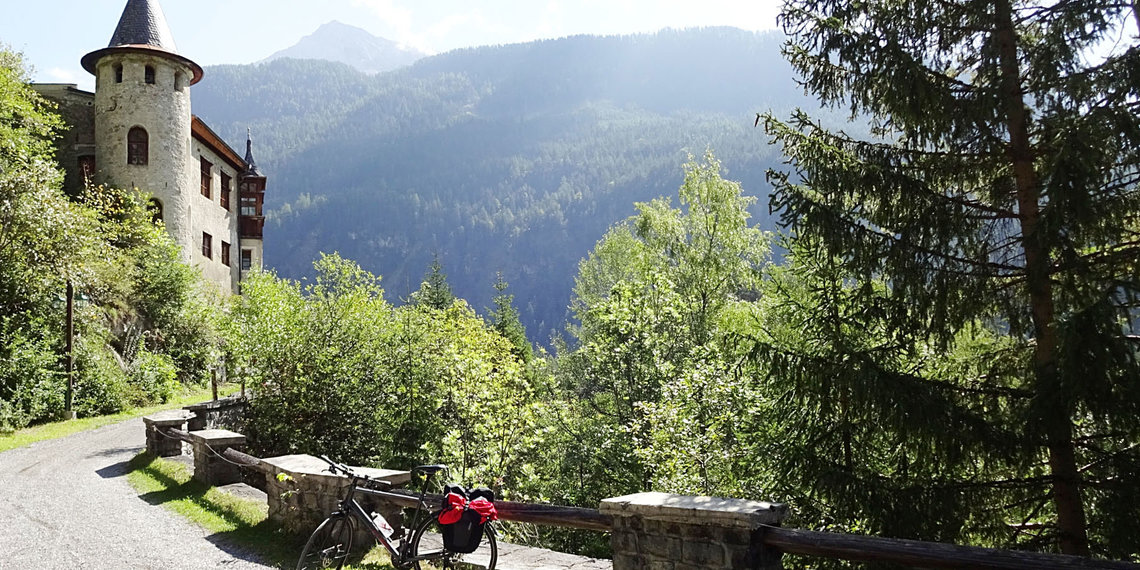
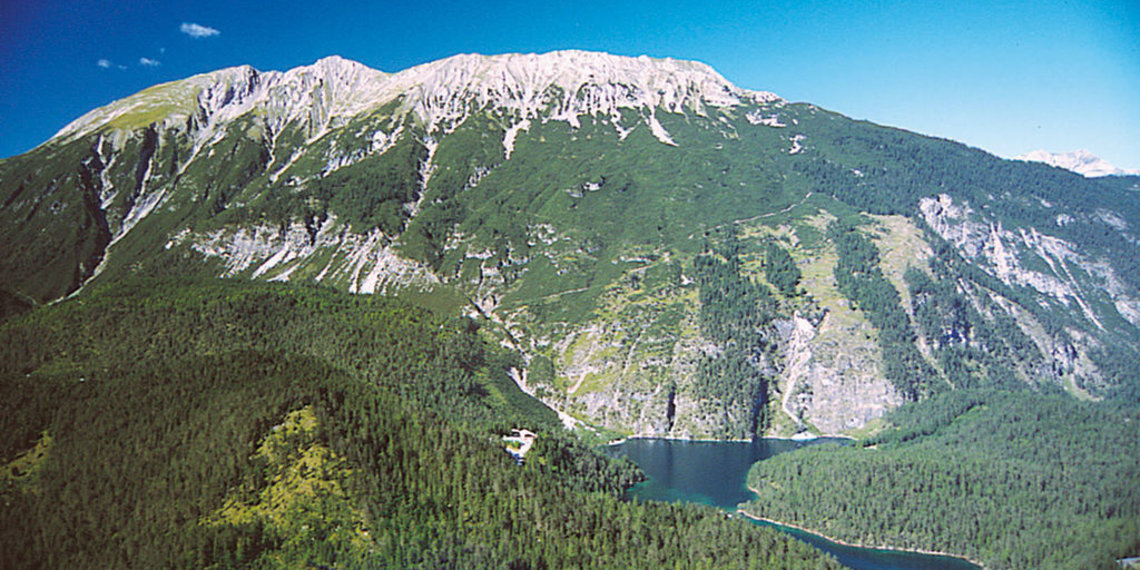
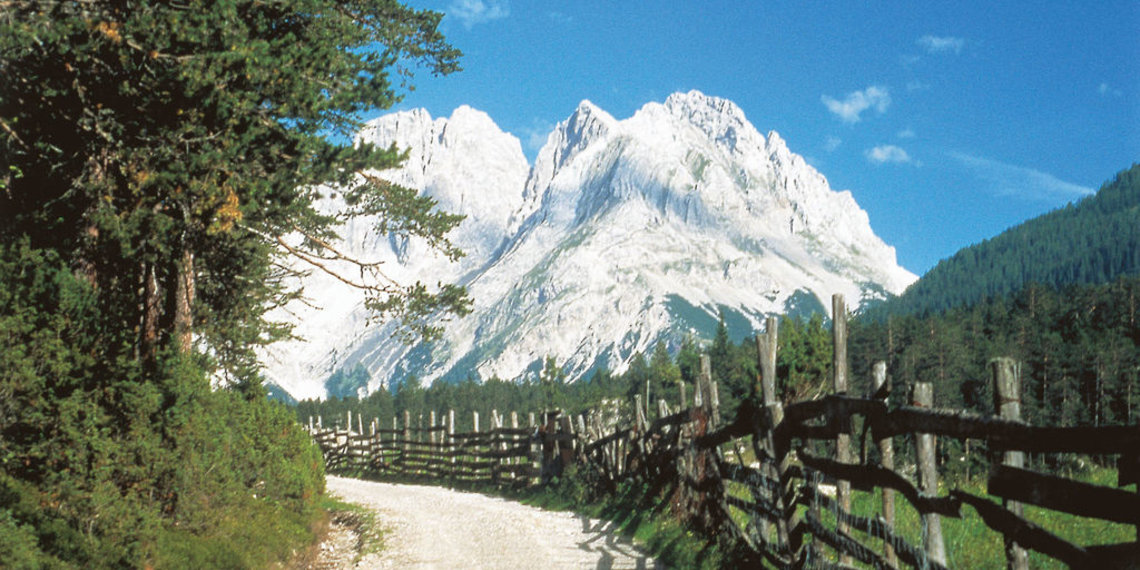
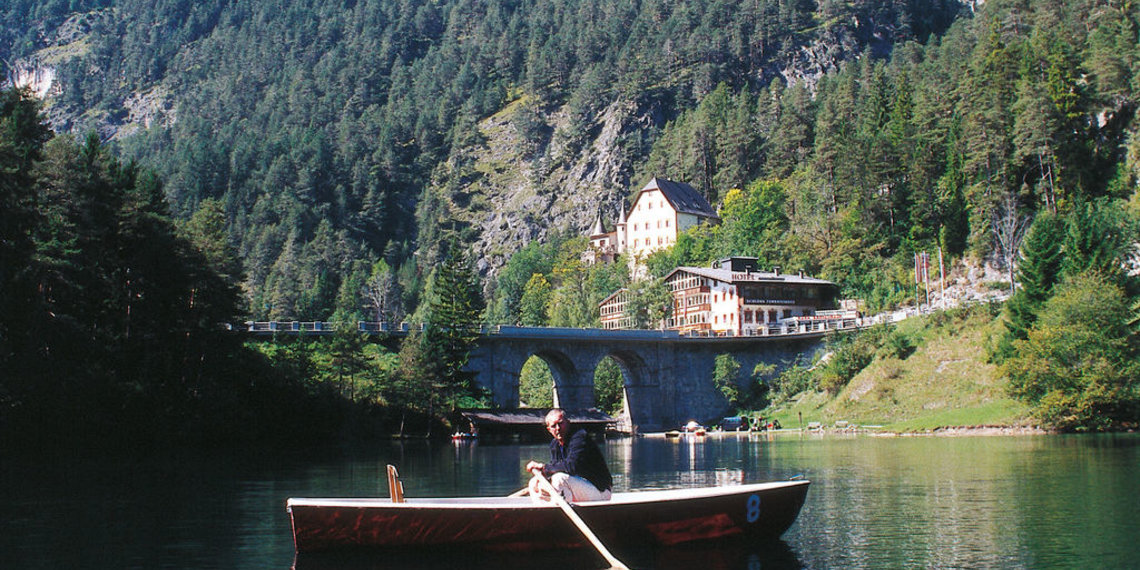
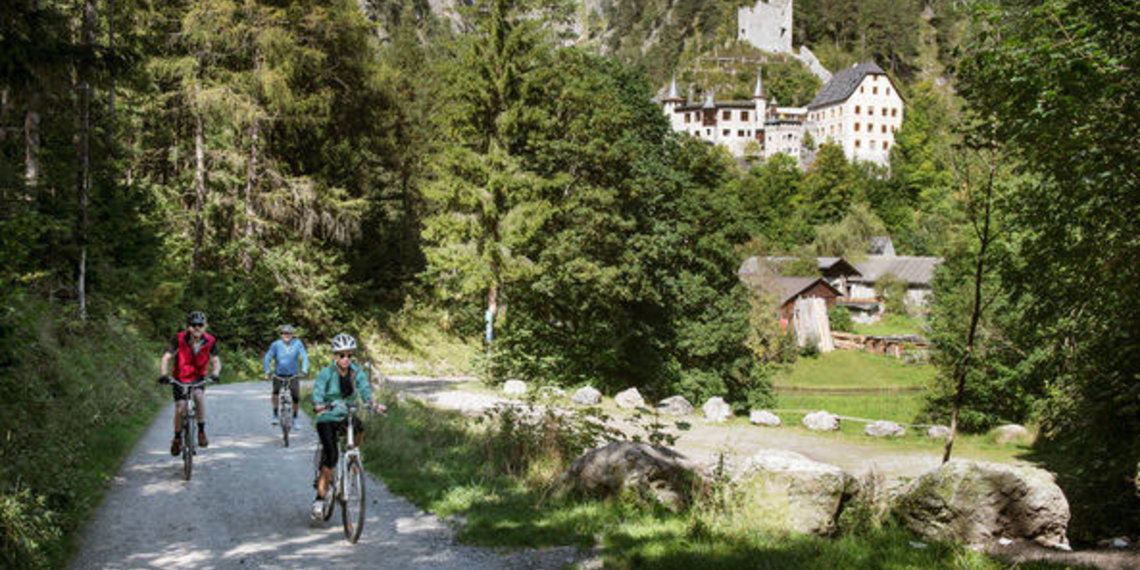
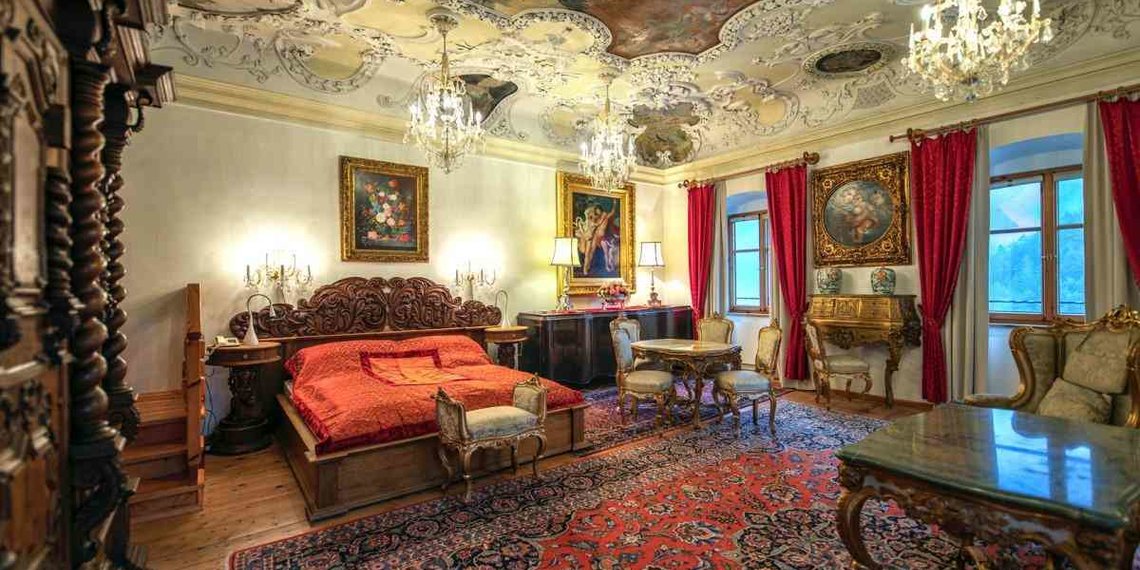
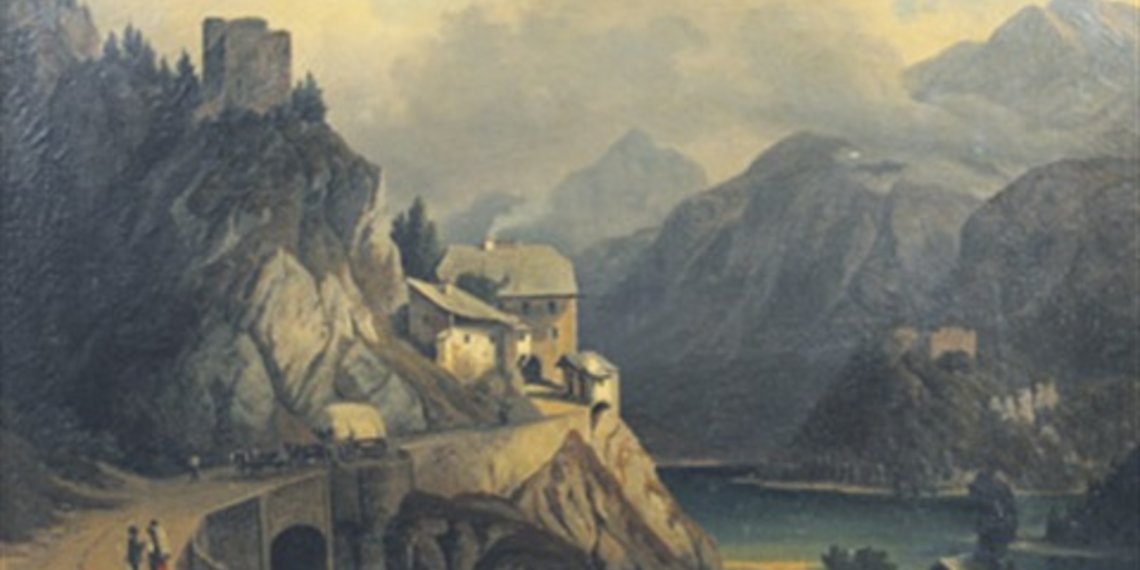
Crossing the pass on your own is hard work. But your efforts will pay off: this section of the route treats you to incredible views of the landslide site and multiple longer stretches of the Roman Via Claudia Augusta and its medieval successor road. And you will certainly feel accomplished when you reach the top. We recommend that you allow for more time per kilometer than you do for other sections. You might end up pushing your bicycle a few hundred meters. The Romans doubtlessly got off their carriages often to help the draft animals. If you would rather not dare the climb, you can take the bus. From Biberwier, the cycling route runs along the country road for a while. It then forks to the left, and a forest path takes you past the Weissensee lake to the old top of the Fernpass. In one spot, the forest path briefly approaches the national road. If you head to the other side, you can take a little road to the Blindsee lake, a popular alpine swimming lake. Once you reach the old top of the Fernpass, which dates back to the Romans, you will have spectacular views of the landslide site and at least five roads that led across the Fernpass over the centuries. The clearly visible track of the Roman road forks off the forest road to the left a little later and gently slopes down the hill. Initially, the cycling route follows the forest road. It then forks towards the current top of the Fernpass. Having crossed the plateau, it runs along the late medieval road to the ‘Afrigall’, a section of the mountain lowered by a landslide. Cycle along forest roads and some narrow gravel paths until you reach Schloss Fernstein castle, where the route leads you through the gate of the former toll station.
For information, contact
Via Claudia Augusta Info
www.viaclaudia.org/en
info@viaclaudia.org
0043 664 27 63 555
For specific questions about the region up to the Fernpass, contact the
tourist board of the Tiroler Zugspitz Arena
www.zugspitzarena.com/en
Unterdorf 15, 6631 Lermoos
Kirchplatz 1, 6632 Ehrwald
Fernpaßstraße 27, 6633 Biberwier
info@zugspitzarena.com
0043 5673 20000
For specific questions about the region up to the Fernpass, contact
Imst Tourismus
www.imst. at/en
Postplatz 28, 6465 Nassereith
Johannesplatz 4, 6460 Imst
info@imst.at
0043 5412 6910
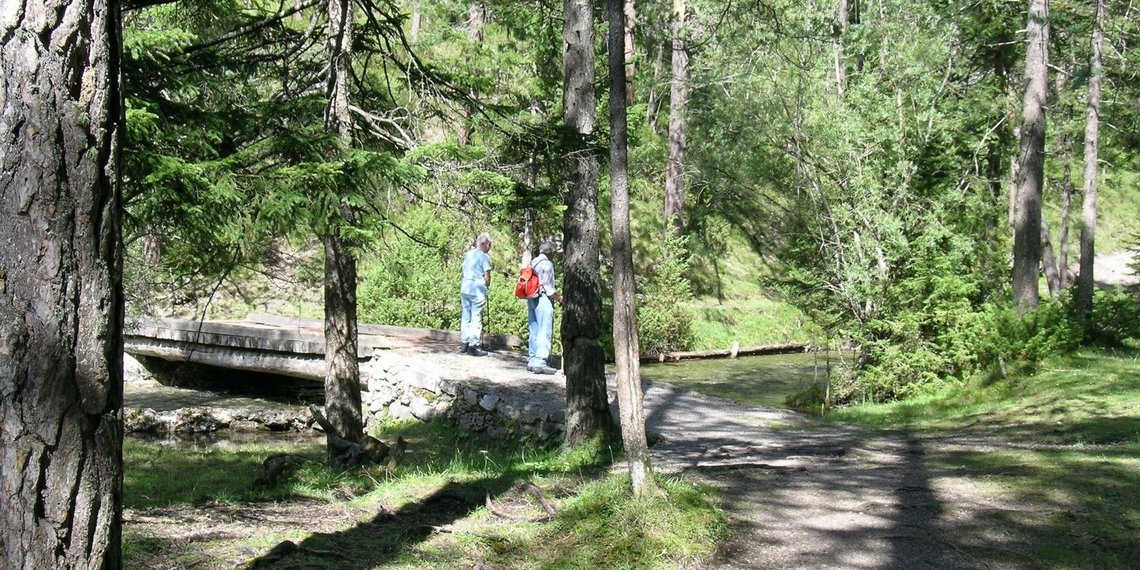
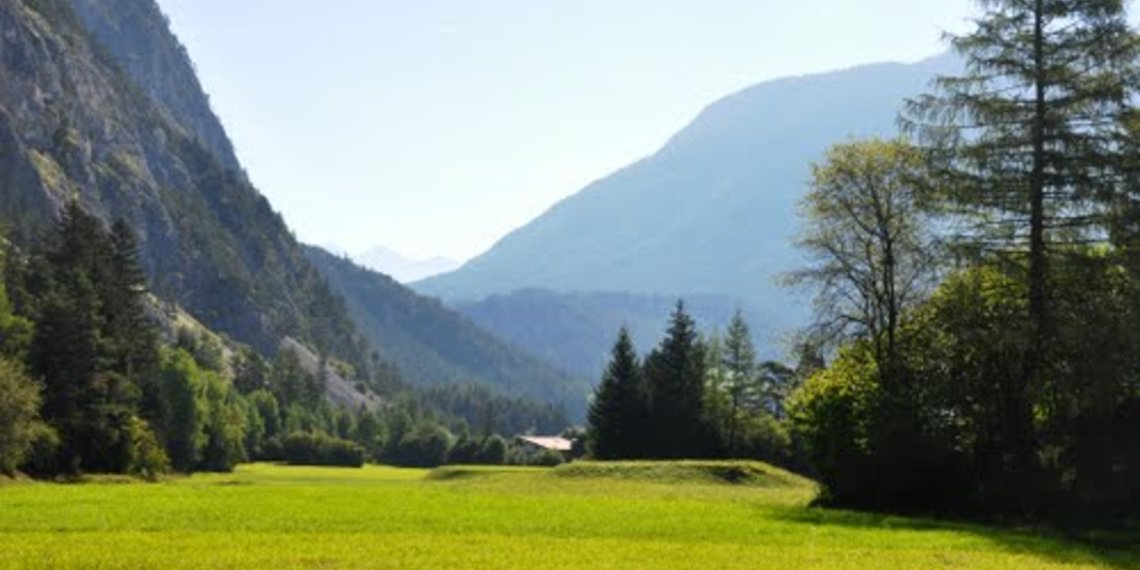
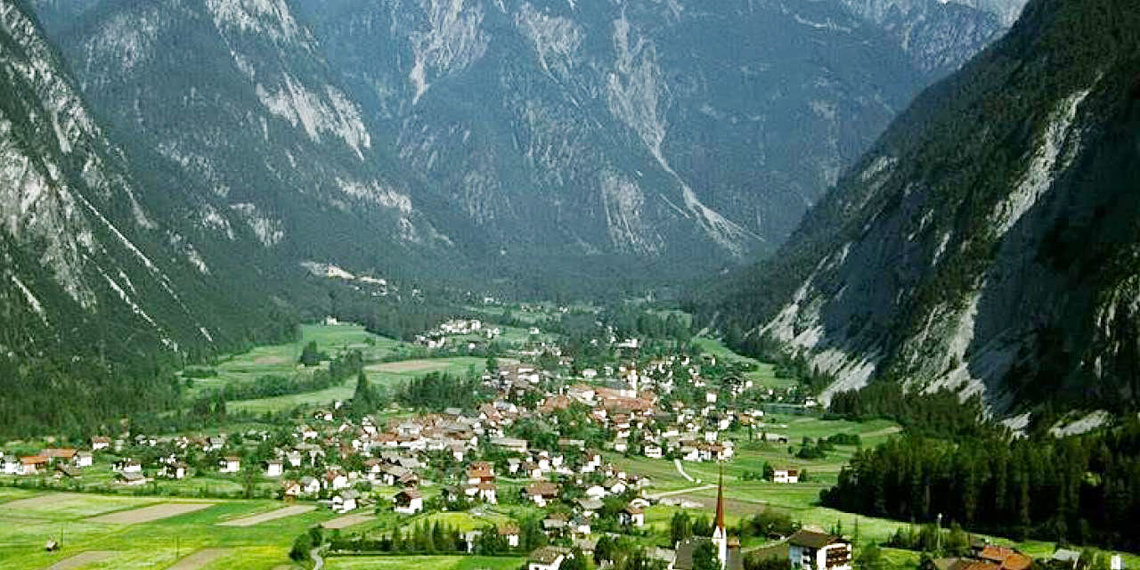
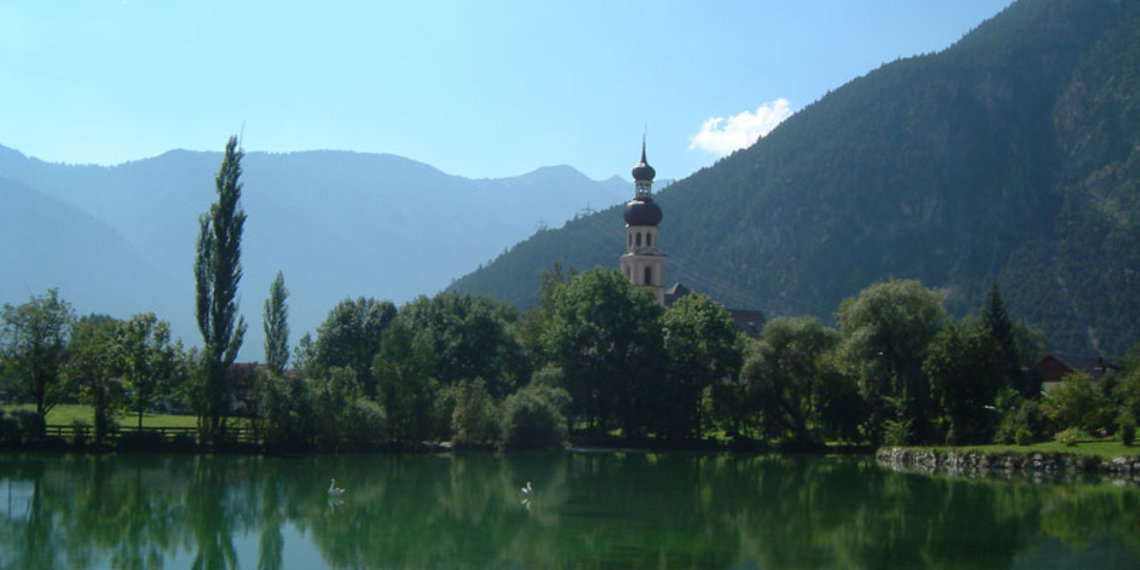
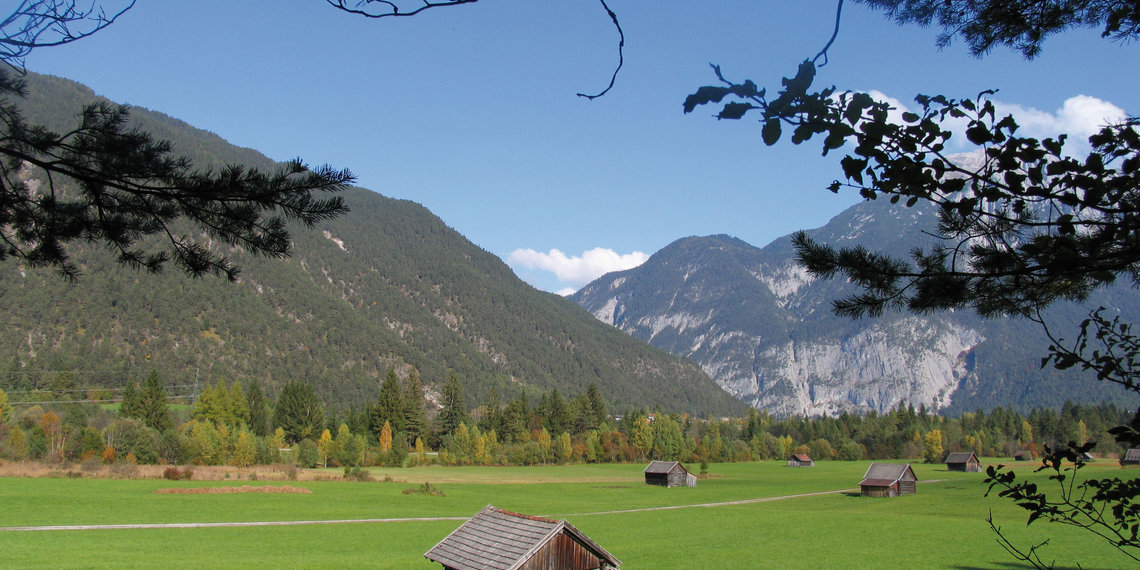
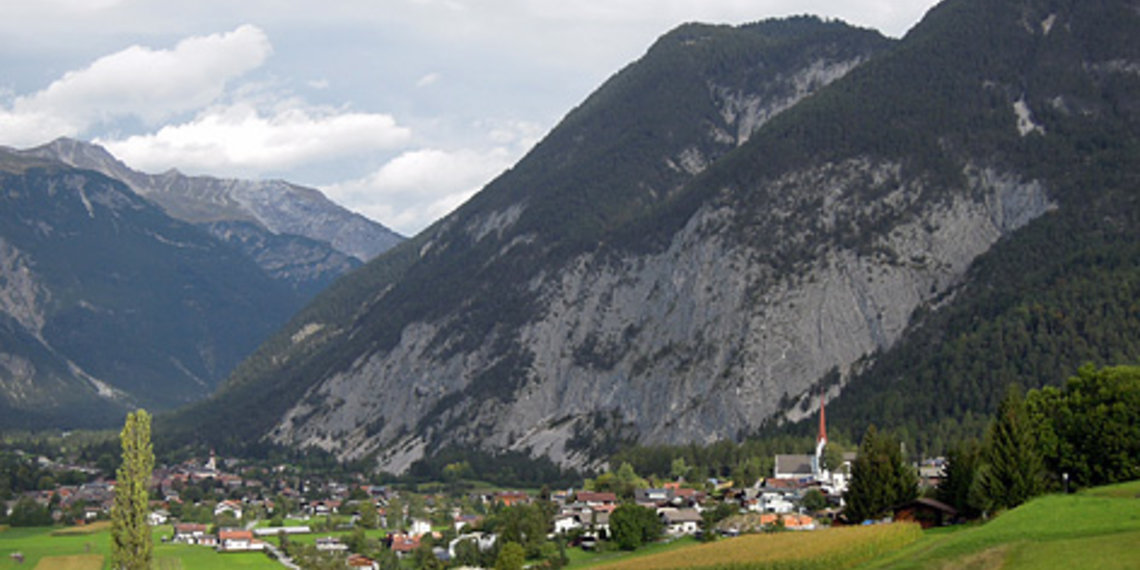
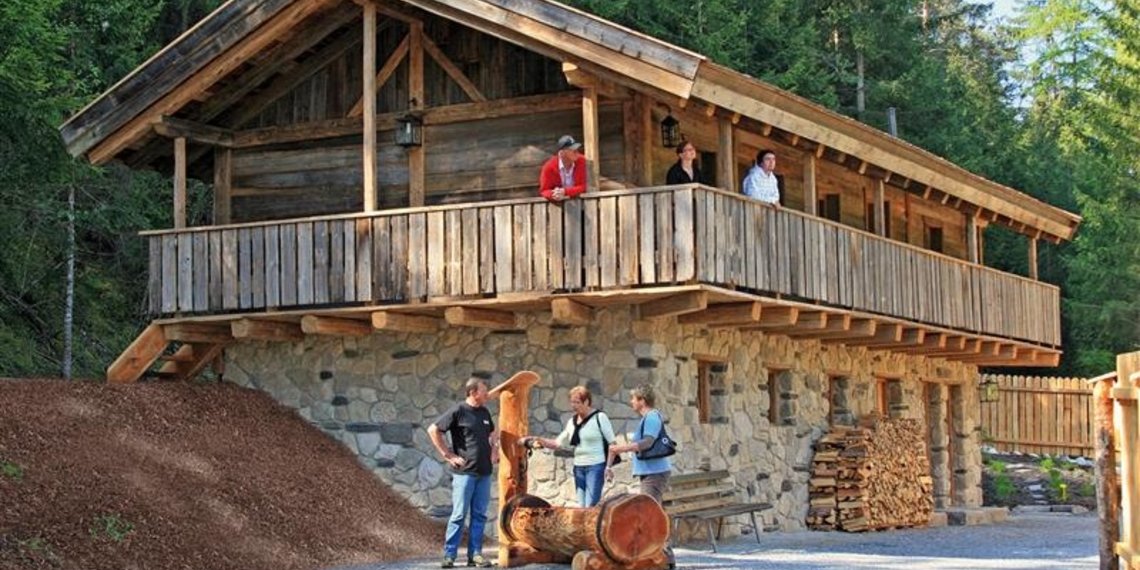

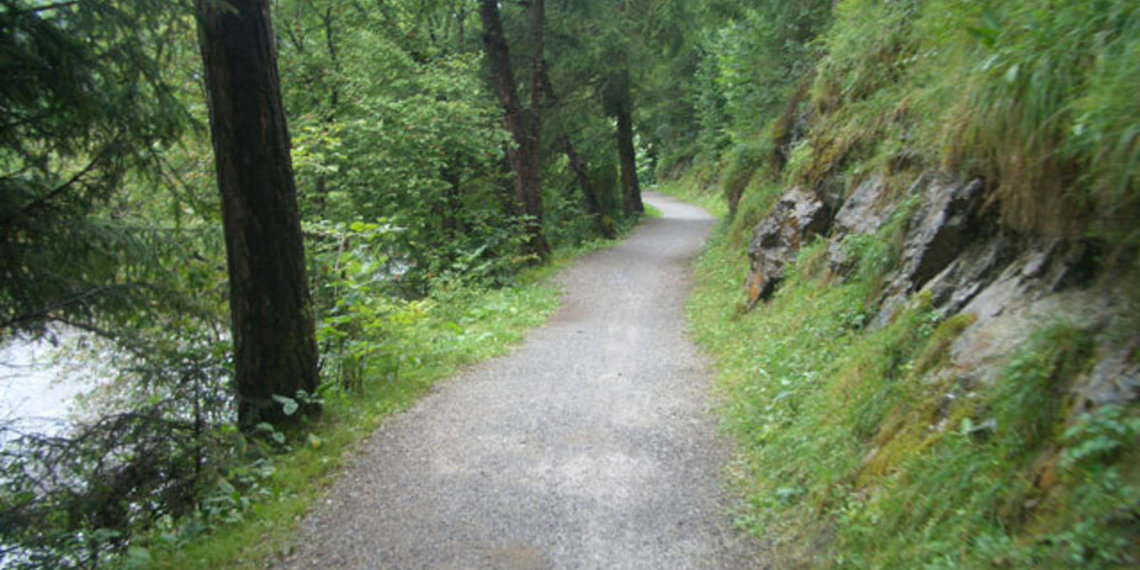
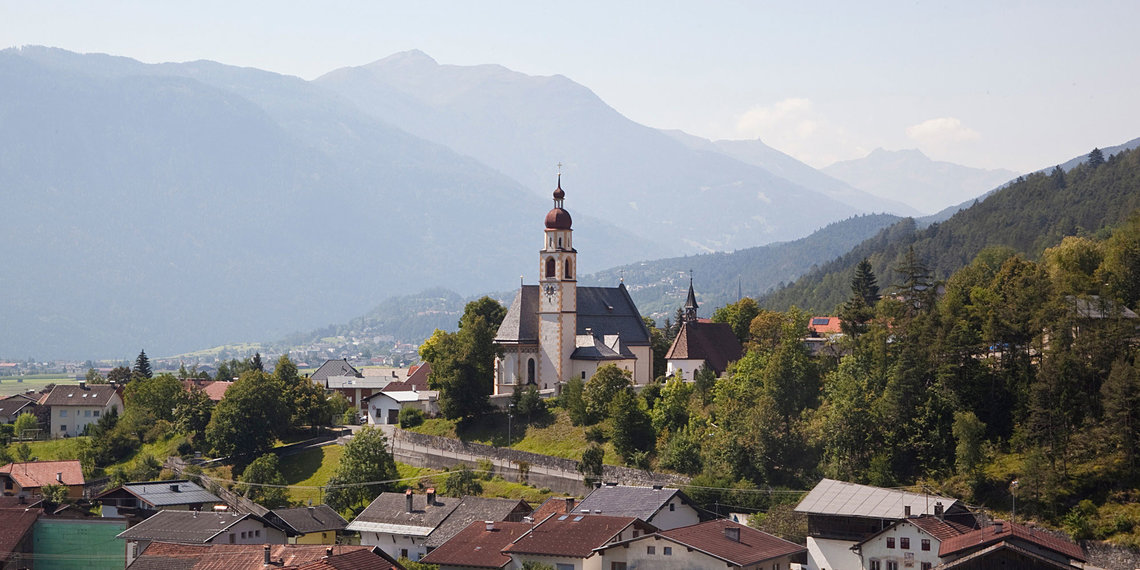
The cycling route takes you across forest roads, a dedicated cycling path and the village road as you cycle from Fernstein to the picturesque center of Nassereith. The portals in the mountain reflect the mining heritage of this town. Continue along the pastures underneath Dormitz to cross the Strader Wald forest. The beautiful forest path largely follows the old Roman road. Soon after Strad, you reach the Knappenwelt Gurgltal, an outdoor mining museum. The cycling route then follows the Roman road in crossing the valley. From Tarrenz on, it leads you towards Imst on the sunny side of the valley.
For information, contact
Via Claudia Augusta Info
www.viaclaudia.org/en
info@viaclaudia.org
0043 664 27 63 555
For specific questions about the region, contact the
Touristic information by Imst Tourismus
www.imst. at/en
Postplatz 28, 6465 Nassereith
Johannesplatz 4, 6460 Imst
info@imst.at
0043 5412 6910
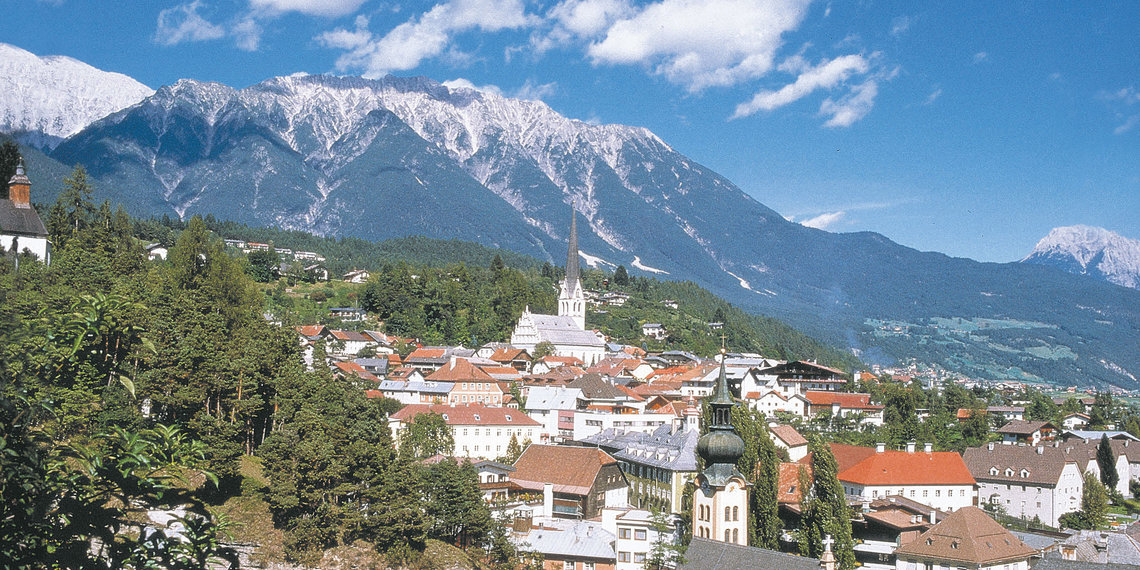
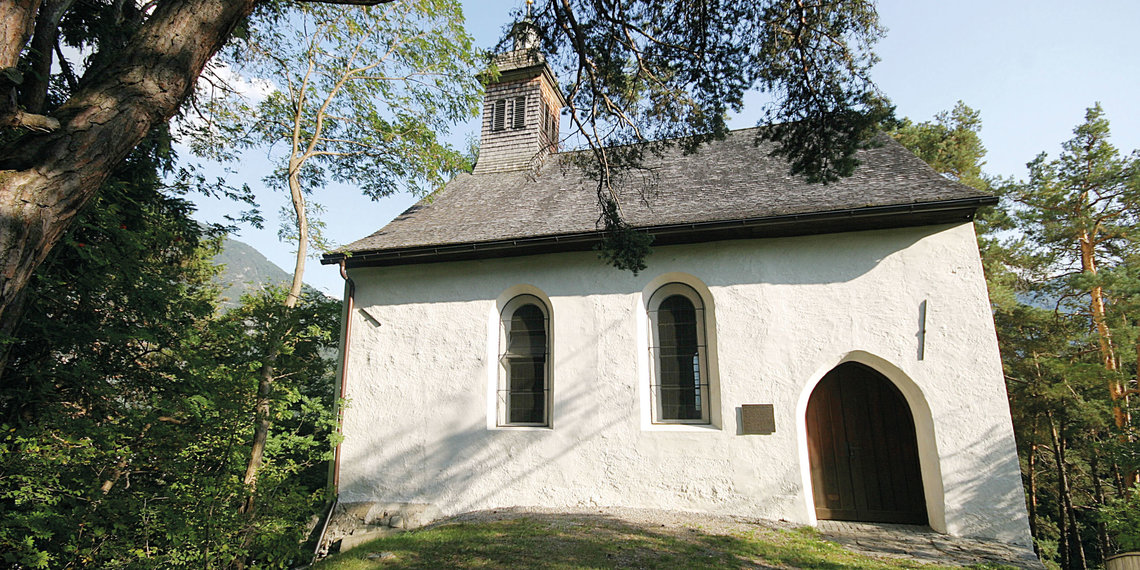

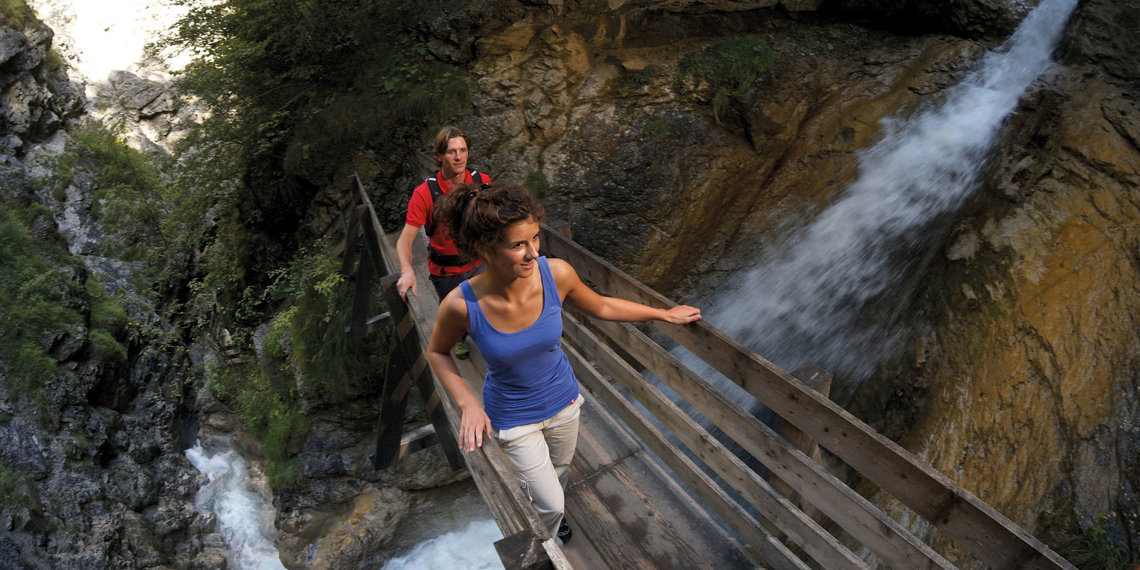
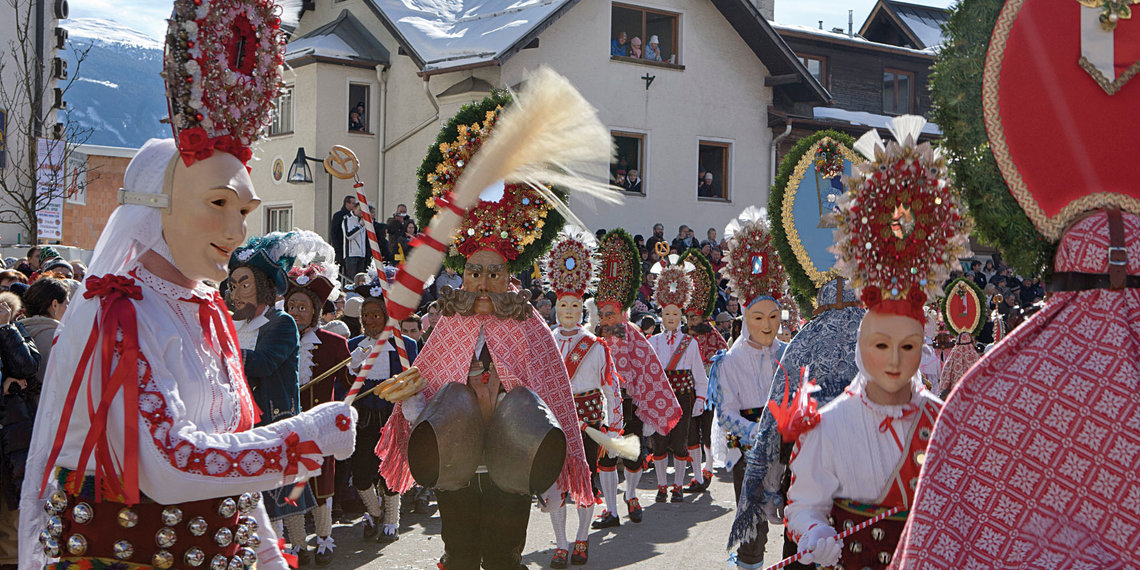
Cycle across the splendid pastures of the Gurgltal valley to merge with the historical main road just ahead of the parish church, then enter Imst. The old road connects the two historical districts of Obermarkt and Untermarkt with each other. Beyond the parish church, it is largely identical to the Roman road. Just before the end of the historical old town, the route slopes towards Untermarkt, where it crosses the town square and leaves the town through the backdoor towards the Inn river.
For information, contact
Via Claudia Augusta Info
www.viaclaudia.org/en
info@viaclaudia.org
0043 664 27 63 555
For specific questions about the region, contact the
Touristic information by Imst Tourismus
www.imst. at/en
Johannesplatz 4, 6460 Imst
An der Au 1, Erlebnis-Rast-Stätte Trofana Tyrol, 6493 Mils bei Imst
info@imst.at
0043 5412 6910


Text of the historical maps of ...
before the year 0
Early densely populated
Already in early history, the area around Landeck was relatively densely populated. Above Schönwies, in Stanz and Grins, in Perjen, in Fließ, at the entrance to the Kaunertal, in Fiss and Serfaus, ... - on every sunny slope and every high terrace settlements are proven or at least there are indications of settlement. The settlements were connected by cart paths. In addition to one in the Inn valley, there was also a shortcut from the Kaunertal valley over the Piller Sattel to Imst. Above Fliess was a burnt offering site where gods were invoked for centuries, until Roman times. In the archaeological museum of Fliess you can marvel at early historical finds from this time, which you can otherwise only find in such abundance and quality in large cities.
450
early Christian churches
In the Landeck area the Via Claudia Augusta largely ran along the slope – the section between the Inn bridge near Starkenbach and Landeck followed the striking and picturesque route over the “Platte” to Fließ, where ruts in the rock dating from different periods tell stories about the road. The Via Claudia Augusta only left the slope in the vicinity of Landeck Castle – presumably because there was a road station there and the road branched off over the Arlberg. The important transport connection not only brought economic development but also a lively cultural exchange that is reflected among other things in the area’s early Christianisation. The parish church in Landeck and St. Lawrence’s Church on the hill above Imst have their roots in the fififth century, while the ‘Maaßkirche’ church next to the archaeological museum in Fließ dates back to the sixth century.
1787
Landeck as a transport hub
Two long-distance roads already converged for the first time back in Roman times at the confluence of the Sanna and the Inn. In 1787 the road to Vorarlberg, that had for a long time no longer been navigable, was renewed and restored to new life and the valley basin finally became a transport hub. The rest was done by the construction of the Arlberg railway in 1884, during which 800 jobs were also created and the population grew rapidly. Around 1900, the municipalities of Perfuchs and Angedair were merged into Landeck, that gained market rights in 1904 and became a town in 1923. Landeck had already been a municipal centre since 1868 when there was not yet even a place called Landeck but only the castle. The loser of the shift of the east-west traffic corridor to the Arlberg route was incidentally Zwischentoren, between Fernstein and Reutte. Many of the bitterly poor people of Ausserfern consequently became migrant workers in the more prosperous neighbouring regions to the north.
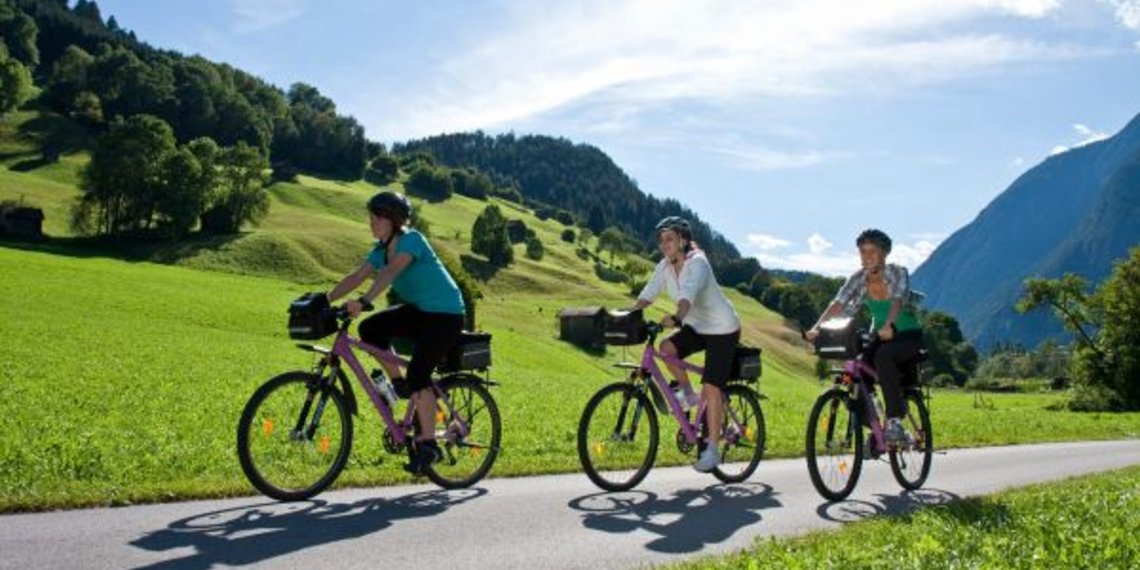
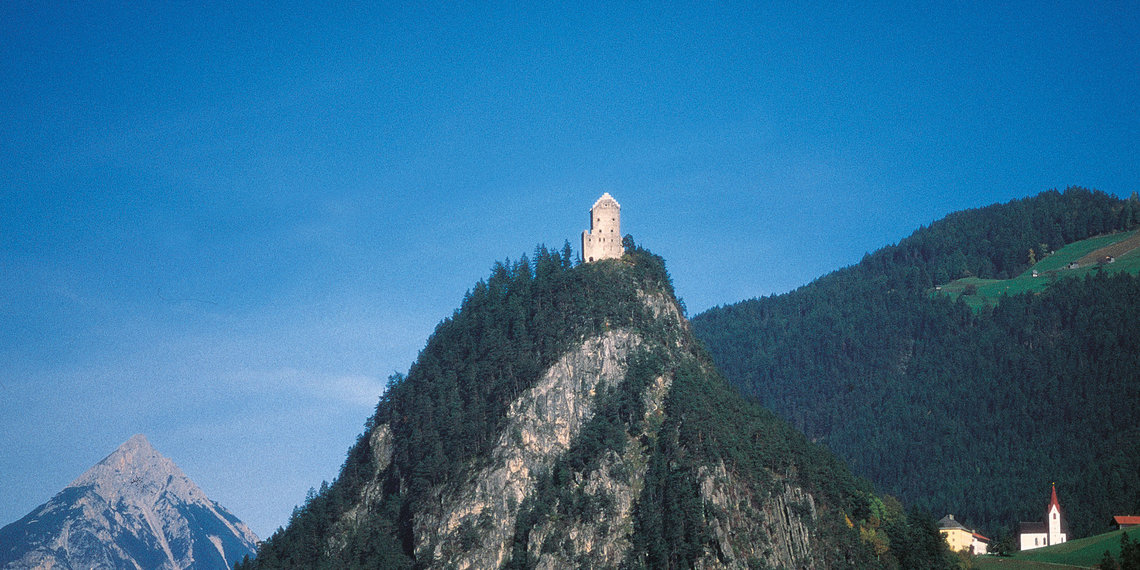

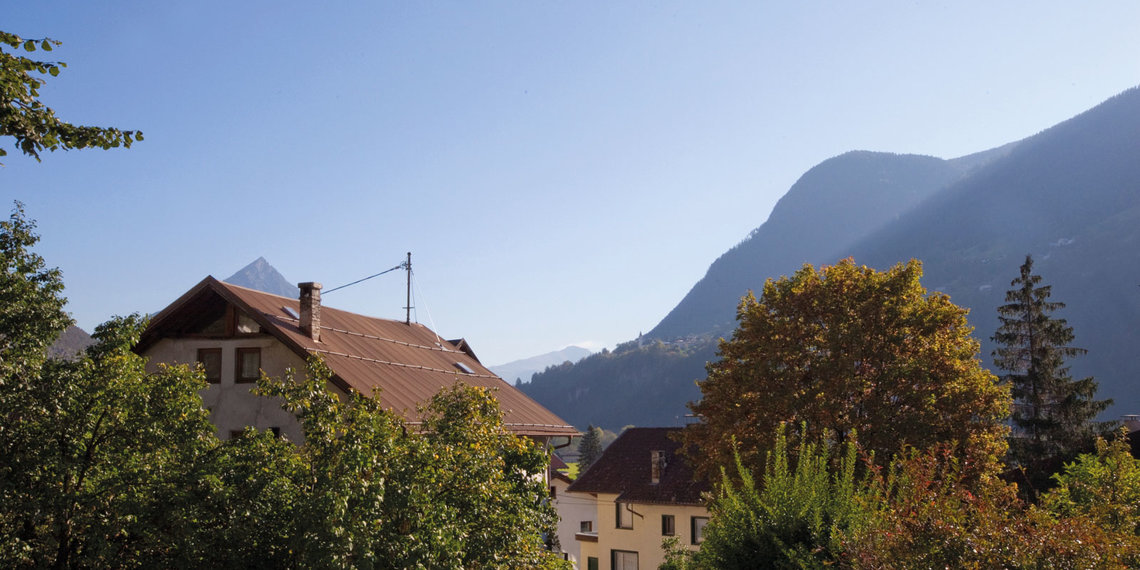
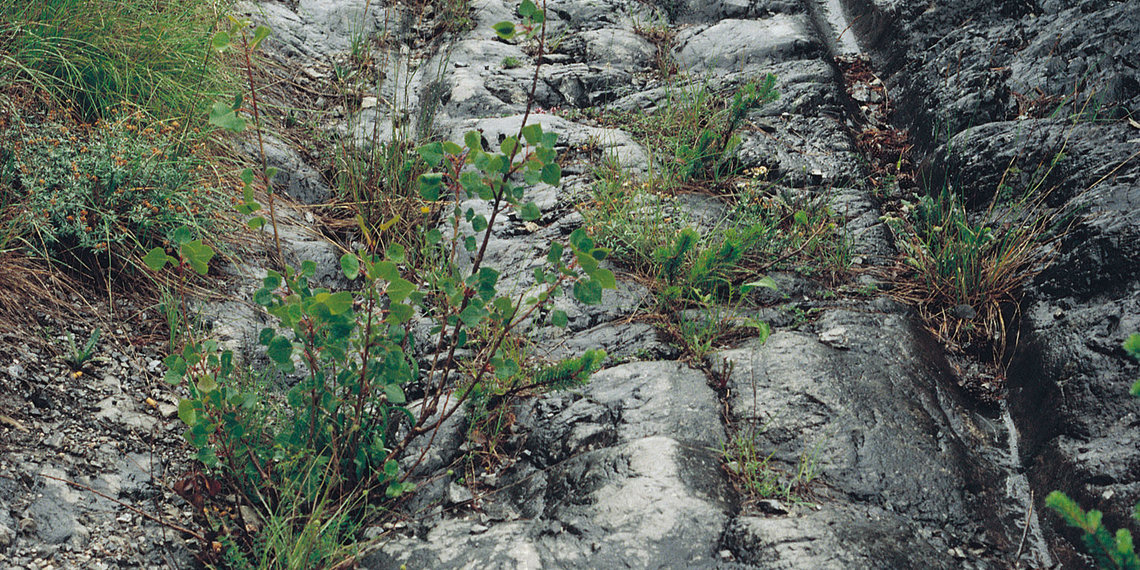
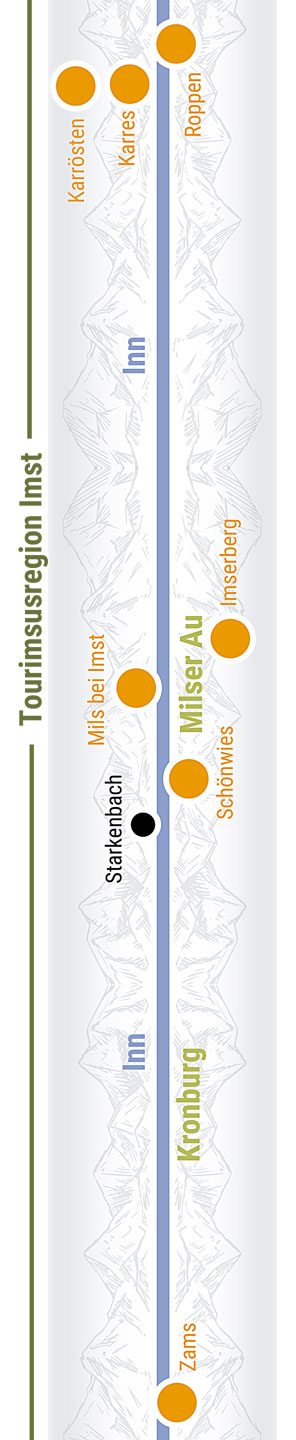
From Brennbichl (a district of Imst), the Via Claudia Augusta cycling route runs parallel to the Inn cycling route. It takes you past the Trofana Tyrol motorway service area and the Milser Au meadow, both perfect for an extended rest. The village road that takes you through Mils is largely equivalent to the Roman road. After you cross the Inn river, the route takes you through the elongated village of Schönwies, far away from traffic. Past the village, the cycling route passes the head of the old bridge over the Inn, which stood in the same place as an older Roman bridge until the 19th century. Shortly after you cycle through an underpass underneath the railway tracks, you have an opportunity to visit Kronburg castle. Afterwards, the route takes you through verdant meadows towards Zams. Don’t miss the Roman wheel tracks in the rocks at the rest stop on the hill.
For information, contact
Via Claudia Augusta Info
www.viaclaudia.org/en
info@viaclaudia.org
0043 664 27 63 555
For specific questions about the region up to Kronburg, contact
Imst Tourismus
www.imst. at/en
Johannesplatz 4, 6460 Imst
An der Au 1, Erlebnis-Rast-Stätte Trofana Tyrol, 6493 Mils bei Imst
info@imst.at
0043 5412 6910
For specific questions about the region from Kronburg onwards, contact
the tourist information office of TirolWest
www.tirolwest.at/en
Hauptplatz 6, 6511 Zams
info@tirolwest.at
0043 5442 65600
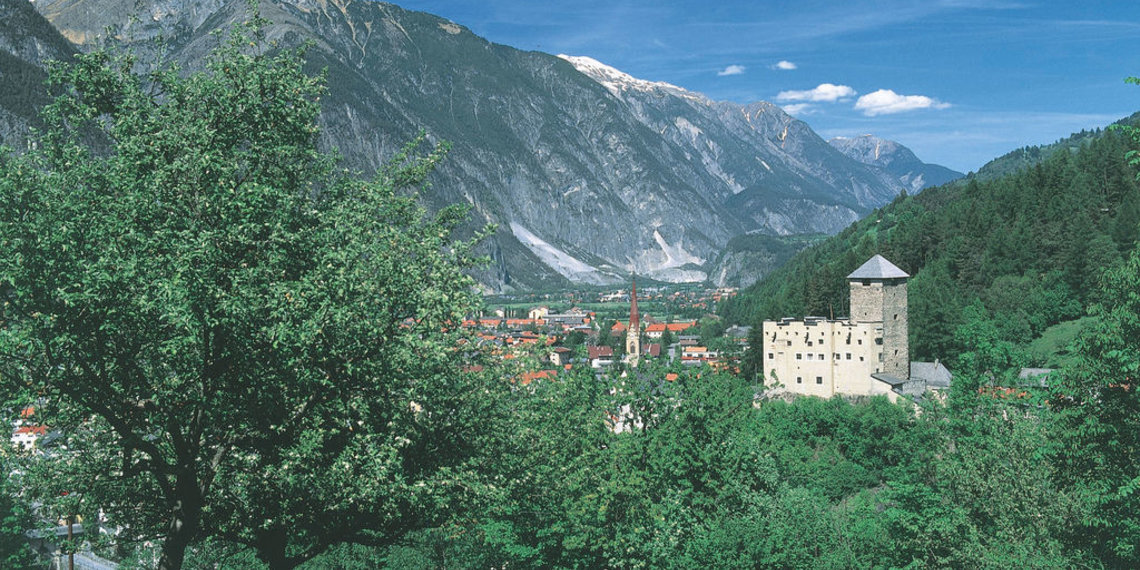
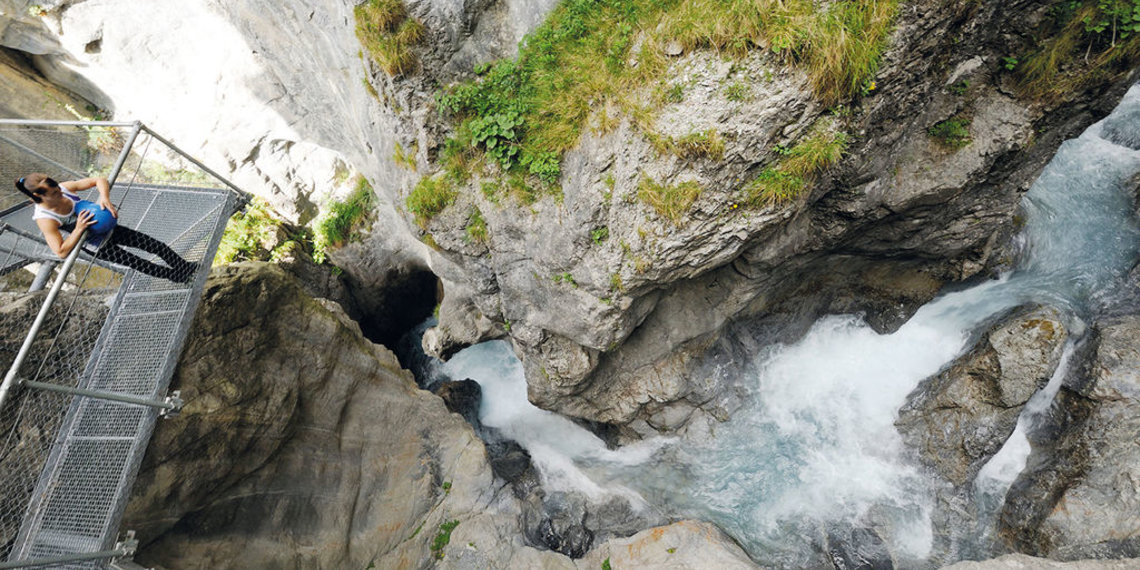

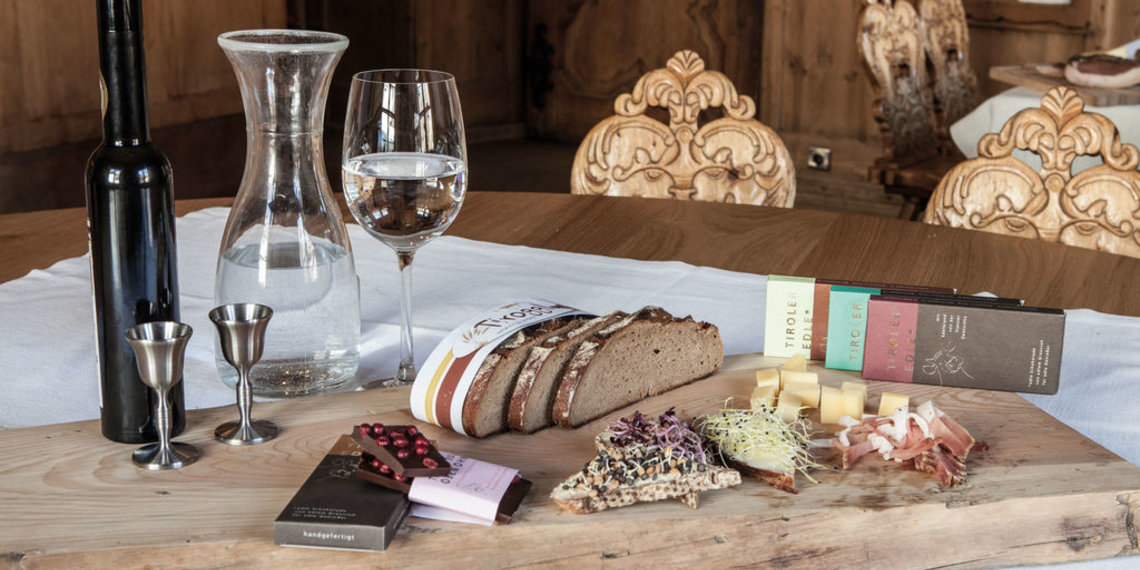
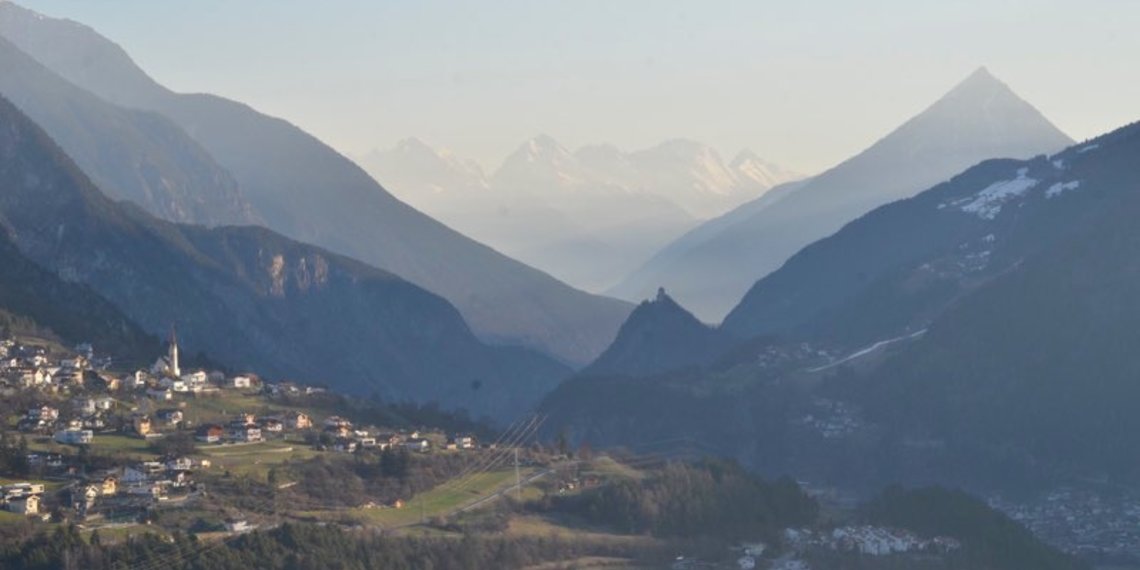

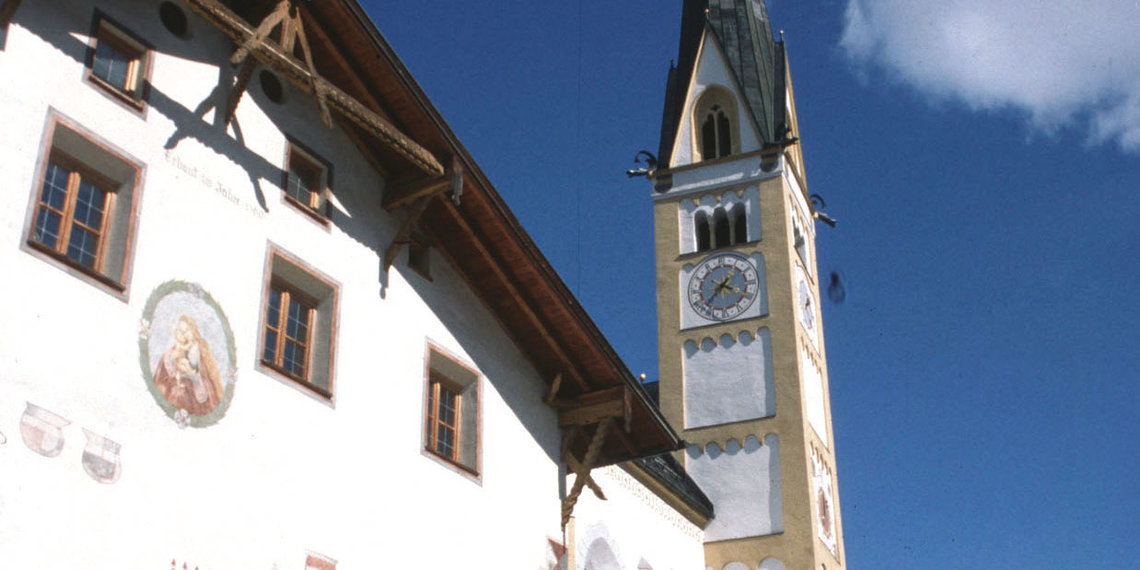
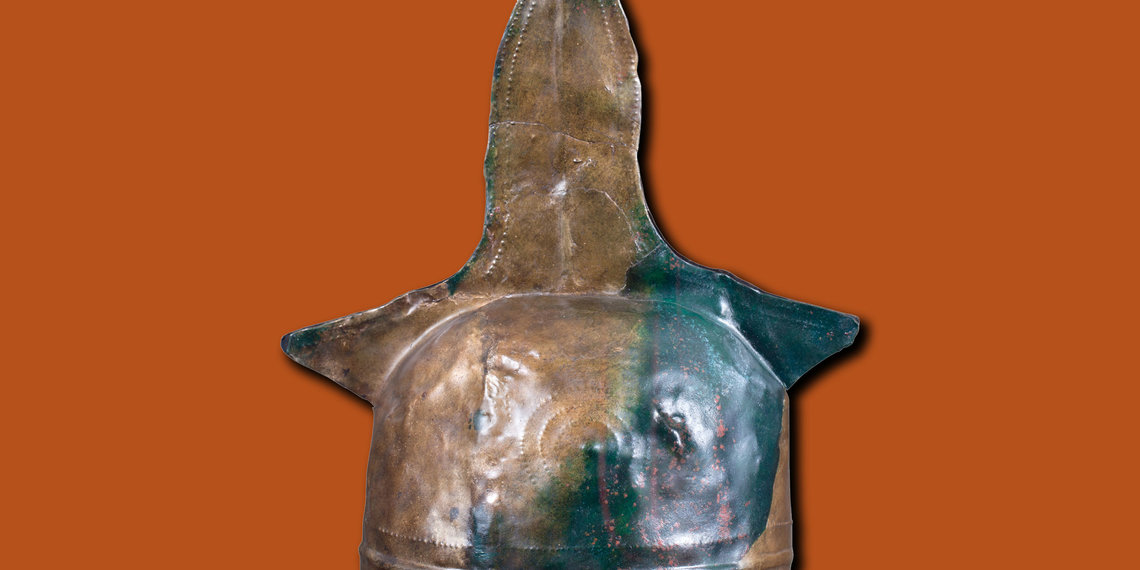

The cycling route runs to Zams, crosses the Inn river shortly before the center, and follows the river through the district of Perjen and Bruck to the center of the county capital. You will pass the Zammer Lochputz gorge with its splendid waterfall. Cross the town center on the historical Malserstraße, which is currently experiencing a second heyday as an important business street. A bit further up, you will see the parish church and Schloss Landeck castle. The route now crosses the Inn river again and leads you to Urgen (a district of Fließ) on the left bank of the river. Here, it follows the old national road for a while, then ascends towards the elevated center of Fließ, where you can visit the Via Claudia Augusta documentation center. As you continue, you cross the Inn another three times and get to see the main river of the state of Tyrol from different angles.
For information, contact
Via Claudia Augusta Info
www.viaclaudia.org/en
info@viaclaudia.org
0043 664 27 63 555
For specific questions about the region, contact the
tourist board of TirolWest.
www.tirolwest.at/en
Hauptplatz 6, 6511 Zams
info@tirolwest.at
0043 5442 65600


Text of the historical maps of ...
100 AD
Road mostly at valley floor
Owing the narrowness of the valley, which was at risk of rockfall and often entirely flooded by the Inn, the Via Claudia Augusta ran along the slope between Landeck and Fließ, across the Fliesser Platte in which the carts left traces in the rock in the different periods. Back in the valley, the Roman road was then able to continue – with various river crossings – along the valley floor until Altfinstermünz, as nature narrowed the course of this section of the Inn. From Finstermünz the road climbed steadily at a gradient of 11% up through the gorge to Inutrium, the only road station for which there is written evidence, shortly before reaching its highest point, the Reschen Pass. There are thought to have been two more road stations between Prutz and Pfunds. Fließ and Inutrium were definitely inhabited.
1530
Road and mining
The Roman road largely remained in use in the Middle Ages and modern era. Fortresses such as Pidenegg, Pernegg, Laudegg, Siegmundsriedt, Finstermünz and Naudersberg lined the transport routes. Apart from the main roads, there were almost only mule tracks. As well as self-sufficient farming and earnings opportunities in connection with the road, income was also generated by mining – first in Kaunertal, then in Bergtal and later in Platzertal. Ore was also extracted in Serfaus and smelted in Fließ.
1910
New transport routes
For a long time there were discussions about how to modernise the Reschenstrasse. The modern road builders finally got their way and the road was constructed between 1852 and 1856 with hairpin bends and galleries many of which are still in use today. Roads were also built to the Engadine, to Samnaun and to the mines of Platzertal. The ore was also transported with a goods cable lift. As well as investments in the roads, there were also two different plans for a rail link across the Reschen Pass for which a large number of tunnels would have been necessary. The northernmost fortress of Austria-Hungary facing Italy bears witness to the strategically important location of the pass.
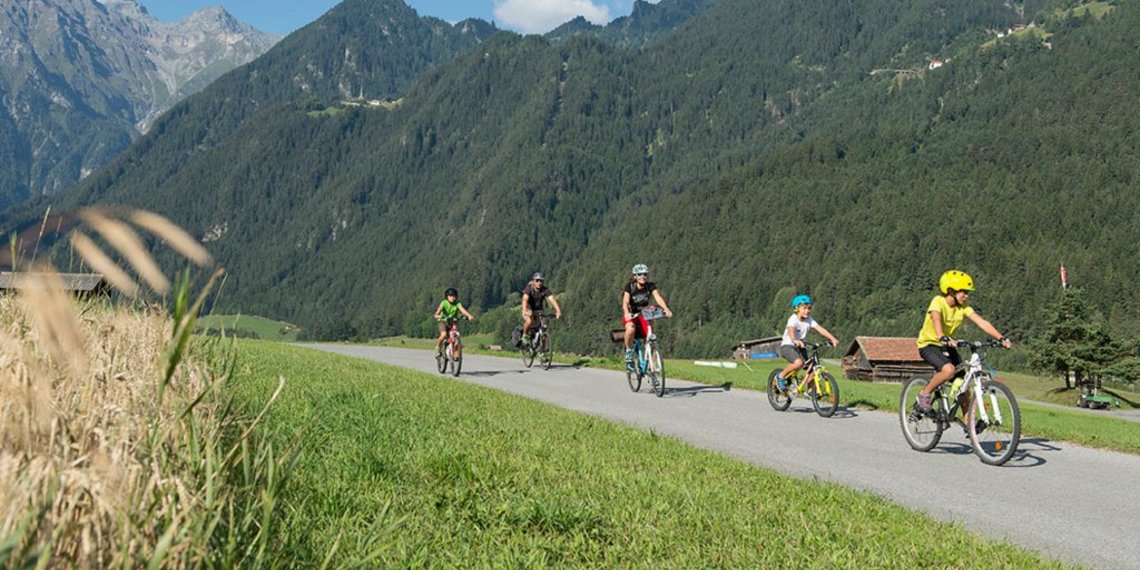
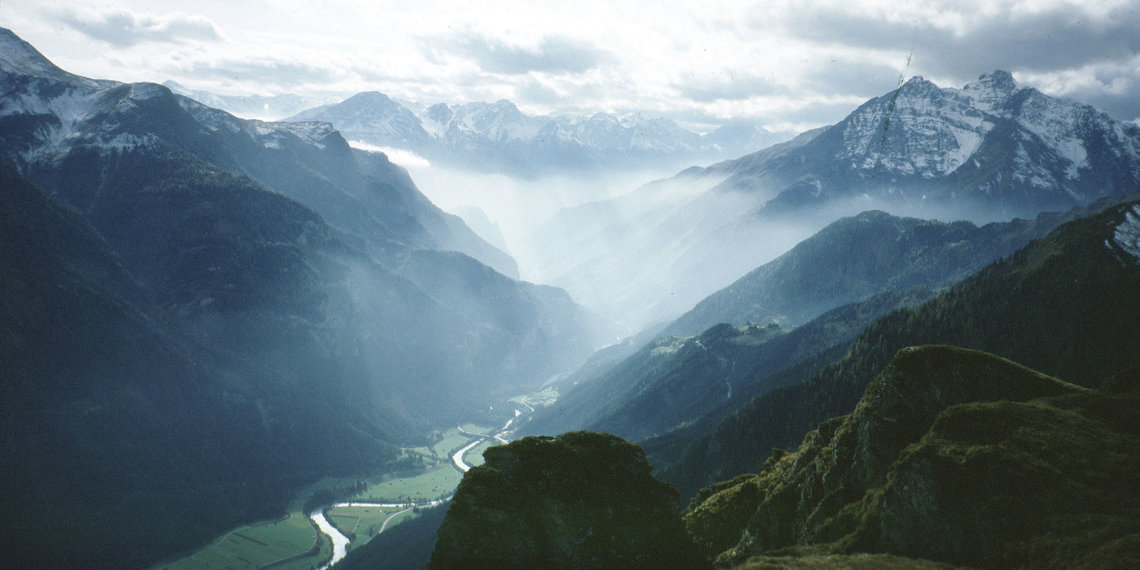
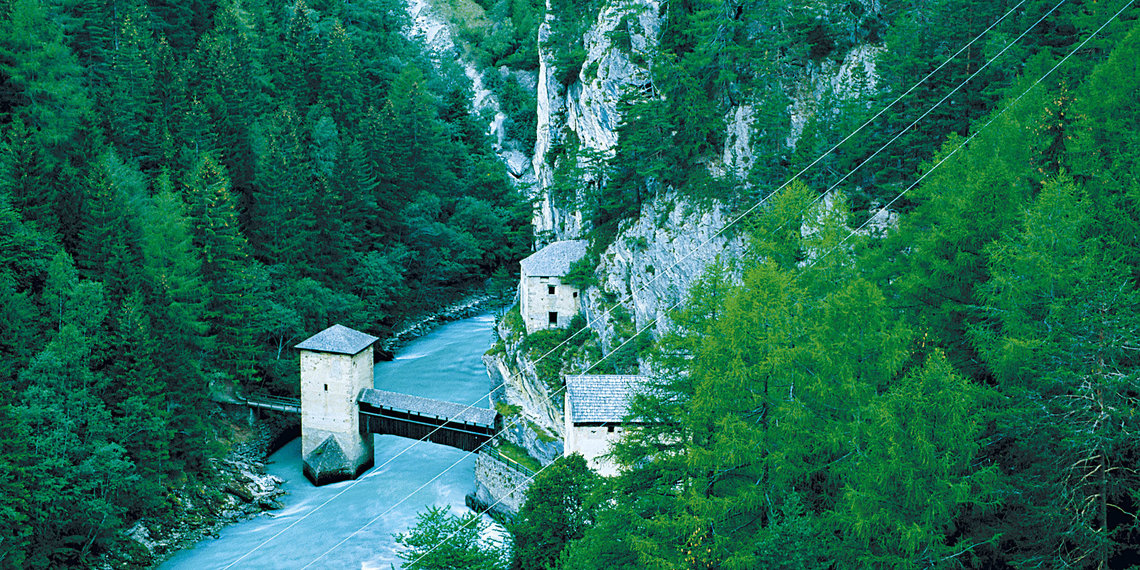
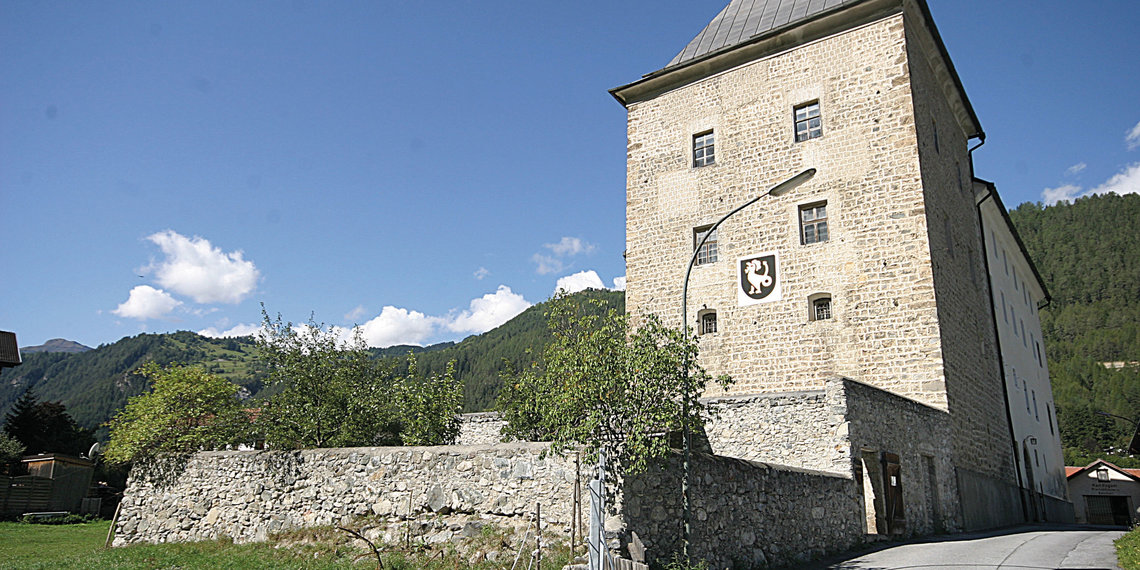
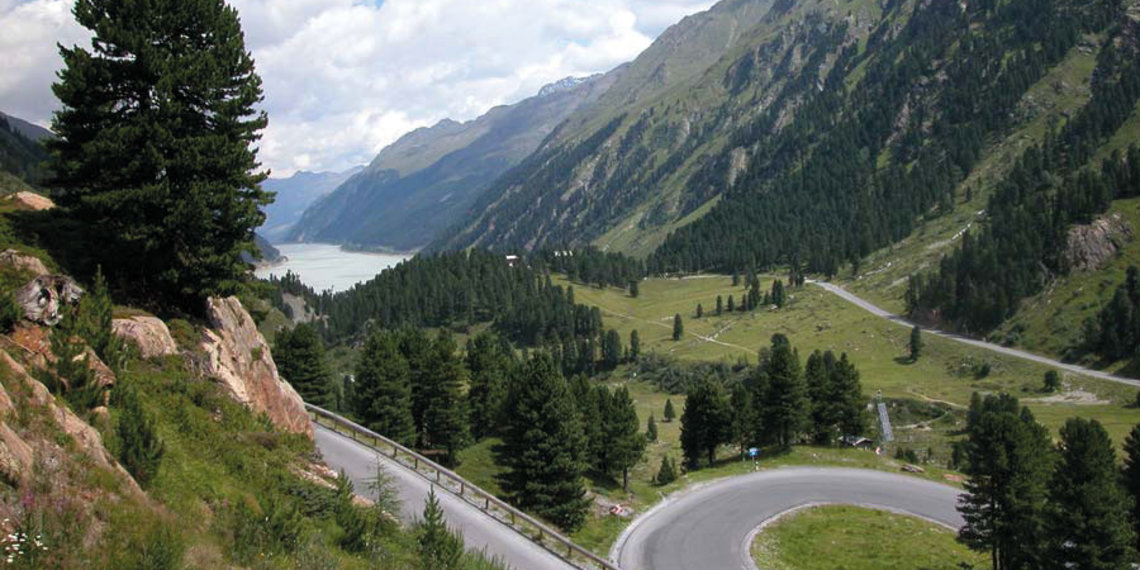
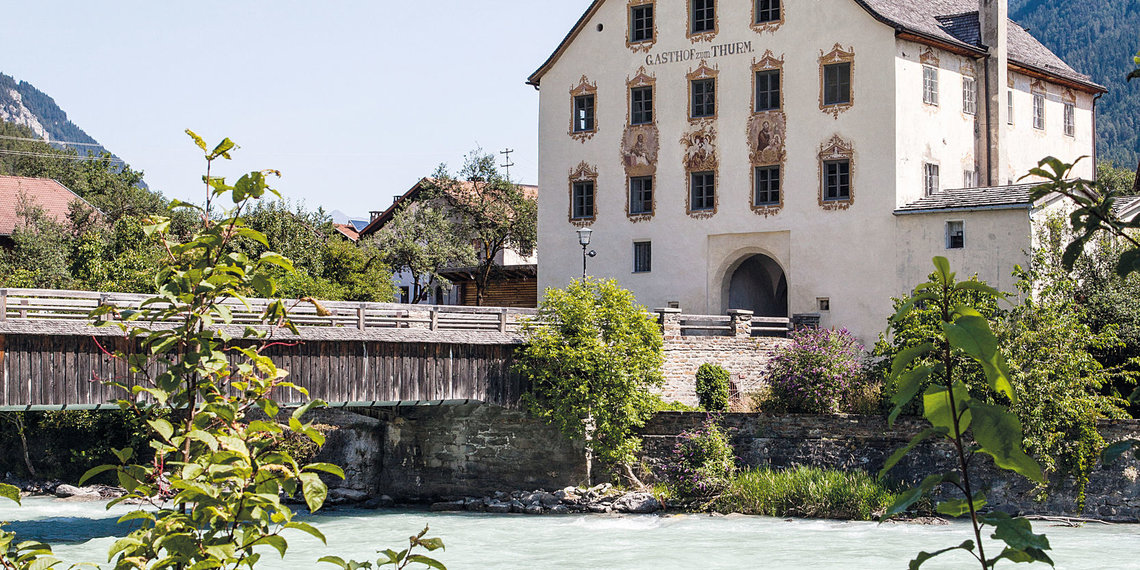
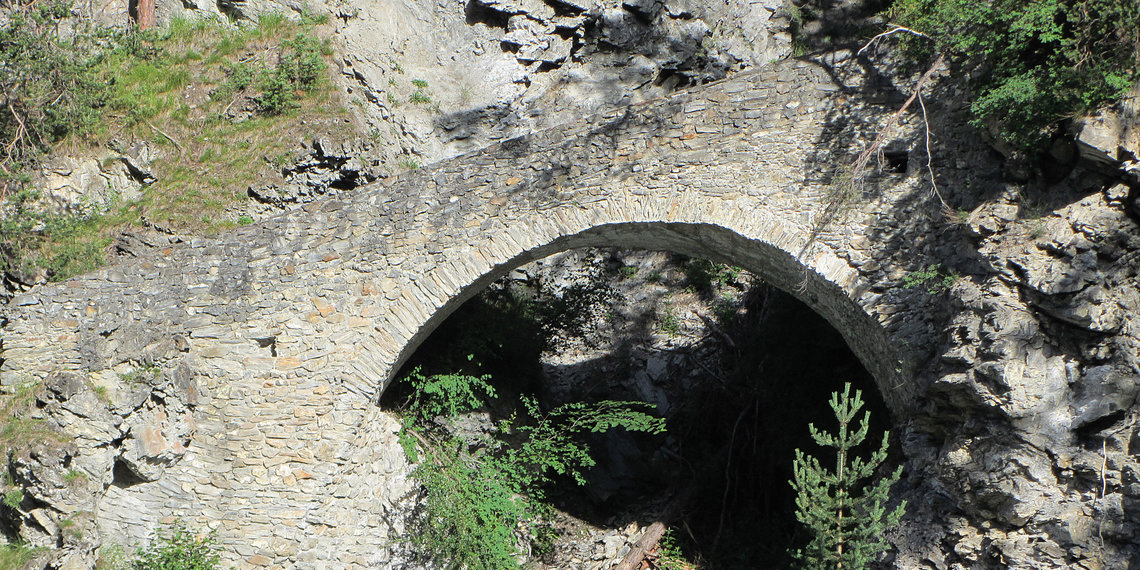
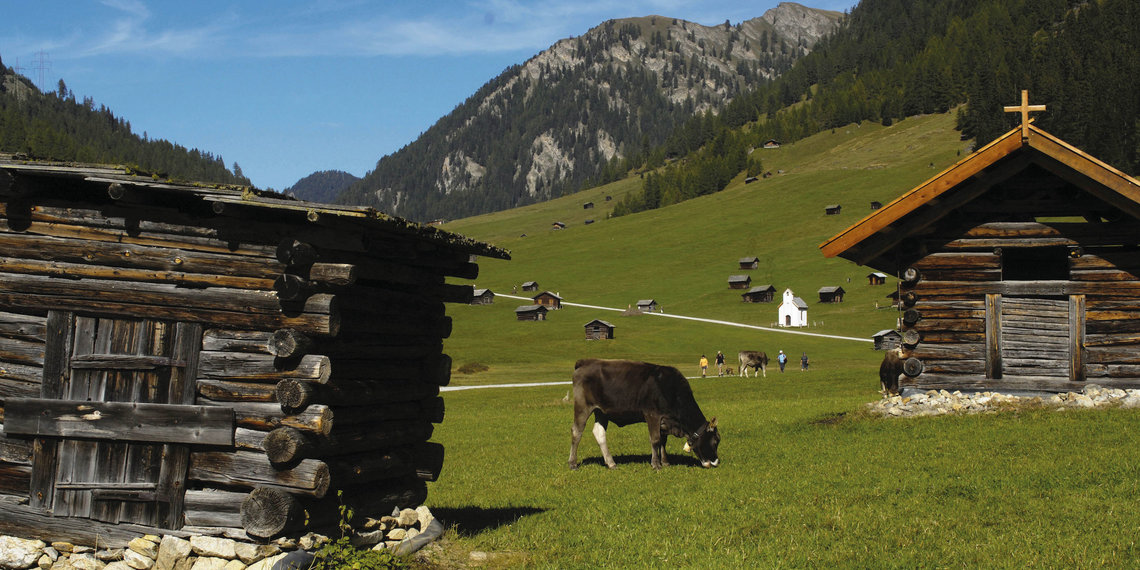
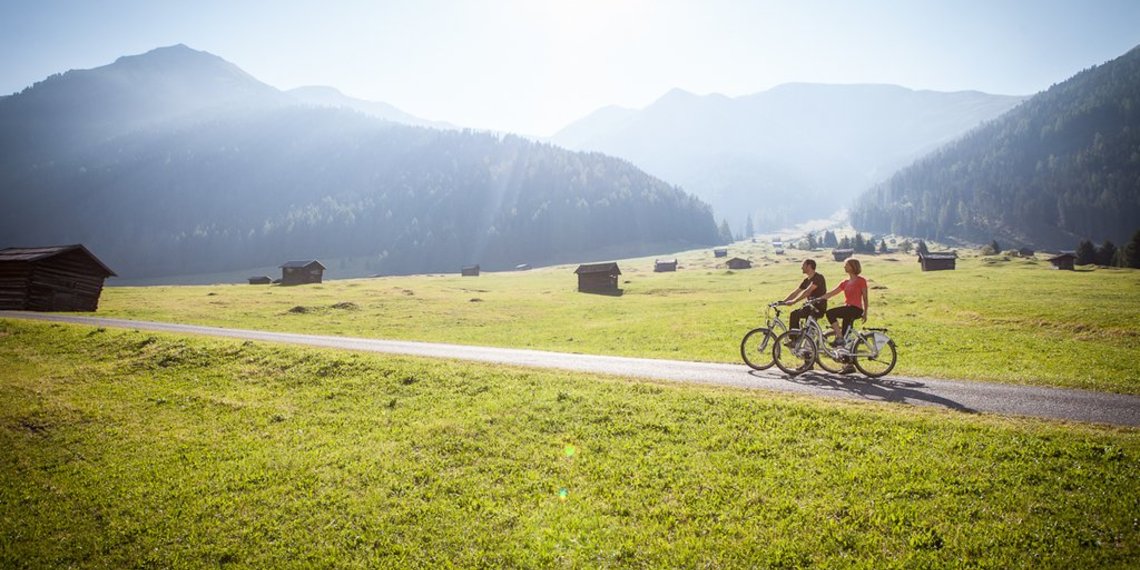

The cycling route continues along the old national road, which largely corresponds to the Roman road. Today, it is the domain of hikers, cyclists and those who live nearby. Burg Laudegg castle thrones above you as you cycle through verdant meadows towards Prutz, where the Roman road crosses the Inn river. After you cross the center of Prutz, you enter a new cycling path which takes you past the local swimming lake to Ried im Oberinntal and Tösens. Towards Pfunds, the cycling route takes you past picturesque ponds along the old national road, following the Roman road on the western slopes of the mountain. It then crosses the valley and leads you into the village of Pfunds. An old tower bridge over the Inn incorporates Stuben, the historically grown center of the village, into the cycling route. It then follows the Inn river to the historical toll station of Altfinstermünz. Before reaching the toll station, the Roman road (identical with this section of the cycling route) runs along the external border between the EU and Switzerland.
For information, contact
Via Claudia Augusta Info
www.viaclaudia.org/en
info@viaclaudia.org
0043 664 27 63 555
For specific questions about the region, contact the
tourist board of the Reutte nature reserve region.
www.tiroler-oberland.com
Hintergasse 2, 6522 Prutz
Kirchplatz 48, 6531 Ried im Oberinntal
Stuben 40, 6542 Pfunds
office@tiroler-oberland.com
0043 50 225 100


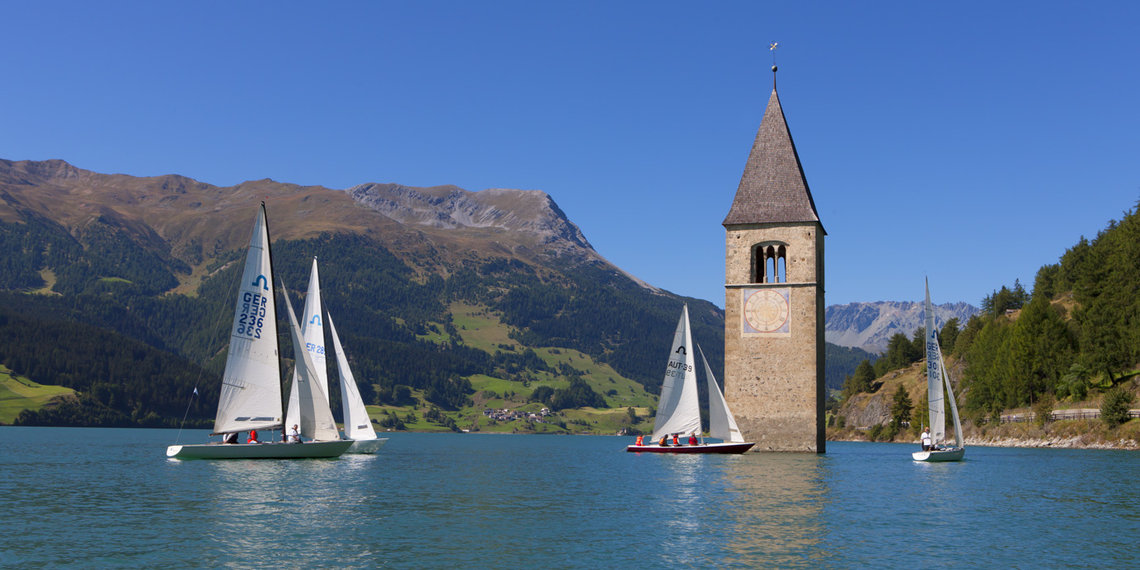
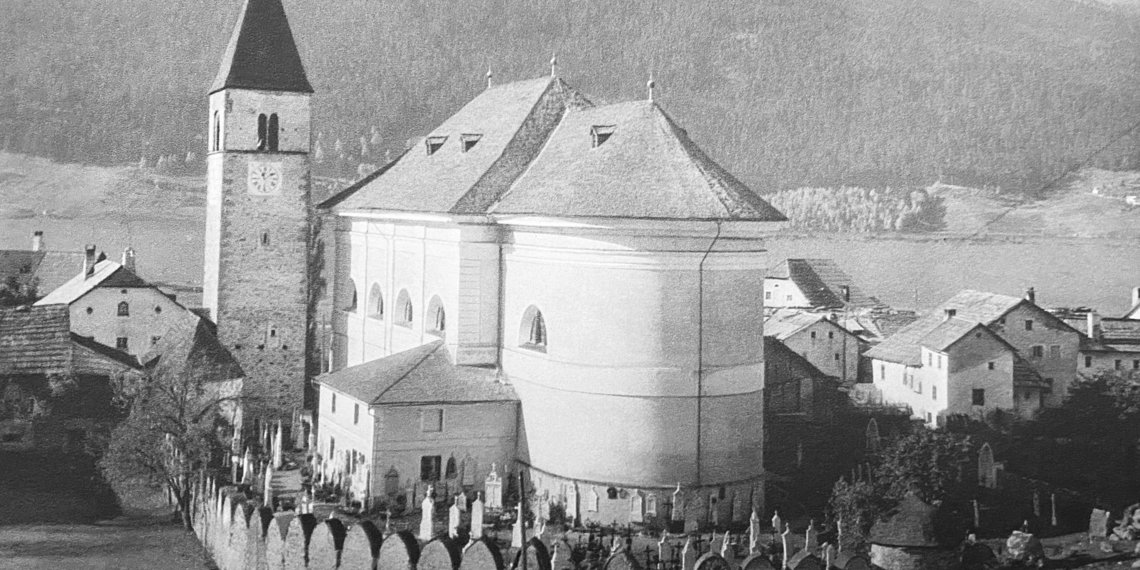
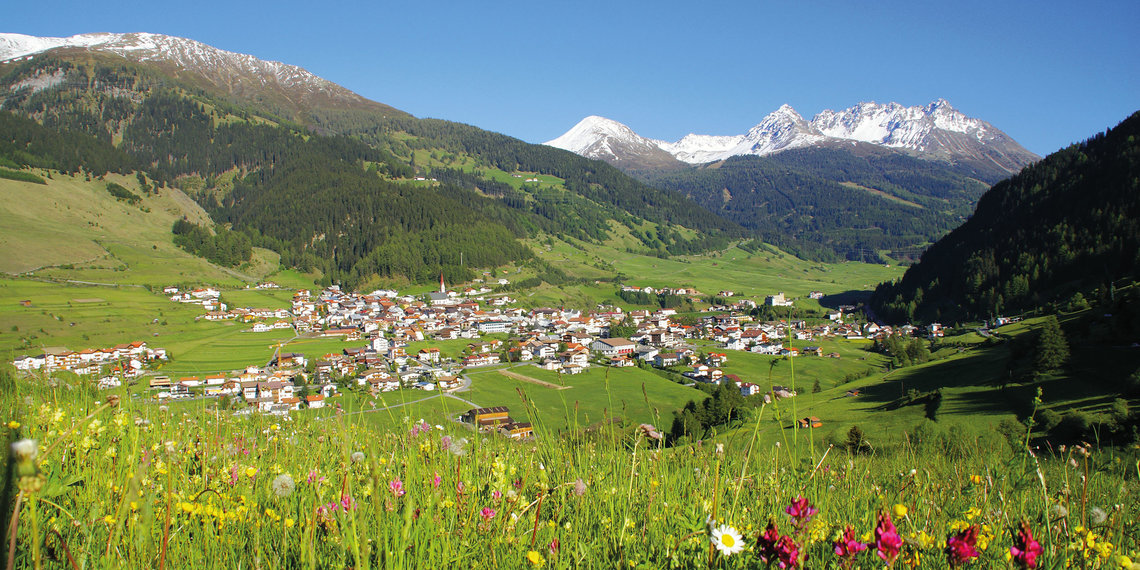
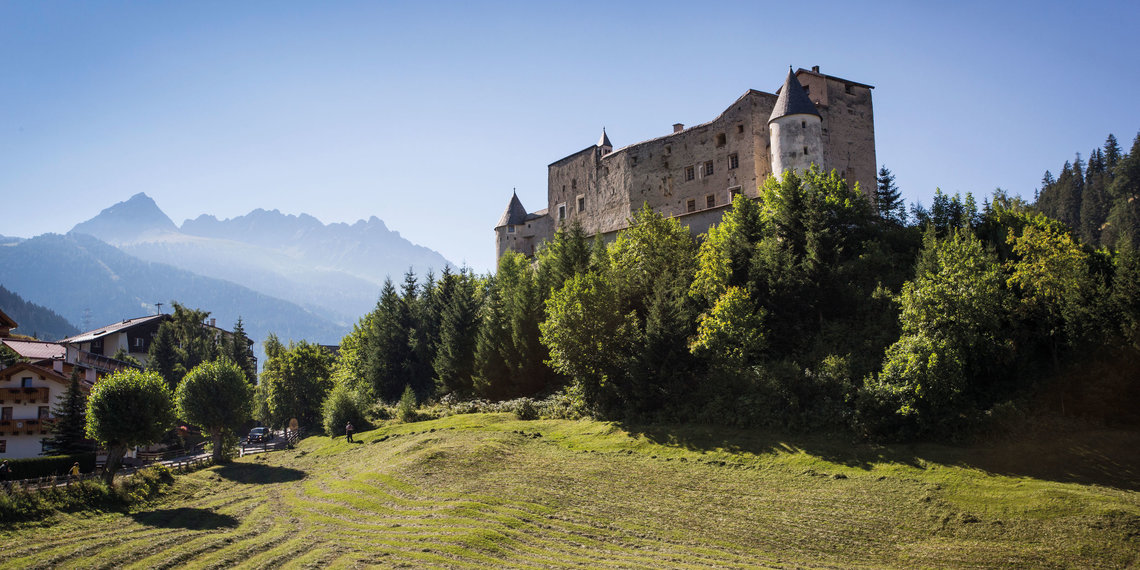
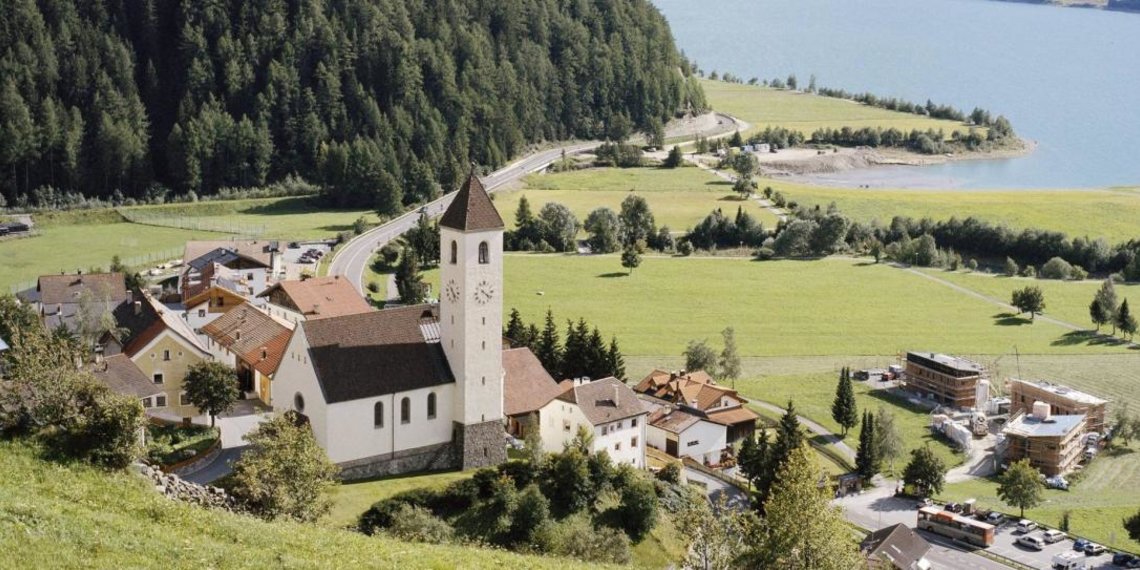
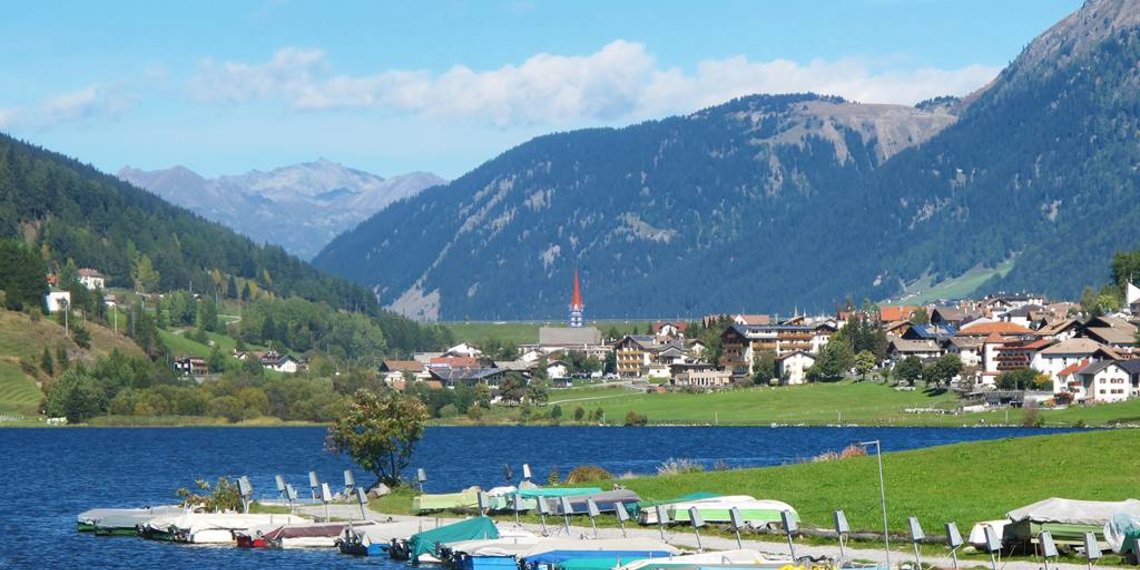
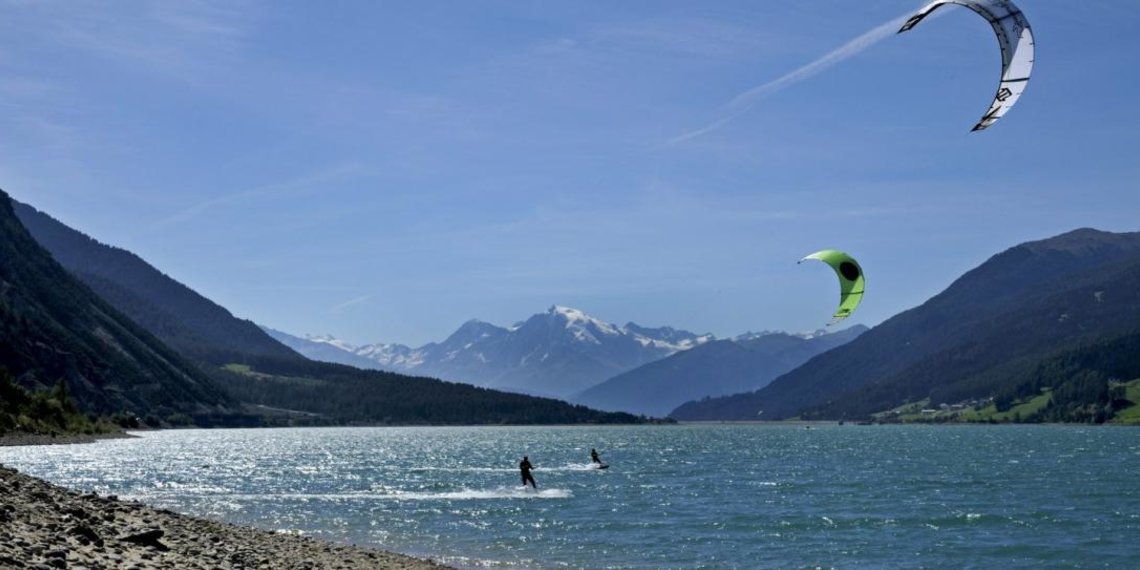
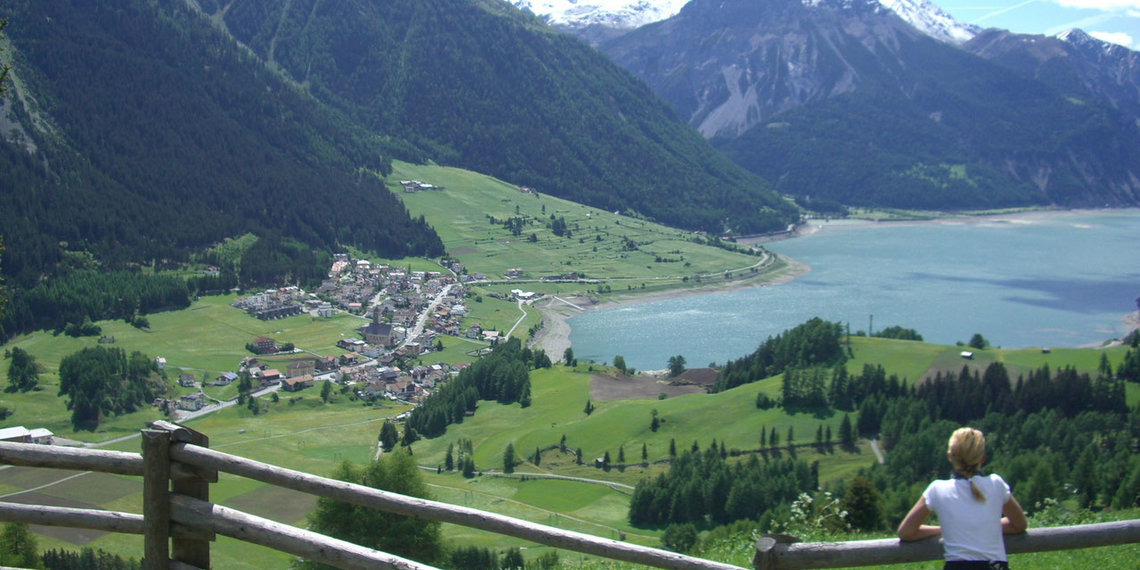
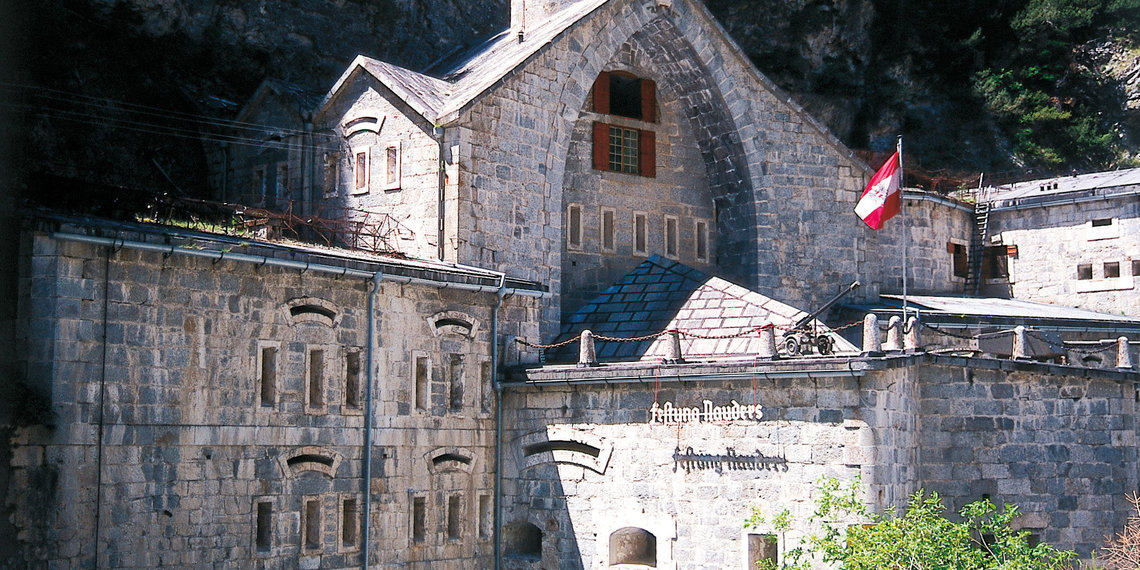

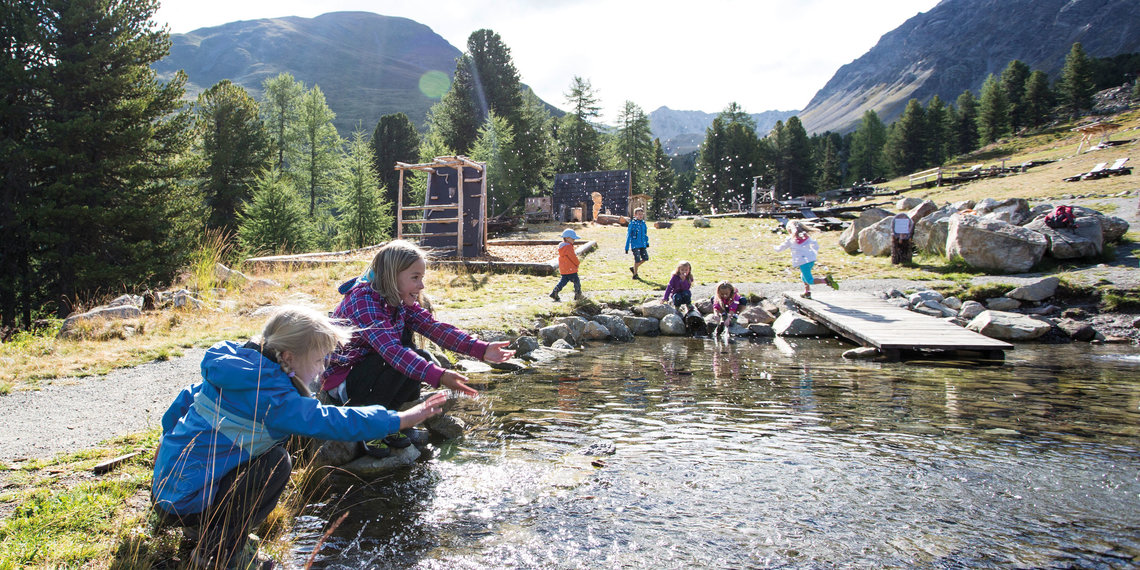
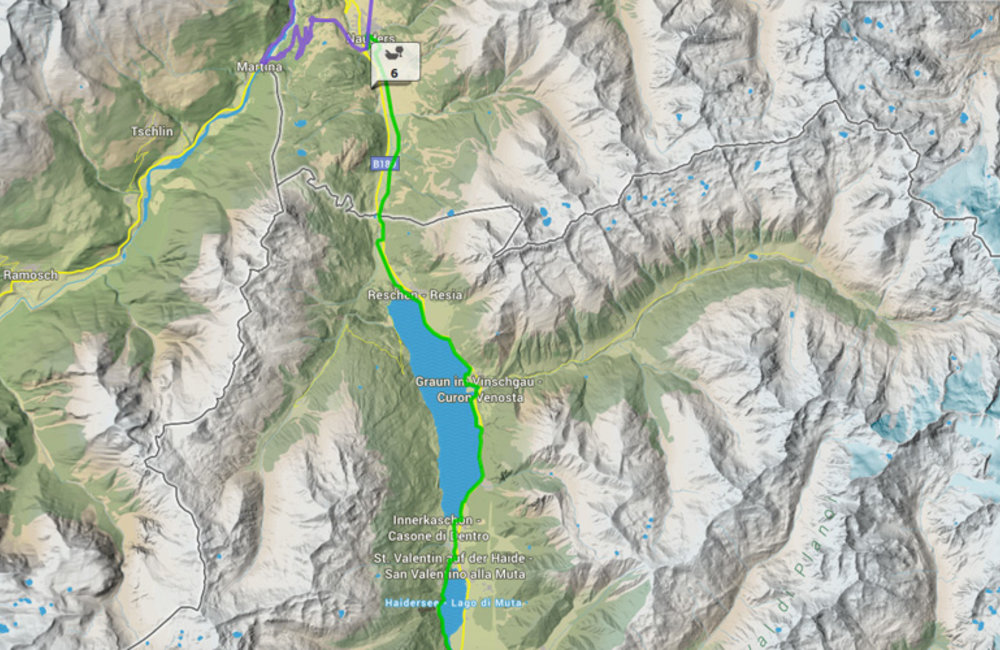
All passes along the Via Claudia Augusta can be crossed by bike shuttle. Of course, you can also choose to attempt the ascent yourself. The bus to the Reschenpass, which runs several times a day, has a large bicycle trailer attached to it. If you decide to cycle to the peak of the route yourself, you will first follow a beautiful path along the Inn river to Altfinstermünz before continuing to Martina in Switzerland. (You will cross the external border of the EU: do not forget your passport!) The route then snakes up to the Norbertshöhe pass and runs towards Nauders on the Reschenpass. From there, you follow the old national road to the Reschenpass. Today, it is a single-lane road that is only used by cyclists, pedestrians and local residents. It snakes across beautiful mountain pastures, precisely following one track of the old Roman road (photo point). Unlike the Etschtal cycle path, the Via Claudia Augusta route runs along the same shore of the lakes as the old Roman road did. Today, the Roman road is buried at the bottom of the lake together with the village of Altgraun and its church. After passing the Reschen dam, you enter the quaint village and afterwards the Mals/Malles heath, which the Roman road used to cross.
For information, contact
Via Claudia Augusta Info
www.viaclaudia.org/en
info@viaclaudia.org
0043 664 27 63 555
For specific questions about the region up to the Reschenpass, contact the
tourist information office of Nauders am Reschenpass:
www.nauders.com
Doktor-Tschiggfrey-Str. 66, 6543 Nauders
office@nauders.com
0043 50 225 400
For specific questions about the region from the Reschenpass onwards, contact
the tourist information office of Vinschgau
www.vinschgau.net/en
info@vinschgaumarketing.net
0039 0473 620 480


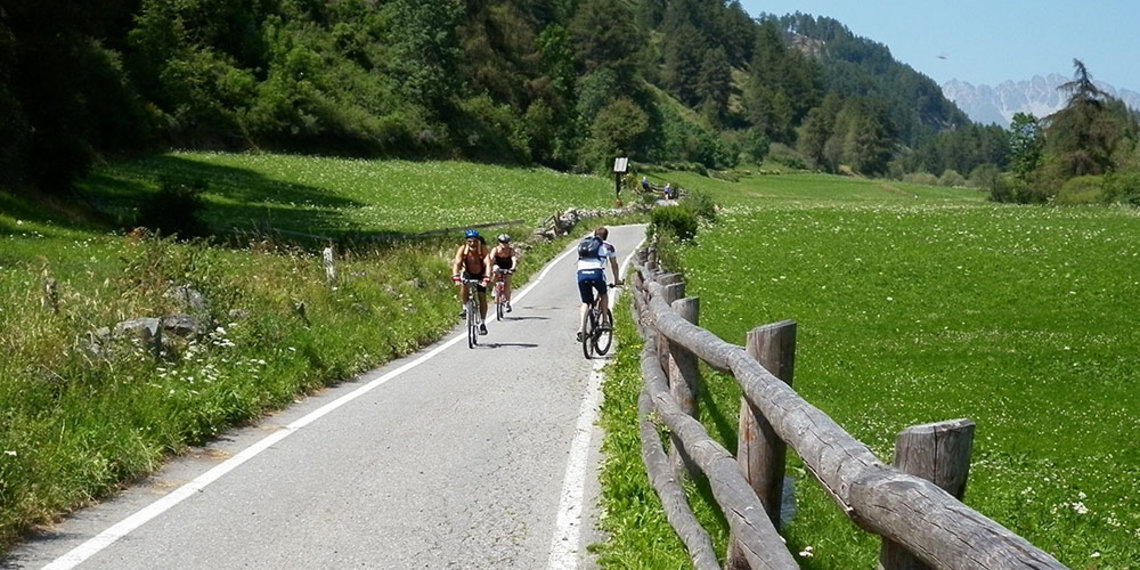

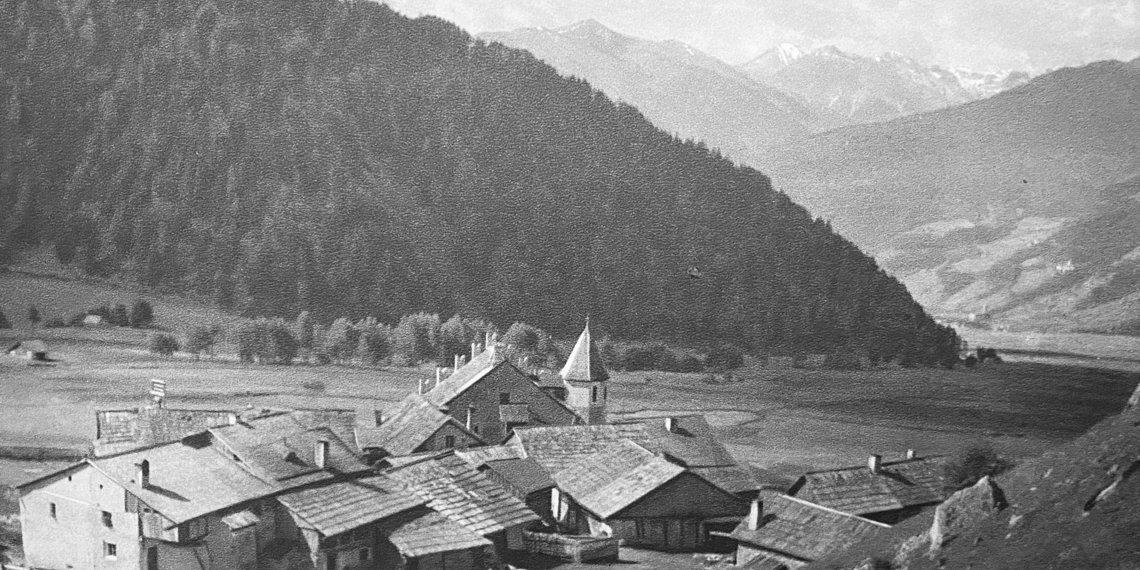

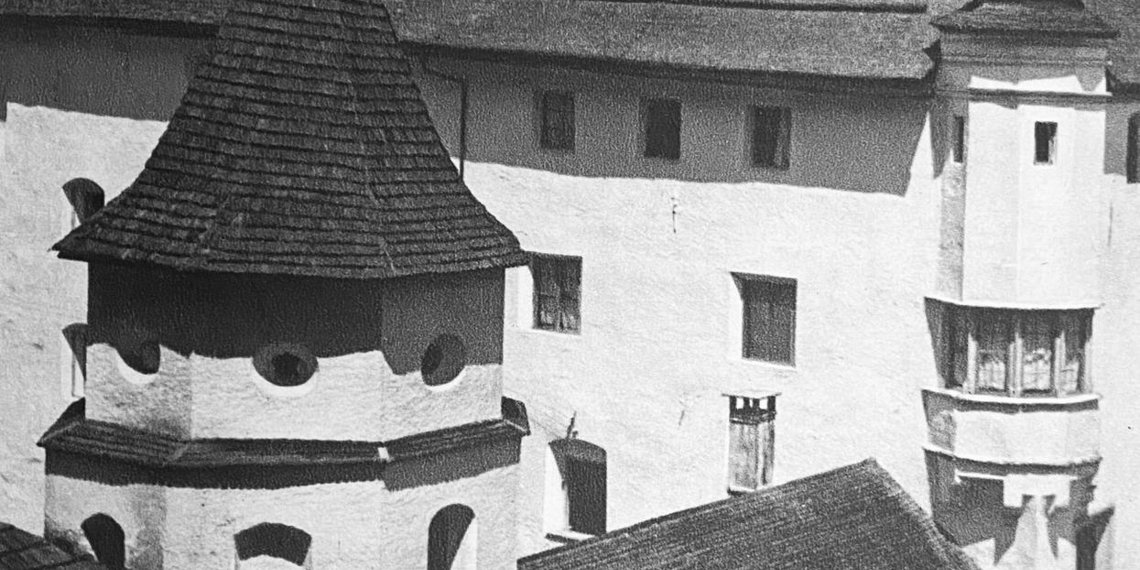


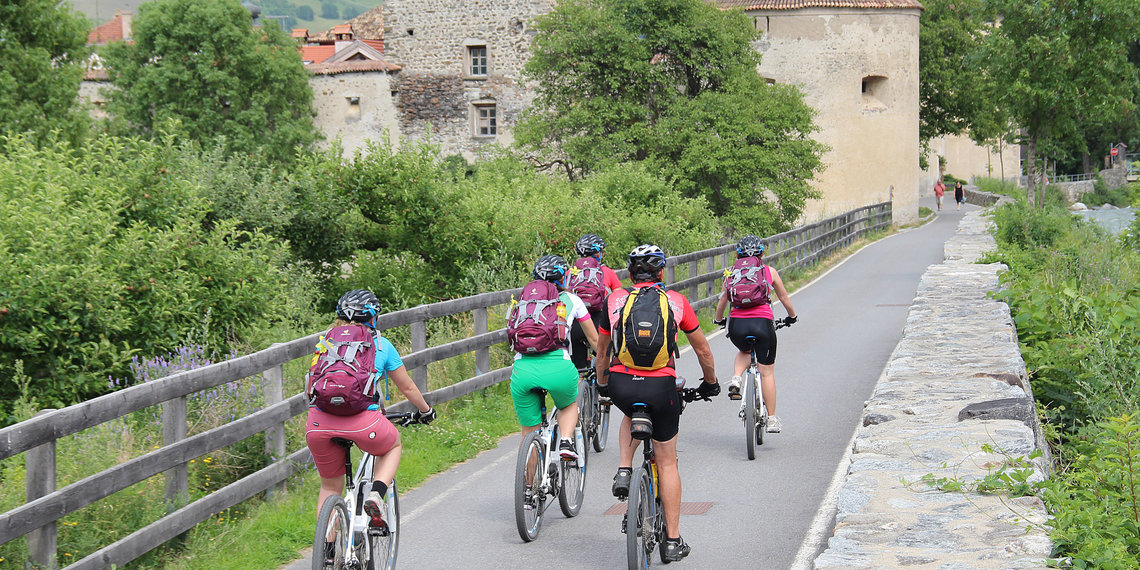

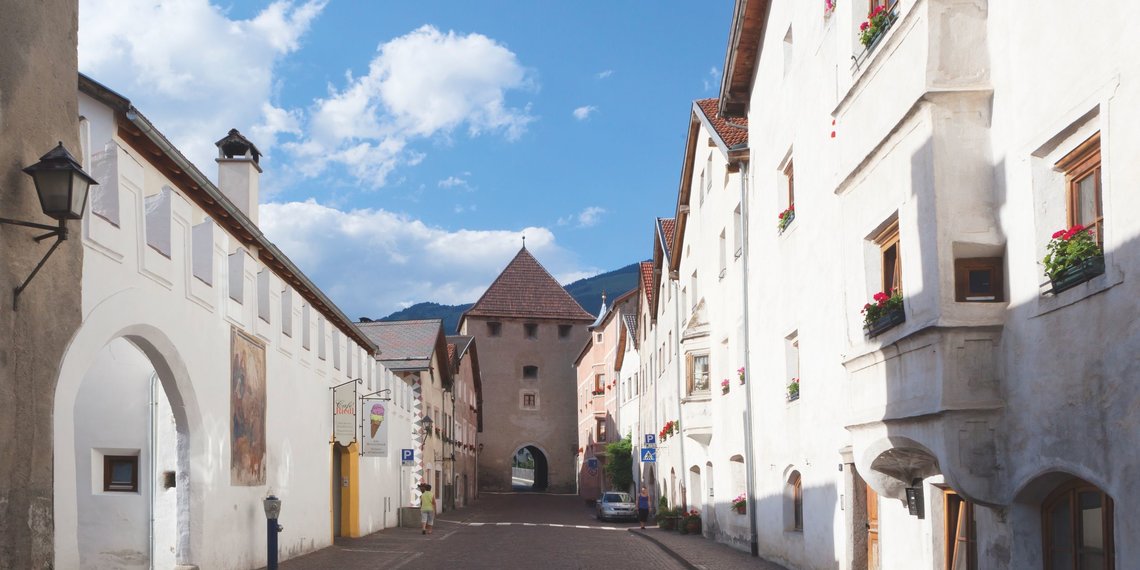
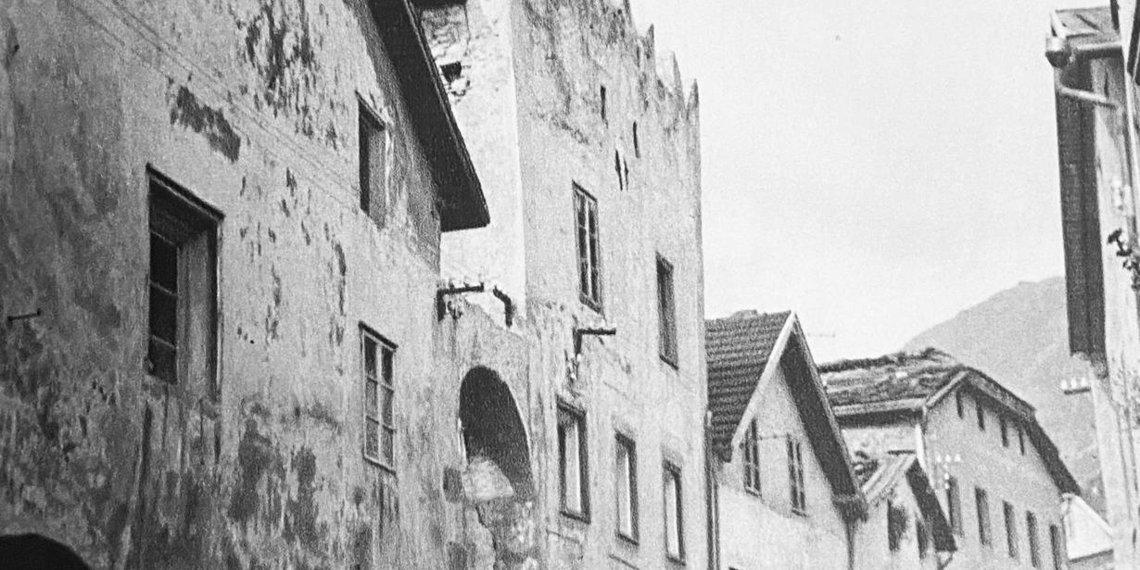
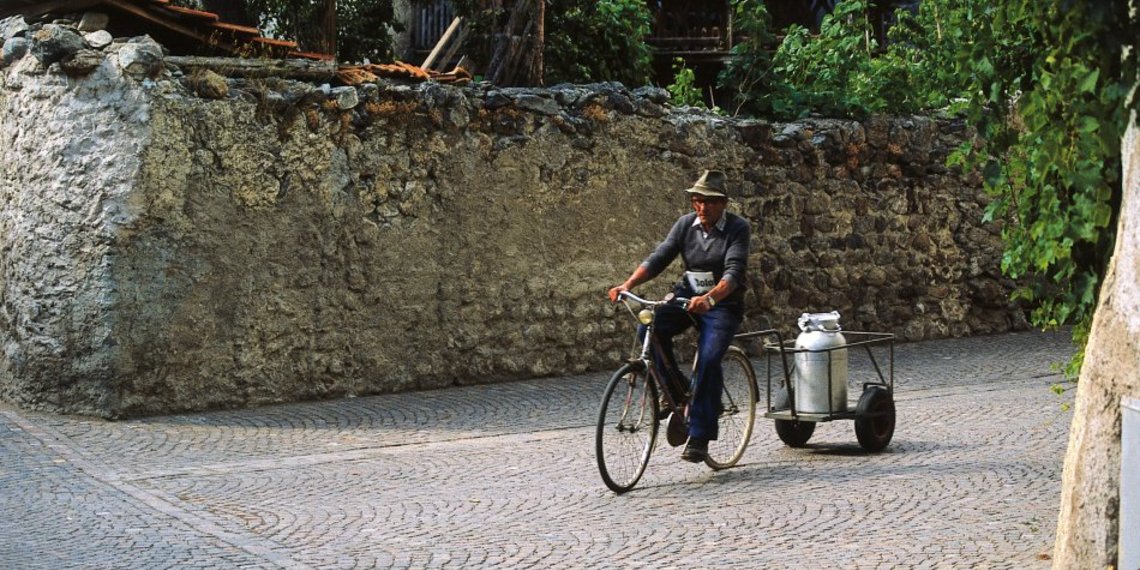
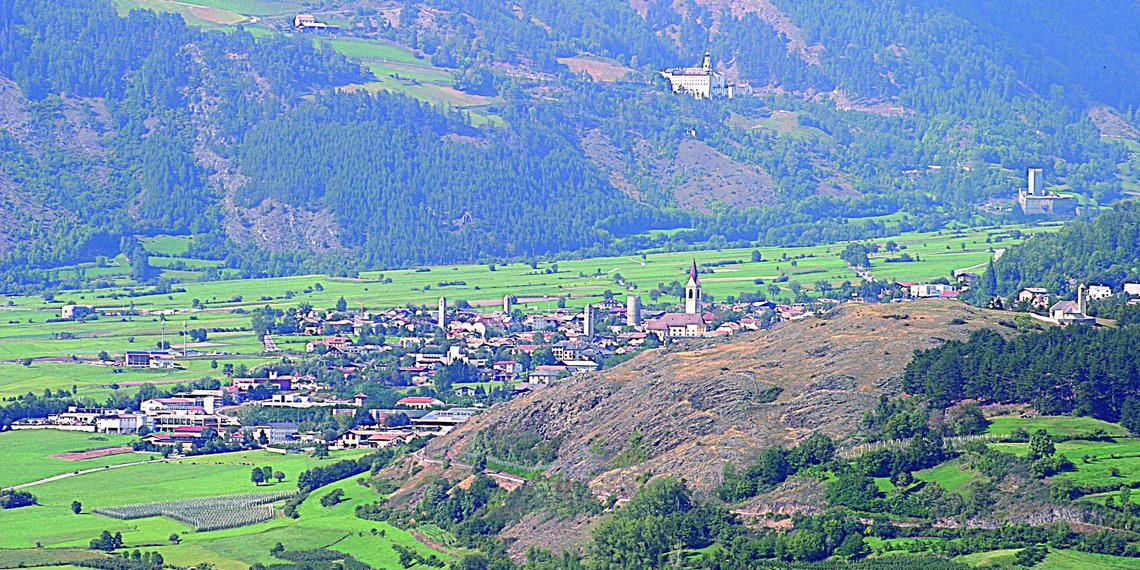
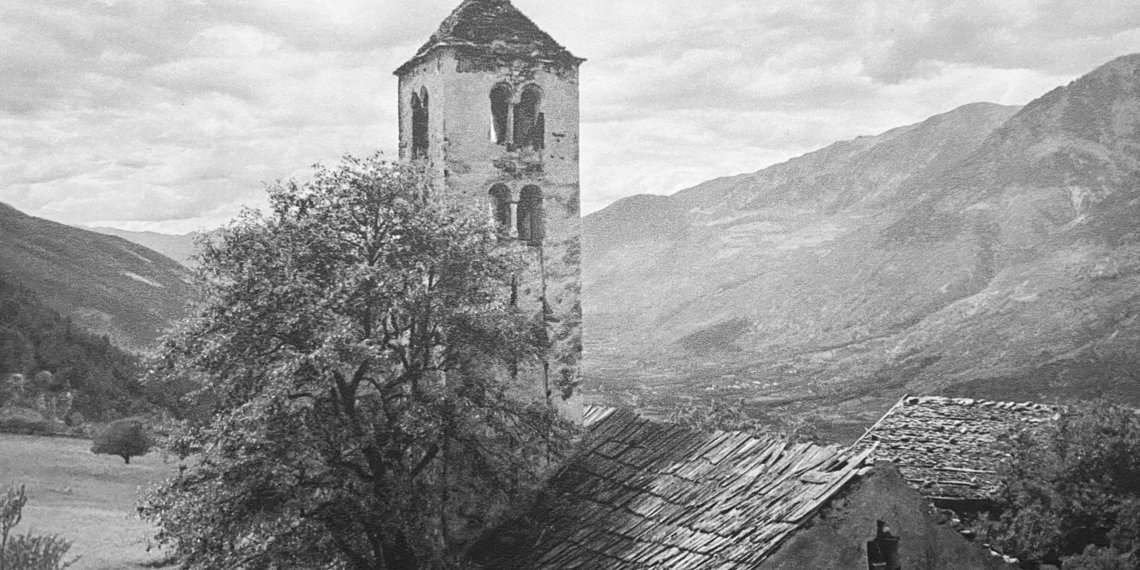
The Vinschgau cycling route runs along the edge of the Mals/Malles heath, the largest alluvial fan of the Alps. It takes you past the picturesque canals of the health towards the hamlet of Burgeis/Burgusio, overlooked by the Marienberg monastery. Continue to the edge of Mals/Malles, which is lined with many small towers, and cross the hamlets of Schleis/Clusio and Laatsch/Laudes before entering the medieval town of Glurns/Glorenza. The next section of the route takes you through meadows and apple orchards to Spondinig/Spondigna. Before entering the village, you will be treated to a sweeping view of Schluderns/Sluderno and Churburg castle on one side and the ruins of Lichtenberg castle on the other side. When you enter Mals/Malles, you are on the Sonnenberg, which is covered in dry grassland. The route finally crosses the valley through a marshland. At the foothills of the Stilfser Joch pass lies Prad/Prato.
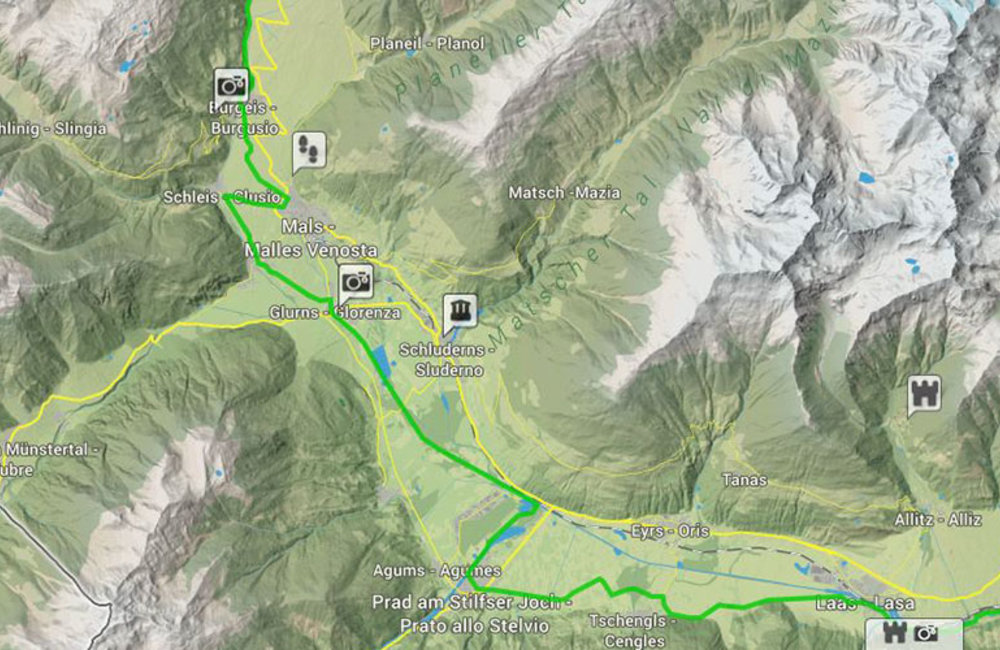
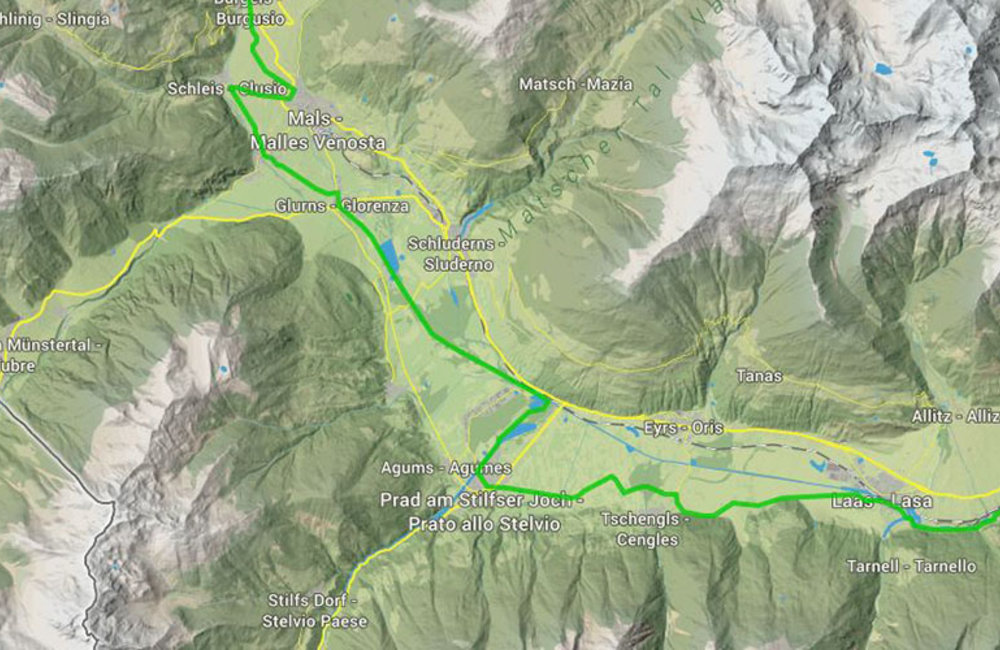
For information about the entire route, contact
Via Claudia Augusta Info
www.viaclaudia.org/en
info@viaclaudia.org
0043 664 27 63 555
For specific questions about the region, contact the
Vinschgau tourist information
www.vinschgau.net/en
info@vinschgaumarketing.net
0039 0473 620 480
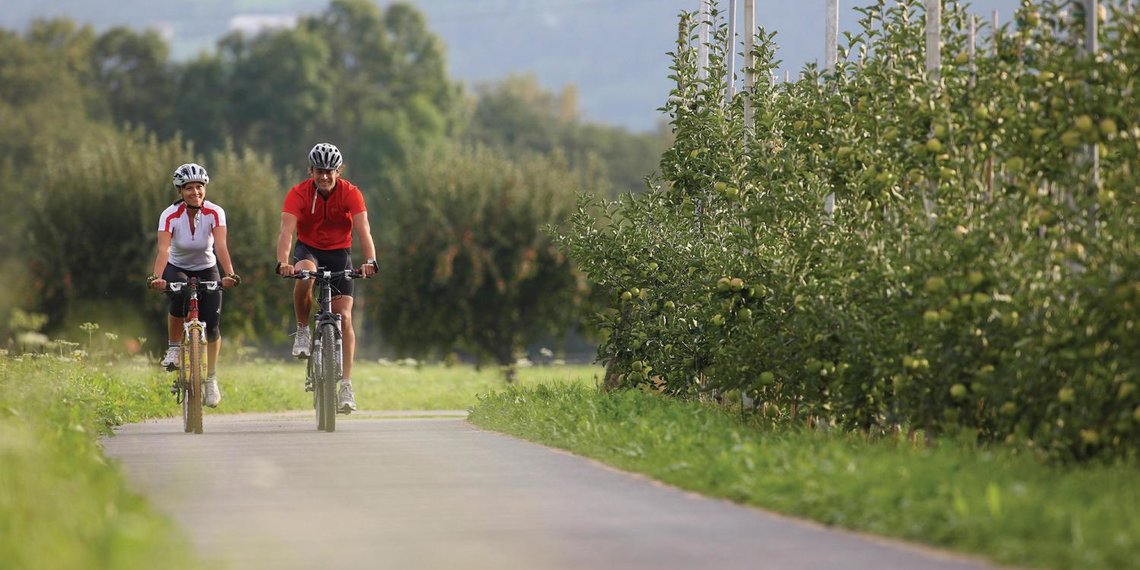
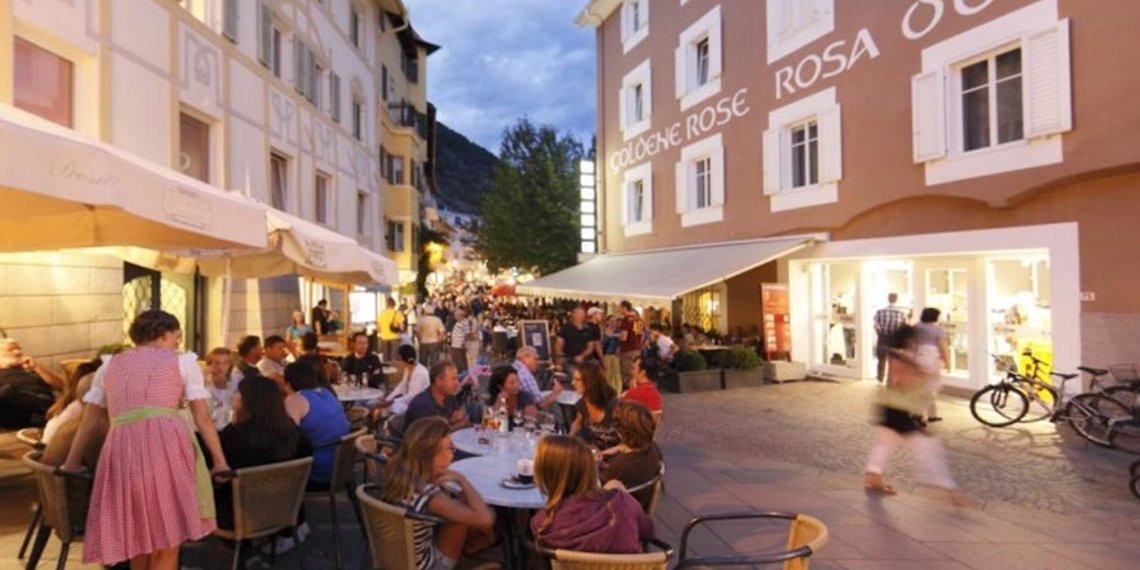
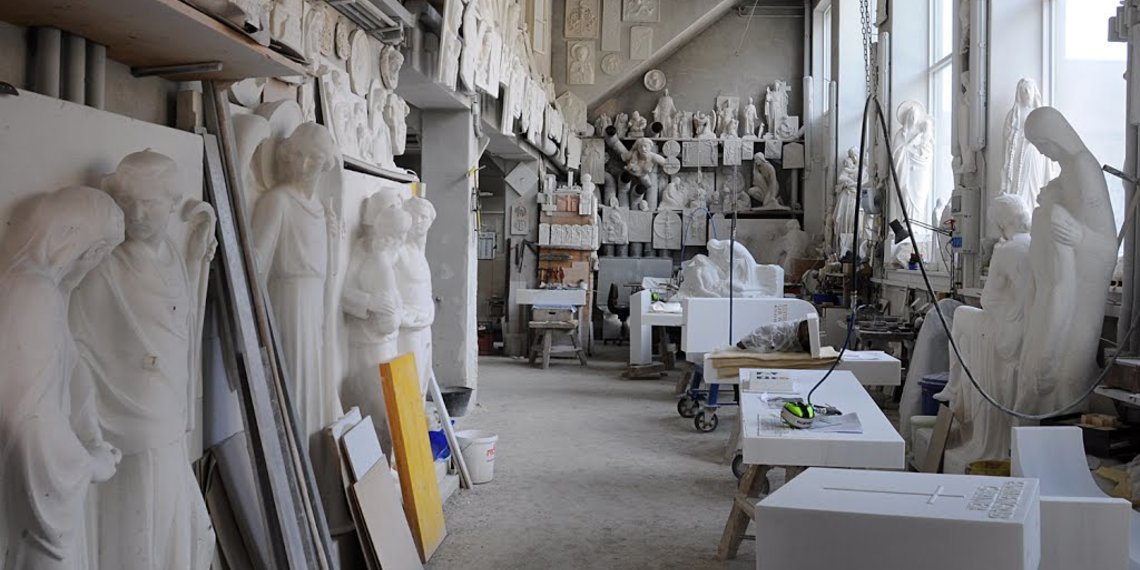
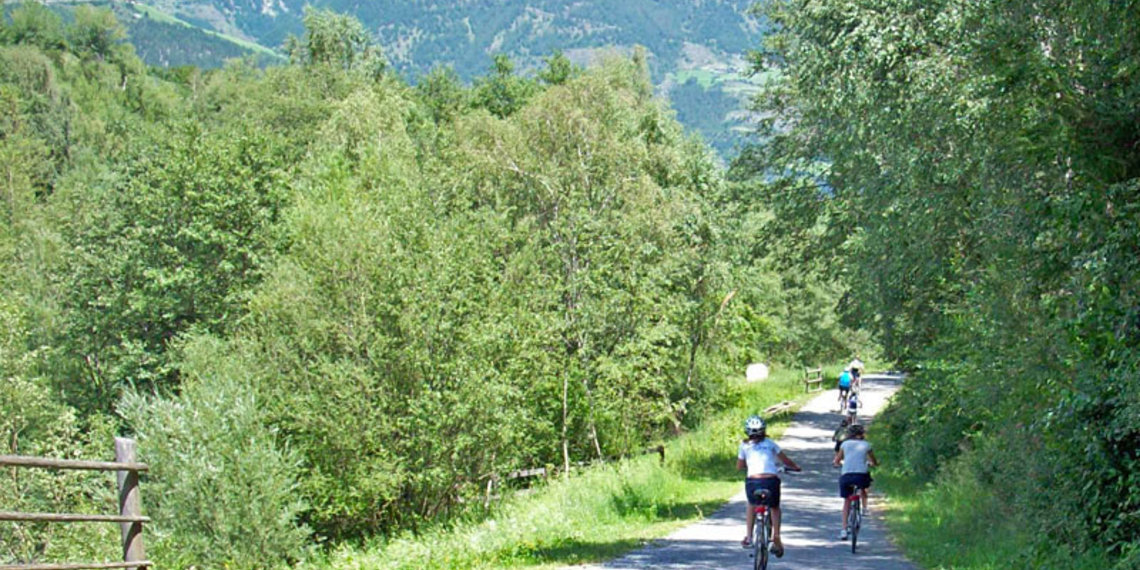
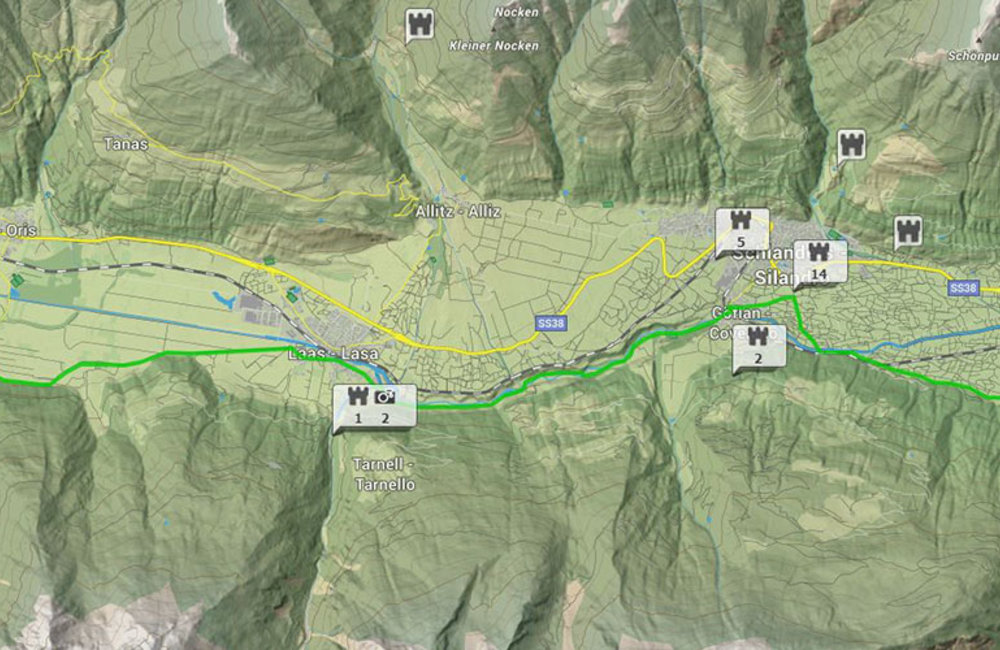
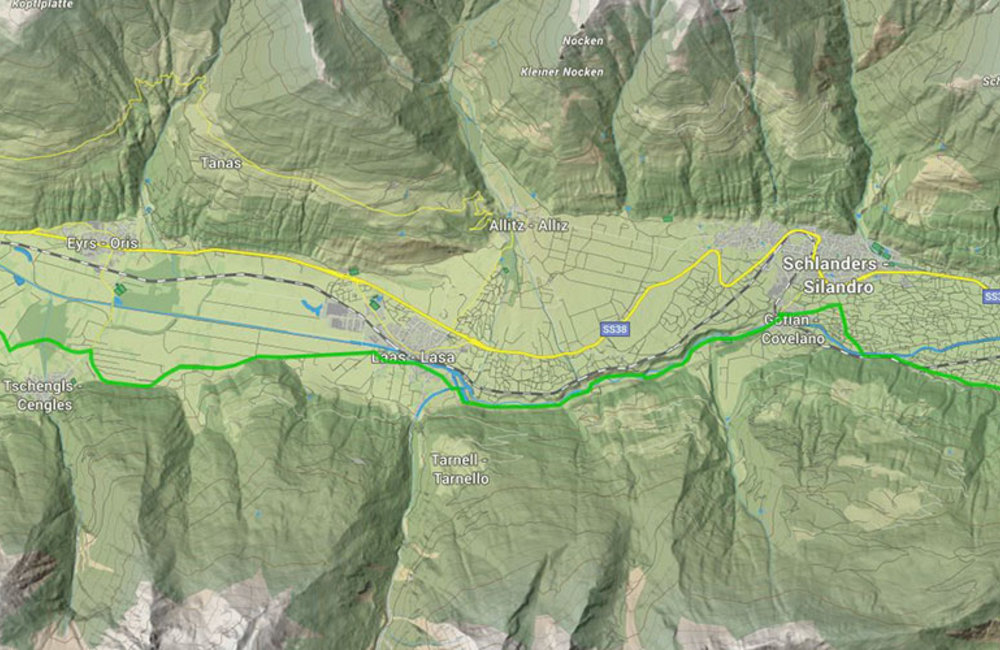
Cycle across meadows and through apple orchards to reach the hamlet of Tschengels/Cengles with its castle. Continue to Laas/Lasa, cross the bridge over the Etsch river, and admire the town square made entirely of white marble. From Laas/Lasa, the route takes you through forests and meadows, mostly following the course of the river, which runs along the cooler southern side of the valley. High above the cycling route, you can see the famous marble quarries of Laas/Lasa and Göflan/Covelano. An inclined elevator connects them to the valley. When you reach Göflan, consider a detour to the center of the county capital of Schlanders/Silandro: its attractions include a truly picturesque pedestrian area. Leave Göflan and cycle through apple orchards to Morter.
For information, contact
Via Claudia Augusta Info
www.viaclaudia.org/en
info@viaclaudia.org
0043 664 27 63 555
For specific questions about the region, contact the
Vinschgau tourist information
www.vinschgau.net/en
info@vinschgaumarketing.net
0039 0473 620 480
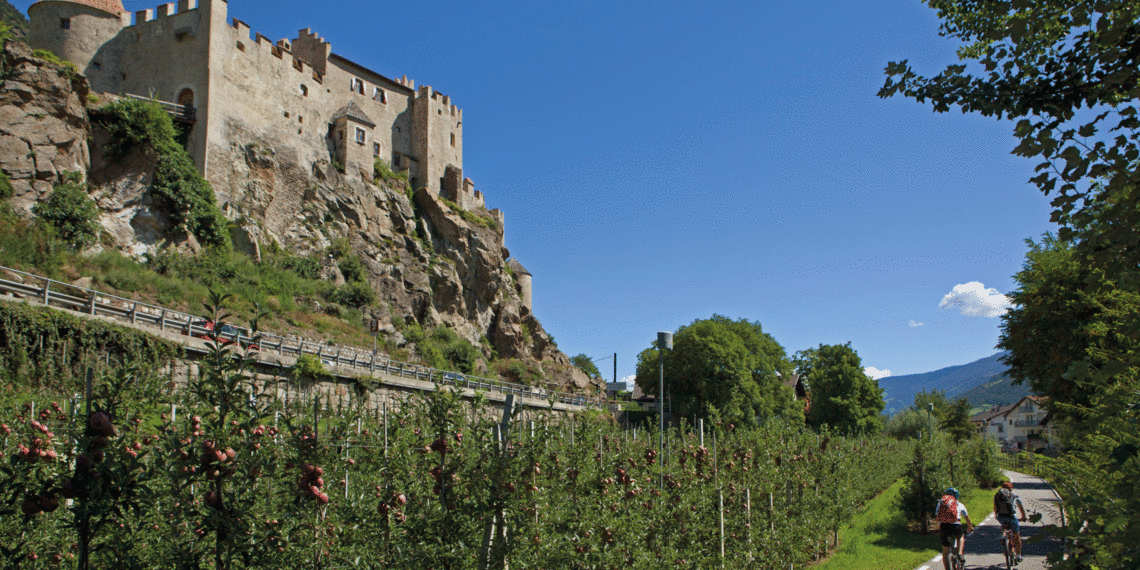
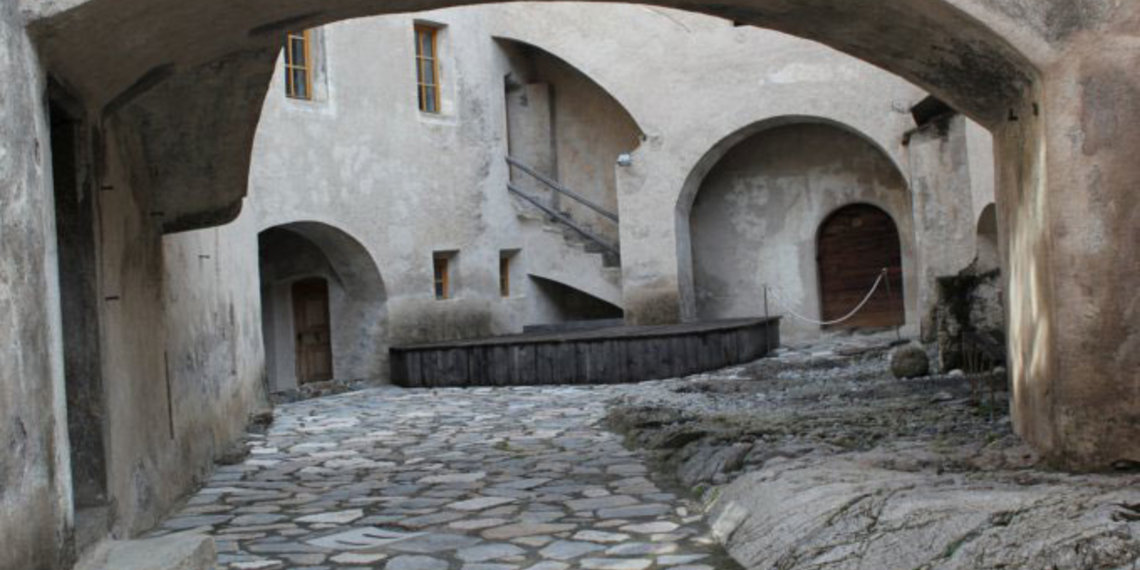
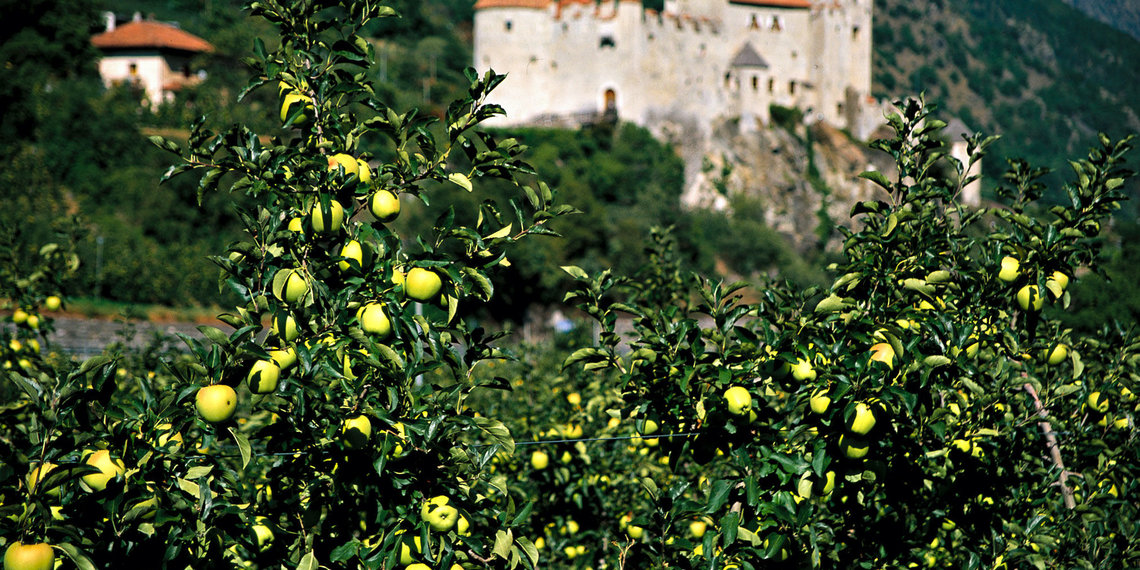
From Schlanders/Silandro, you cycle across apple orchards, meadows and forests along the cooler southern side of the valley. Cross Morter and reach Latsch/Laces. The route crosses the lively, attractive center of the market town. It then leads you to the Etsch river, and you continue to cycle along its shore and through a gorge to Kastelbell/Castelbello. Like everywhere in the Vinschgau valley, cyclists feel extremely welcome in Kastelbell: the cycling route is the main thoroughfare through the village, a position normally reserved for cars. The tourist information office is right on the route. Continue along the Etsch river and the Vinschgerbahn railway. The railway connects the Vinschgau valley with the other regions of South Tyrol, and it caters perfectly to cyclists.
For information, contact
Via Claudia Augusta Info
www.viaclaudia.org/en
info@viaclaudia.org
0043 664 27 63 555
For specific questions about the region, contact the
Vinschgau tourist information
www.vinschgau.net/en
info@vinschgaumarketing.net
0039 0473 620 480

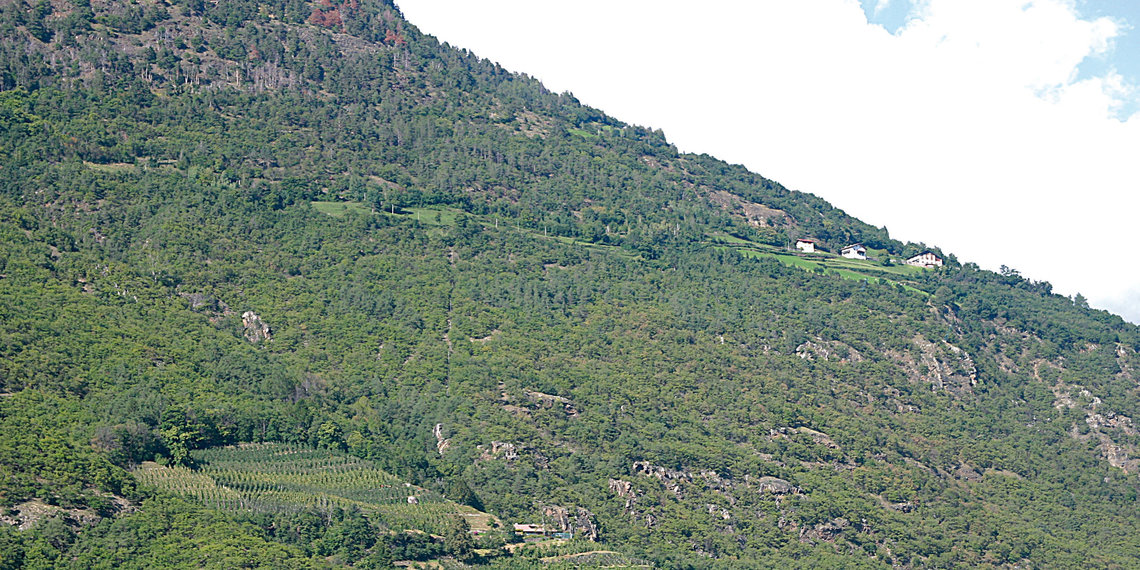
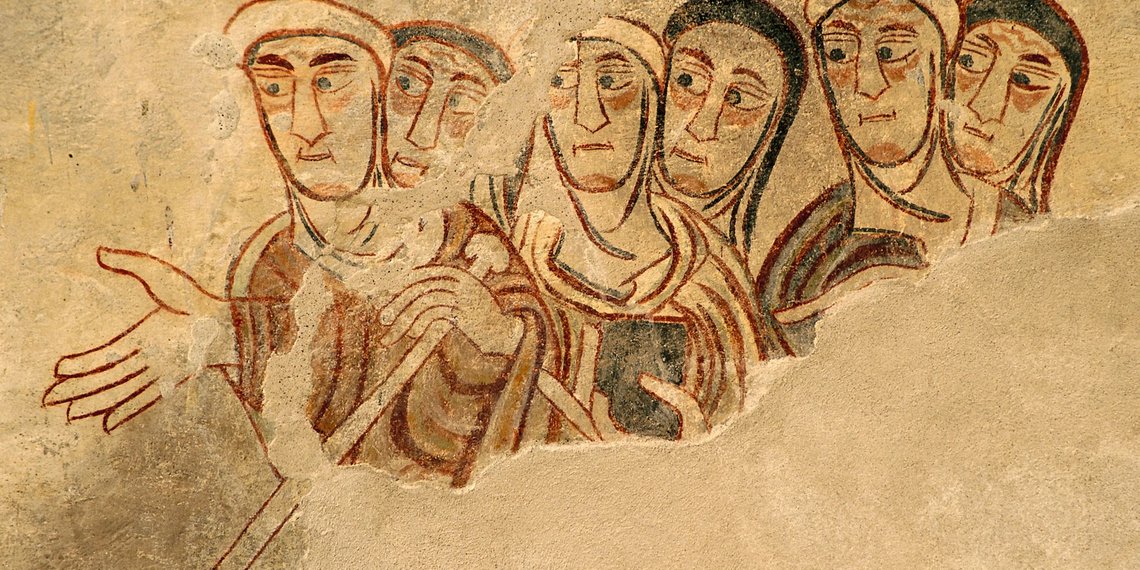
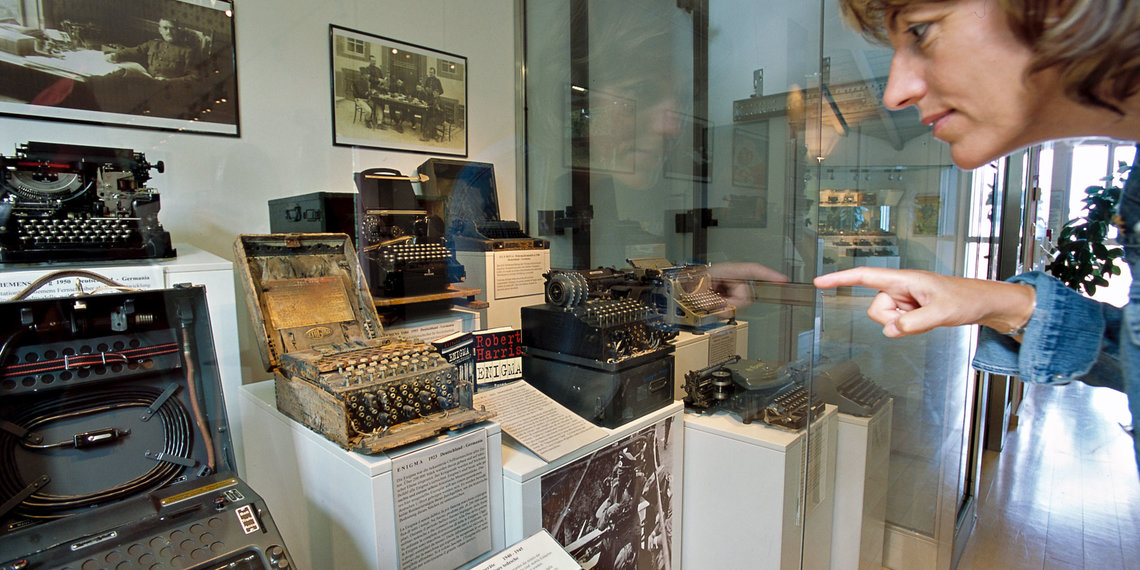
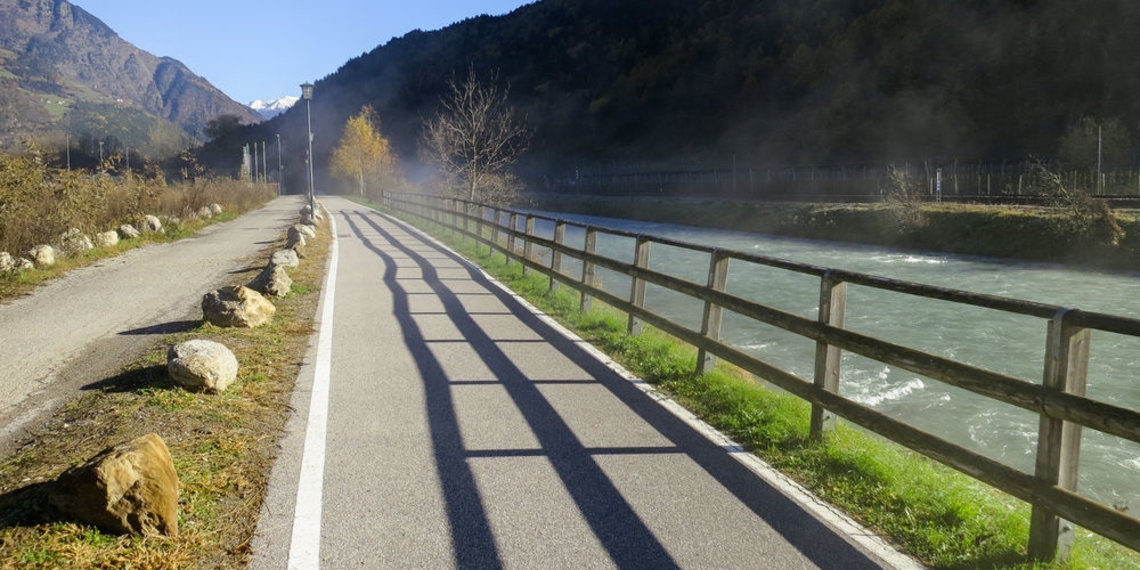
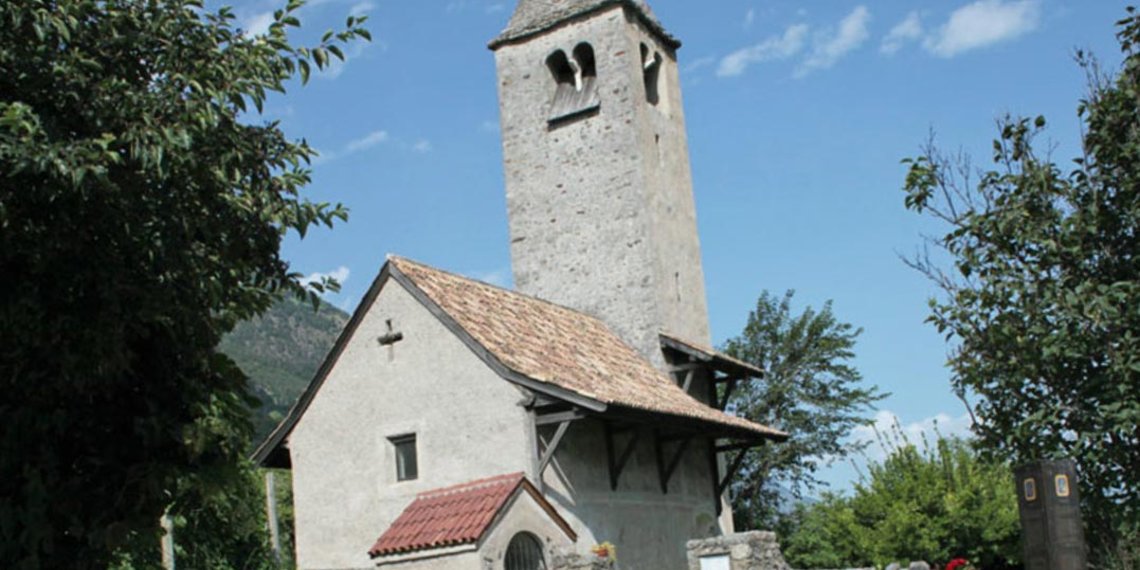
The cycling route crosses apple orchards and verdant meadows, following the Etsch river for long stretches as it leads you to Staben/Stava, Tschirland/Cirlano and Naturns/Naturno. The market town has one of the valley’s most lively centers, offering countless restaurants and shops. Although the cycling route follows the river, you have many opportunities to take a detour to the center. It offers some cultural and historical highlights: the St. Prokulus museum with its didactically well-prepared exhibits and the adjacent Prokuluskirchlein, a little church with spectacular frescoes, some of which date back to the 7th century. Continue along the Etsch river to Plaus and Rabland/Rablà, the site where one of the two historical milestones of the Via Claudia Augusta was discovered. The main district of the municipality of Partschins/Parcines is located a little way uphill from the route. The cycling route continues to the fault scarp at Töll/Tel, the geographical boundary of the Vinschgau valley and the site of a former toll station.
For information about the entire route, contact
Via Claudia Augusta Info
www.viaclaudia.org/en
info@viaclaudia.org
0043 664 27 63 555
For specific questions about the region, contact
www.suedtirol.info/en
info@suedtirol.info
0039 0471 999 999
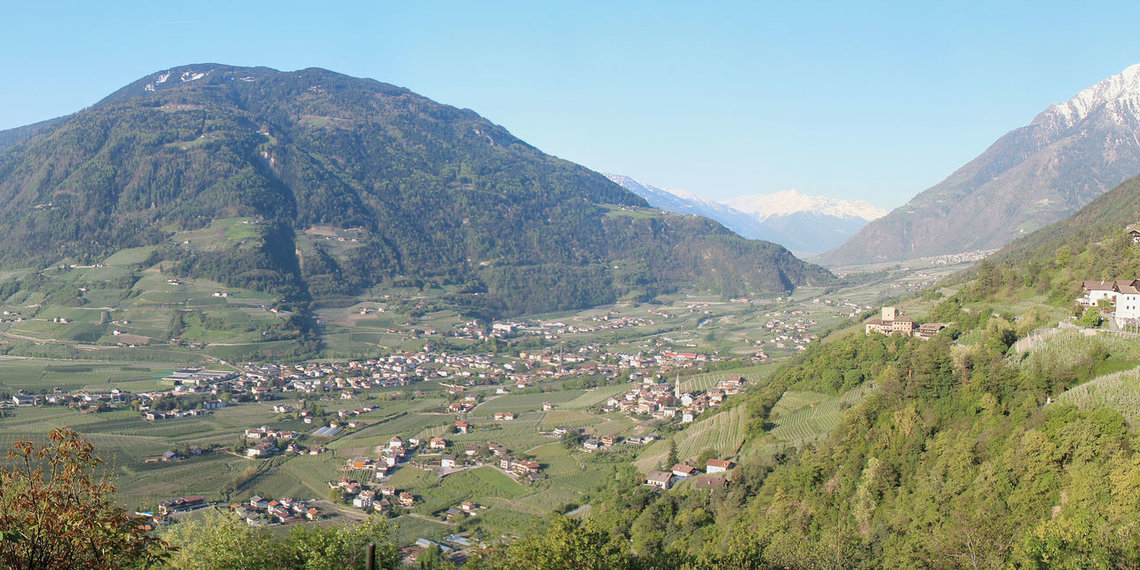
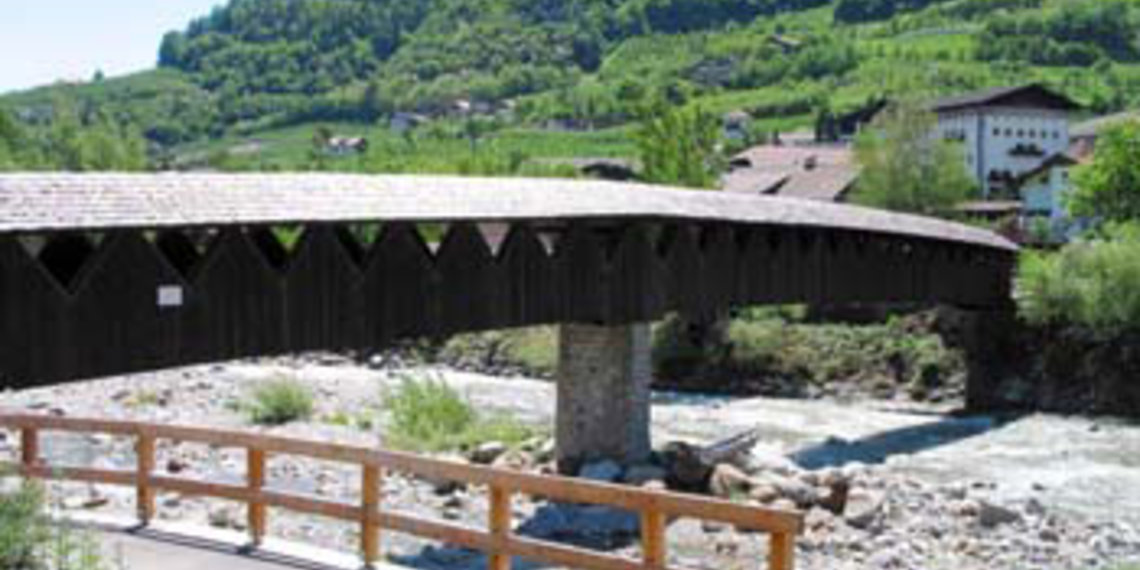
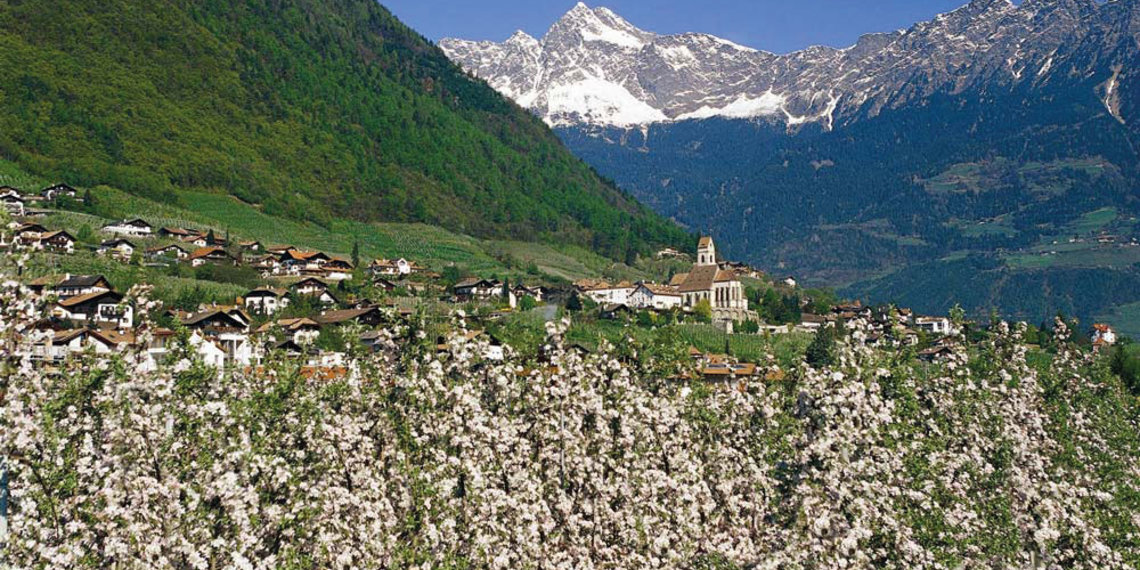
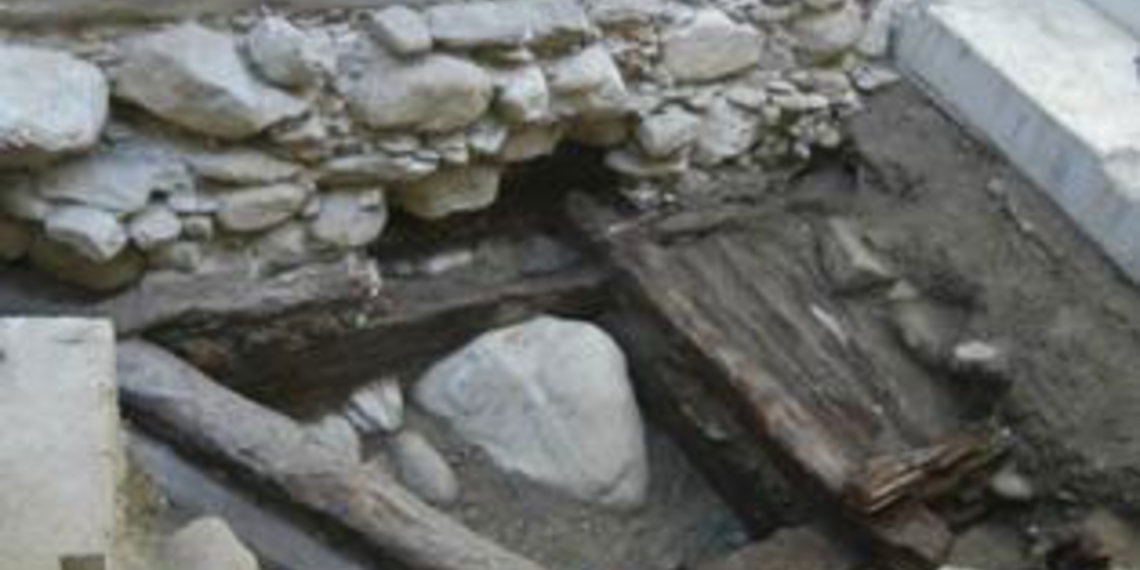
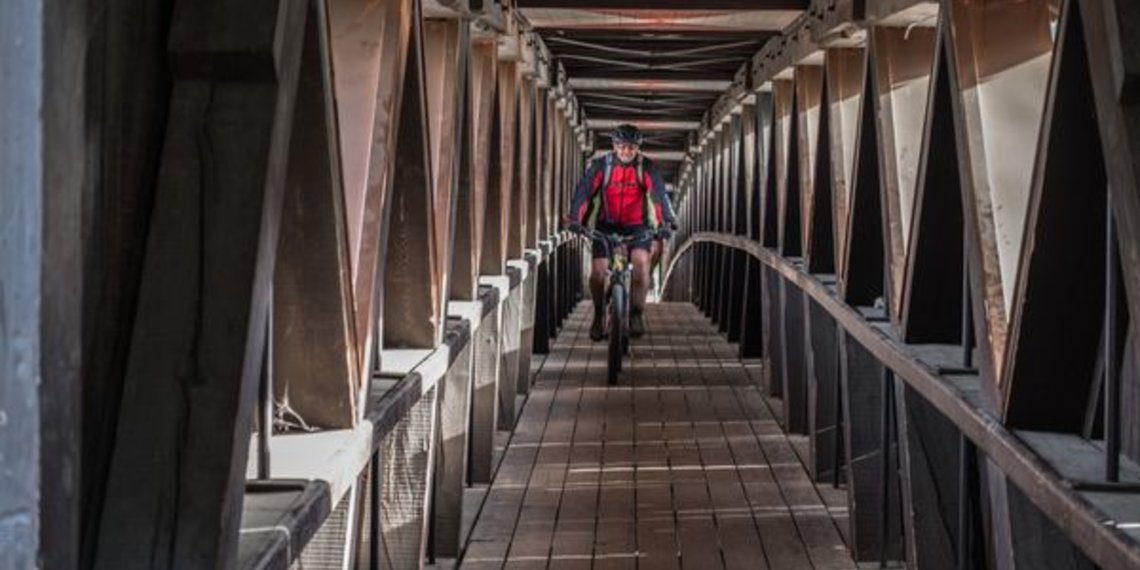
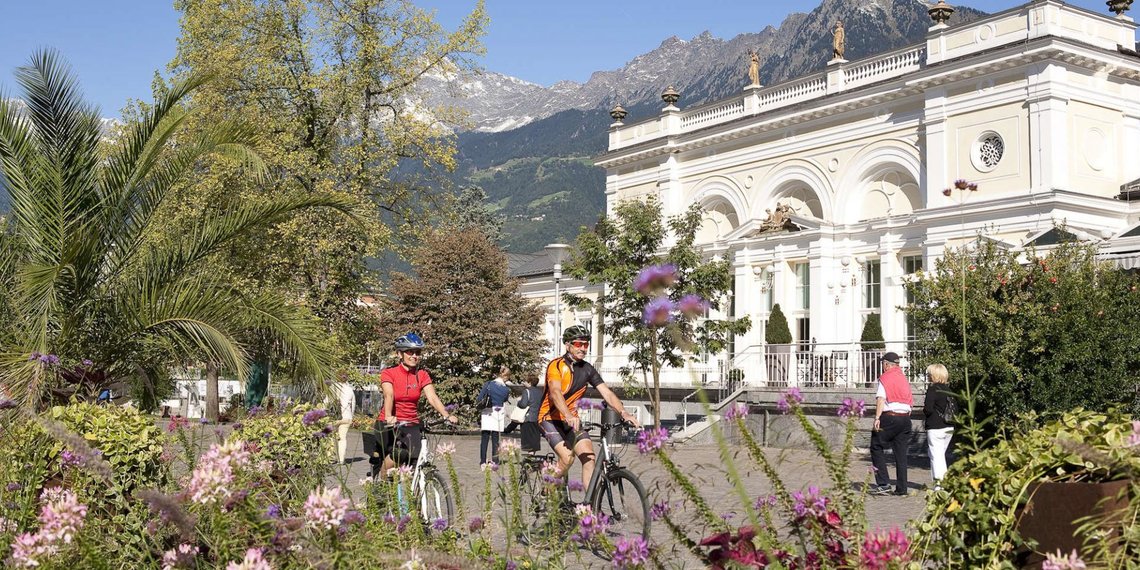
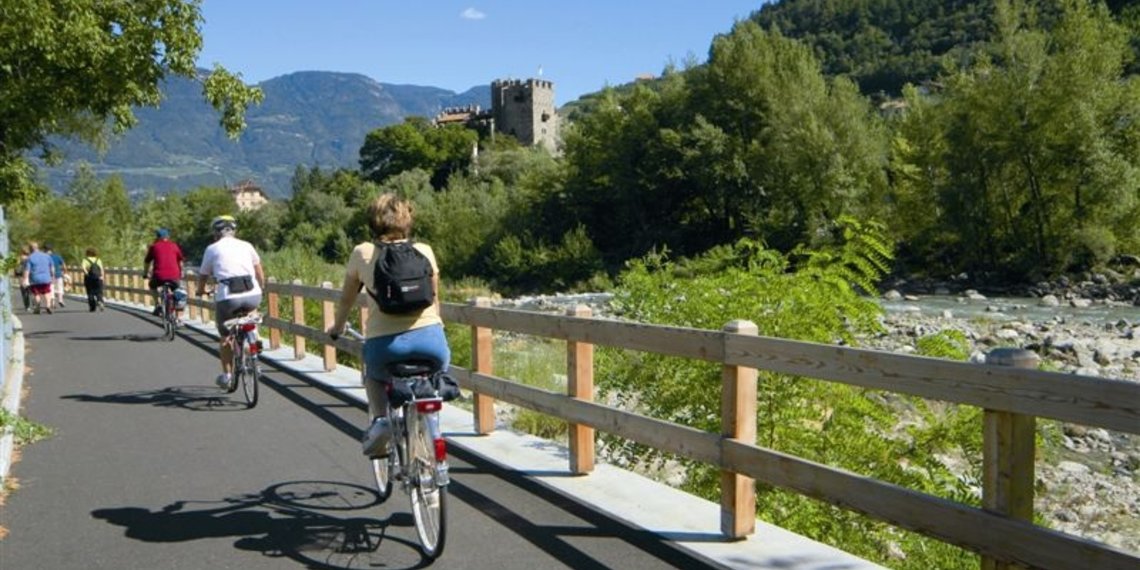

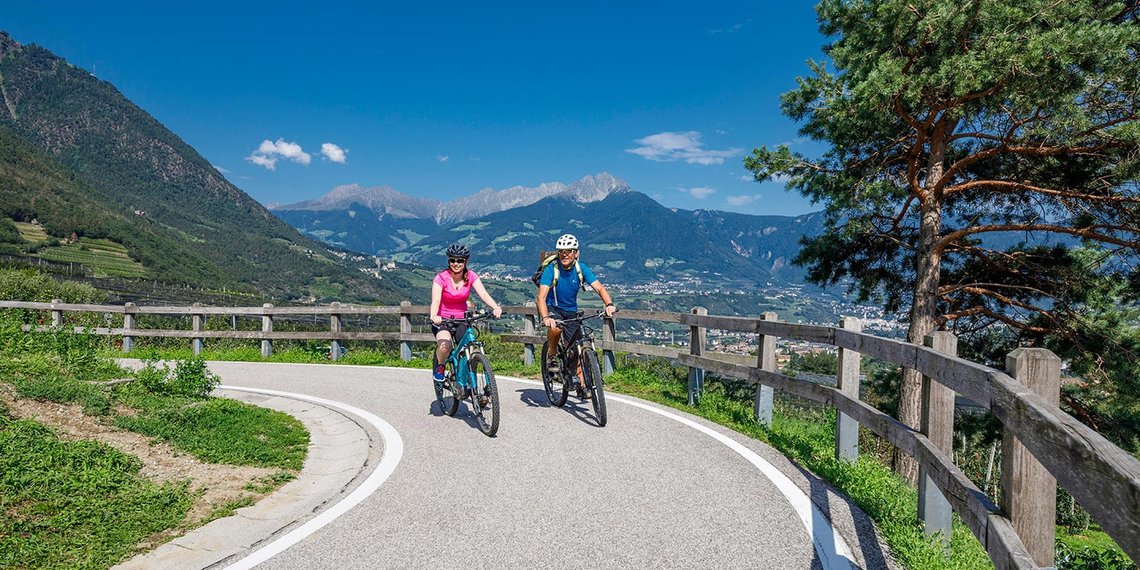
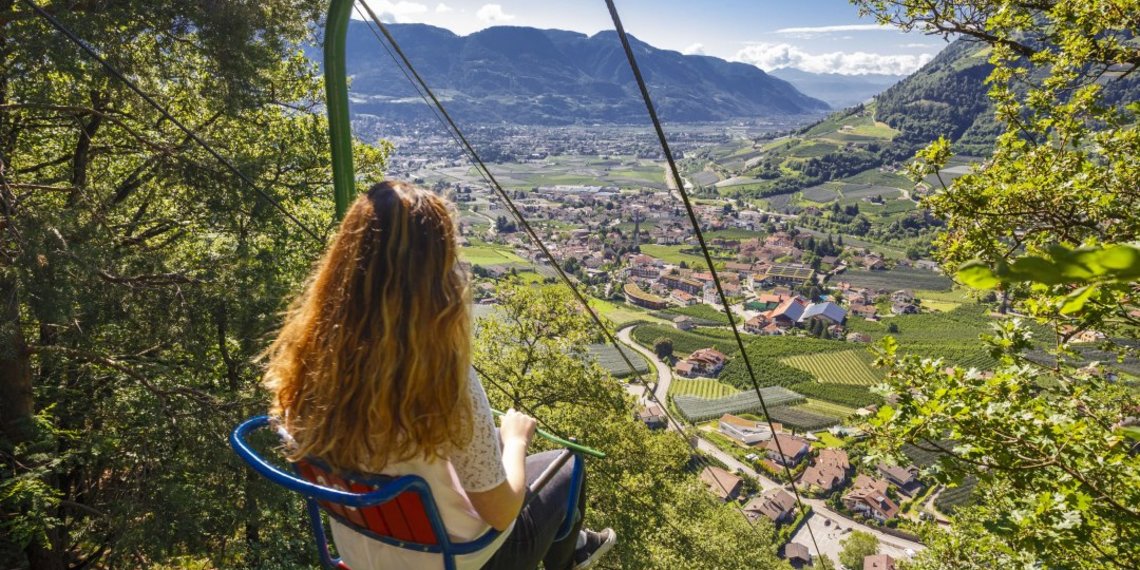
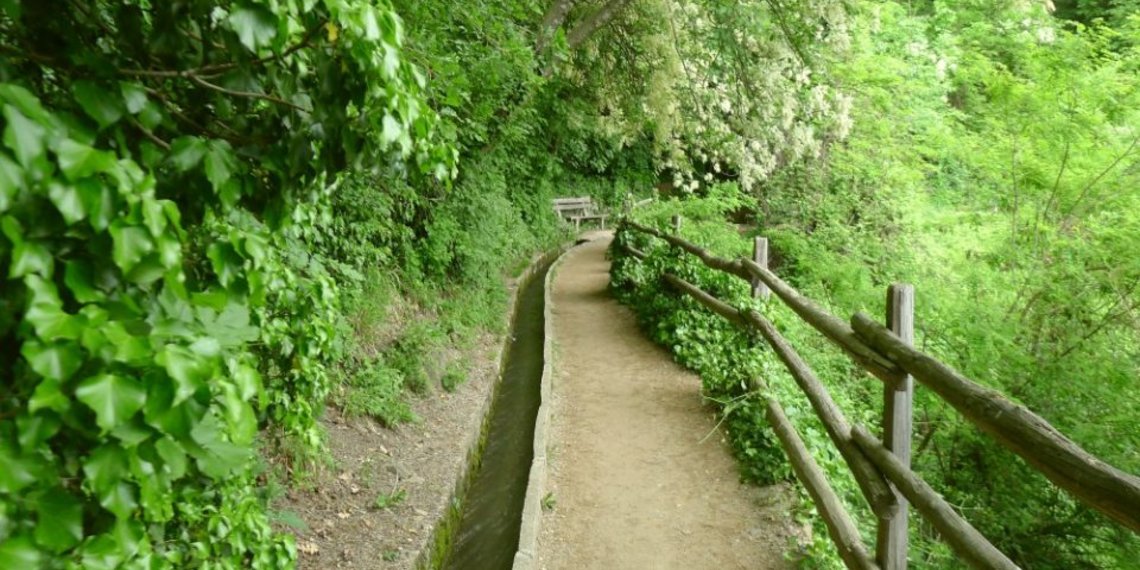
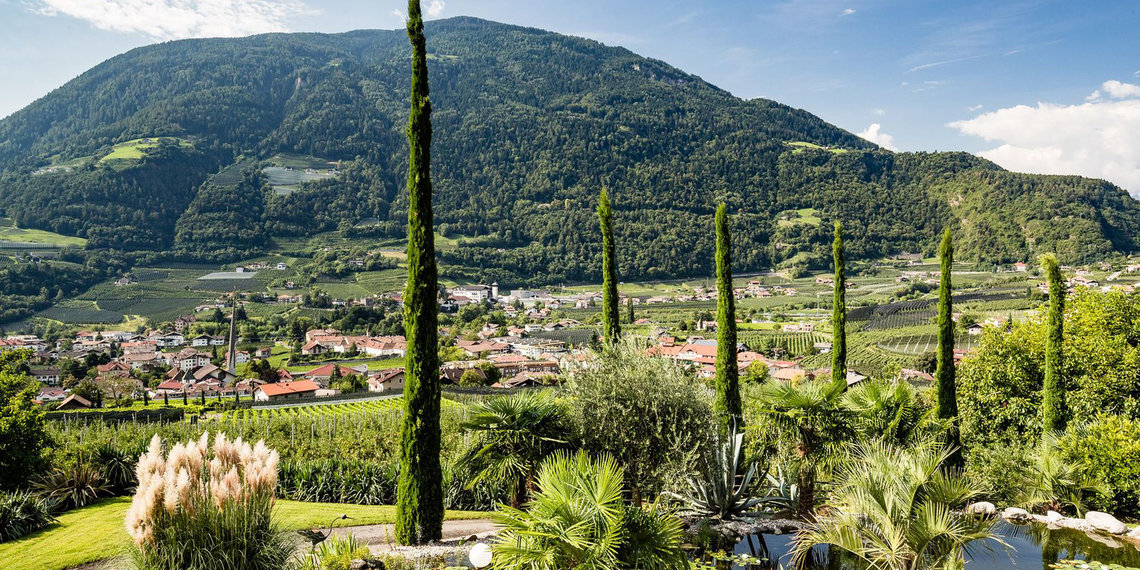
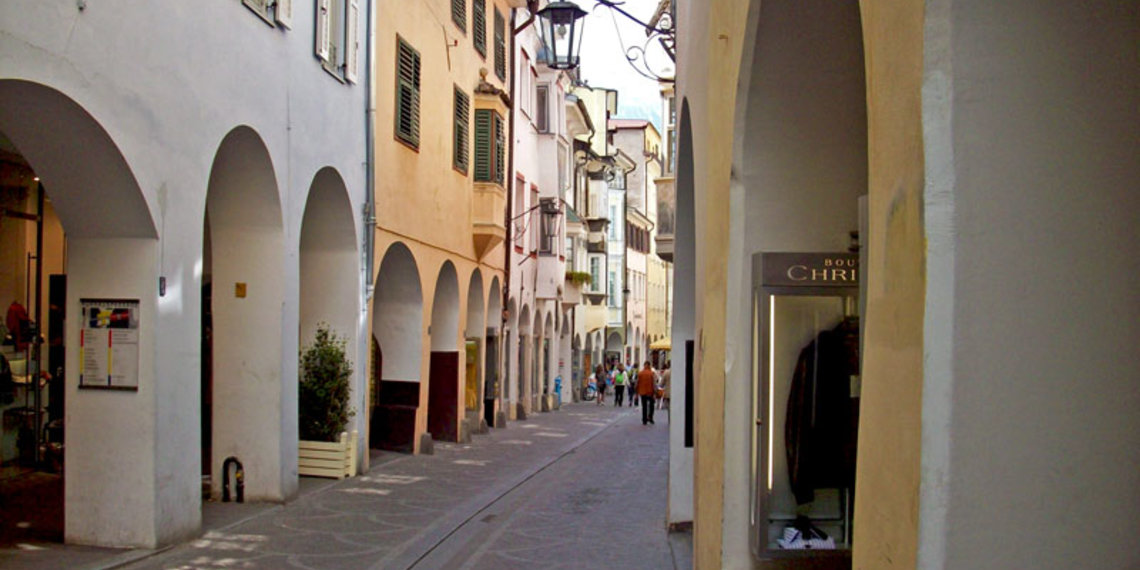
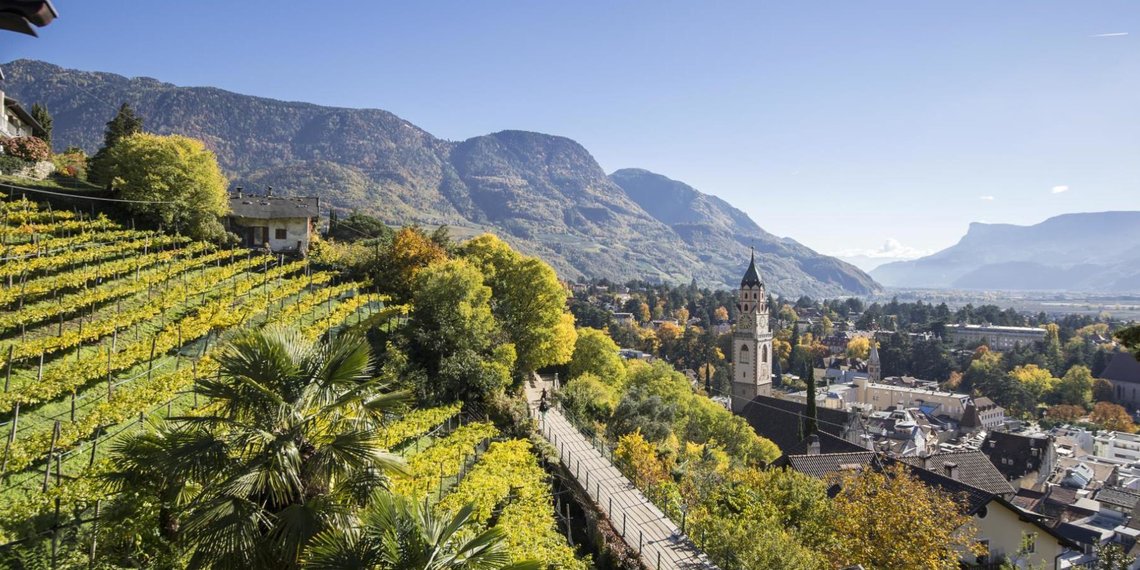
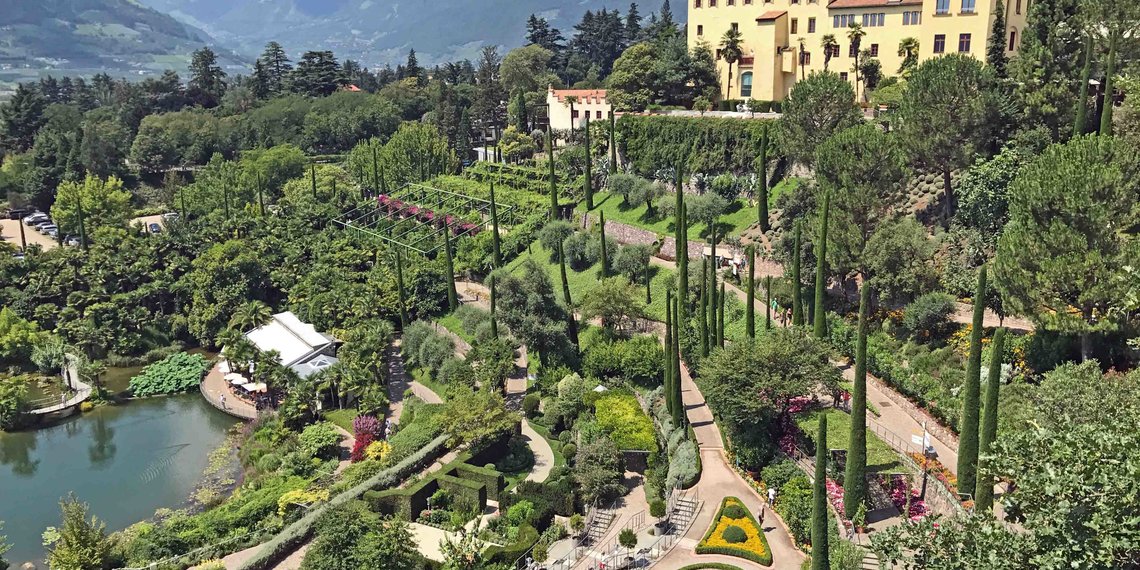
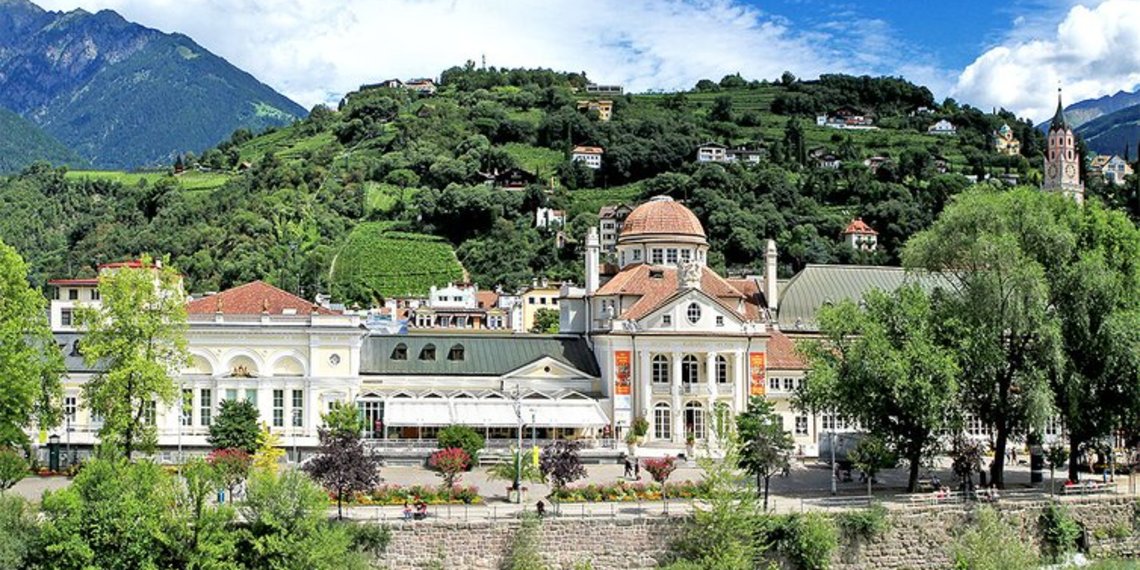
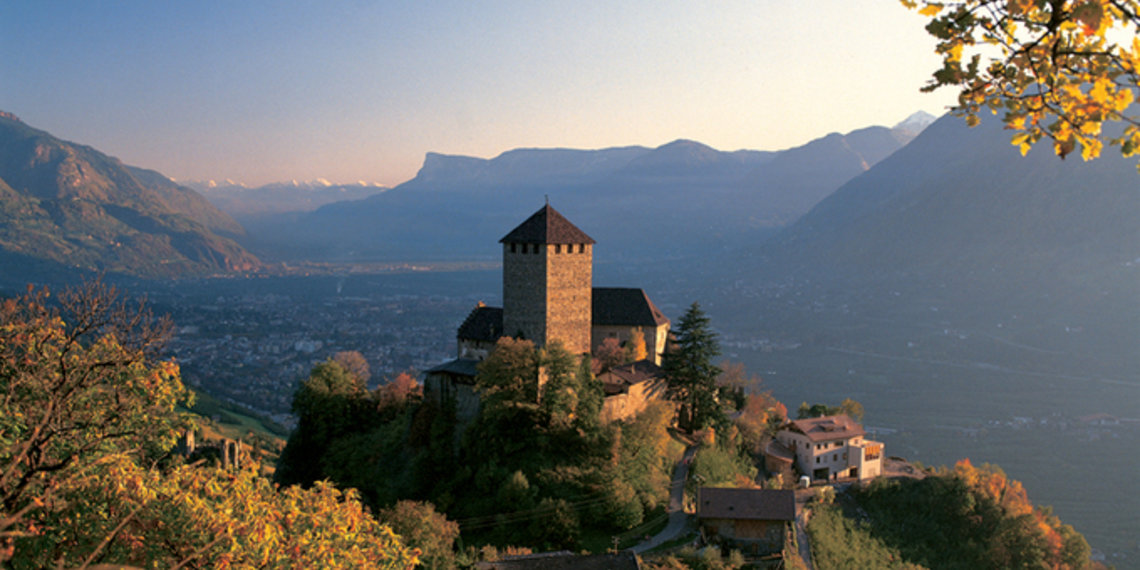
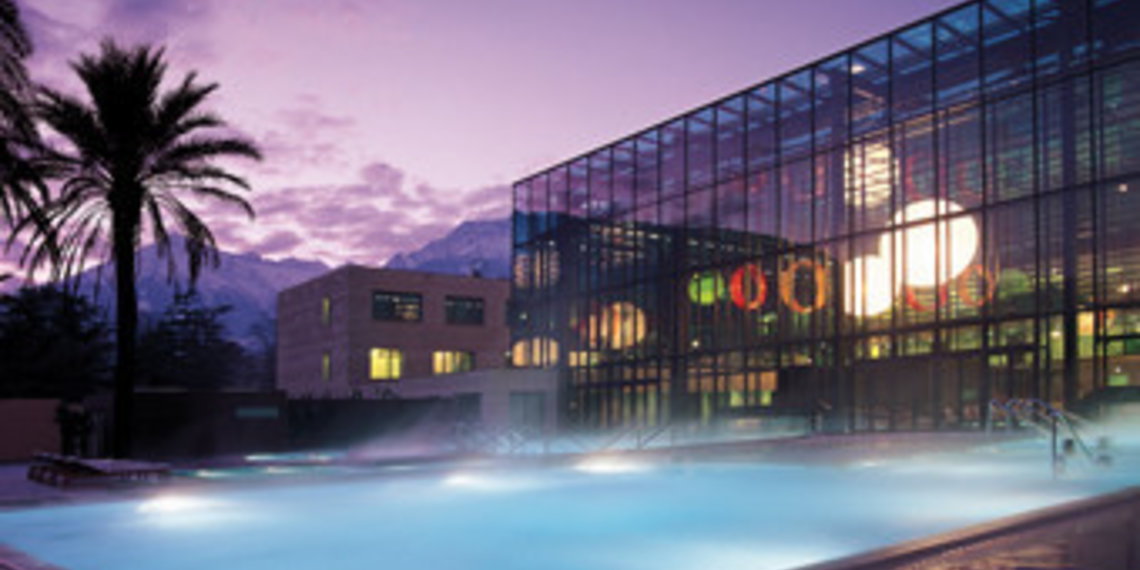
After passing the fault scarp of Töll/Tel, you enter one of the most spectacular sections of the Via Claudia Augusta cycling route. The garden village of Algund/Lagundo welcomes you with a pergola and oversized chairs from which you have a lovely view. A serpentine road takes you down into the village, where you get to enjoy a truly Mediterranean climate. In Algund/Lagundo and the nearby spa town of Meran/Merano, palm trees and other Mediterranean plants abound. Once you reach the bottom, explore the „Brückenkopf“ museum in Algund/Lagundo. It is dedicated to the remains of the Medieval bridge over the Etsch river that used to stand here. This is probably where the Romans crossed the river, too: it is the last possible section for a crossing before the river becomes as wide as the entire valley itself. Afterwards, you can either follow the cycle route to the edge of Meran/Merano and head to the center of the town to admire the famous covered alley or the spa house. Alternatively, cross the river on the wooden bridge in Algund/Lagundo and follow the old road to Marling/Marlengo.
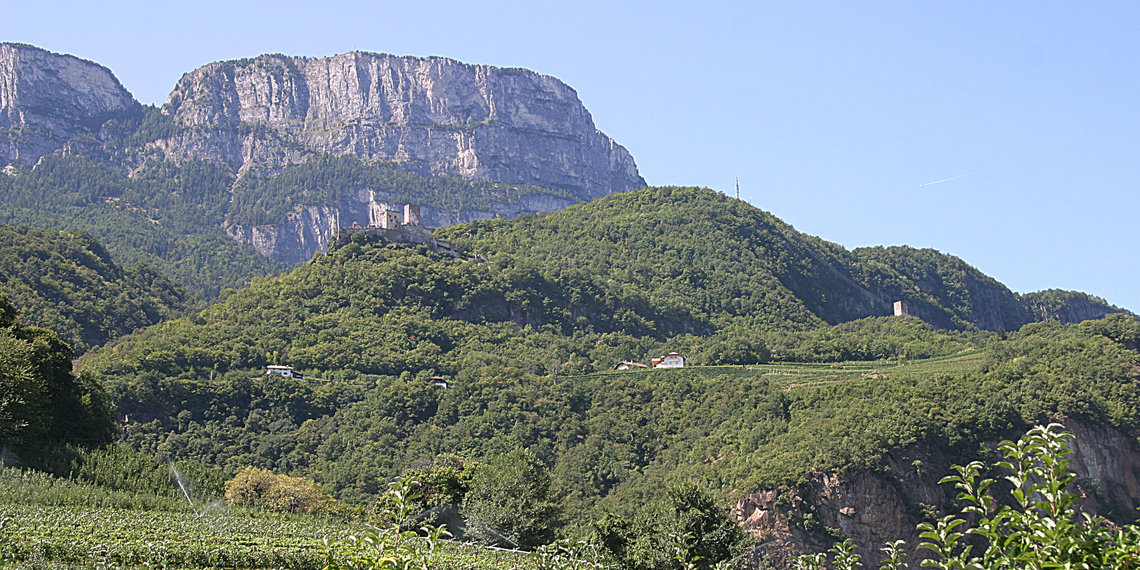
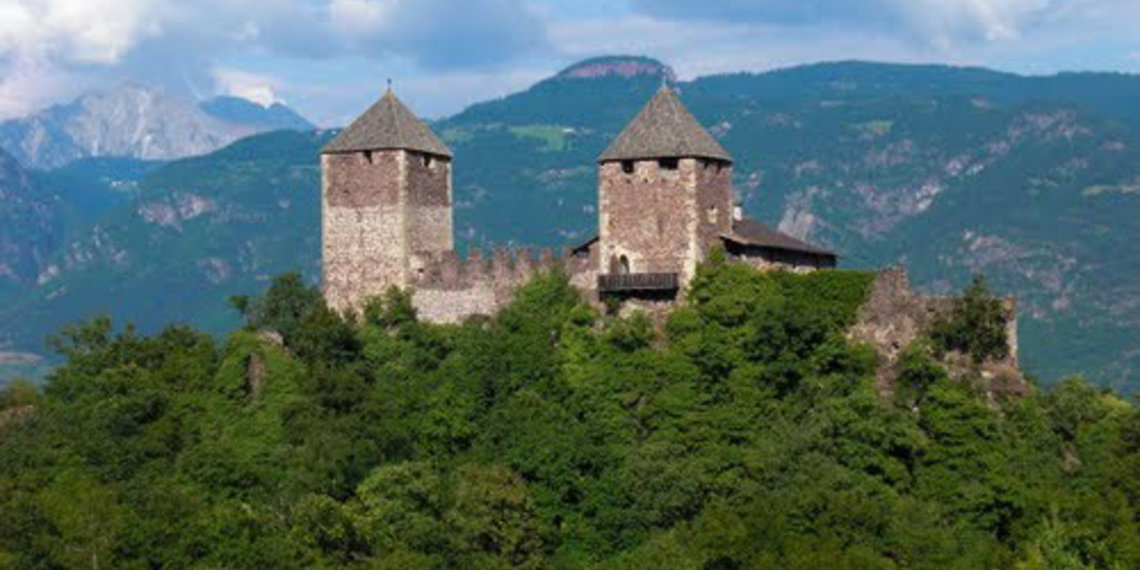
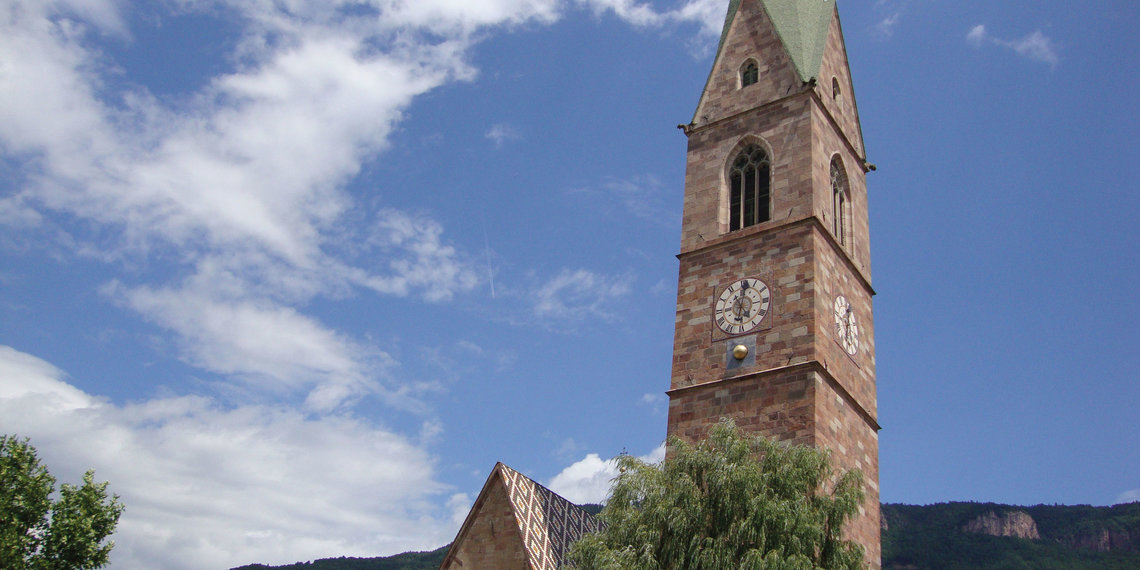
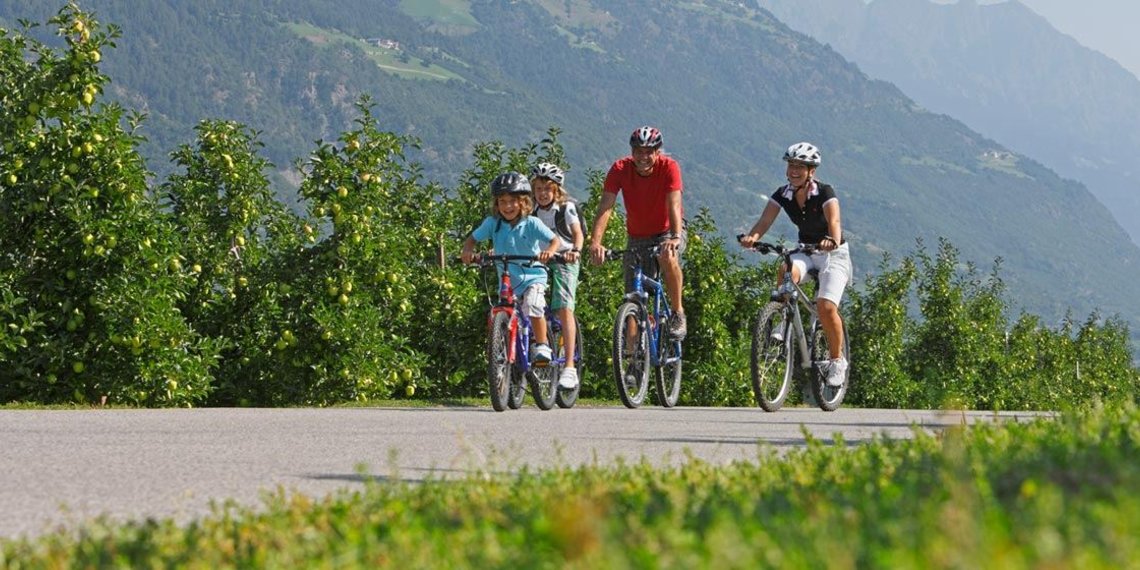
To get from Marling/Marlengo to Bolzano/Bozen, either take the Etschtal cycle path, which runs across the bottom of the valley in a straight line, or cycle through the picturesque villages of Tscherms/Cermes, Oberlana/Lana di Sopra, Mitterlana/Lana di Mezzo, Niederlana/Lana di Sotto, Nals/Nalles and Andrian/Andriano. Each of them has plenty for you to discover. The parish church of Niederlana/Lana di Sotto and the South Tyrolean Museum of Fruit-Growing just around the corner are particularly worth seeing. Keep looking up as you cycle along the route, and you will spot castle upon castle.
For information about the entire route, contact
Via Claudia Augusta Info
www.viaclaudia.org/en
info@viaclaudia.org
0043 664 27 63 555
For specific questions about the region, contact
www.suedtirol.info/en
info@suedtirol.info
0039 0471 999 999
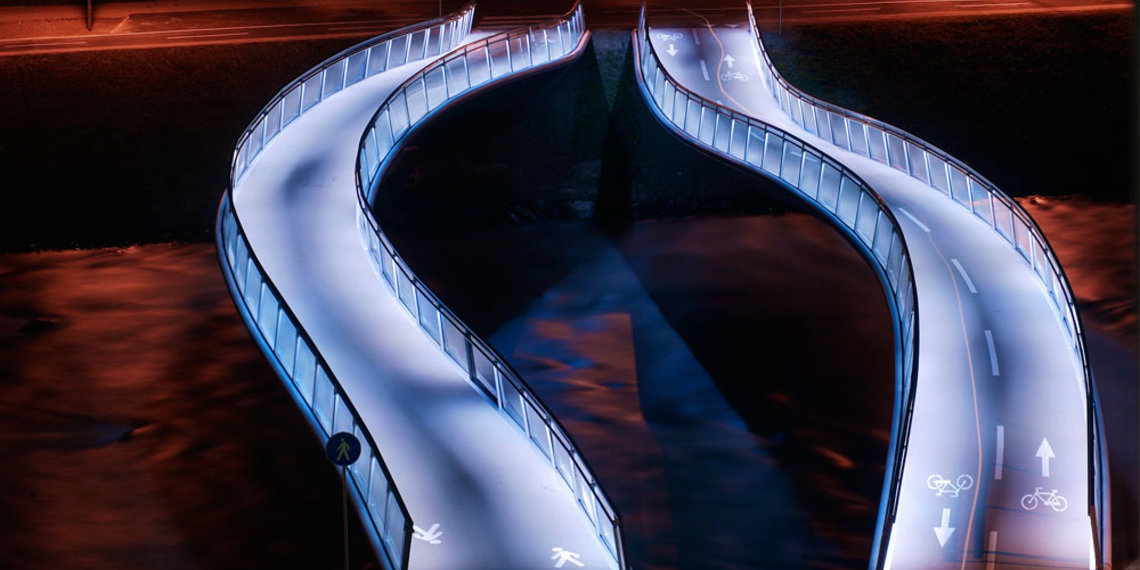
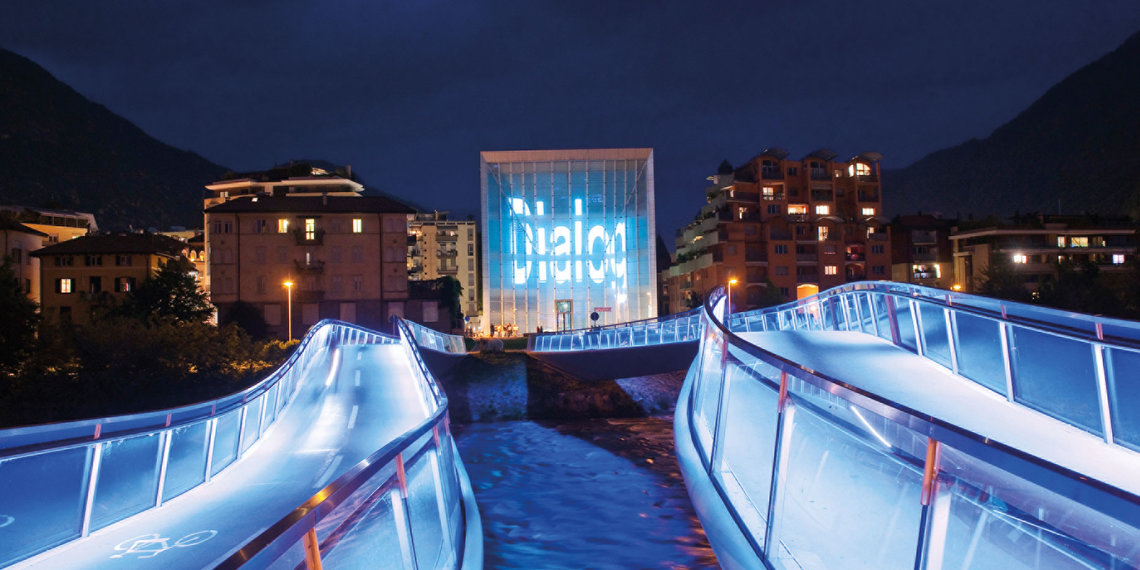


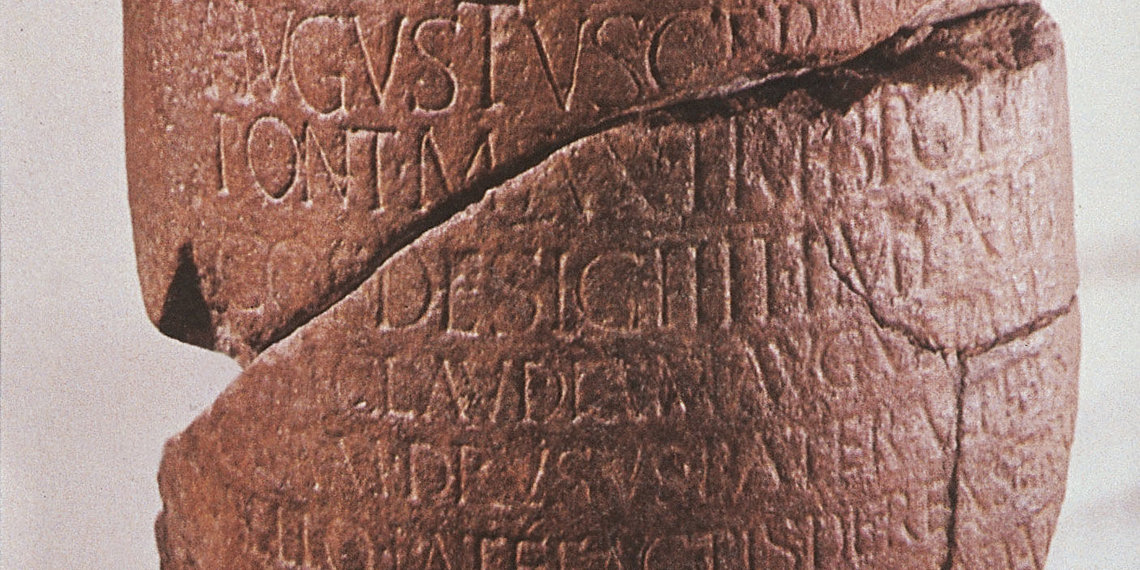
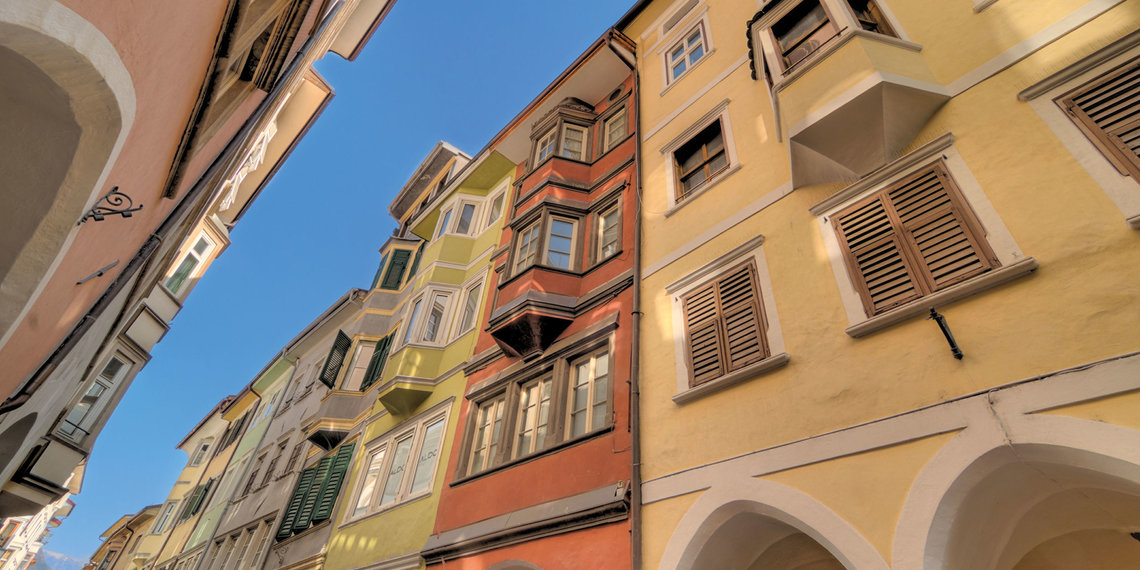
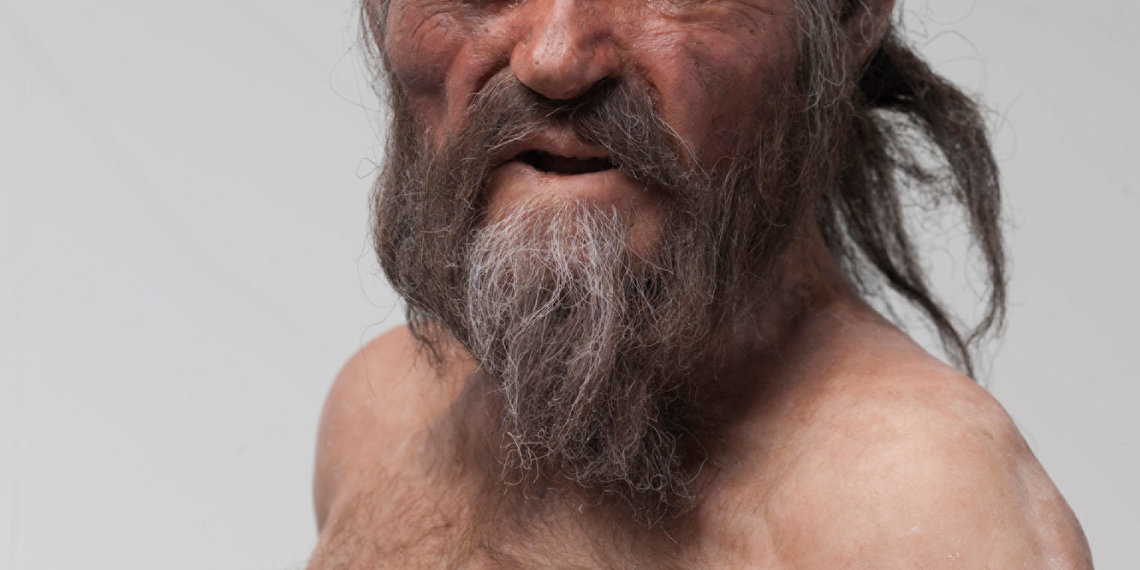
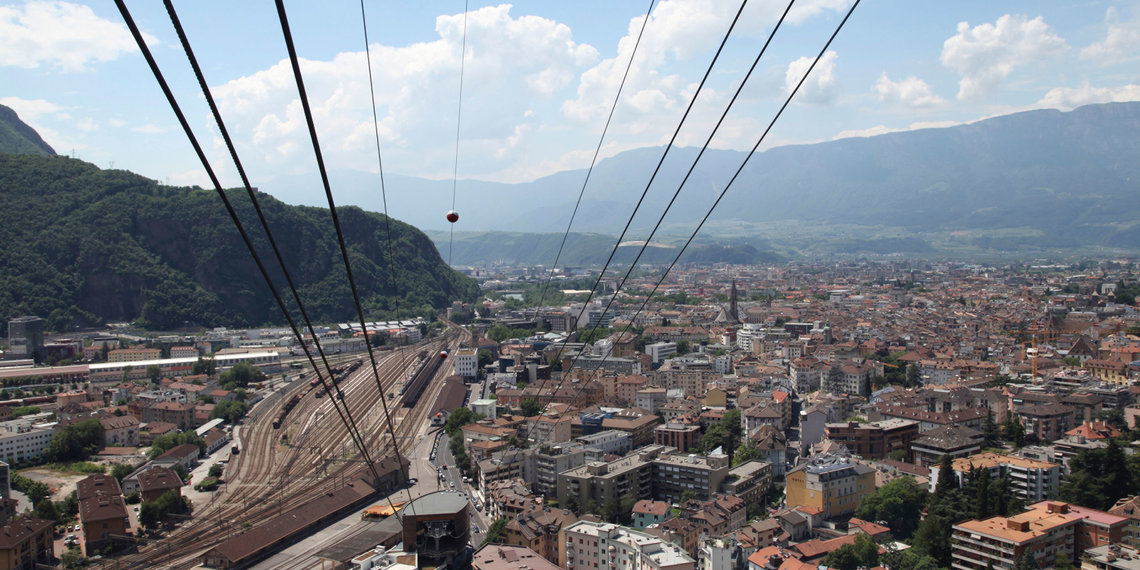
Once you reach Frangart/Frangarto, you are in Bolzano/Bozen. Siegmundskron castle thrones above the town. It houses the Messner Mountain Museum, a museum created by the famous mountaineer Reinhold Messner. You can either follow the Etschtal cycle path along the valley, perhaps take a little detour to the city center along the Eisack river, or cycle along the wine road through the villages of Eppan/Apiano and Kaltern am See/Caldaro. The center of Bolzano/Bozen is a melting pot of ancient history and vibrant modernity that blends the German and Italian lifestyles into a unique mixture. Along the Wine Road, which you reach on a former railway track, you can visit famous wine-growing villages and Kalterer See lake.
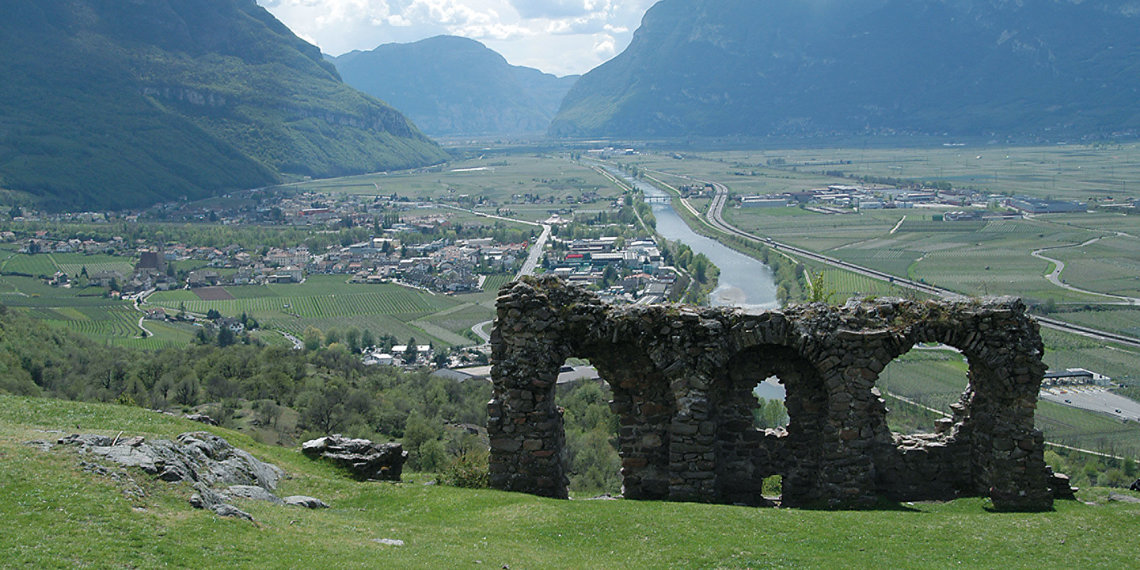
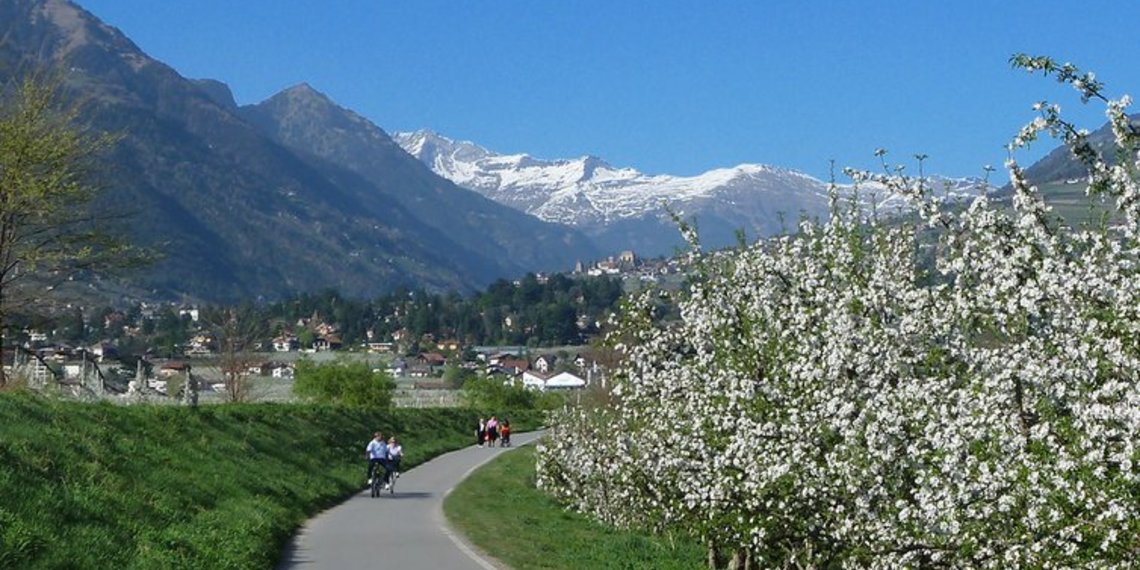
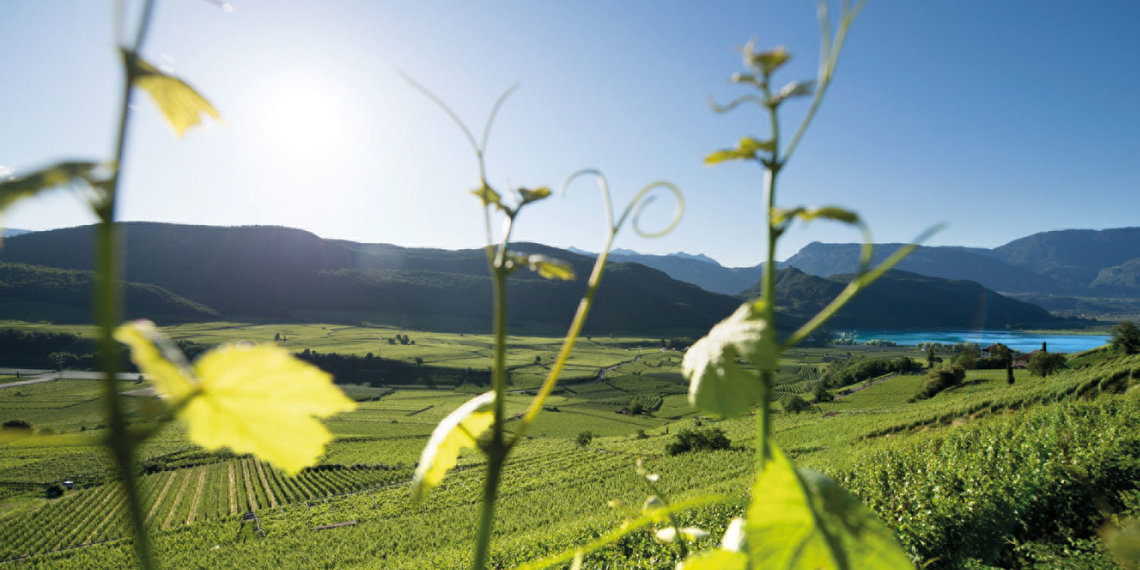
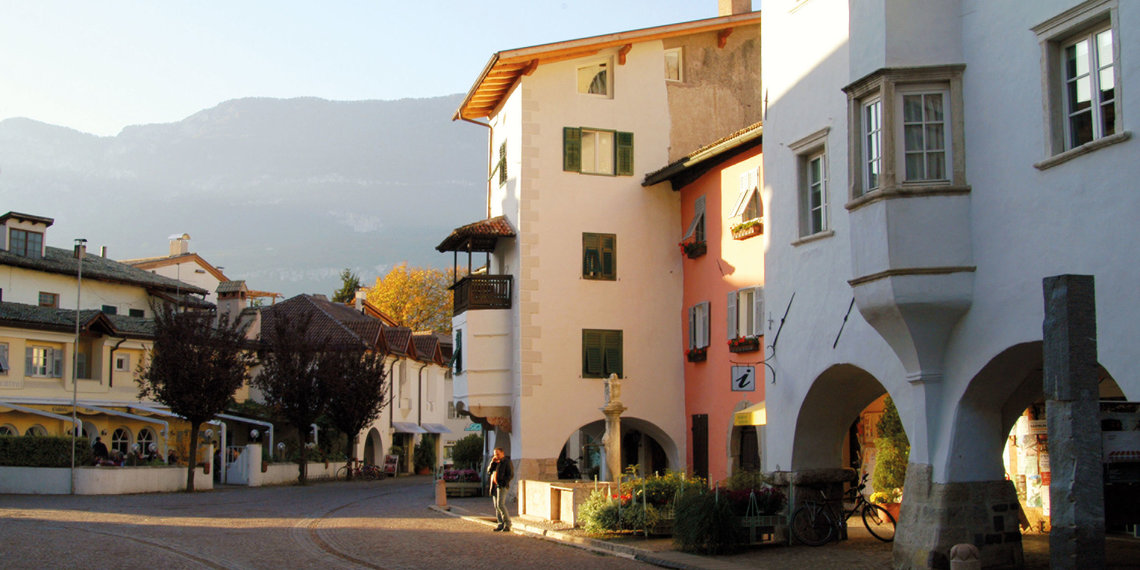
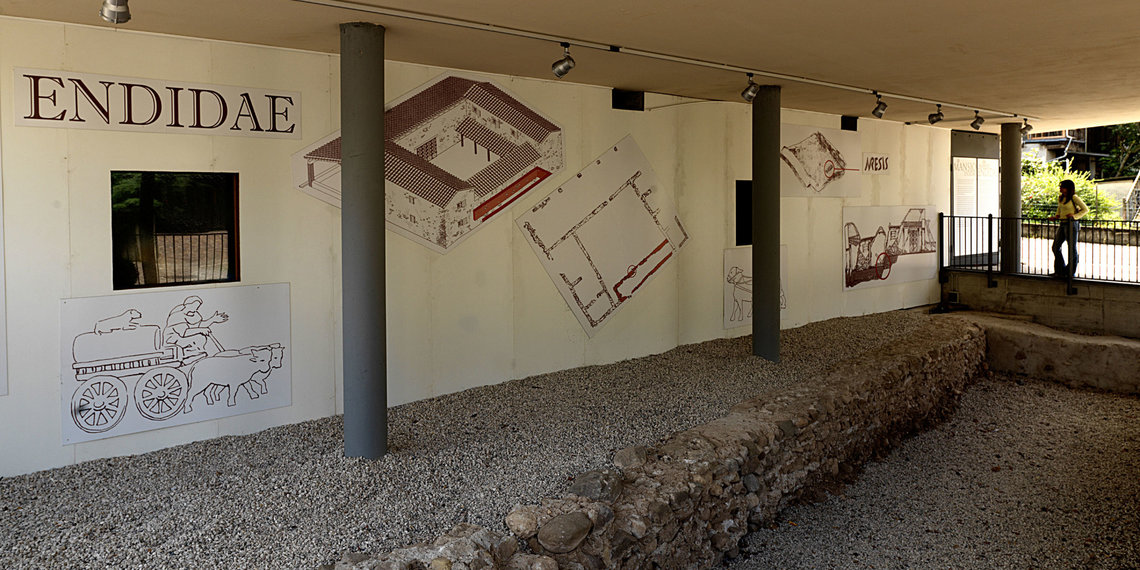
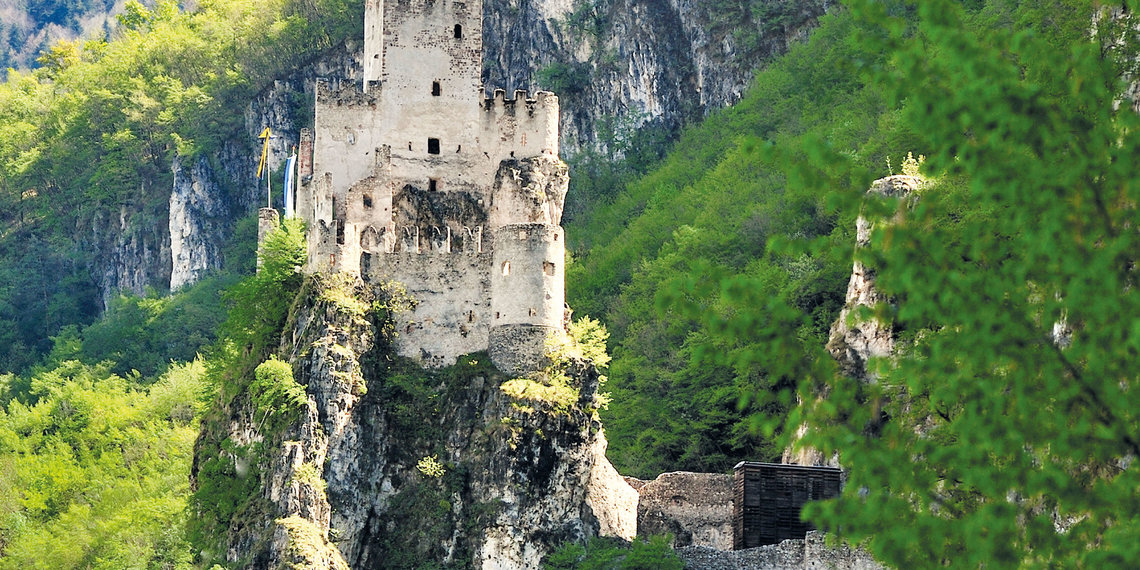
The cycling route follows the Etsch river to Vadena/Pfatten, leading you to the edge of the town of Laives/Leifers and onwards to Bronzolo/Branzoll. Between the two towns, the river used to serve the purpose of an alternative transportation route for heavy loads. Just before you reach Auer/Ora, you can cross from the route along the Etsch river to that along the Wine Road or vice versa. The Wine Road route will lead you through the pretty wine-growing villages of Tramin/Termeno, Kurtatsch/Cortaccia, Magreid/Magrè and Kurtinig/Cortina before taking you to Salorno/Salurn. The route along the river first leads to Auer/Ora. This quaint village is situated at the foot of the striking Castelfeder hill. Afterwards, you cycle through Neumarkt/Egna, where the Roman road station of Endidae used to stand. Laag/Laghetti, a district of Neumarkt/Egna, is probably named after a lake that was created by the drift of the Noce river and separated the valley into two parts. As you approach the gorge, you reach the picturesque town of Salorno/Salurn. Haderburg castle, which towers above the town, was built to protect the strategically significant spot that forms the boundary between the German-speaking and Italian-speaking parts of the region today.
For information about the entire route, contact
Via Claudia Augusta Info
www.viaclaudia.org/en
info@viaclaudia.org
0043 664 27 63 555
For specific questions about the region, contact
www.suedtirol.info/en
info@suedtirol.info
0039 0471 999 999

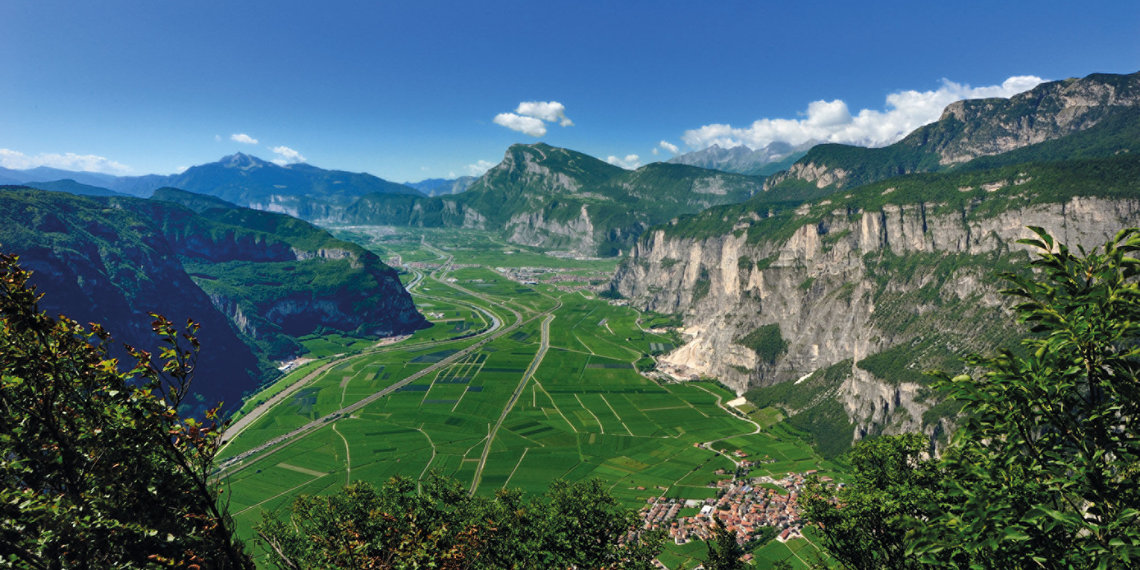

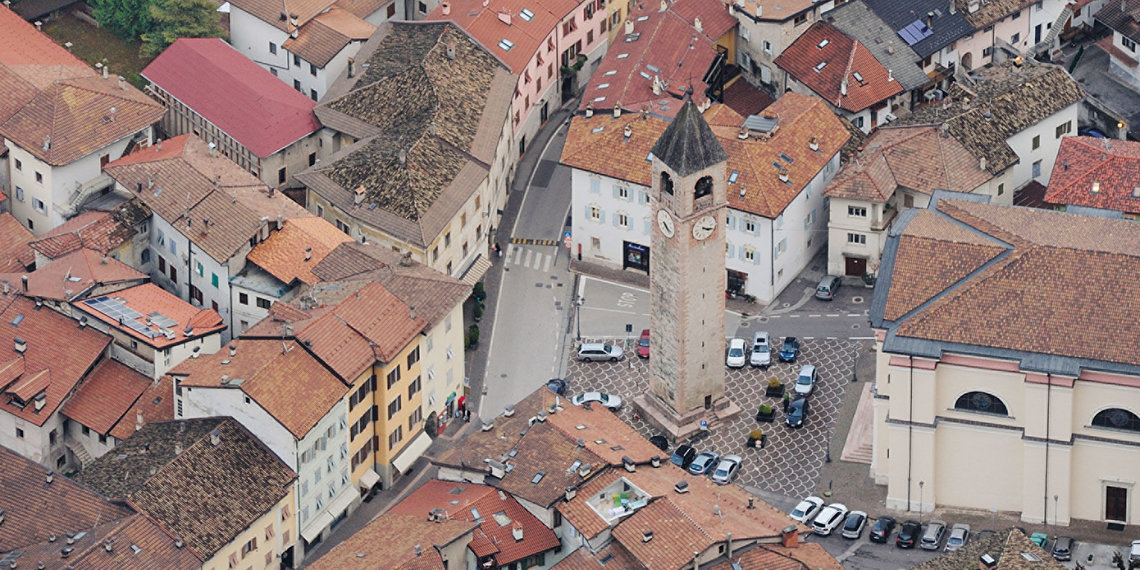
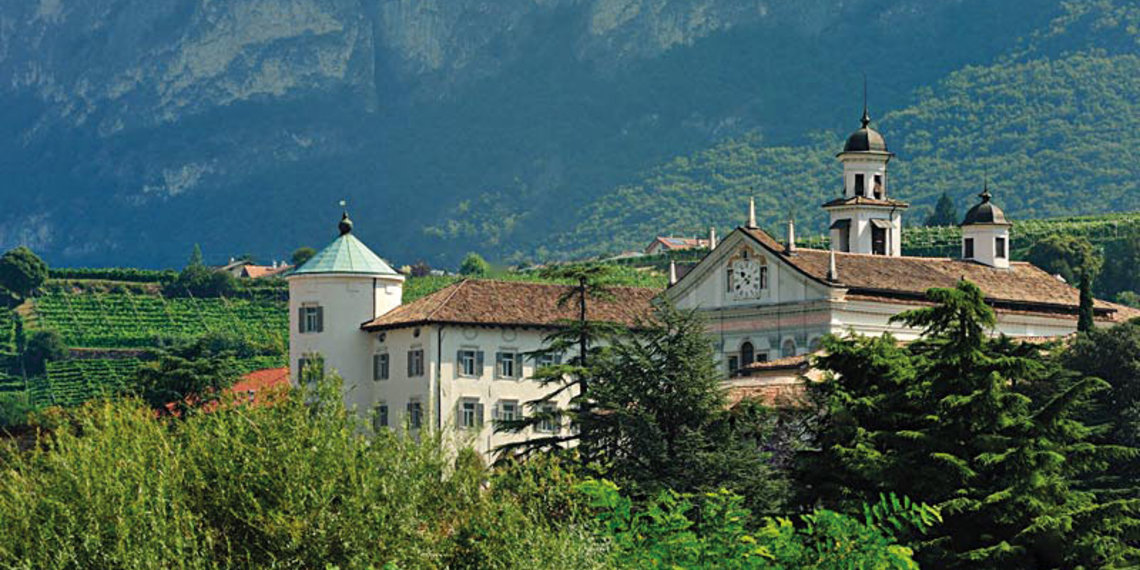
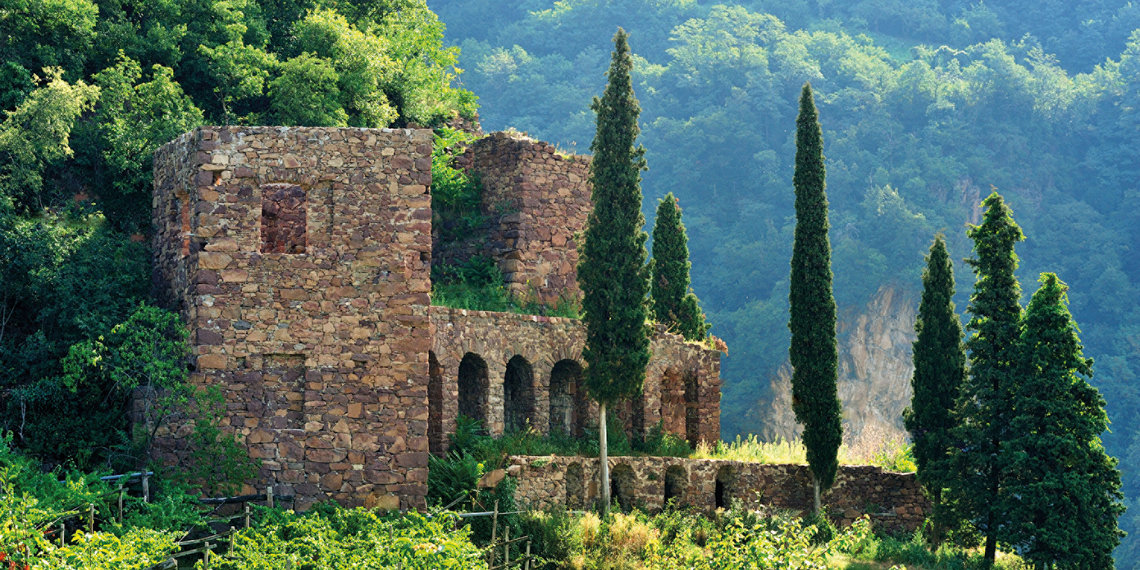

If you simply follow the Etschtal cycle path rather than the route through the Piana Rotaliana, you will miss out on quite a few sights. The plain where the Noce flows into the Etsch river is covered nearly entirely in Teroldego grapevines, a variety of grape that originates here. First, the cycling route takes you to Roverè della Luna and Mezzocorona, the agricultural center of the plain, overlooked by the St. Gotthard castle, which was built into a crevice of the rock. A cable car takes you to the Monte plateau on the summit, offering spectacular views of the plain. Mezzolombardo, the next stop on the route, is the commercial center of the region. Traditionally, San Michele used to be its cultural counterpart on account of its monastery. Today, the former monastery houses the agricultural center of Trentino and an interesting museum of local folklore. In the southern part of the Piana Rotaliana lies the former river port of Nave San Rocco, the asparagus-growing town of Zambana, and the town of Lavis, whose beautiful center and hanging gardens make for a lovely walk.
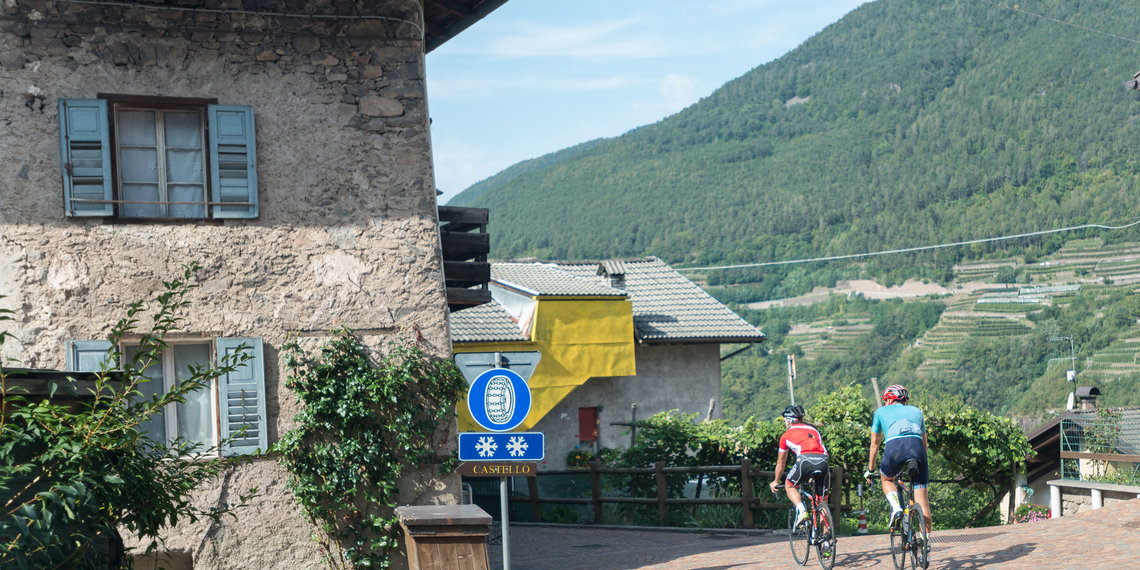
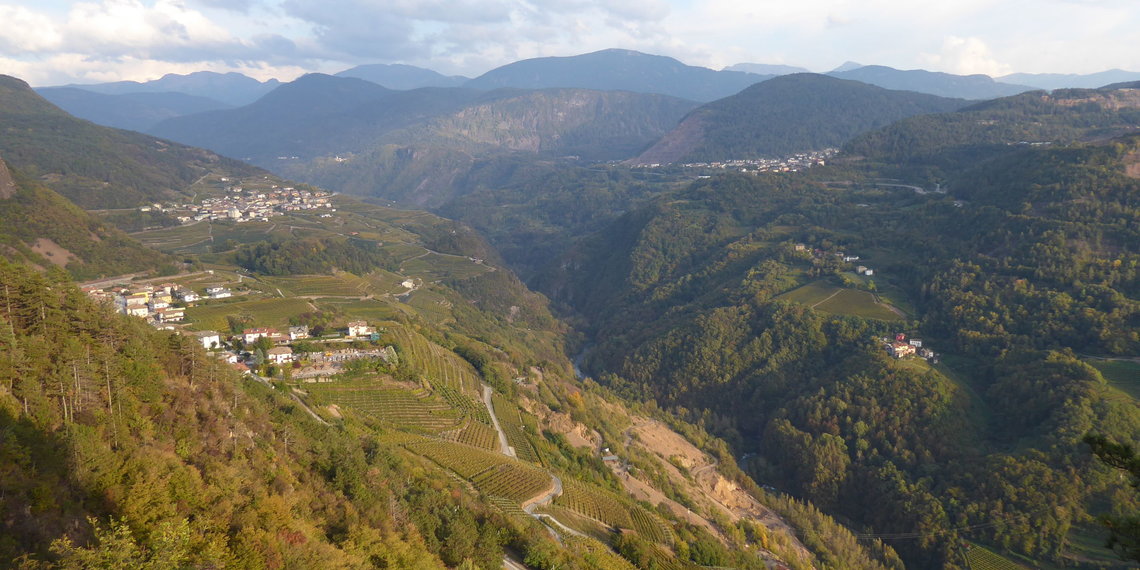
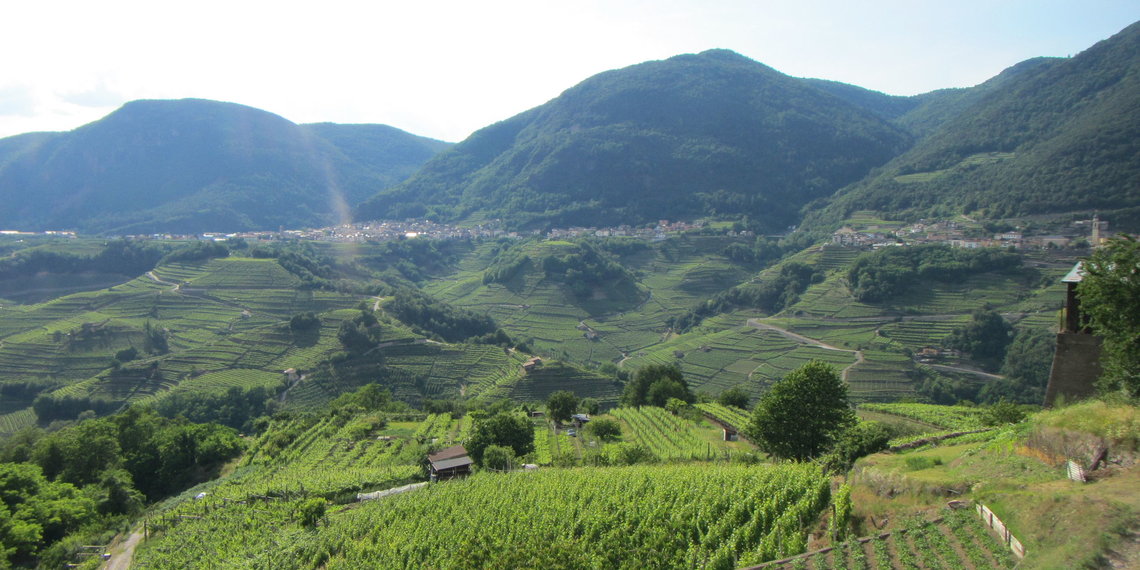

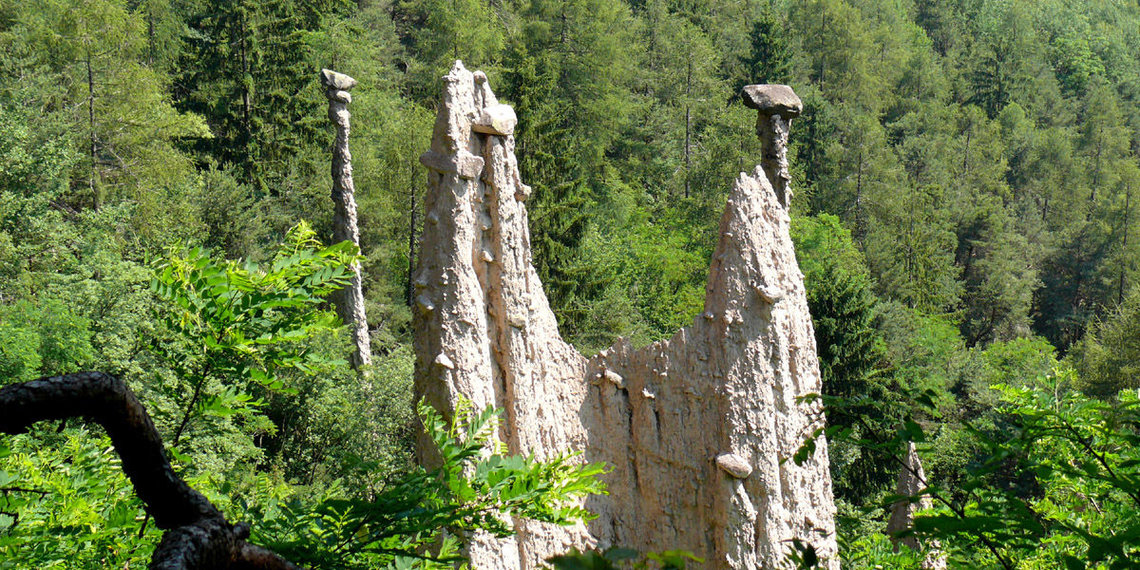
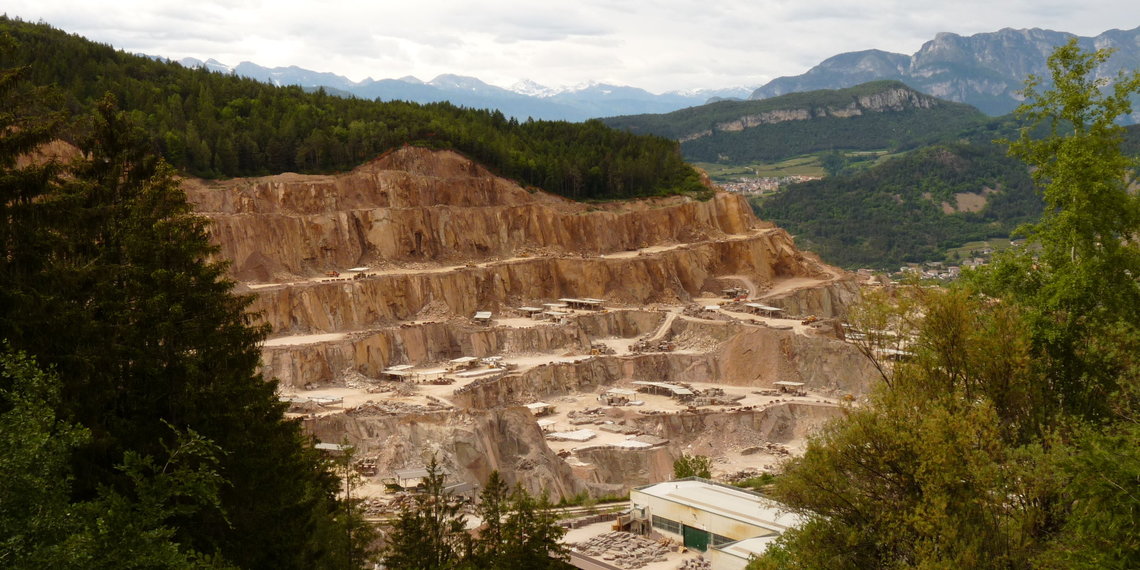
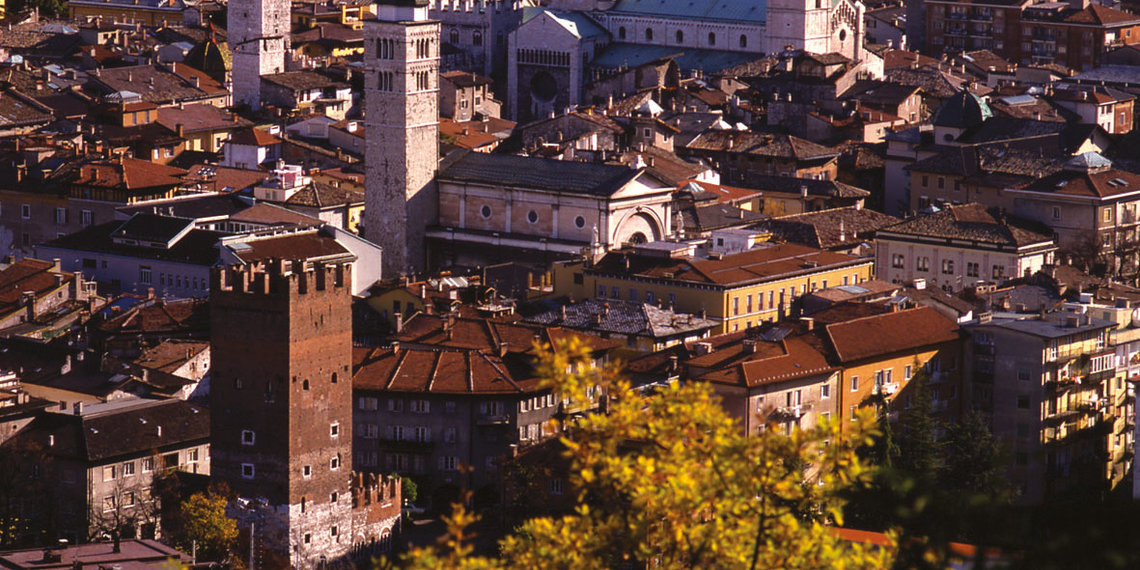
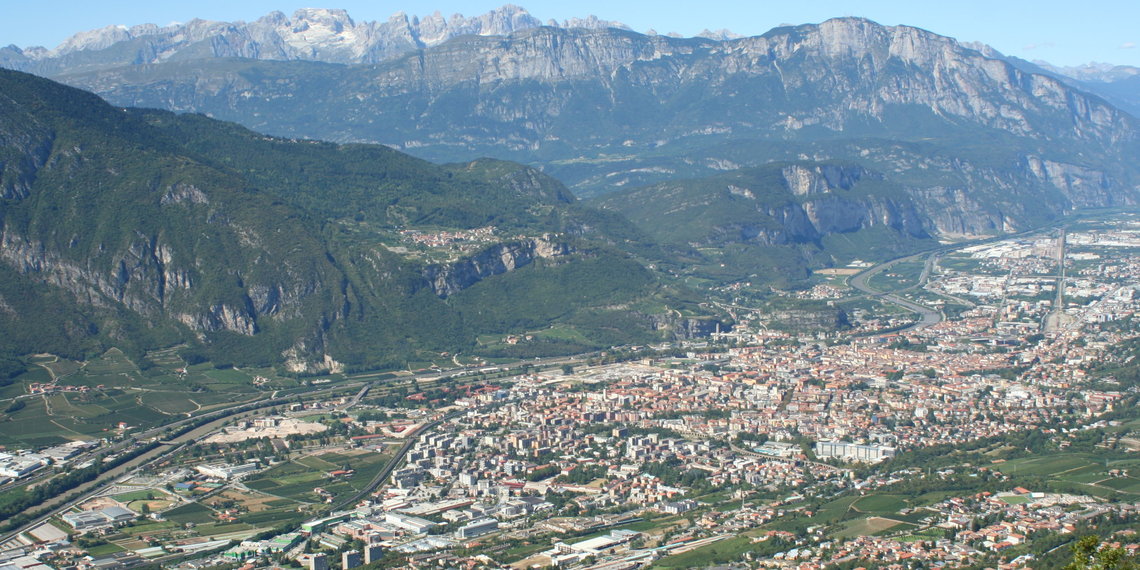
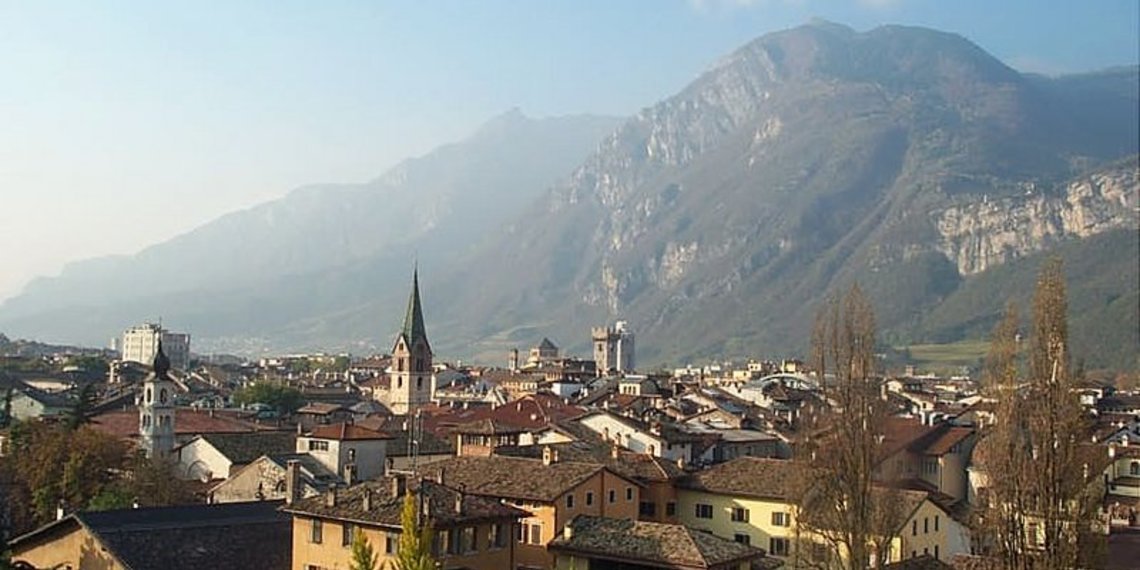
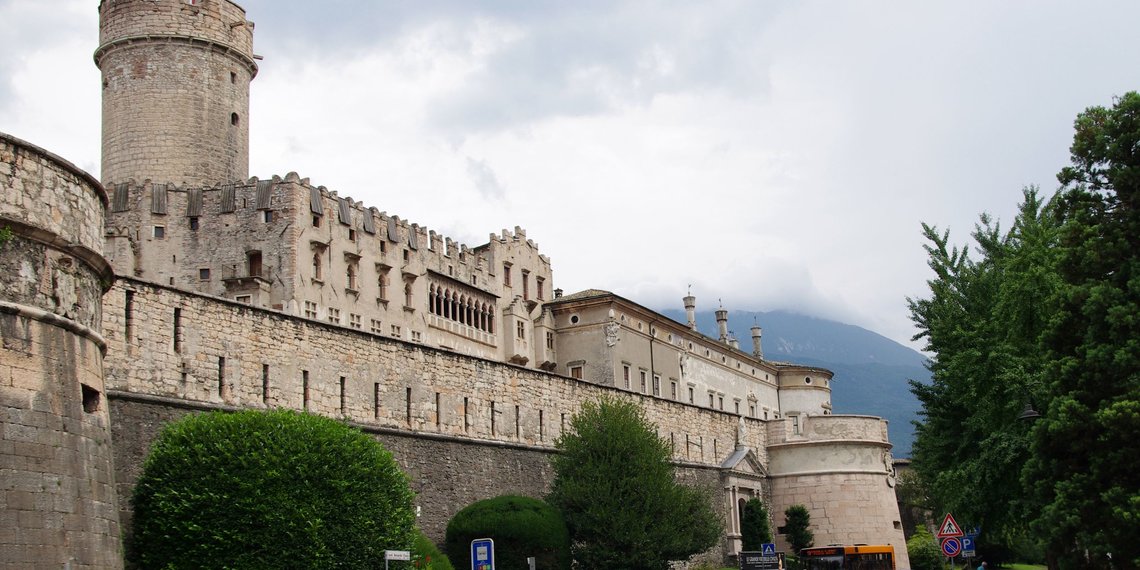
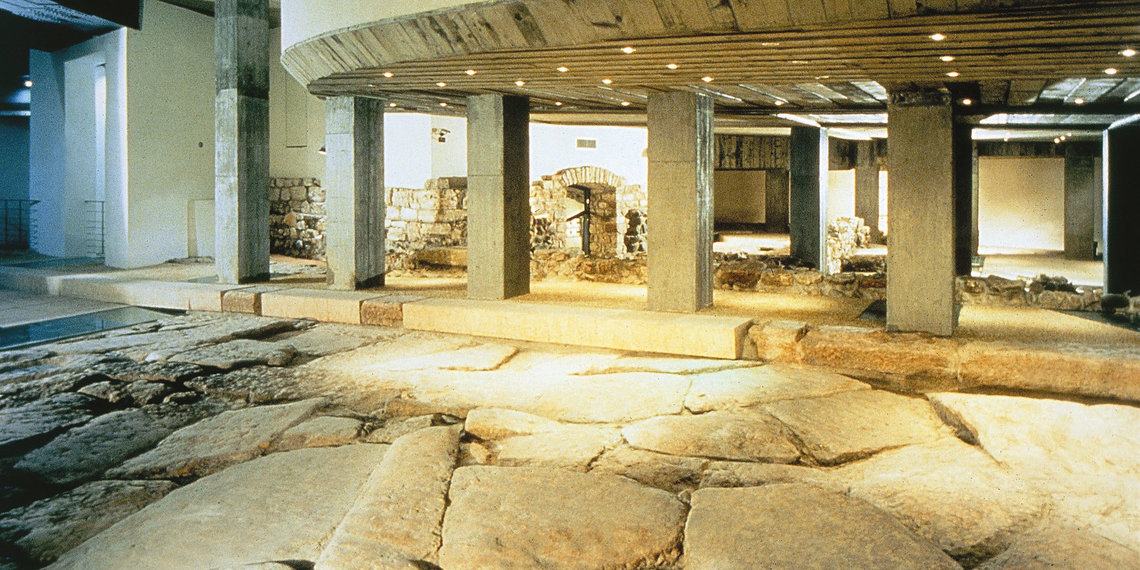
The Avisio river forms the boundary between Lavis and the northern parts of Trento, the capital of Trentino. The cycling route runs to Lavis at the edge of the village, where it crosses the river. You return to the banks of the Etsch river once again and cycle to the center of Trento at a leisurely pace. Founded during Roman times, it is the birthplace of the Counter-Reformation. The old town was spruced up impressively in the Renaissance style for the Council of Trent. Buonconsiglio castle also reflects the monumental event. Underneath the city, you can visit excavations of the ancient Roman city of Tridentum. The cycling route towards Altino takes you to the north of the city again, where you will climb the ascent between the Etschtal valley and Valsugana, following the track of the old Roman road. You are treated to lovely views of the city behind you. Along the way, you will pass the Ecomuseo Argentario, which documents the silver mining past of the region. Once you reach the Valsugana, the route takes you past a fortress from the First World War and through pretty villages and stunning natural landscapes. In Pergine, you cycle along the Via Maier road, which dates back to the Renaissance. The cycling route continues along the foot of the Castello di Pergine and above Levicosee lake as you head towards Levico Terme, a spa and garrison town founded by the Habsburgs.

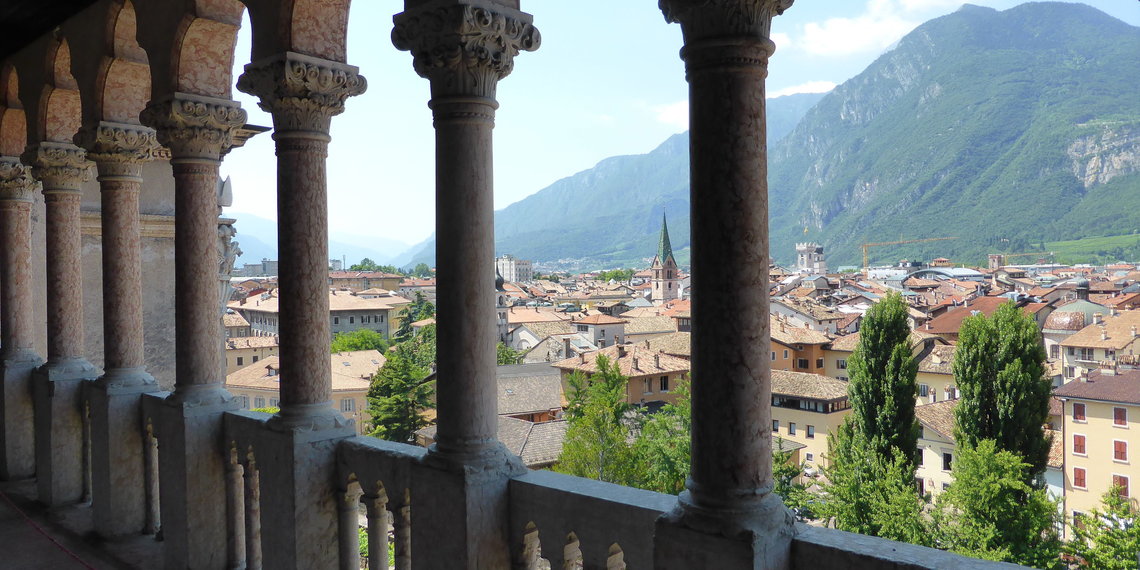


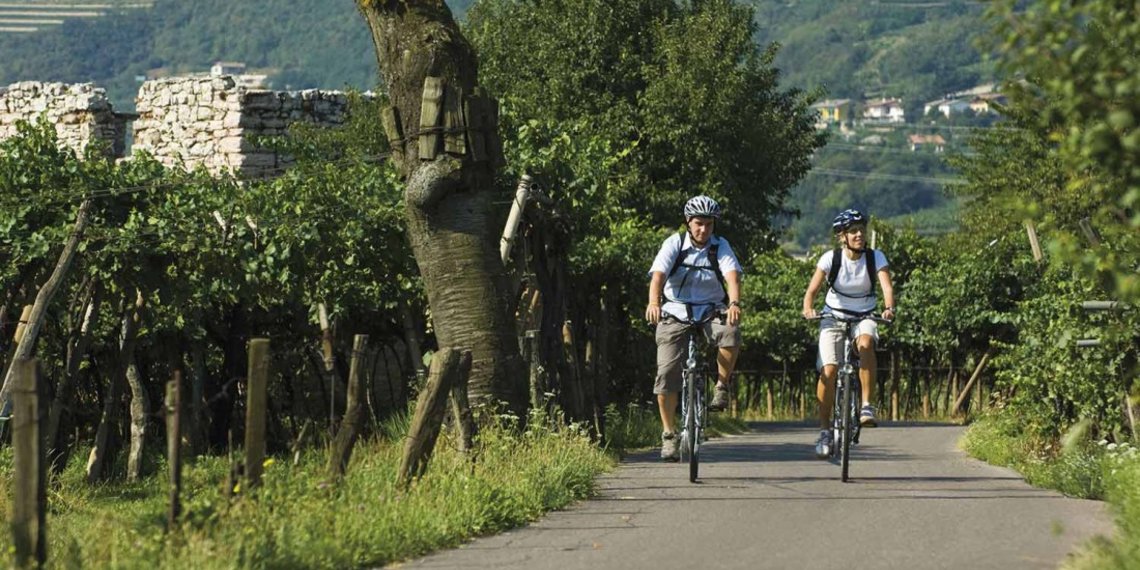
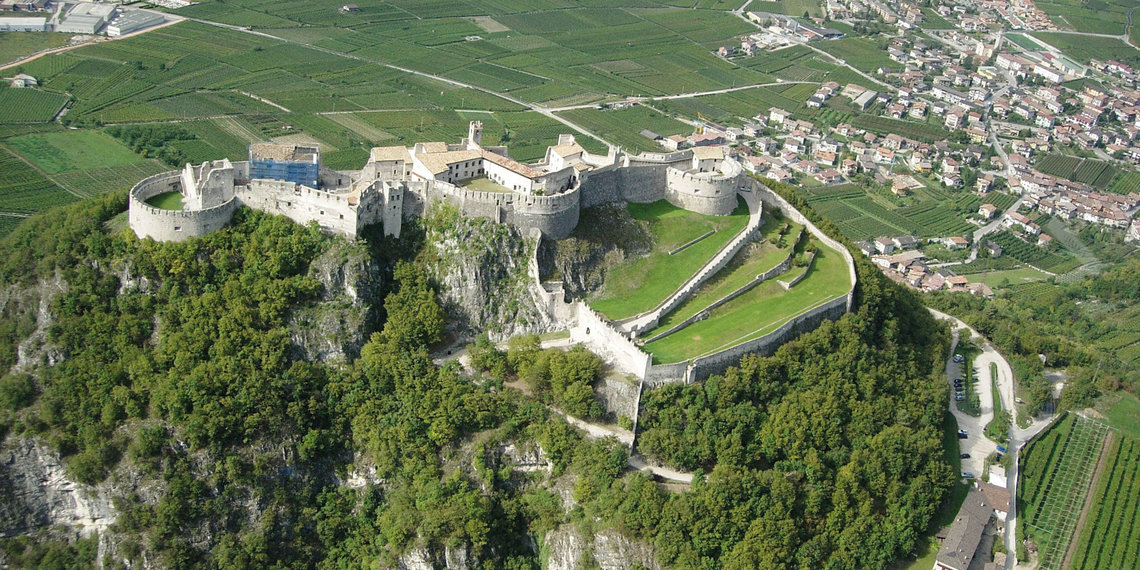
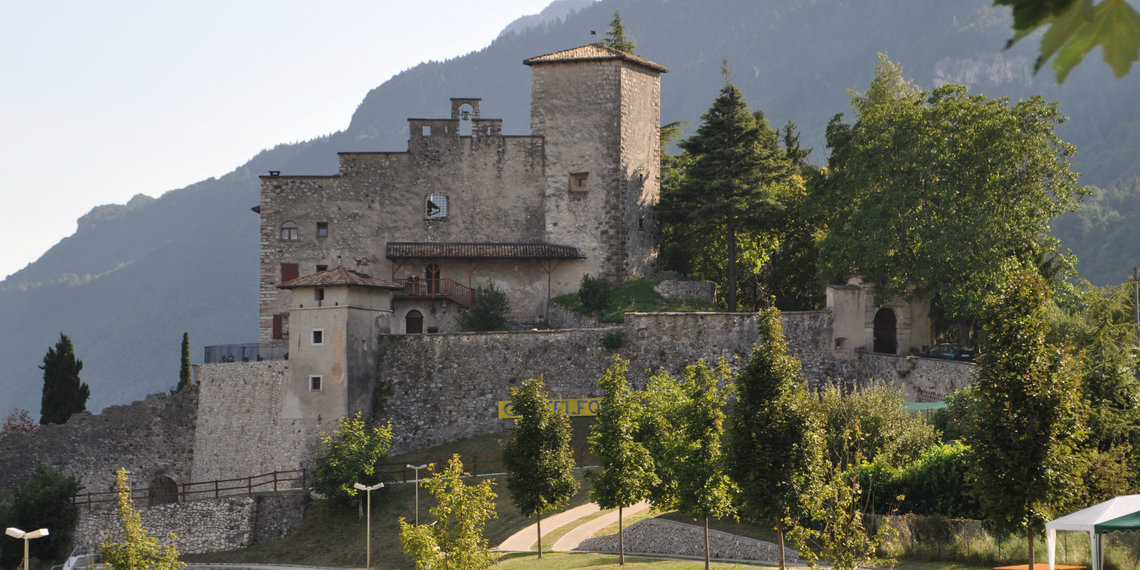
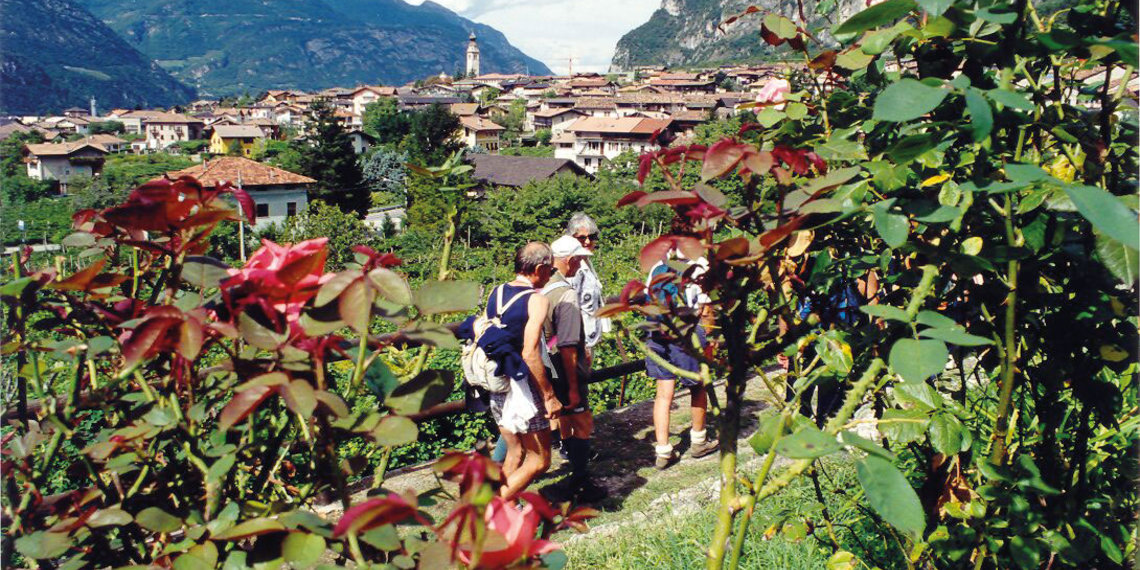
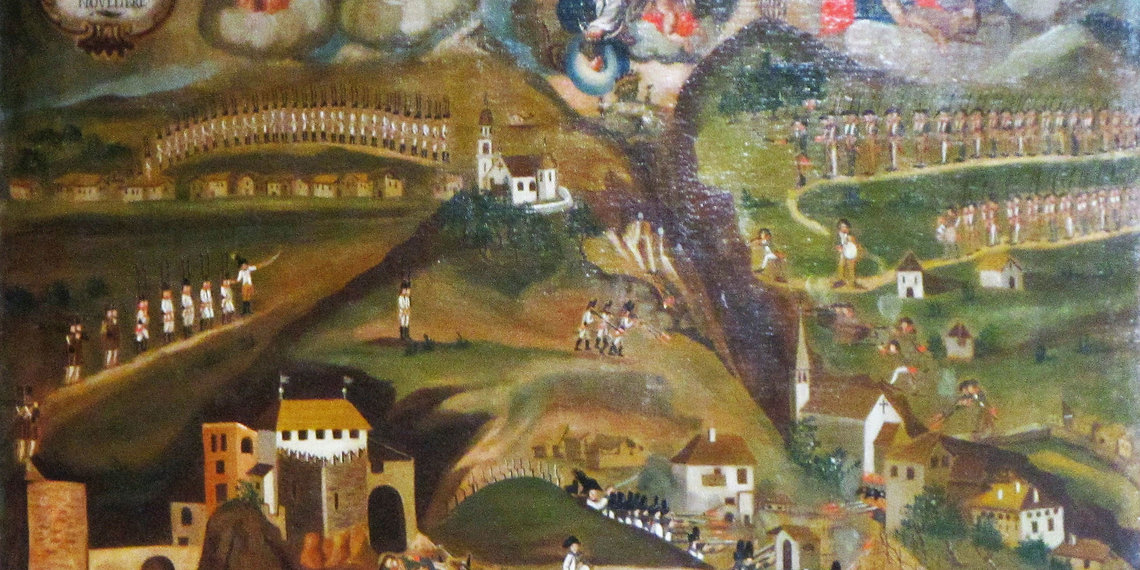
The cycling route continues southwards, partially following the right shore of the Etsch river. Most of the narrow bottom of the valley and the few clearings on the hillside are used to cultivate wine. In between, quaint villages nestle in the wooded mountains, Overlooked by towering castles. If you want to visit Castel Beseno, Besenello is the place you need.
For information, contact
Via Claudia Augusta Info
www.viaclaudia.org
info@viaclaudia.org
0043 664 27 63 555
For specific questions about the region, contact the
Tourist information from the APT Rovereto e Vallagarina
www.visitrovereto.it
38068 Rovereto, Corso Antonio Rosmini 21
38060 Brentonico (TN), Via F. Filzi 23
info@visitrovereto.it
0039 464 430 363
In summer, information is available from the
Bike and Tourist Info Centers along the route.
38068 Rovereto (TN), Piazzetta della Torre Civica di Borgo Sacco
ciclopoint@visitrovereto.it
0039 347 098 82 50

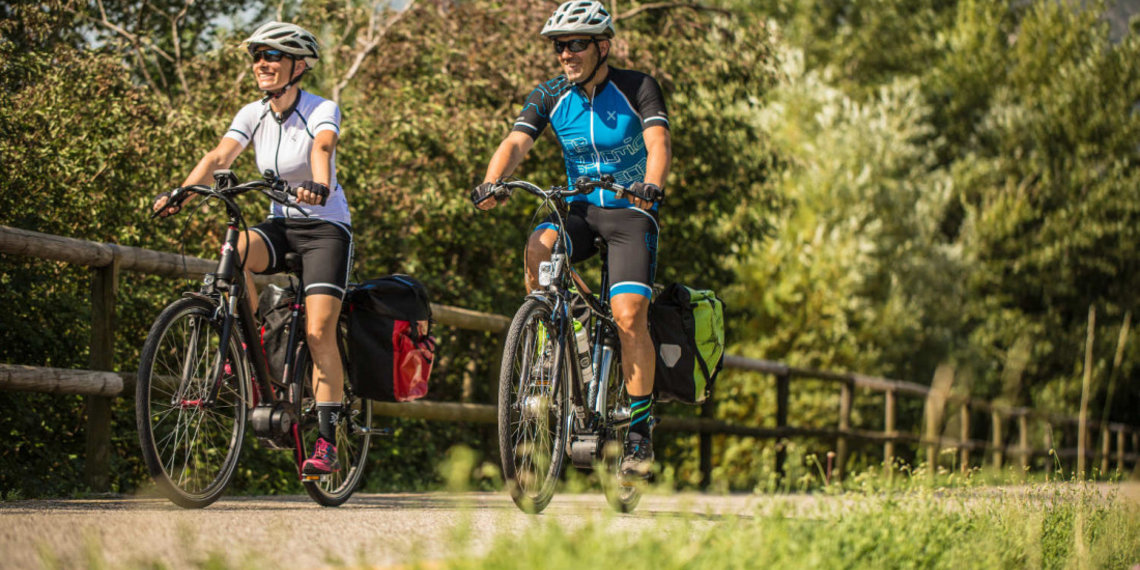

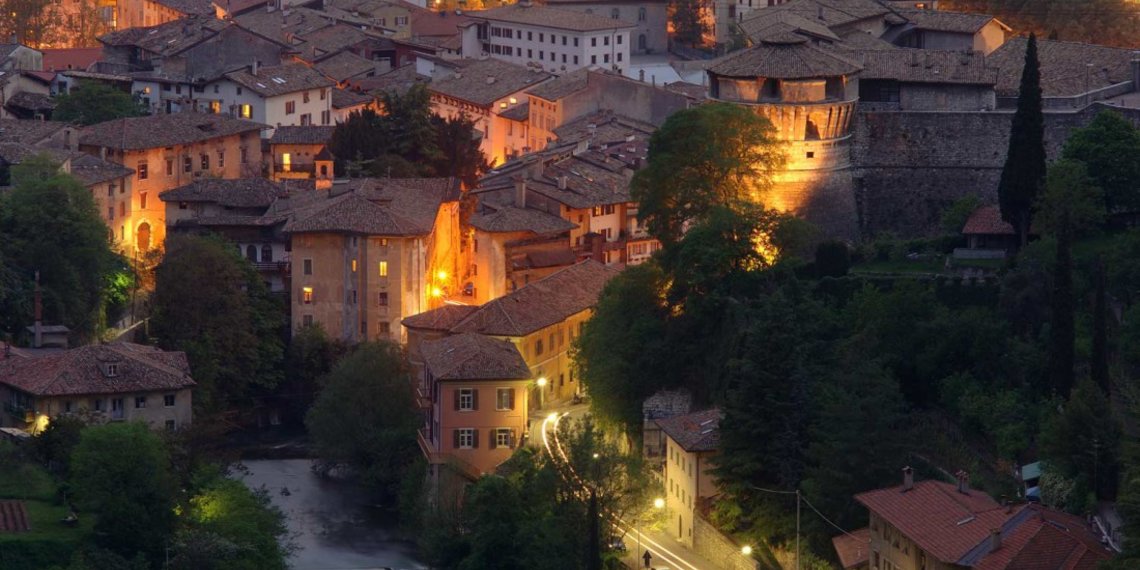
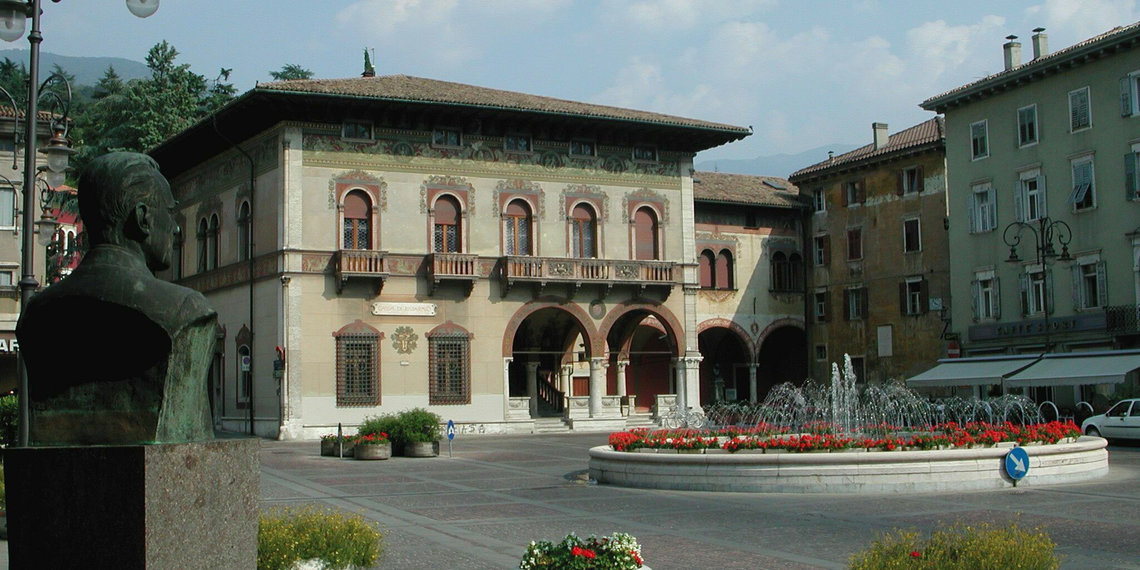
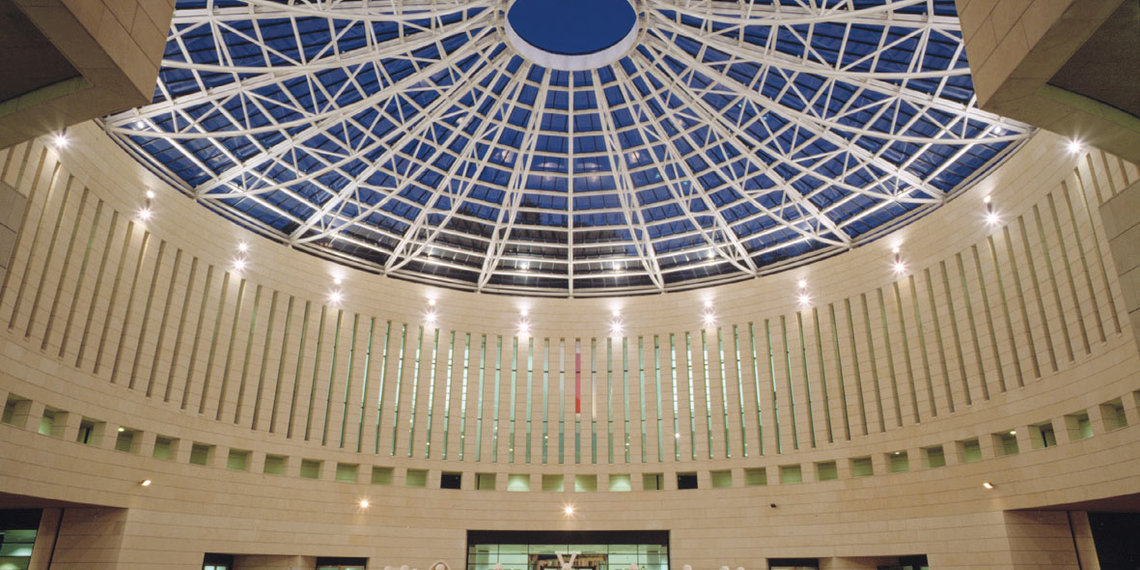
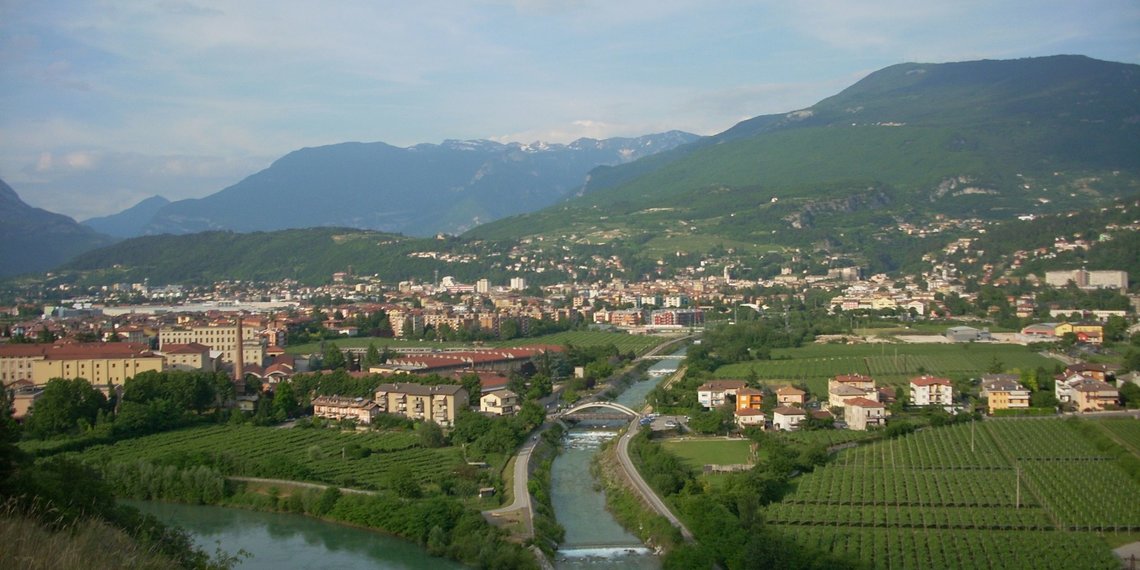
The cycling route leads south, taking you along the Etsch river and the western boundary of the city. Do drop into the historical center and the MART art gallery on your way. On the other side of the valley, facing Rovereto, picturesque villages and castles nestle in the landscape. Countless wineries wait to be discovered before you continue your journey southwards.
Rovereto is a lovely labyrinth of narrow alleyways and palaces, many of which have obvious Venetian and Austrian influences. We recommend that you park your car in the parking lot at the corner of Corso Rosmini and Via Pooli during your walk. Visit Italy’s oldest urban museum for a perfect start to your trip. Borgo Santa Caterina 41, +39 0464 452 800, open Tue–Sun 9:00 am–noon and 3:00 pm–6:00 pm, from 1 July– 16 October also open on Fri and Sun from 8:00 pm to 10:00 pm, closed on Mondays (except public holidays), www.museocivico.rovereto.tn.it. Head a little further and you will find the birthplace of the famous philosopher Anton Rosmini. Via Stoppani 3, +39 0464 420 788, by appointment only. At the Palazzo Todeschi-Micheli at Via Mercerie 14, Mozart played his first successful concert in Italy. The Ponte Forbato over the Leno river was destroyed in a flood in 1797 and rebuilt in 1840. On the opposite shore of the river stands the Casa dei Turchi (Turkish House). The towering Castello Rovereto from the 14th century houses Italy’s largest war museum. Borgo Santa Caterina 7, +39 0464 438 100, open Tue–Sun 9:00 am–noon and 3:00 pm–6:00 pm, from 1 July– 16 October also open on Fri and Sun from 8:00 pm to 10:00 pm, closed on Mondays (except public holidays), www.museodellaguerra.it. The elegant Palazzo Pretorio houses the municipal administration. It was built in 1417 in the Venetian style. The Palazzo del Ben (also: dei Conti D‘Arco) on the Piazza Rosmini is a gem of Renaissance architecture made available to the public for cultural activities by the Sparkasse Trento and Rovereto bank. A little further, you will find the MART art gallery. The Palazzo dell‘Annona, which houses a library, is a part of it. MART, Rovereto, Corso Bettini 43, +39 0464 438 887, open Tue–Sun 10:00 am–6:00 pm, Fri 10:00 am–9:00 pm, closed on Mondays (except public holidays), www.mart.trento.it. Opposite the Giorgio Perlasca Park stands Trentino’s very first theater: the Theater Zandonai. There is also the Neoclassical Piamarta Palace, better known as the Palazzo della Pubblica Istruzione (‘palace of public teaching’).
For information, contact
Via Claudia Augusta Info
www.viaclaudia.org
info@viaclaudia.org
0043 664 27 63 555
For specific questions about the region, contact the
Tourist information from the APT Rovereto e Vallagarina
www.visitrovereto.it
38068 Rovereto, Corso Antonio Rosmini 21
38060 Brentonico (TN), Via F. Filzi 23
info@visitrovereto.it
0039 464 430 363
In summer, information is available from the
Bike- und Tourist-Info along the route
38068 Rovereto (TN), Piazzetta della Torre Civica di Borgo Sacco
ciclopoint@visitrovereto.it
0039 347 098 82 50

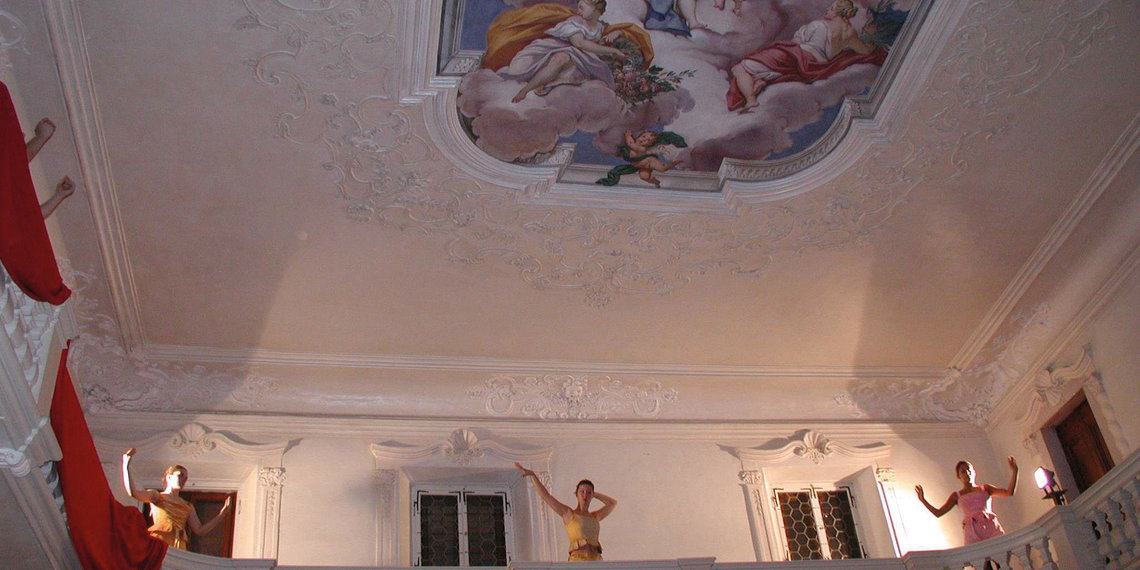
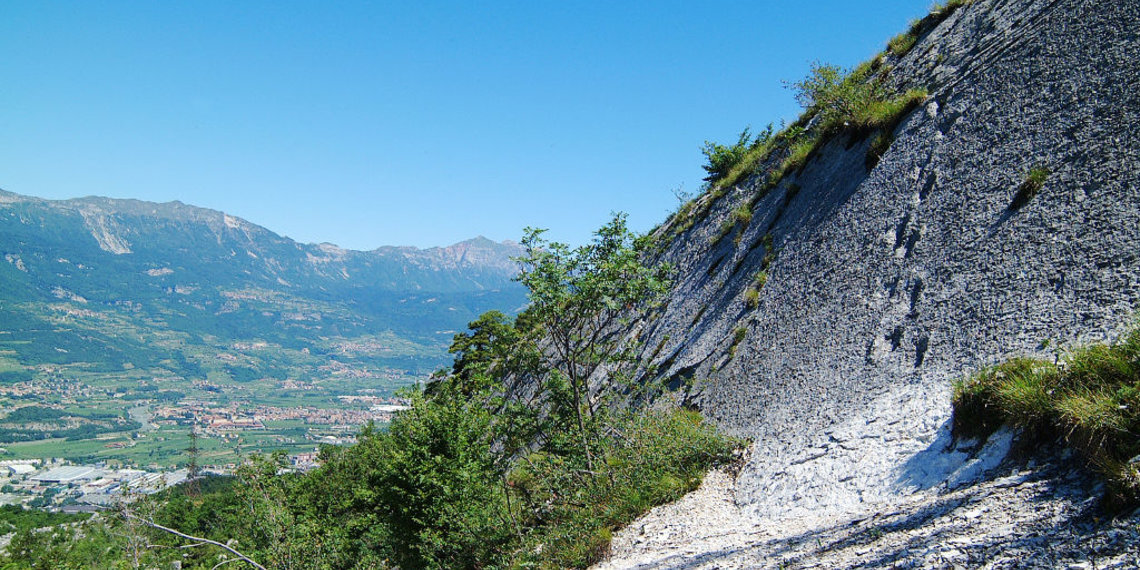
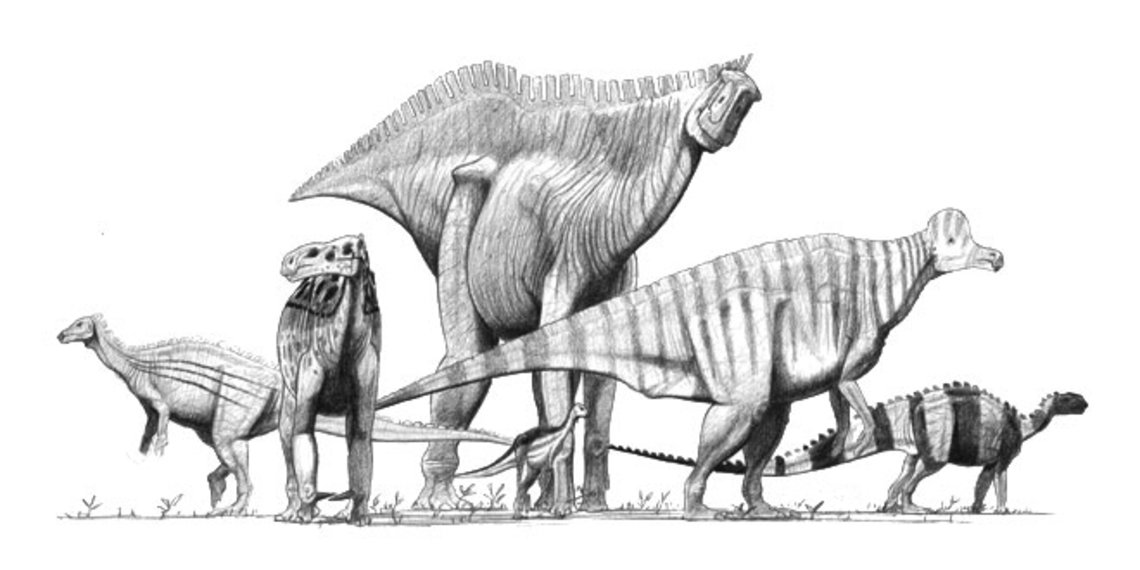

The cycling route continues along the Etsch river, tracing its right shore in some places and its left in others. Every now and then, it will lead you away from the river for a quick tour of a local vineyard or village. Near Mori, the route crosses the river. From there, you will cycle for another 13 kilometers before reaching the famous Trentino resort towns on Lake Garda: Torbole and Riva. Another 13-kilometers cycle then takes you to Brentonico, a municipality located on a plateau above the valley. Take a break to visit the botanics and the fossil museum.
For information, contact
Via Claudia Augusta Info
www.viaclaudia.org
info@viaclaudia.org
0043 664 27 63 555
For specific questions about the region, contact the
Tourist information from the APT Rovereto e Vallagarina
www.visitrovereto.it
38068 Rovereto, Corso Antonio Rosmini 21
38060 Brentonico (TN), Via F. Filzi 23
info@visitrovereto.it
0039 464 430 363
In summer, information is available from the
Bike- und Tourist-Info along the route
38068 Rovereto (TN), Piazzetta della Torre Civica di Borgo Sacco
ciclopoint@visitrovereto.it
0039 347 098 82 50
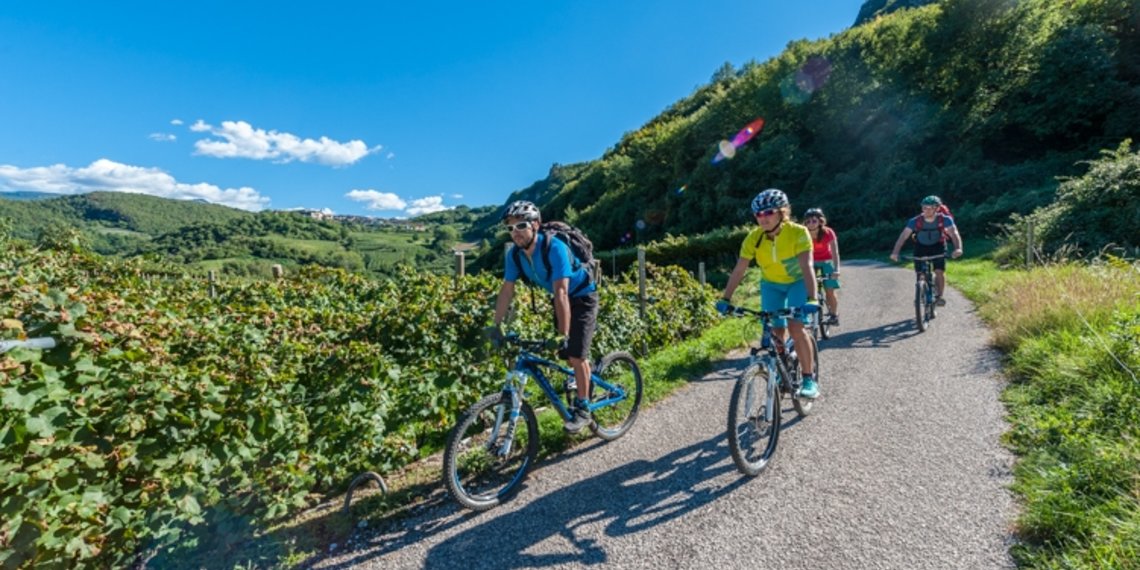

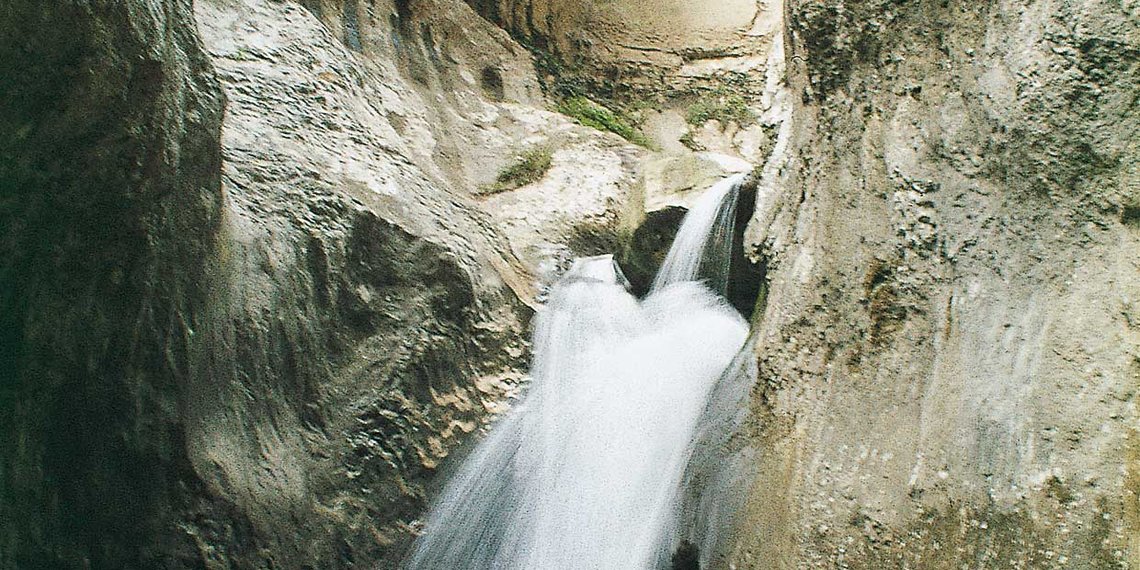
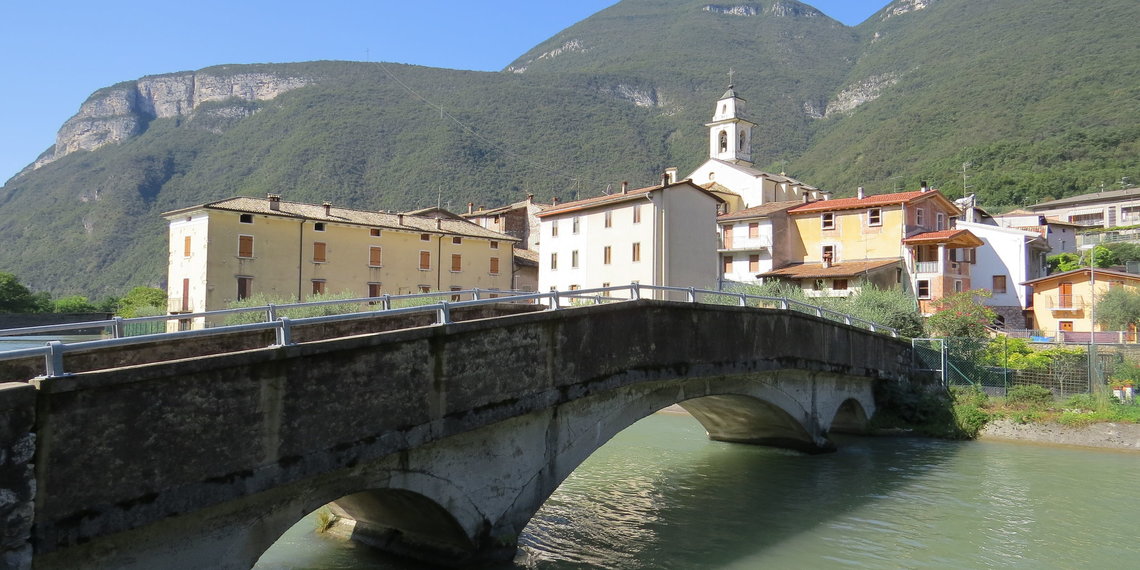
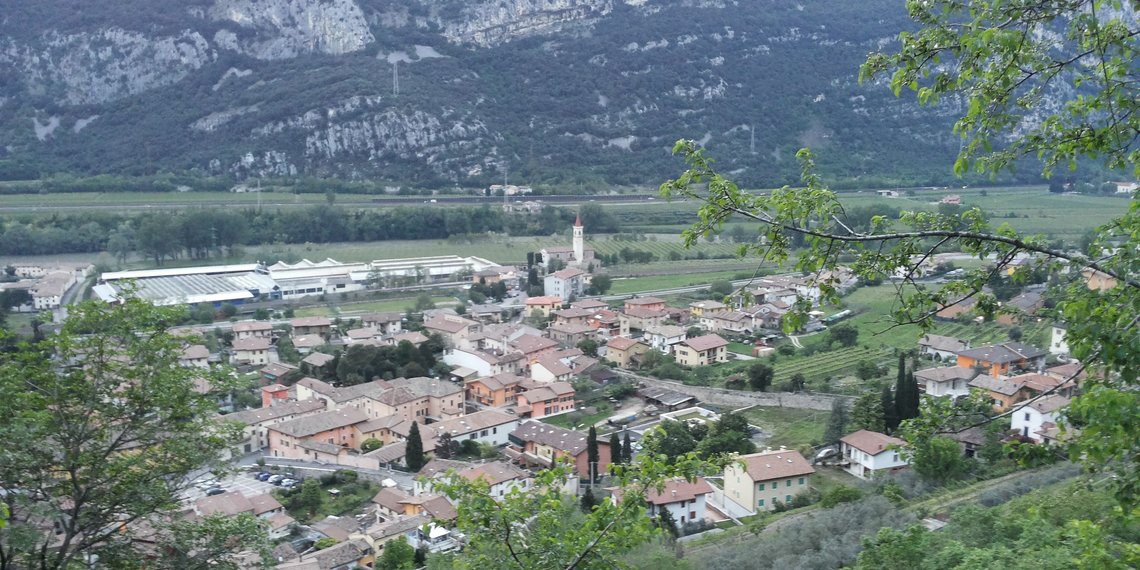
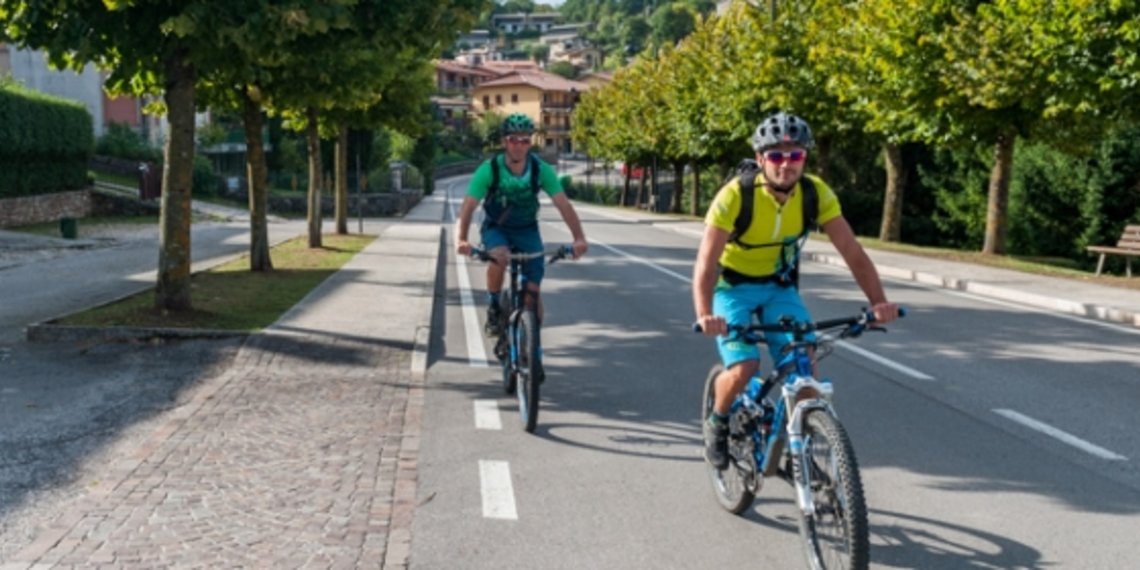
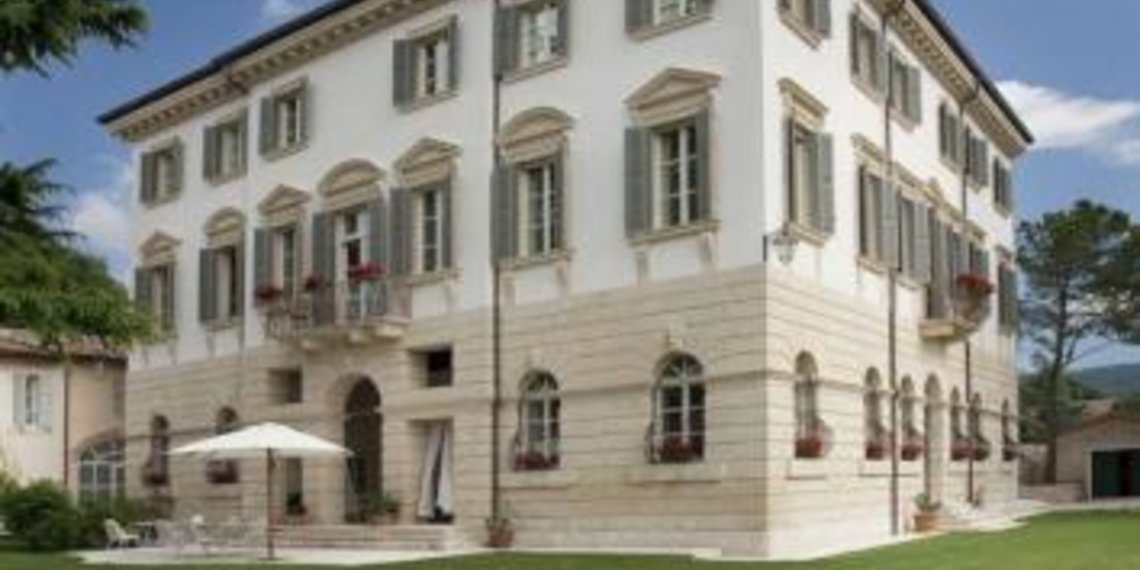
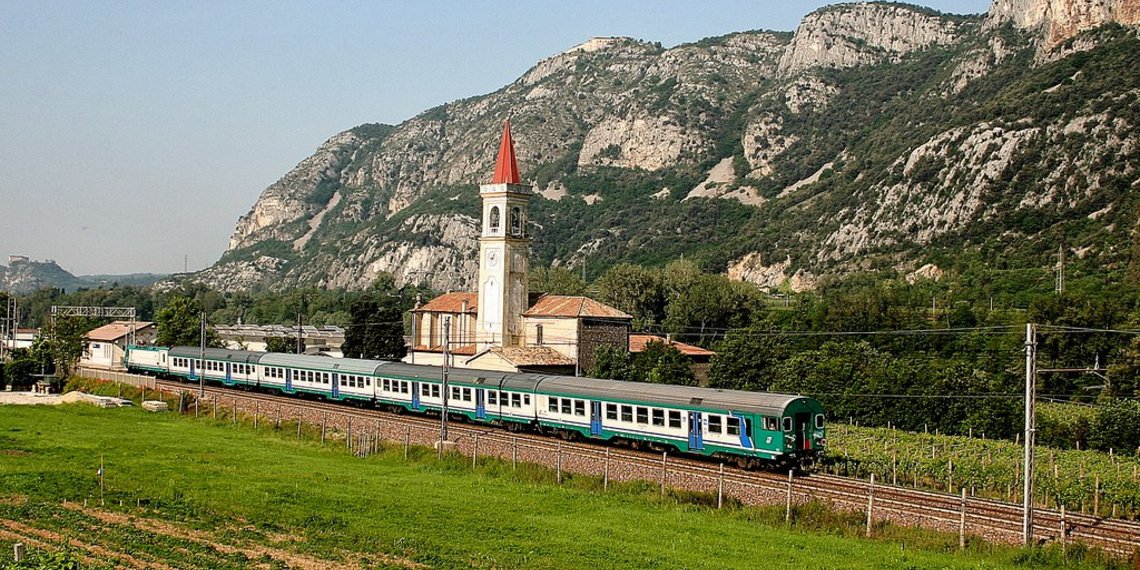
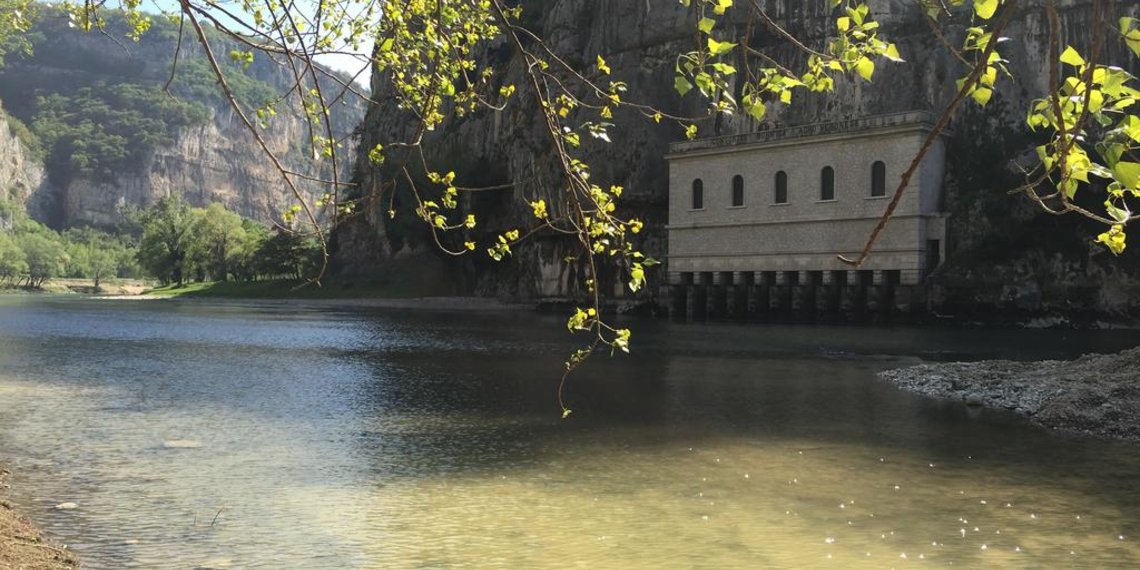
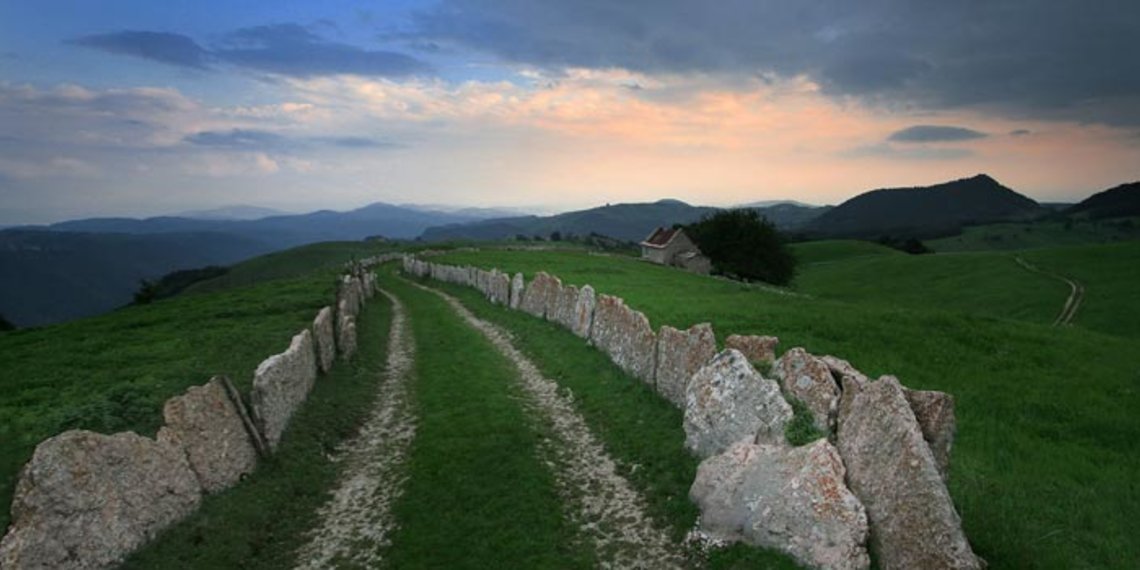
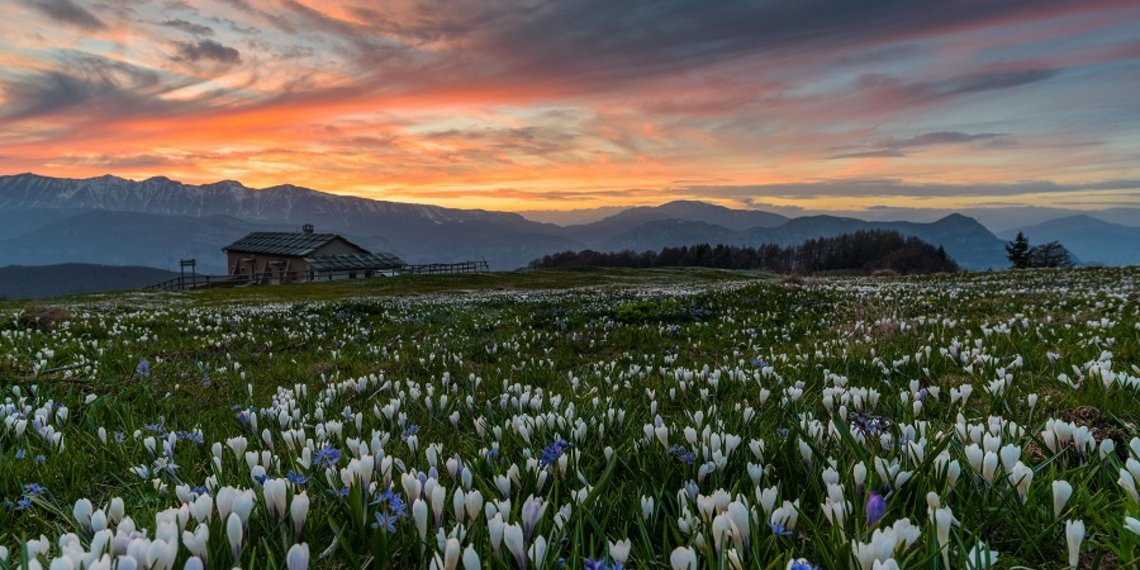
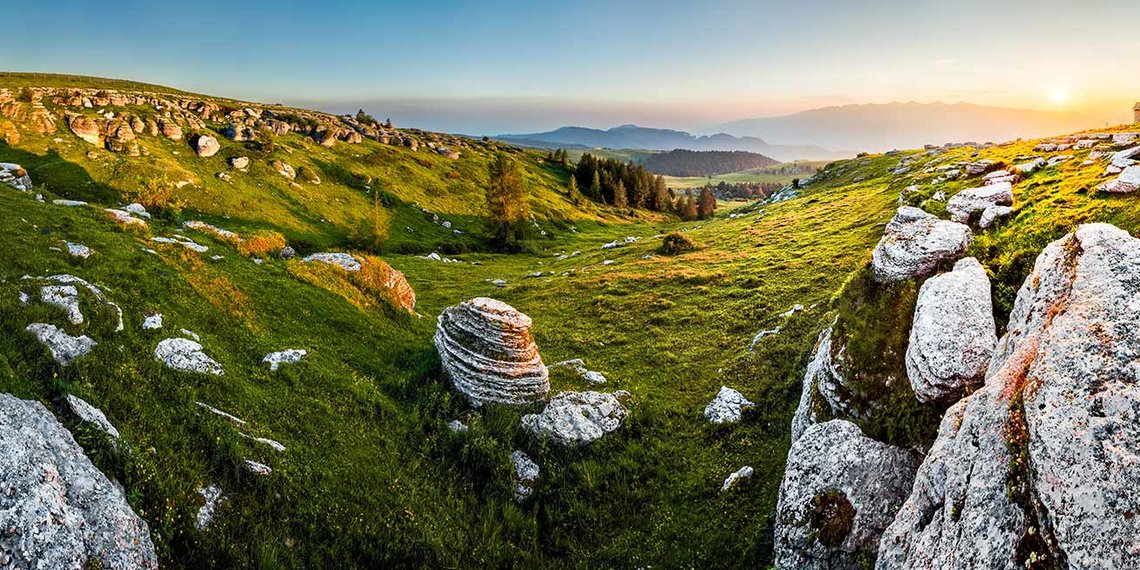
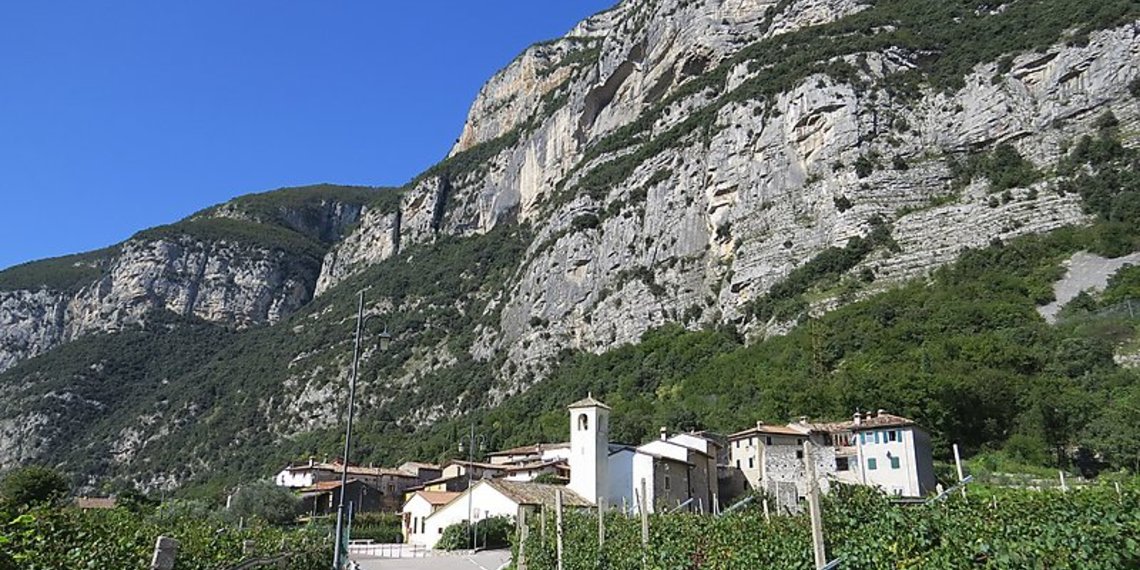
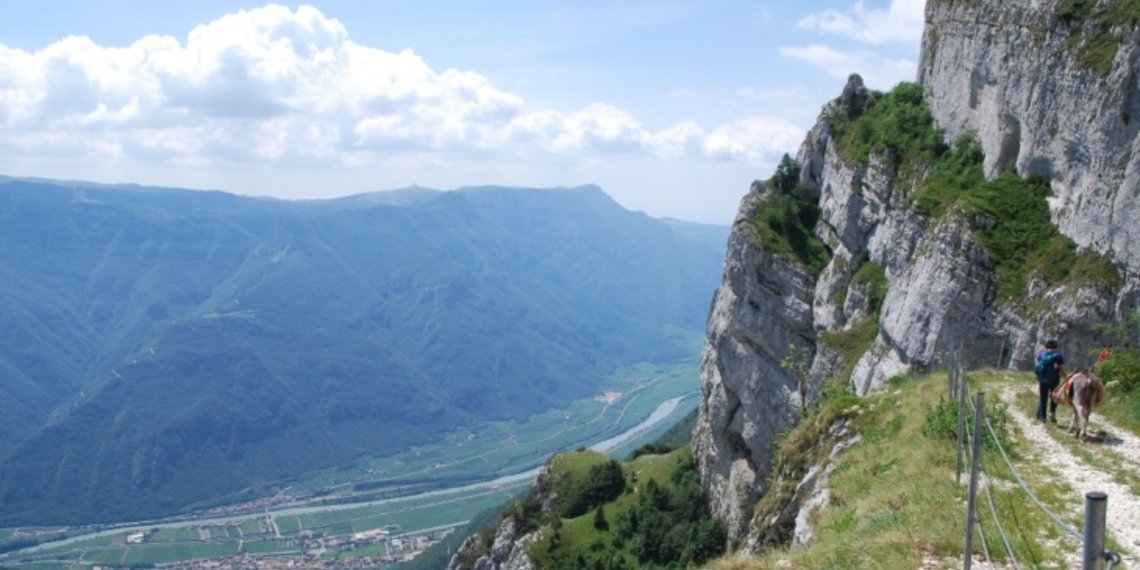
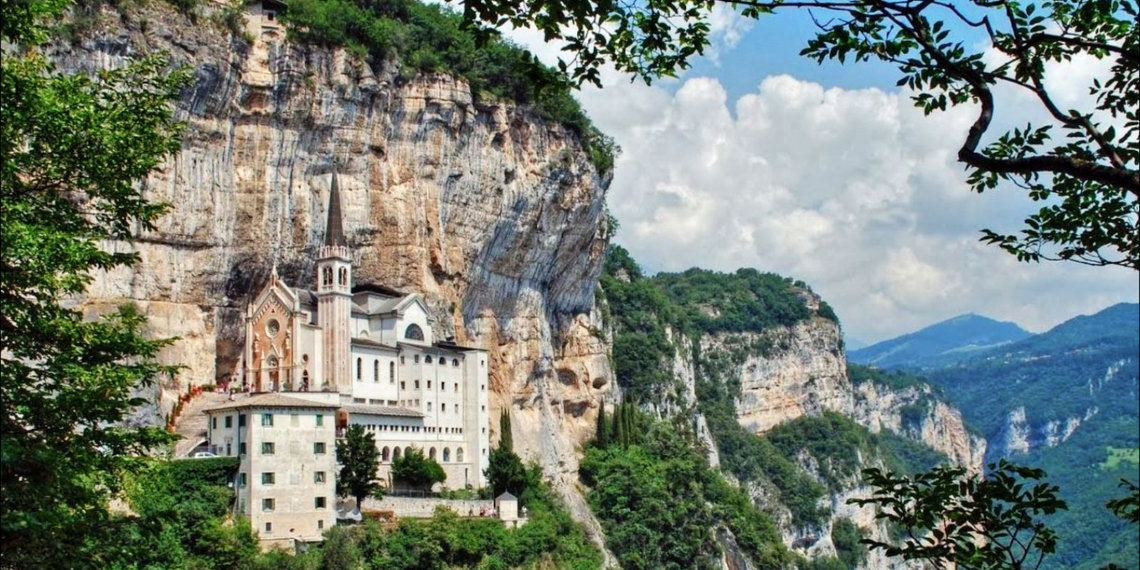
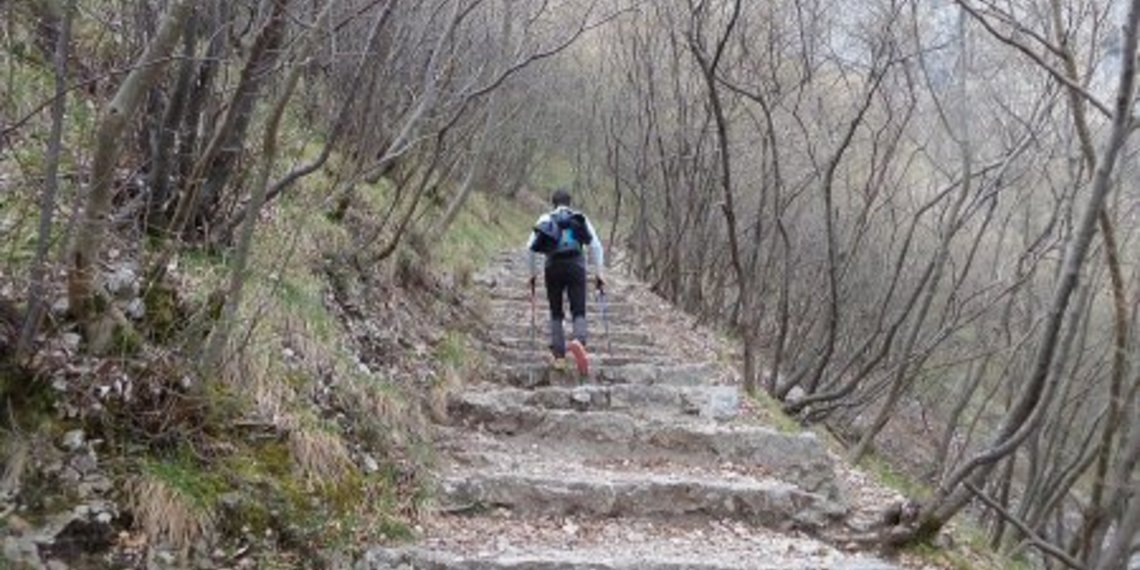
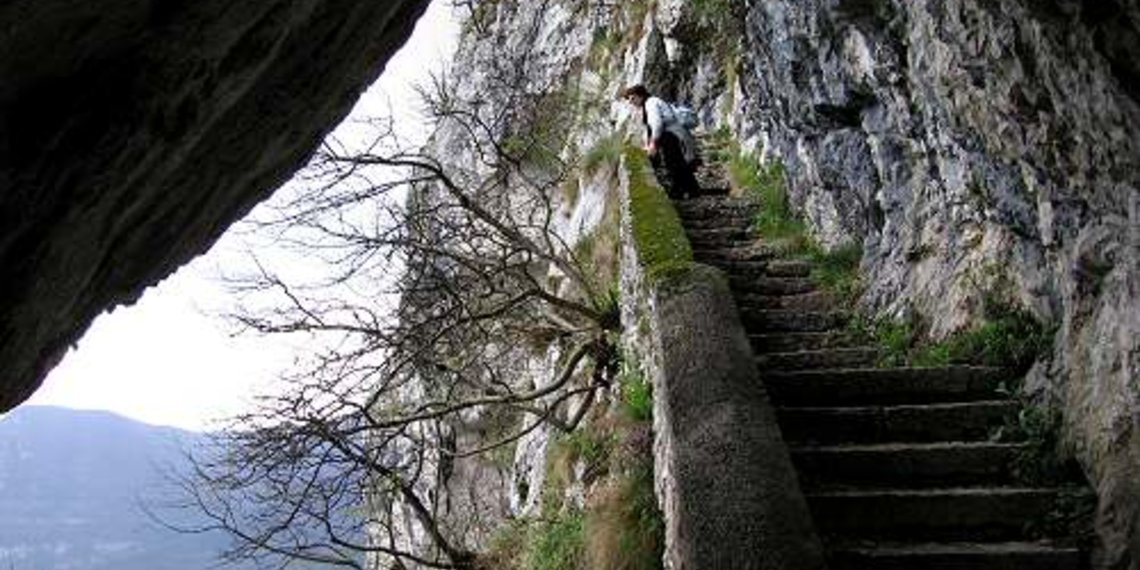
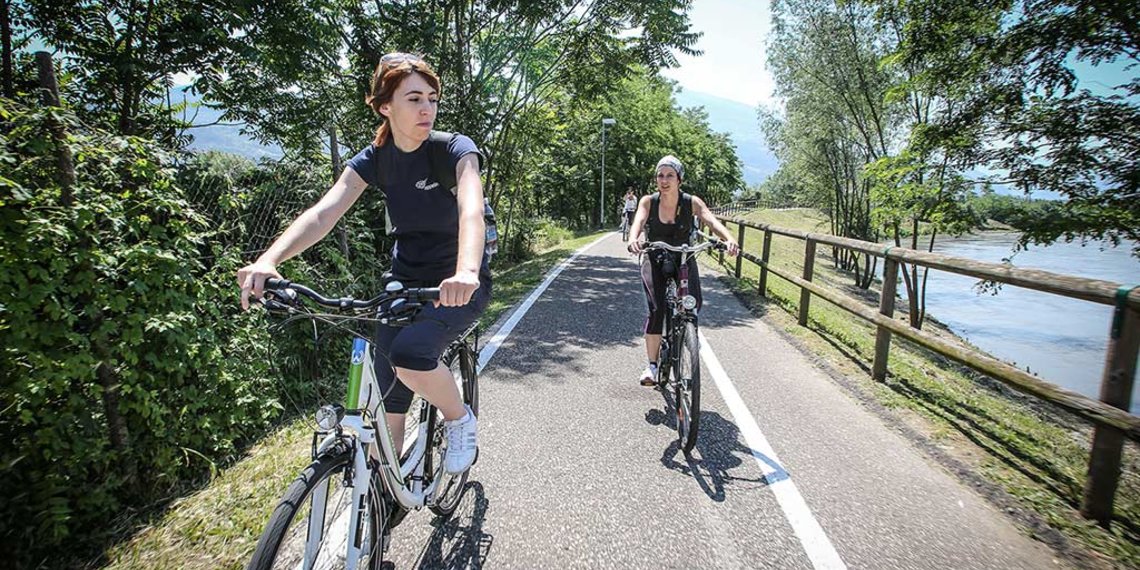
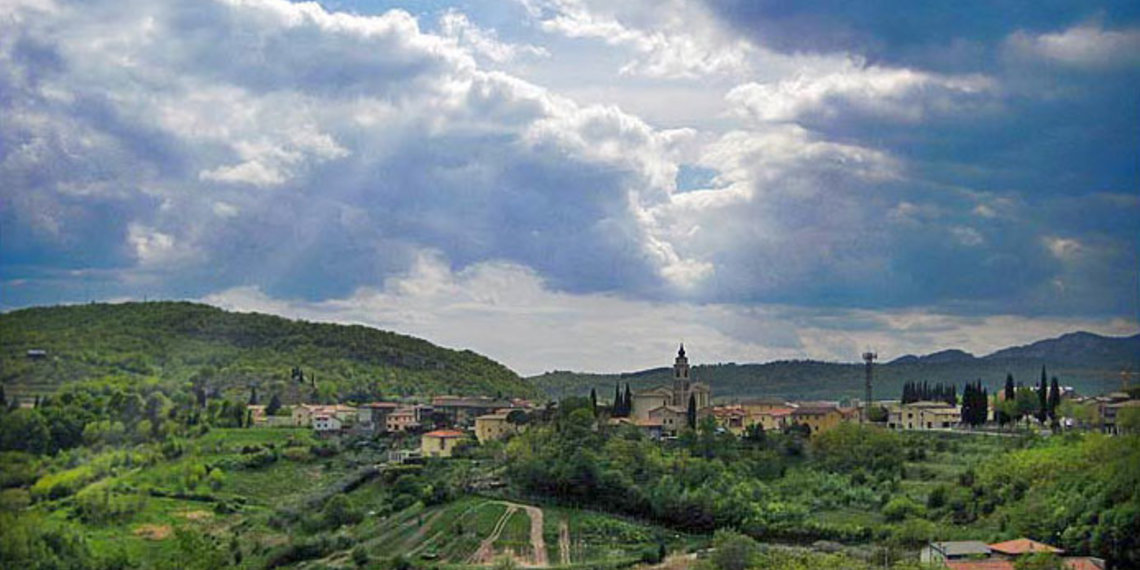
In the Veronese part of the Vallagarina, the cycling route traces the old national road. While this has the disadvantage of traffic, it allows cyclists to take in the villages along the way: Belluno Veronese, Rivalta (the main district of the municipality of Veronese), Brentino Belluno, and so on. If you wish to take a detour to Dolcè with its lovely, historical center and three stately palazzi, cross the river at Rivalta, then head back the same way. To this day, there are only very few bridges over the Etsch river in this part of the valley.
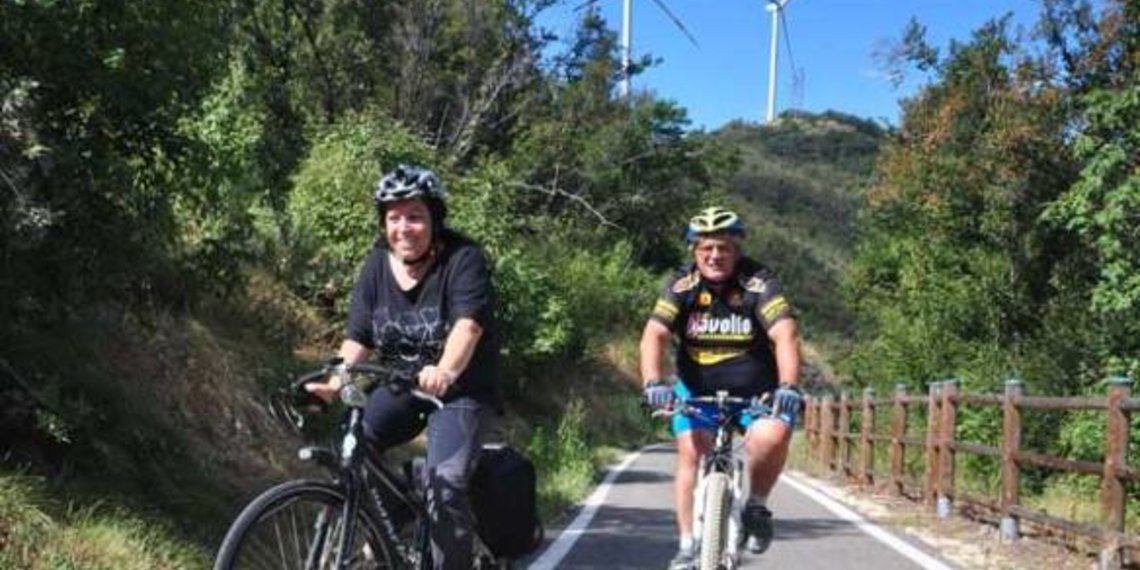
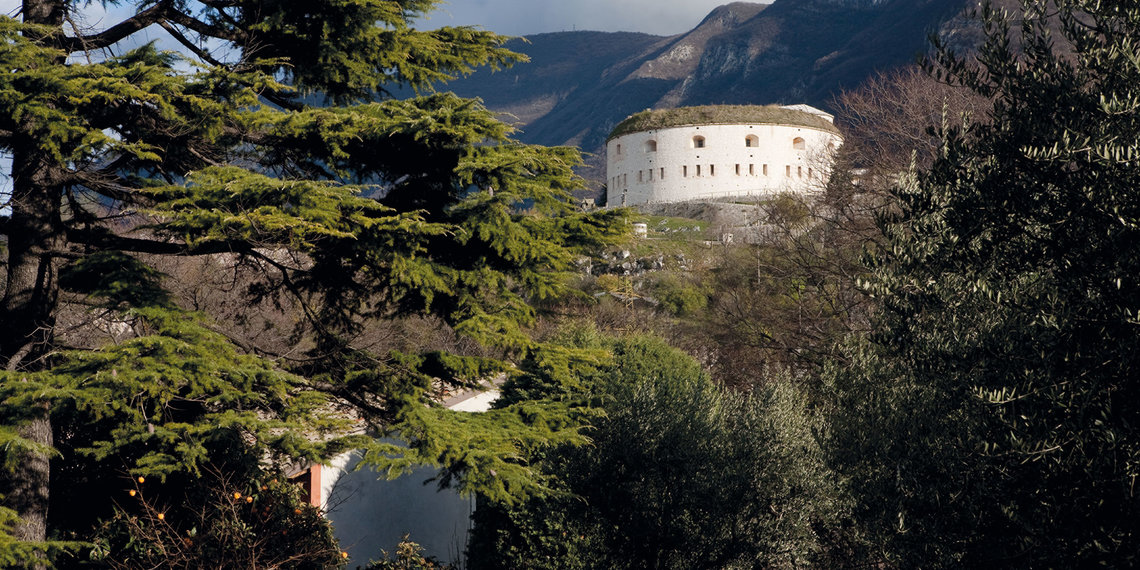


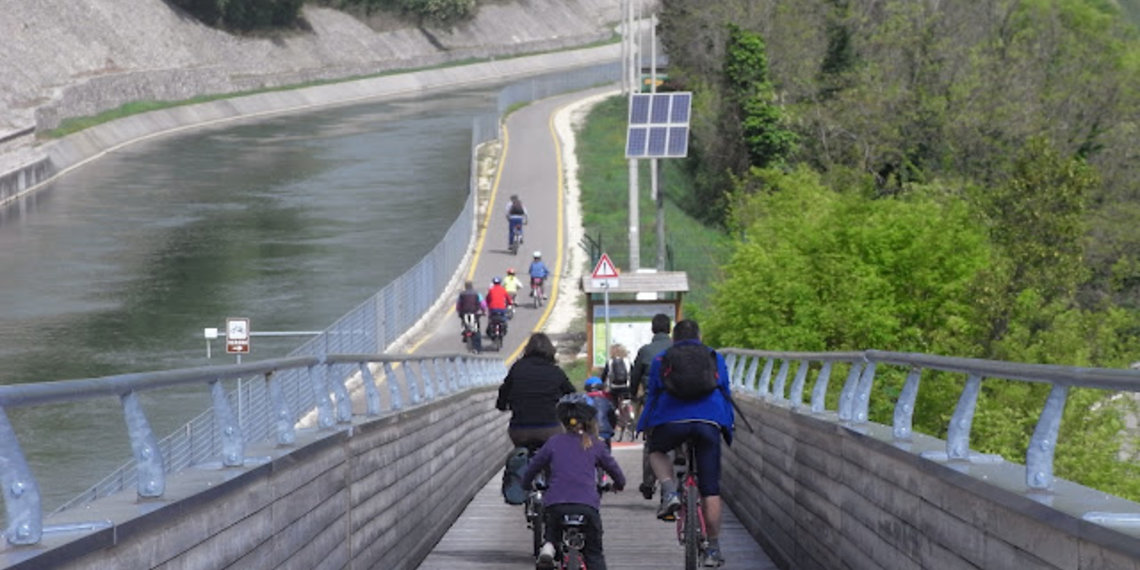
Like the Roman road, the cycling route runs from the Vallagarina up to the plateau on which Rivoli Veronese is situated. A beautiful, winding cycling path with a steady incline was built for this very purpose. Once you reach the top, panoramic views of the valley will reward your efforts. The Austro-Hungarian Forte Wohlgemuth is an attraction worth visiting. From Rivoli, you can easily reach the resort towns of Bardolino and Lazise.
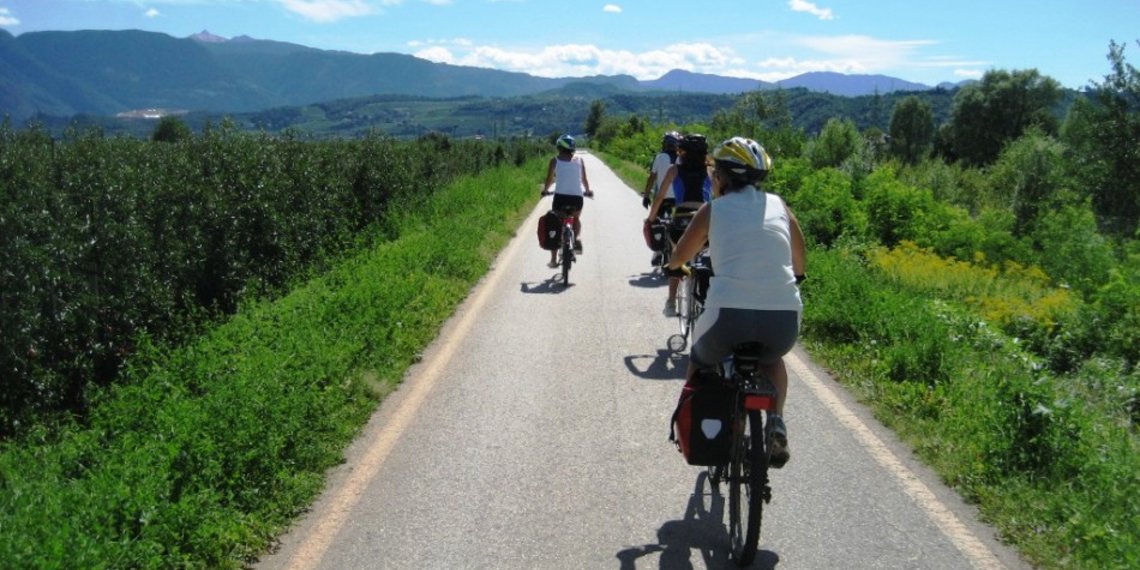

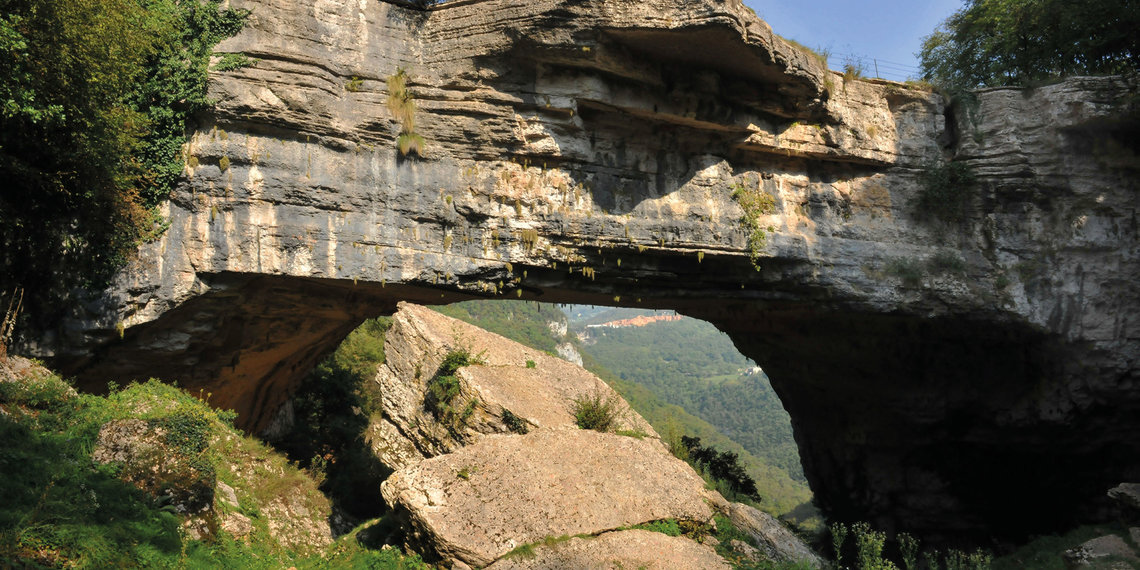
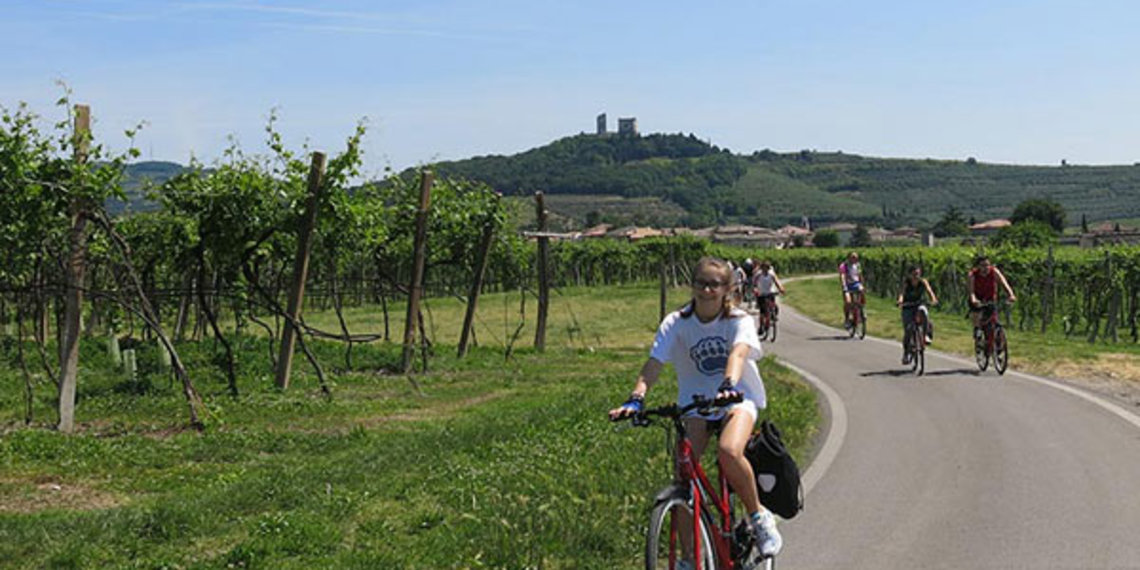
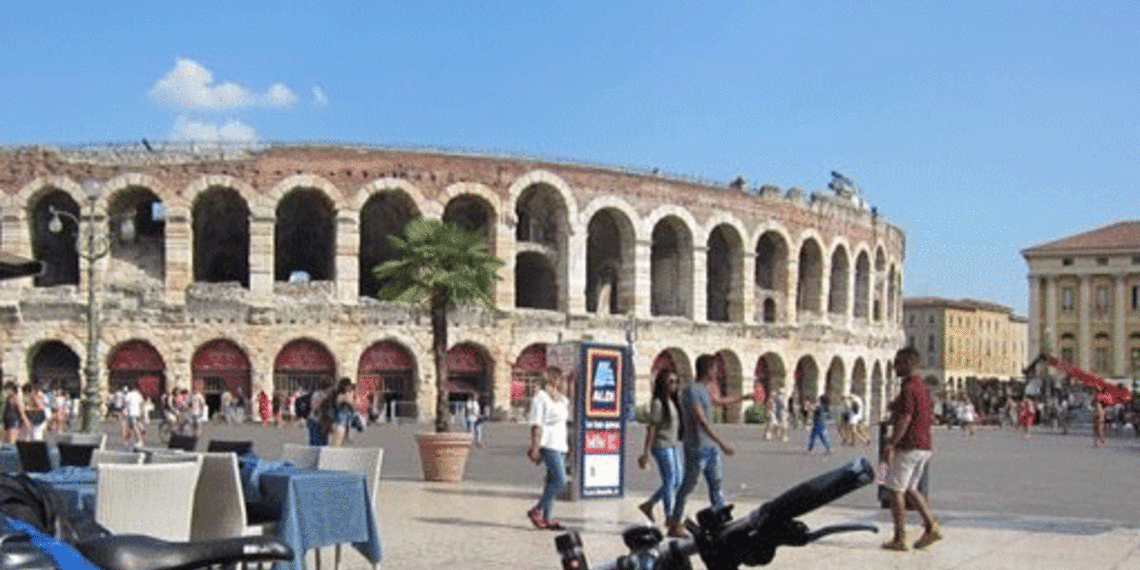
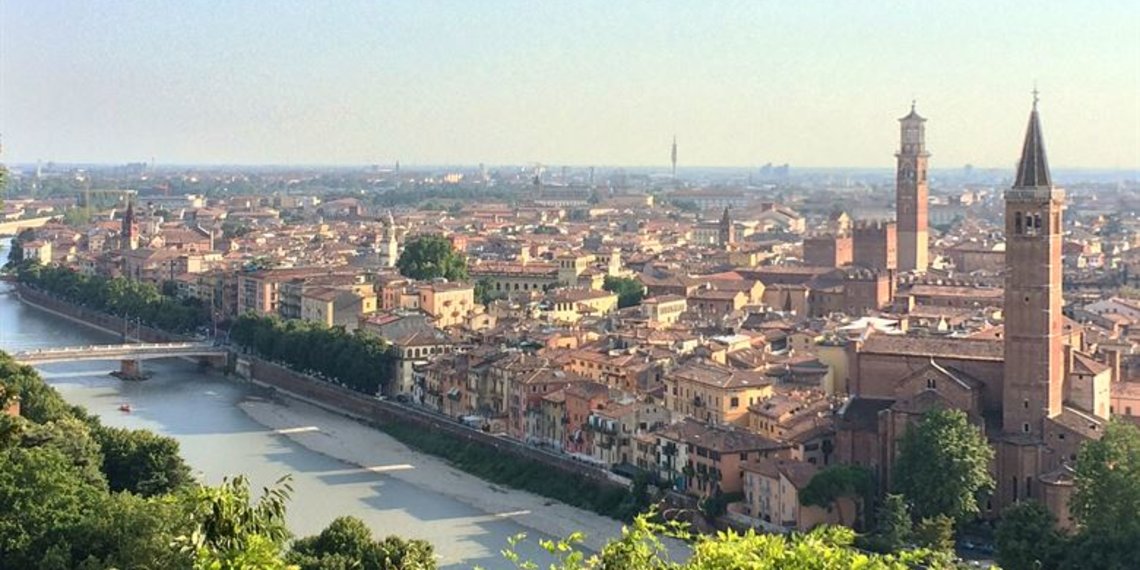

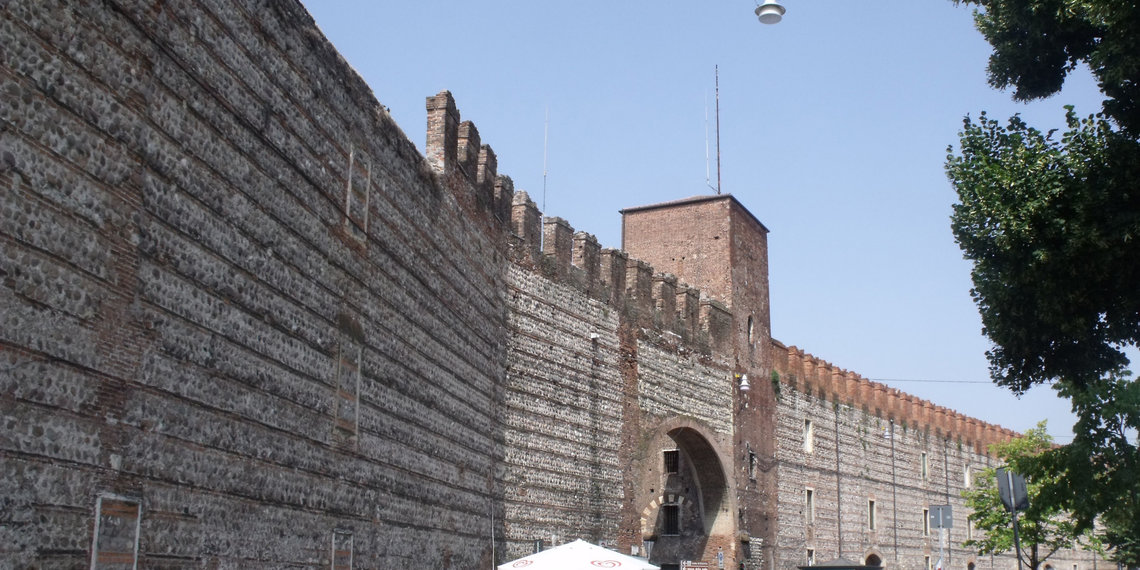
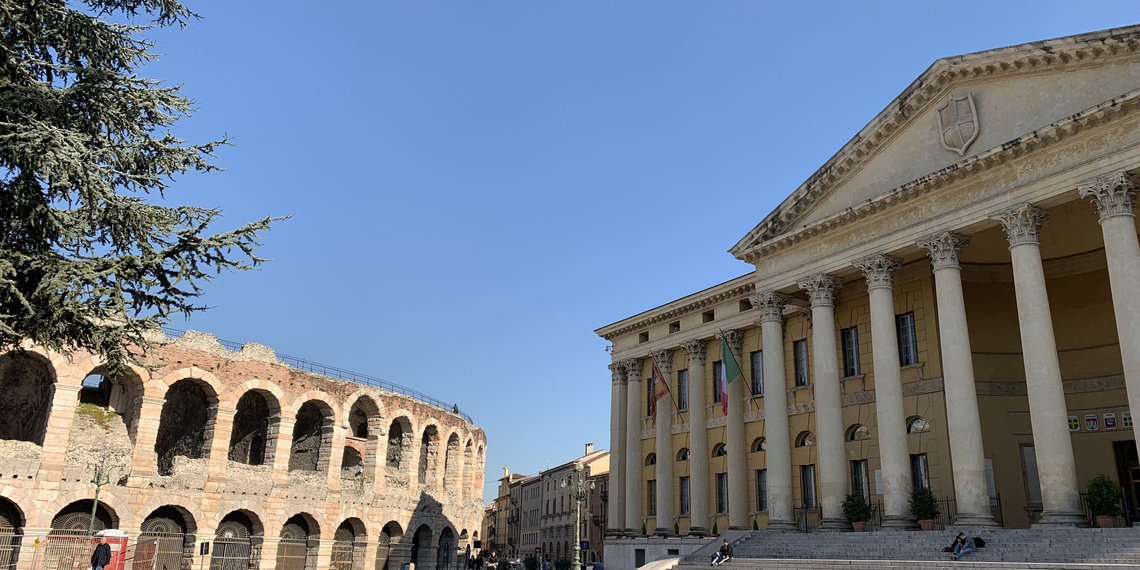

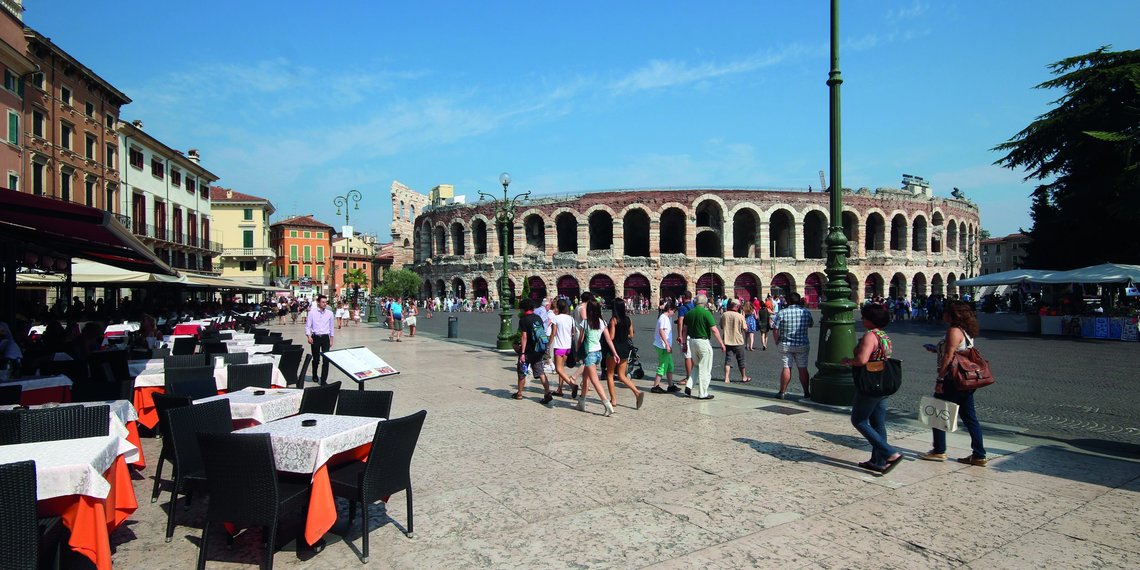
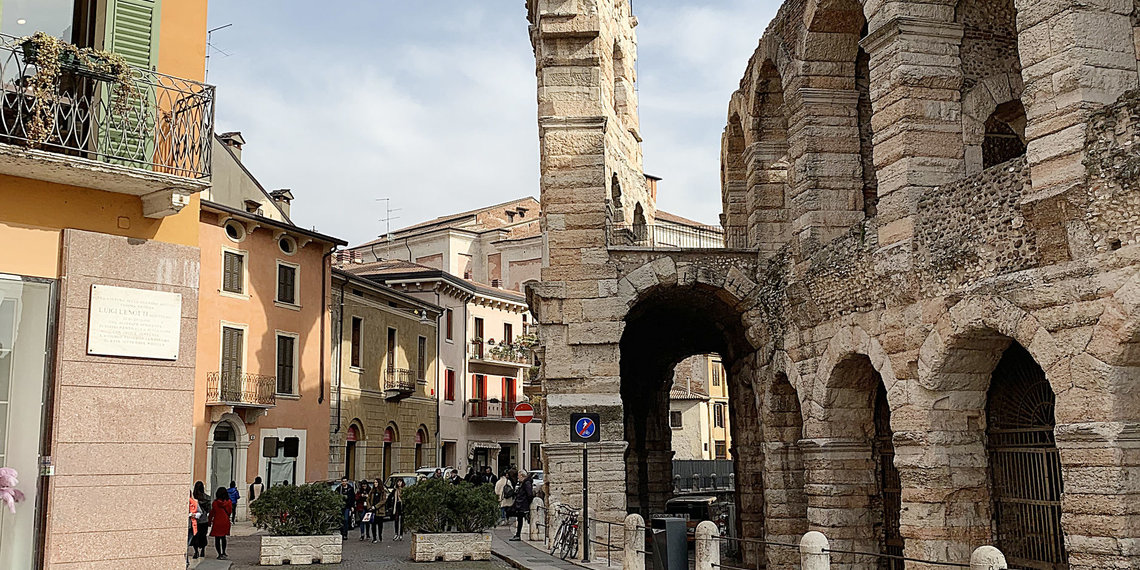
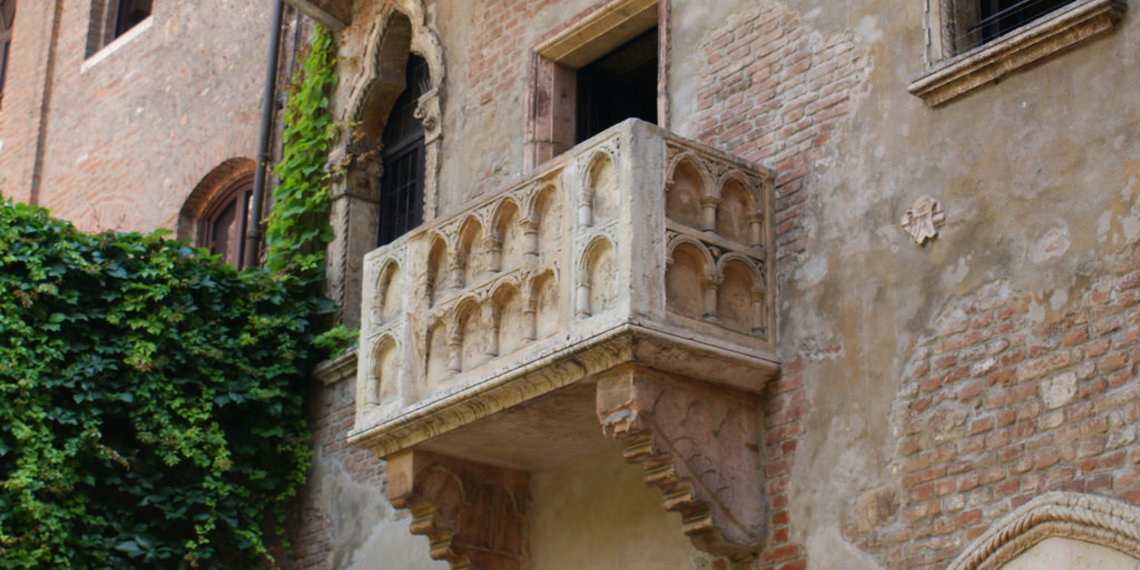
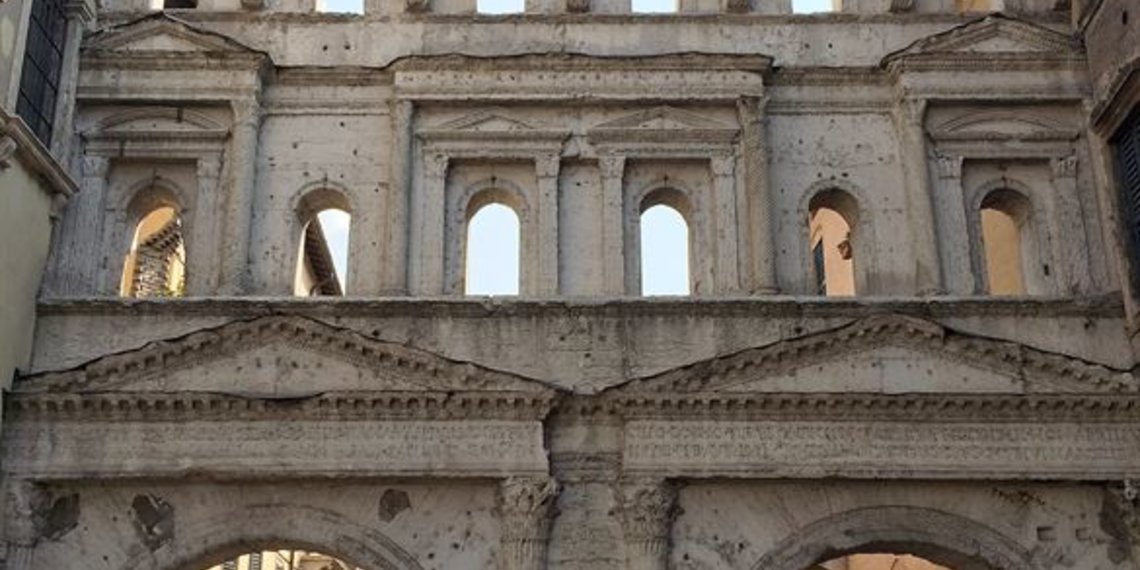

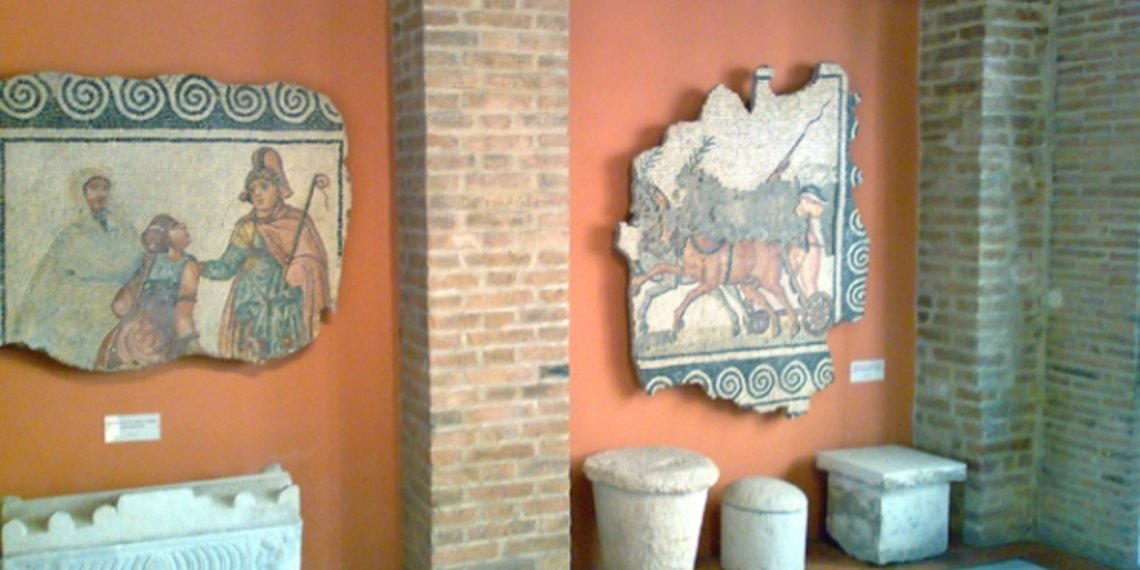
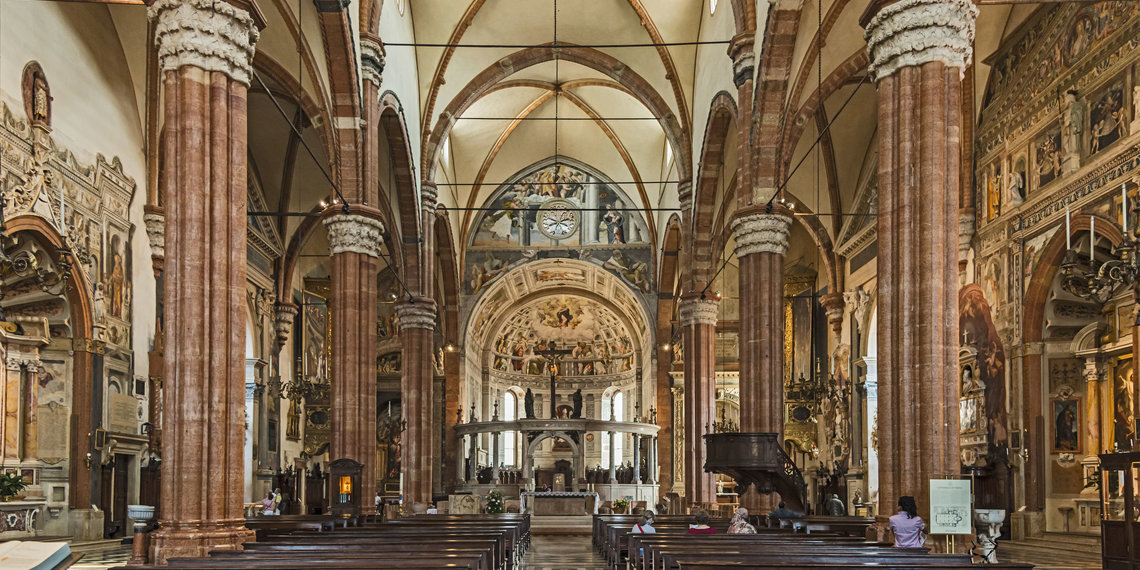
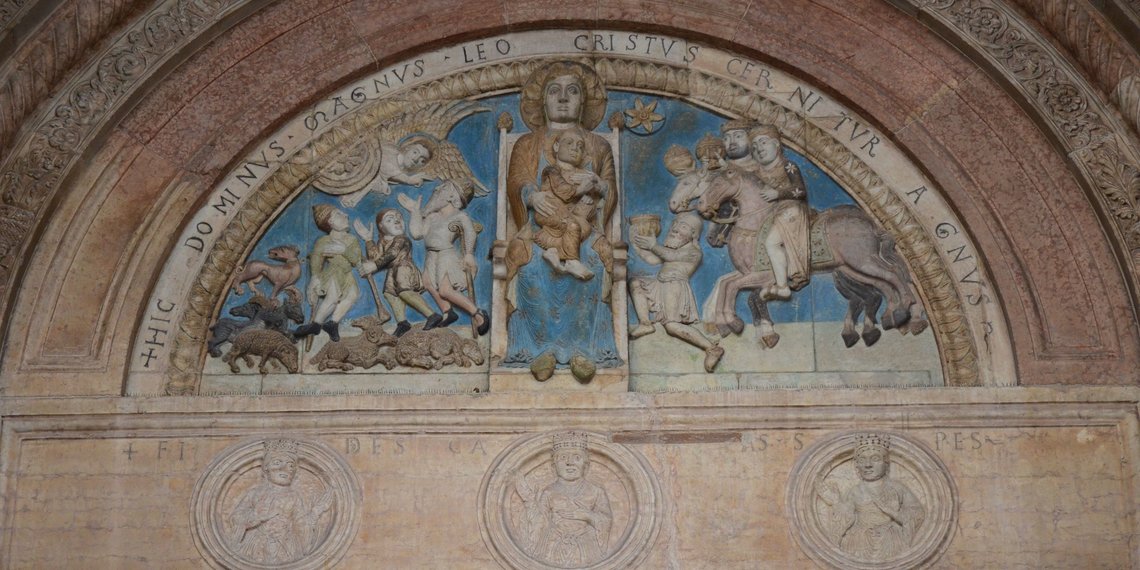
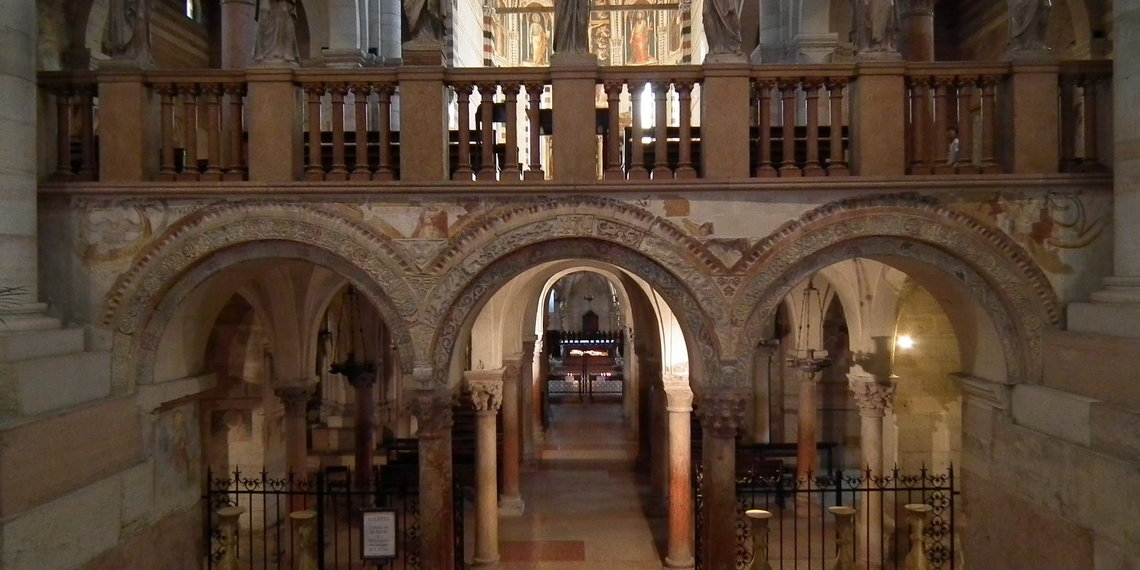
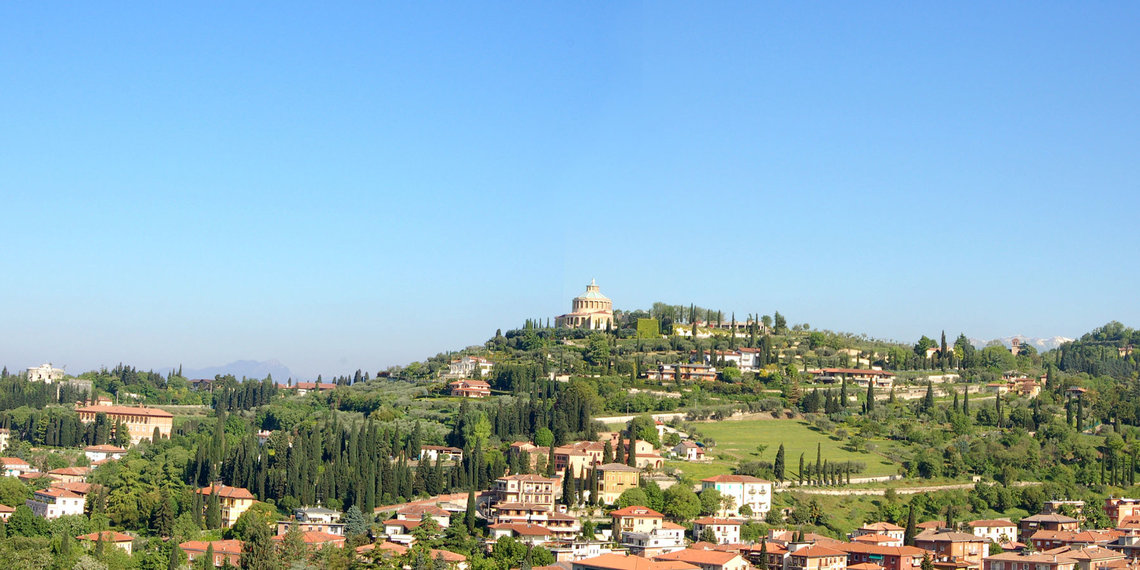
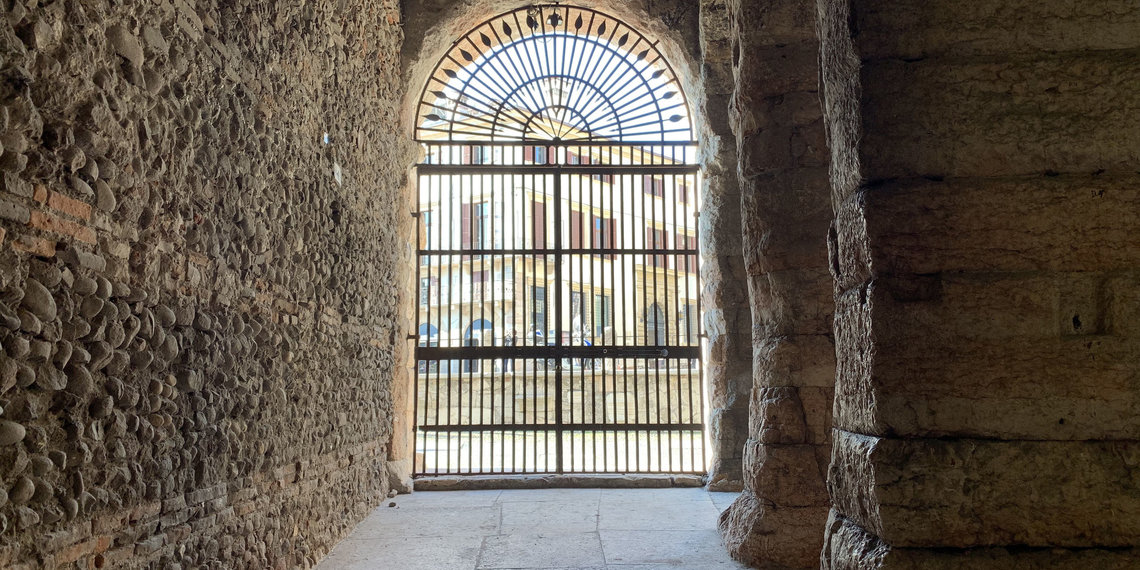
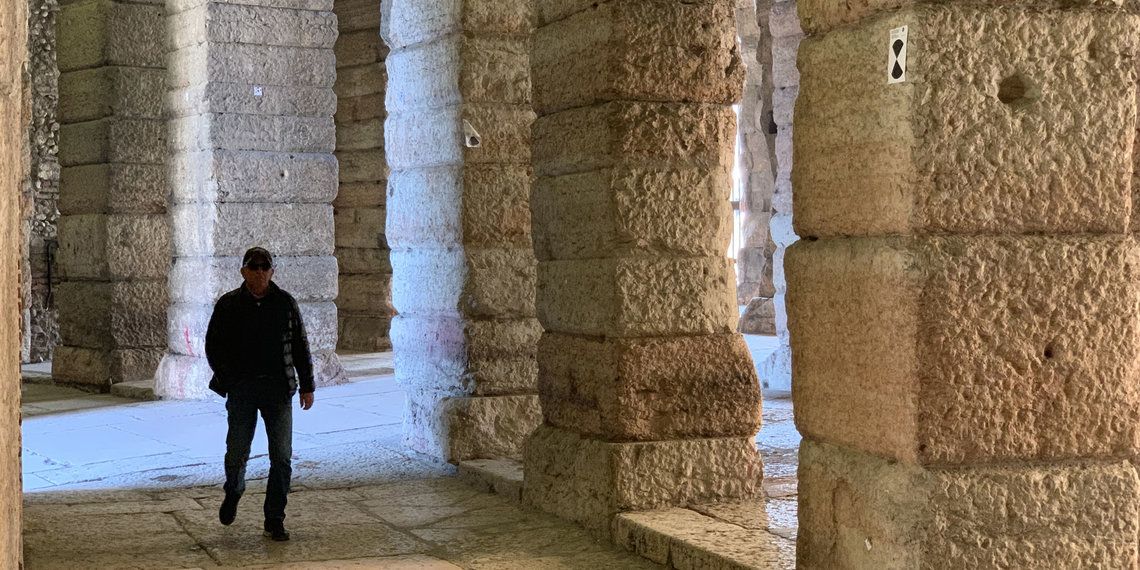
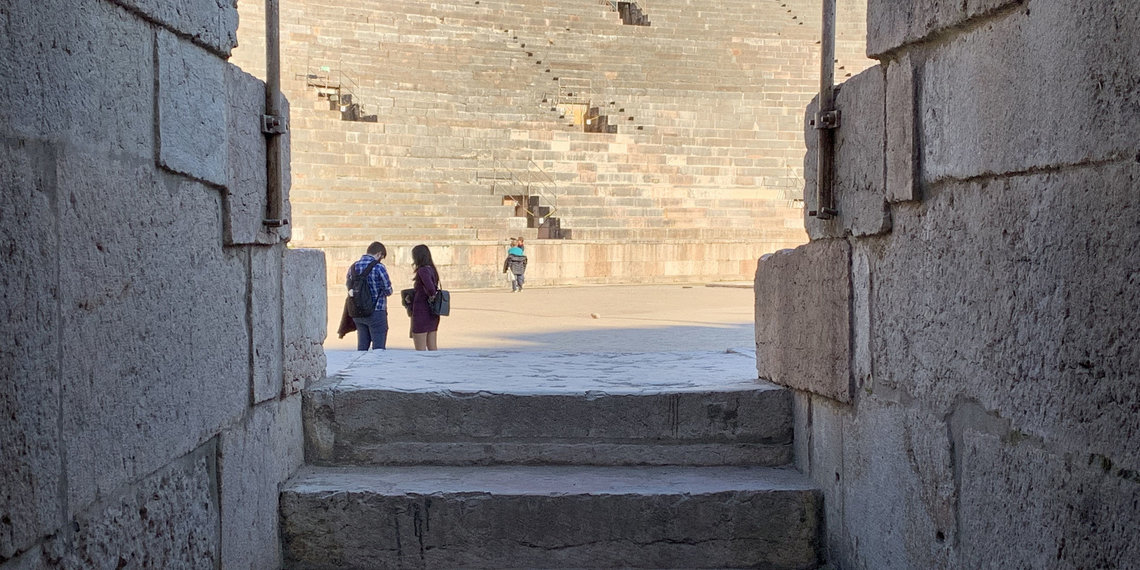
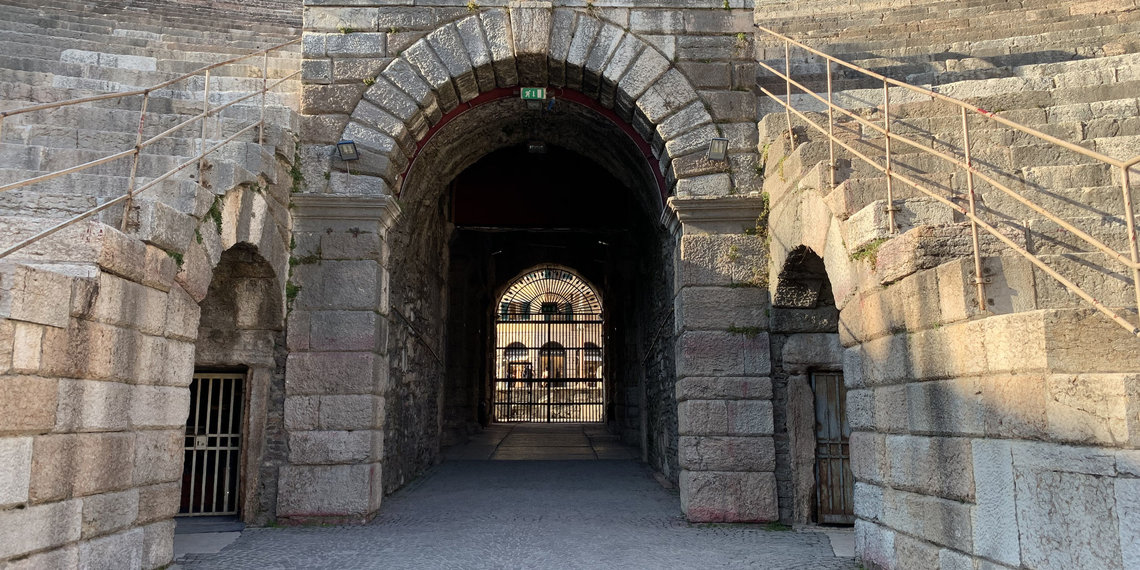

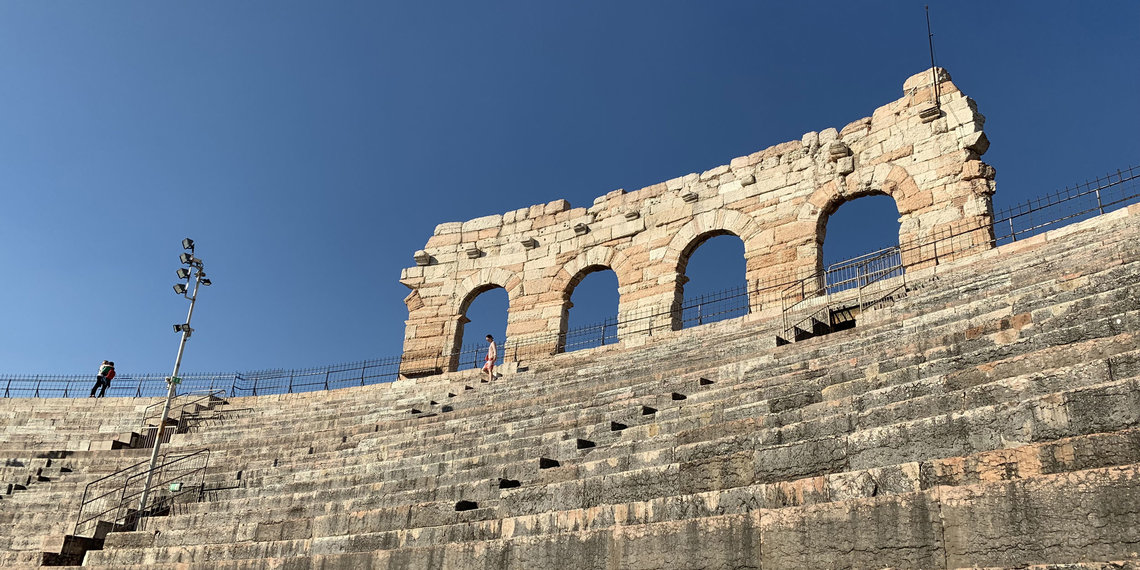
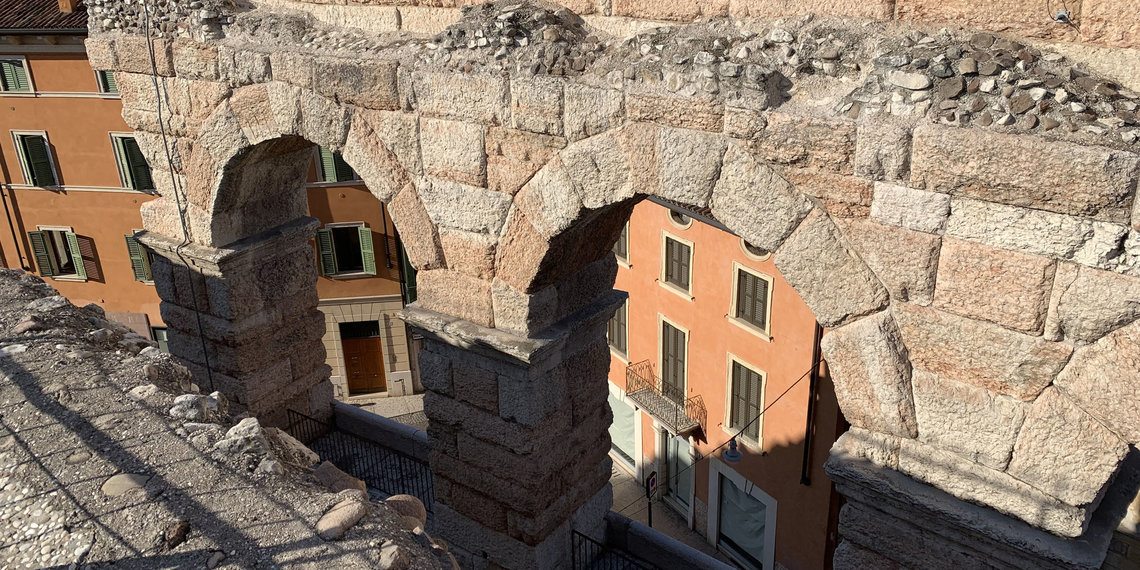
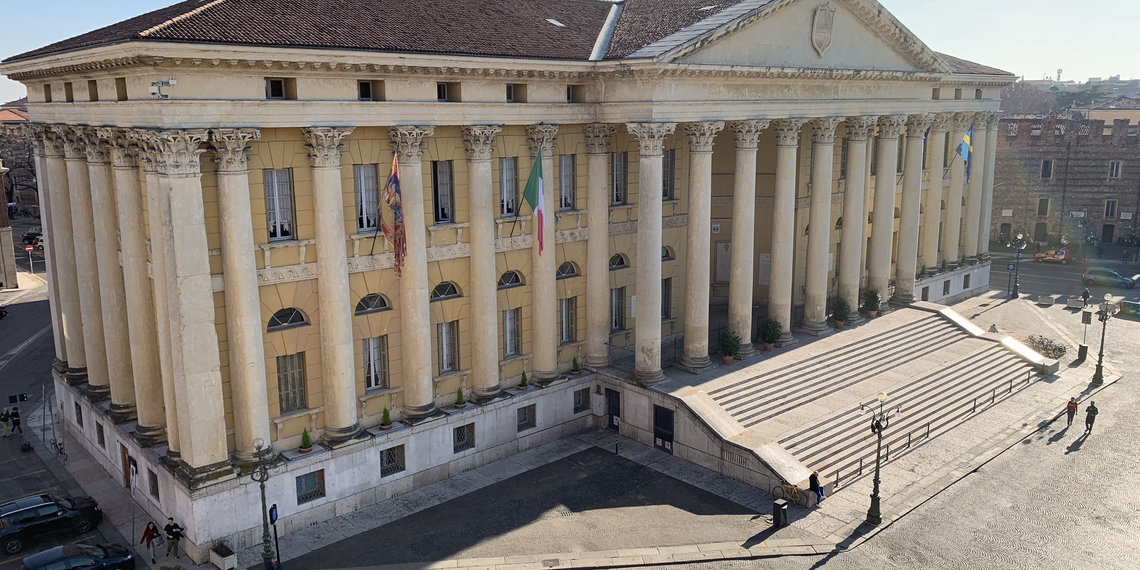
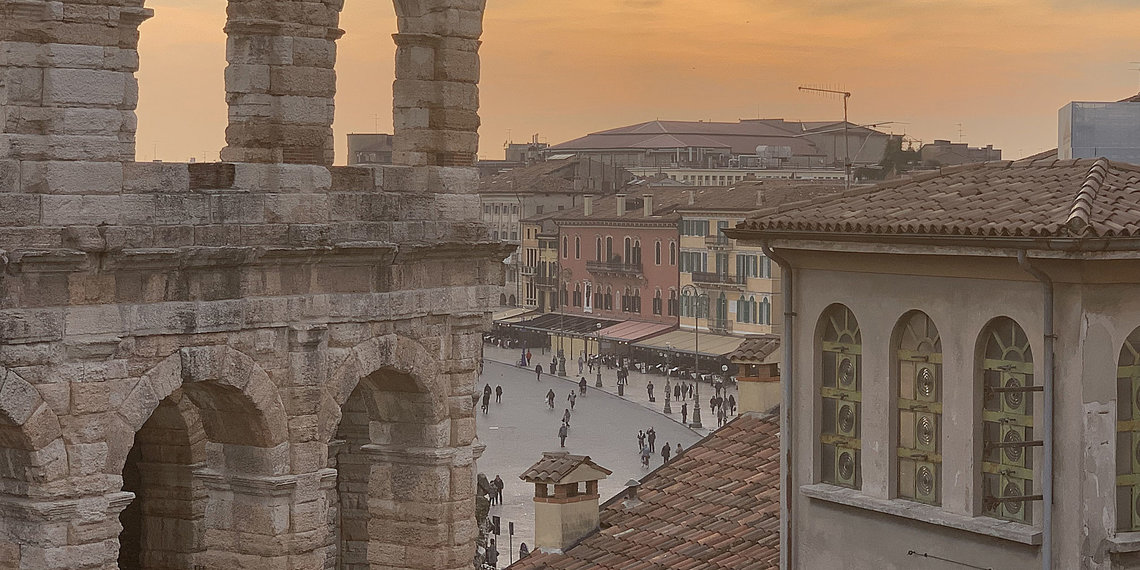
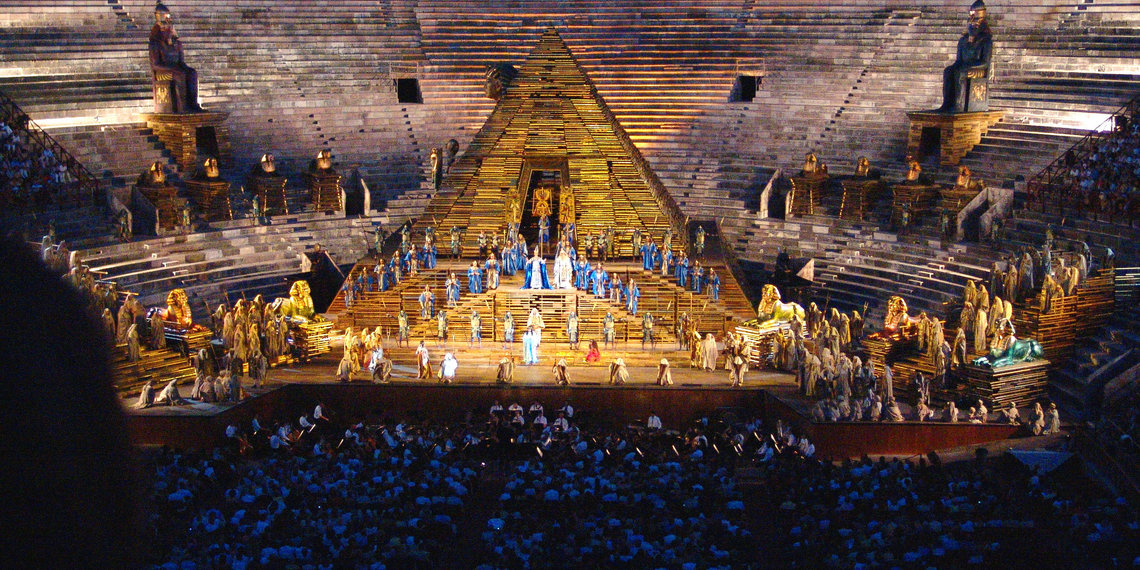
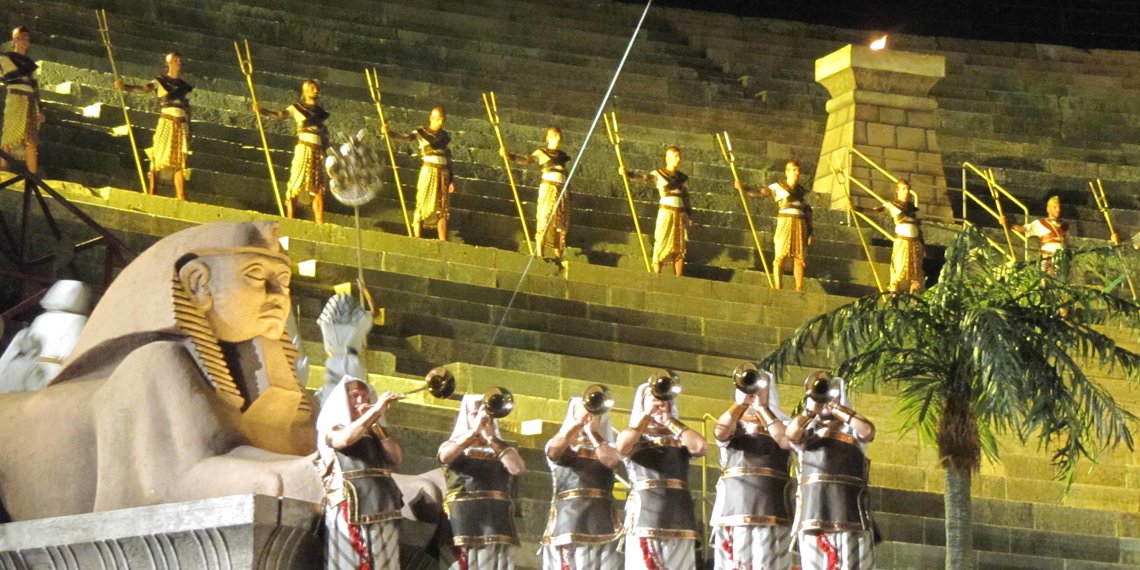
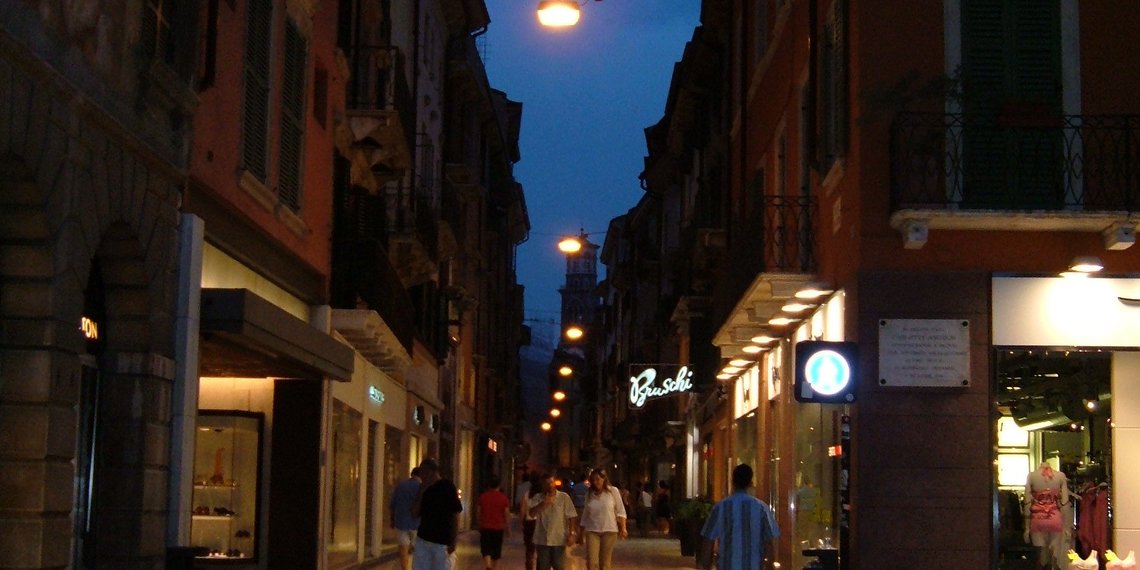
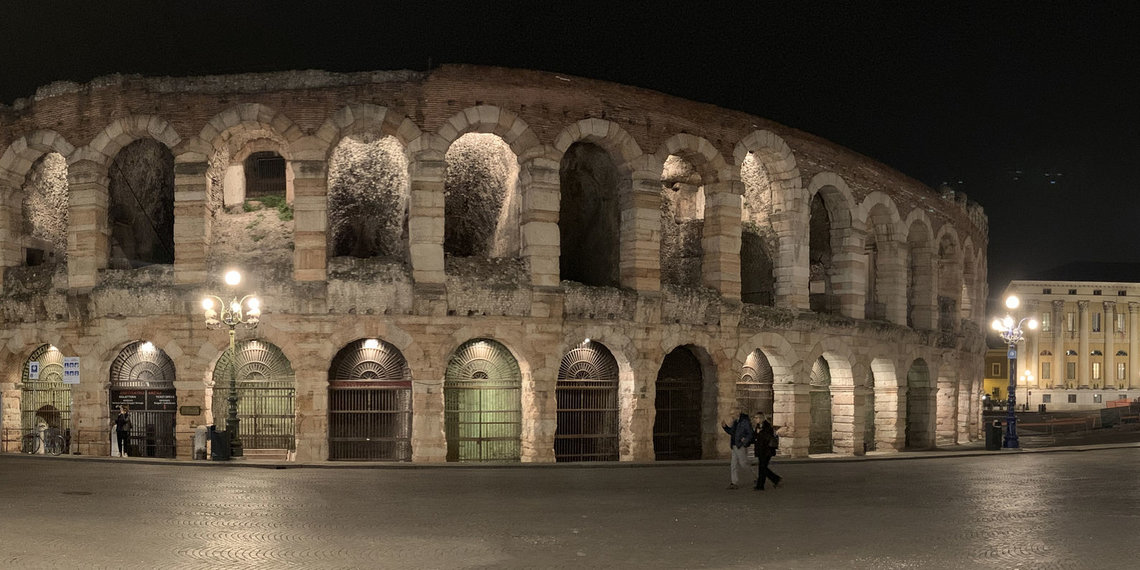
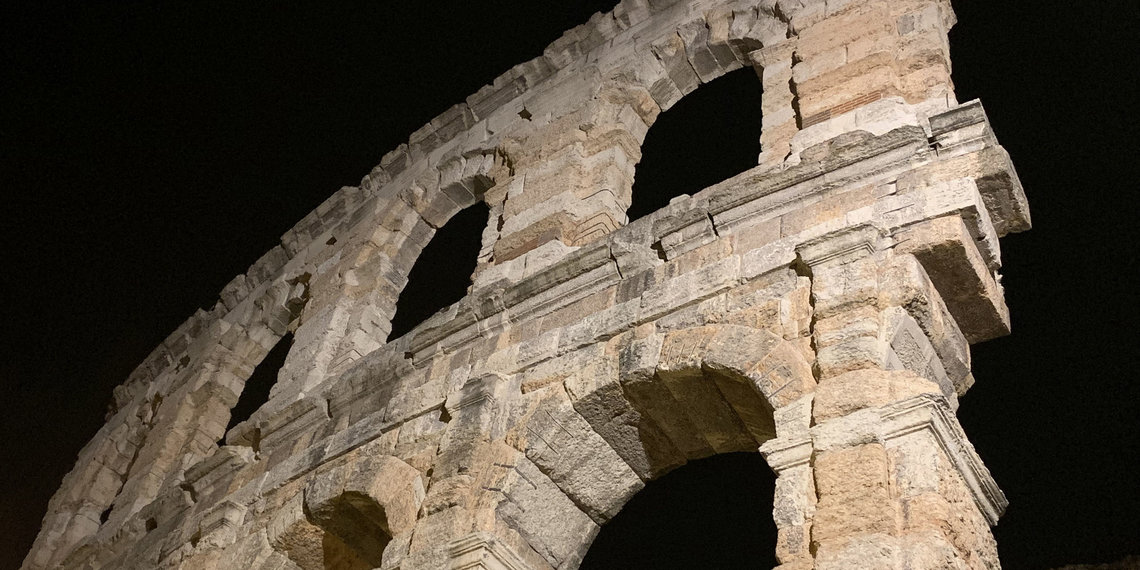
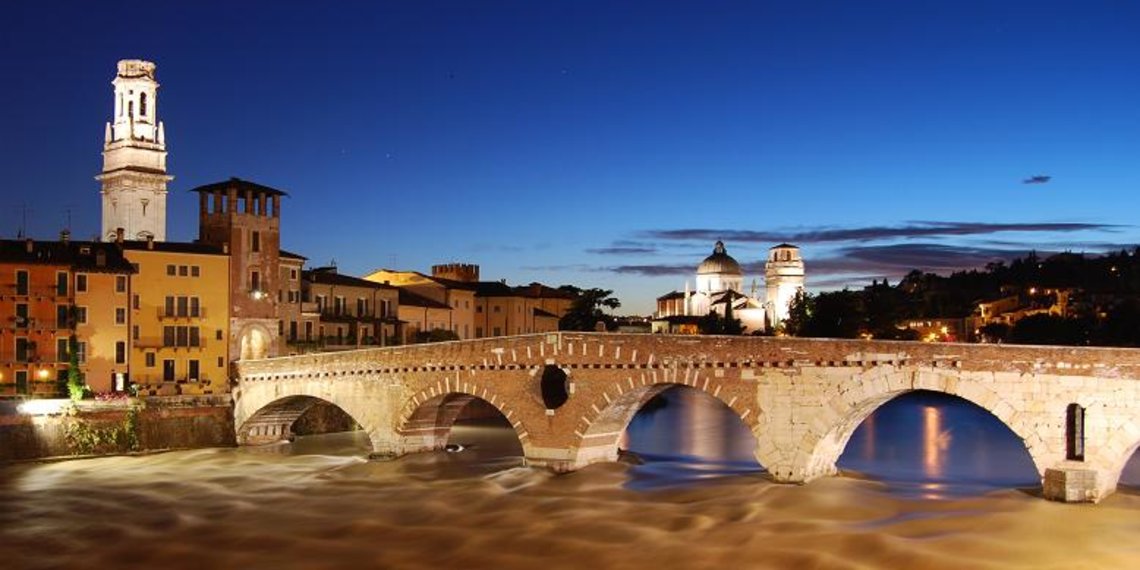
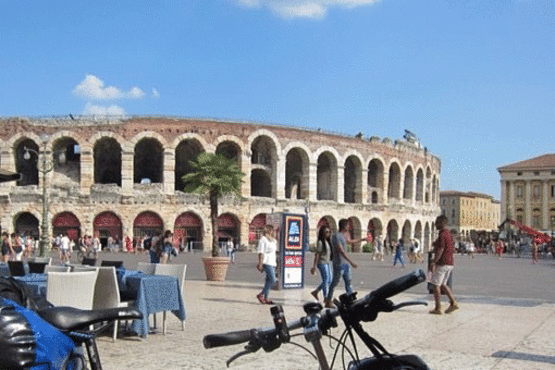
The cycling route leads into the City of Verona, where it crosses the Etsch river the first time. Following a tour of the district of Borgo, it crosses the river once again before taking you to the oldest part of the city, which dates back to Roman times. It leads you through some of the most beautiful parts of the historical old town. All sights are within reach. After taking you almost directly past the Verona Arena, you leave the city westwards.
The route through Verona gives you a first impression and some lovely views of the city. You get to see the Basilica di San Zeno Maggiore, Ponte Scaligero, Castel San Pietro, the archaeological museum, the remains of the old city wall, the monumental cemetery, and the Arena. If you want to get a slightly more detailed idea of Verona, however, we recommend that you take a walk through the city. You can leave your car at the Arena parking garage. The suggested route leads you past the arena to the Ponte Scaligero and the museum inside the Castelvecchio, where countless paintings and sculptures are exhibited. Afterwards, you meander through picturesque alleyways, taking in several fascinating
sacred buildings before reaching the Chiesa San Giovanni in Fonte. The Casa di Giuletta (Juliet’s House), Palazzo della Ragione and Torre dei Lamberti are all located in relatively close proximity to each other. Finally, the tour leads you across the Etsch river to the remains of the Roman city walls and the impressive monumental cemetery. After visiting the Tomba di Giulietta (Juliet’s Grave), you head back towards the nearby Arena.
Museo Castelvecchio, Corso Castelvecchio 2, +39 045 806 26 11, open Mon 1:30 pm–7:30 pm and Tue–Sun 8:30 am–7:30 pm, last entry at 6:45 pm.
Archaeological Museum at the Roman Theater, Regaste Redentore 2, +39 045 8000 360, Mon 1:30 pm–7:30 pm and Tue–Sun 8:30 am–7:30 pm. Last entry at 6:45 pm.
Casa di Giuletta, Via Cappello 23, +39 045 803 4303, open Mon 1:30 pm–7:30 pm and Tue–Sun 8:30 am–7:30 pm, last entry at 6:45 pm.
Torre dei Lamberti, Via della Costa 2, +39 0er 927 30 27, open Mon–Sun, 9:30 am–7:30 pm.
Tomba di Giuletta, Via Luigi da Porto 5, +39 045 8000 361, open Mon 1:30 pm–7:30 pm and Tue–Sun 8:30 am–7:30 pm, last entry at 6:45 pm.
Arena, Piazza Bra, +39 045 800 3204, open Mon 1:30 pm–7:30 pm and Tue–Sun 8:30 am–7:30 pm, last entry at 6:30 pm.

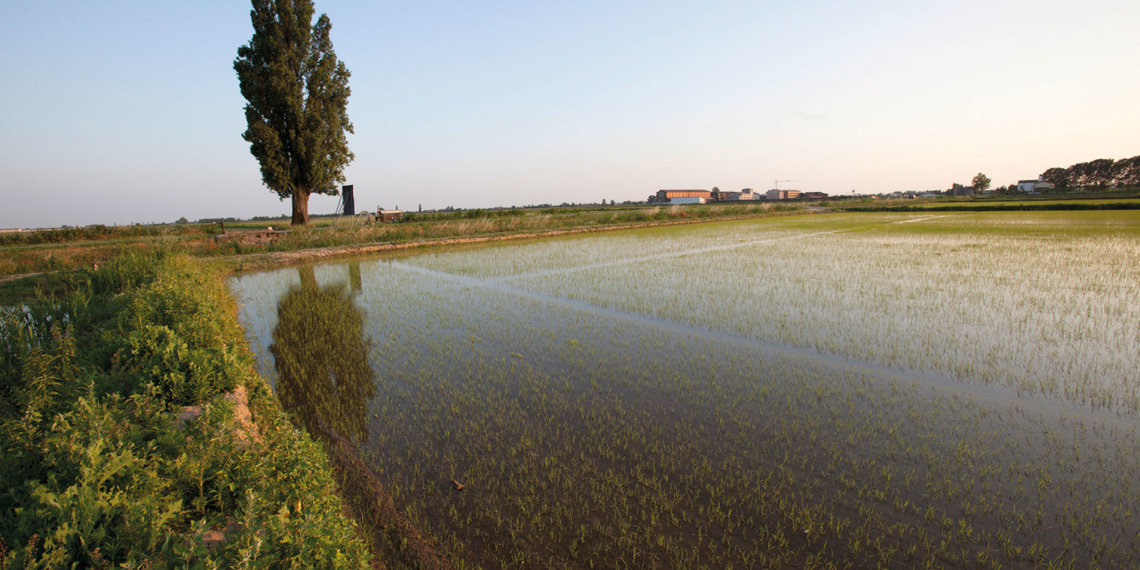
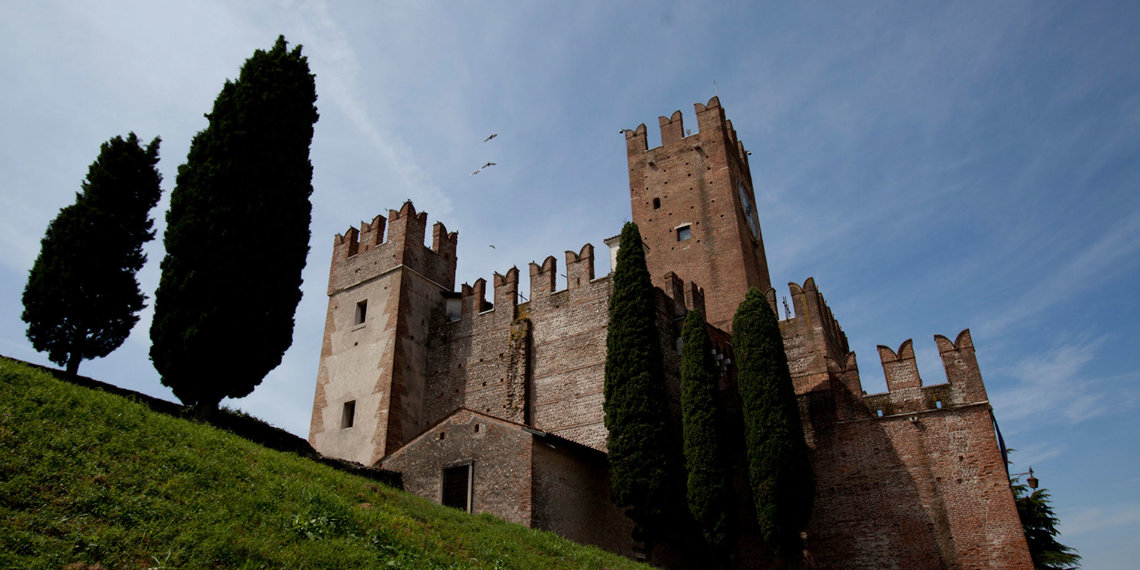
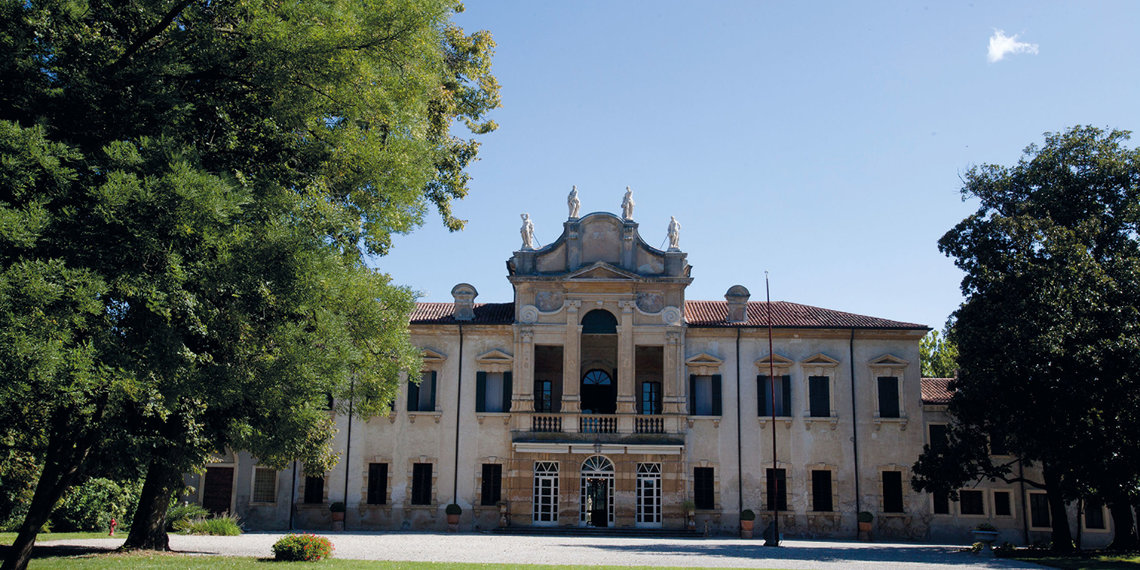


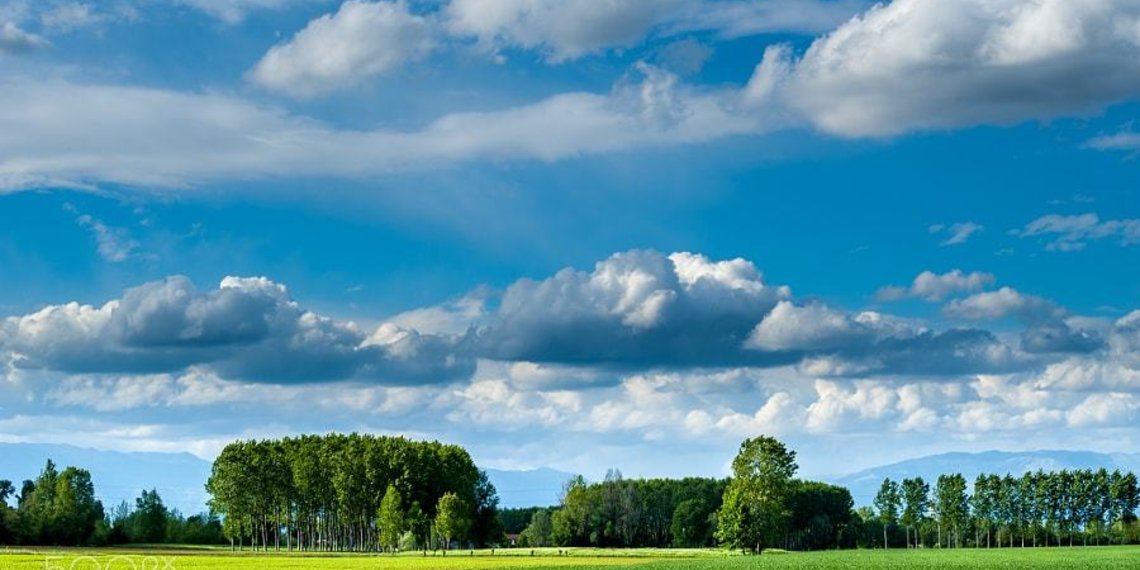
The south of Verona is not particularly rich in attractions, so the cycling route takes you out of the city westwards. You will travel through Sommacampagna and Custoza, a well-known wine-growing region. After cycling through Castelfranco with its striking Castello, you head towards Castel D‘Azzano. You then continue towards Ostiglia, passing through Vigasio and the center of Europe’s main rice-growing area around Isola della Scala on the way. Before you reach Ostiglia, the route takes you through the Paludi di Ostiglia, an extensive marshland.
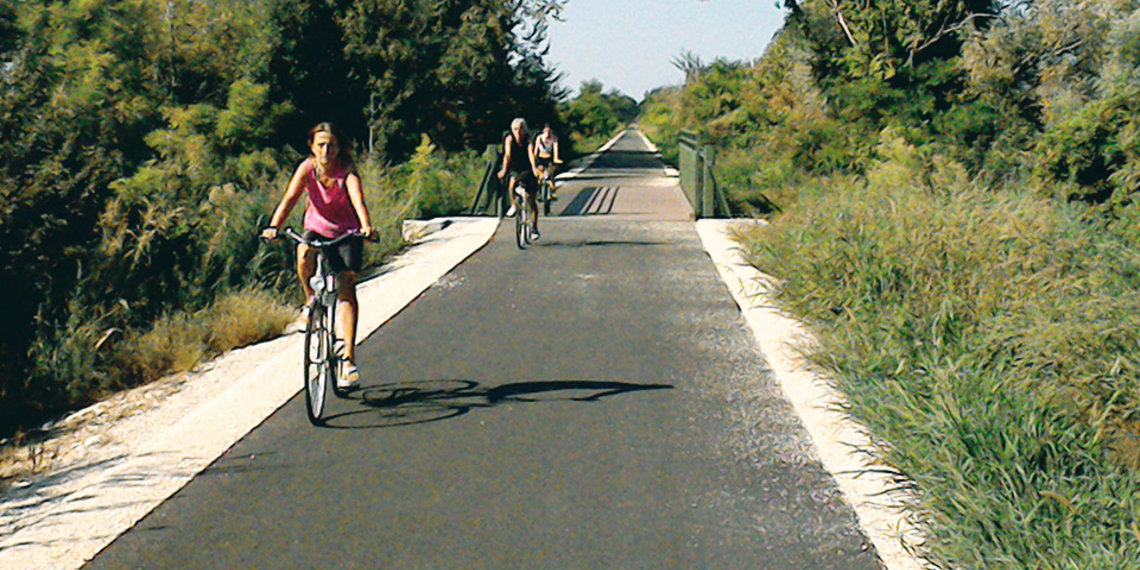

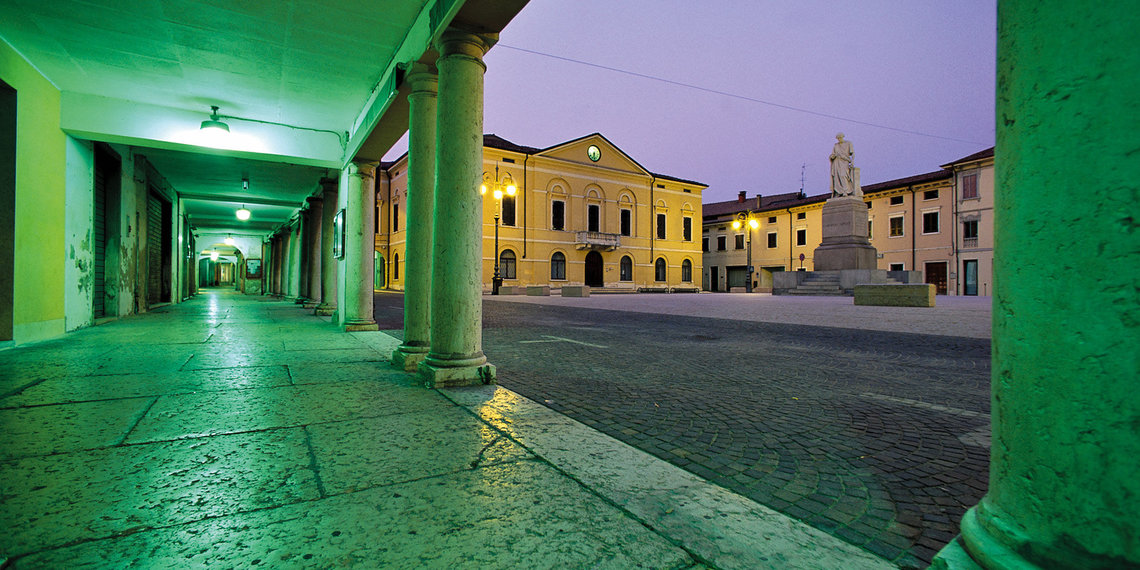

Like many of Europe’s waterways, Italy’s longest river is traced by a riverside cycling path. It connects interesting towns, quirky cities, plenty of culture and history, and a lot of agriculture and typical products. The Po Plain has always been Italy’s breadbasket. It is just as well that the cycling path that leads through it is one of Italy’s flattest.